Visiting Hawaii is high on the travel list of many. With its stunning turquoise ocean, family-friendly activities, and welcoming Hawaiian culture, it’s the perfect tropical paradise that doesn’t require a passport. All the Hawaiian islands are unique and offer things to see and do. For example, you can snorkel with Manta rays off the coast of the Big Island, feel the power of the past at Pearl Harbor, or take a sunrise bike ride down a dormant volcano in Maui.I’ve been blessed to call this beautiful place home since I was born, but I didn’t start appreciating it until my teenage years. Since then, I’ve tried to explore my home and all the different Hawaiian islands, no matter how “touristy” some activities seem.This Hawaii travel guide will give you all my insider tips as a local to ensure you have the best time in this tropical island paradise. I hope this vacation guide takes all the stress out of planning for first-time visitors and gives new ideas and perspectives to those looking to have a great time experiencing island life in Hawaii.
The destination guide
Hawaii
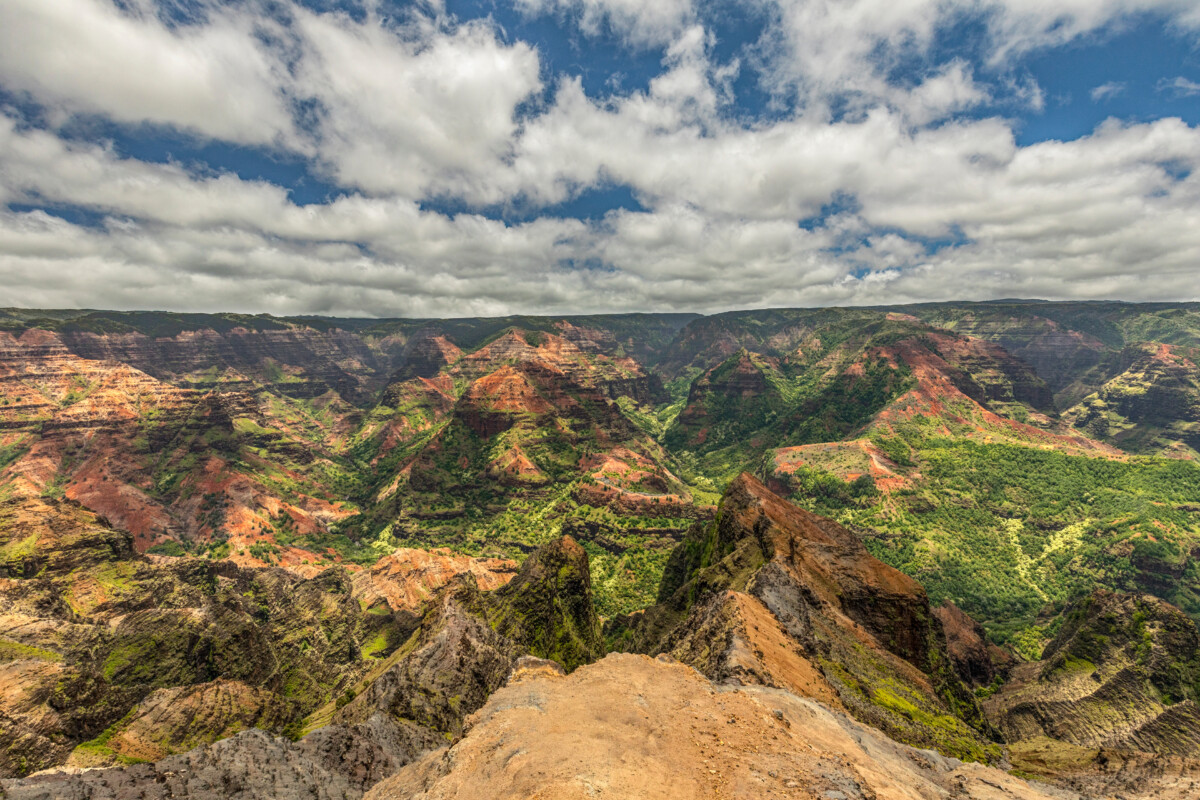
State in United States, North AmericaUpdated
- Overall8/10
- Best forAdventure seekers, Solo travelers
- PeakJan, Jun, Jul, Aug
- CurrencyUSD
Hawaii is eight islands with six you can visit — each one a different world, from Big Island’s active volcanoes to Kauai’s Na Pali cliffs and Maui’s road to Hana.
Travel guides for Hawaii
Things to do (5)
Where to stay (2)
Destination stories (5)
More guides featuring Hawaii (13)
At a glance
- English
- Volcanic archipelago
- Tropical beaches
- Rainforest mountains
- Pacific Ocean
- Beach and surf culture
- Polynesian heritage
- World War II history
- Tropical paradise
How Hawaii scores
Character
Editorial scores on a 10-point scale, weighed against destinations of the same kind.
Travel safety snapshot
SafePlace indicators use their source 100-point scale; higher is more favourable. Planning context, not a live travel advisory — check official government guidance before you go.
When to go
Best months to visit: January, February, March, April, May, June, September, October and November.
- January: 20.1 to 25.3 degrees Celsius, 44.5 millimetres of rain, best-time score 4 out of 5.
- February: 19.7 to 24.7 degrees Celsius, 51.8 millimetres of rain, best-time score 4 out of 5.
- March: 20.3 to 25.3 degrees Celsius, 54.8 millimetres of rain, best-time score 4 out of 5.
- April: 21.2 to 26.1 degrees Celsius, 50.7 millimetres of rain, best-time score 5 out of 5.
- May: 21.9 to 27 degrees Celsius, 44.2 millimetres of rain, best-time score 5 out of 5.
- June: 22.9 to 28.1 degrees Celsius, 26.2 millimetres of rain, best-time score 4 out of 5.
- July: 23.4 to 28.7 degrees Celsius, 20.8 millimetres of rain, best-time score 3 out of 5.
- August: 23.8 to 29.2 degrees Celsius, 27 millimetres of rain, best-time score 3 out of 5.
- September: 23.7 to 29.1 degrees Celsius, 23.8 millimetres of rain, best-time score 5 out of 5.
- October: 23.1 to 28.3 degrees Celsius, 40.9 millimetres of rain, best-time score 5 out of 5.
- November: 22.2 to 27.1 degrees Celsius, 24 millimetres of rain, best-time score 4 out of 5.
- December: 20.9 to 25.7 degrees Celsius, 62.3 millimetres of rain, best-time score 3 out of 5.
Month-by-month conditions and packing advice
- January
- Mild to warm, occasional rain January in Hawaii: beach and outdoor trips remain strong, though winter swells or busier timing may affect plans. Crowds: January in Hawaii is comfortable for sightseeing, neighborhoods, food stops, day trips, and outdoor time with limited weather friction. Pack: Pack light clothing, sun protection, and comfortable walking shoes.
- February
- Mild to warm, occasional rain February in Hawaii: beach and outdoor trips remain strong, though winter swells or busier timing may affect plans. Crowds: February in Hawaii is comfortable for sightseeing, neighborhoods, food stops, day trips, and outdoor time with limited weather friction. Pack: Pack light clothing, sun protection, and comfortable walking shoes.
- March
- Mild to warm, occasional rain March in Hawaii: beach and outdoor trips remain strong, though winter swells or busier timing may affect plans. Crowds: March in Hawaii is comfortable for sightseeing, neighborhoods, food stops, day trips, and outdoor time with limited weather friction. Pack: Pack light clothing, sun protection, and comfortable walking shoes.
- April
- Mild to warm, occasional rain April in Hawaii: shoulder-season weather, beaches, hikes, road trips, and lower visitor pressure create the best all-around balance. Crowds: April in Hawaii is comfortable for sightseeing, neighborhoods, food stops, day trips, and outdoor time with limited weather friction. Pack: Pack light clothing, sun protection, and comfortable walking shoes.
- May
- Mild to warm, occasional rain May in Hawaii: shoulder-season weather, beaches, hikes, road trips, and lower visitor pressure create the best all-around balance. Crowds: May in Hawaii is comfortable for sightseeing, neighborhoods, food stops, day trips, and outdoor time with limited weather friction. Pack: Pack light clothing, sun protection, and comfortable walking shoes.
- June
- Warm to hot, mostly dry June in Hawaii: beach and outdoor trips remain strong, though winter swells or busier timing may affect plans. Crowds: June in Hawaii is comfortable for sightseeing, neighborhoods, food stops, day trips, and outdoor time with limited weather friction. Pack: Pack light clothing, sun protection, and comfortable walking shoes.
- July
- Warm to hot, mostly dry July in Hawaii: weather is still appealing, but summer or holiday crowds and prices can be high. Crowds: July in Hawaii is comfortable for sightseeing, neighborhoods, food stops, day trips, and outdoor time with limited weather friction. Pack: Pack light clothing, sun protection, and comfortable walking shoes.
- August
- Warm to hot, mostly dry August in Hawaii: weather is still appealing, but summer or holiday crowds and prices can be high. Crowds: August in Hawaii is workable with normal seasonal planning; build in layers, weather checks, and a mix of indoor and outdoor activities. Pack: Pack light clothing, sun protection, and comfortable walking shoes.
- September
- Warm to hot, mostly dry September in Hawaii: shoulder-season weather, beaches, hikes, road trips, and lower visitor pressure create the best all-around balance. Crowds: September in Hawaii is workable with normal seasonal planning; build in layers, weather checks, and a mix of indoor and outdoor activities. Pack: Pack light clothing, sun protection, and comfortable walking shoes.
- October
- Warm to hot, occasional rain October in Hawaii: shoulder-season weather, beaches, hikes, road trips, and lower visitor pressure create the best all-around balance. Crowds: October in Hawaii is comfortable for sightseeing, neighborhoods, food stops, day trips, and outdoor time with limited weather friction. Pack: Pack light clothing, sun protection, and comfortable walking shoes.
- November
- Warm to hot, mostly dry November in Hawaii: beach and outdoor trips remain strong, though winter swells or busier timing may affect plans. Crowds: November in Hawaii is comfortable for sightseeing, neighborhoods, food stops, day trips, and outdoor time with limited weather friction. Pack: Pack light clothing, sun protection, and comfortable walking shoes.
- December
- Mild to warm, occasional rain December in Hawaii: weather is still appealing, but summer or holiday crowds and prices can be high. Crowds: December in Hawaii is comfortable for sightseeing, neighborhoods, food stops, day trips, and outdoor time with limited weather friction. Pack: Pack light clothing, sun protection, and comfortable walking shoes.
- June
- July
- August
- December
- January
- April
- May
- September
- October
- November
Know before you go
Best time to visit
The best time to visit Hawaii is during the shoulder seasons of spring (April to June) and fall (September to November) when the weather is pleasant and crowds are fewer. Summer months are popular for beach activities, while winter offers great surfing conditions on the North Shore.
Getting there and around
Getting there
Hawaii is accessed exclusively by air or sea, with Honolulu International Airport (HNL) on Oahu serving as the main gateway for international and mainland flights. Inter-island flights connect to Kahului (OGG) on Maui, Kona (KOA) and Hilo (ITO) on Big Island, and Lihue (LIH) on Kauai via Hawaiian Airlines, Southwest, and Mokulele Airlines. Direct flights arrive from major West Coast cities (5-6 hours), Asia, and Australia. No bridges connect the islands. Cruise ships dock at Honolulu and other ports, with Norwegian Cruise Line offering inter-island cruises. The 2,500-mile distance from the mainland requires advance planning. Baggage fees for inter-island flights can add up quickly.
Getting around
Oahu’s TheBus system offers the most comprehensive public transit in Hawaii, covering Honolulu and most of the island ($3 per ride, $7.50 day pass, HOLO card for capped fares). The Waikiki Trolley serves tourist areas. Other islands have limited public bus service: Maui Bus, Kauai Bus, and Hele-On (Big Island) run infrequent routes mainly serving residents. Rental cars are essential on neighbor islands but book early and expect high prices ($80-150/day). Ride-sharing (Uber/Lyft) operates on all major islands but can be expensive for longer distances. Mopeds and bicycles work for short trips. Walking is pleasant in resort areas like Waikiki, Lahaina, and Kailua-Kona. Many hotels offer shuttle services. Parking fees in Waikiki can exceed $40/day.



Worth booking ahead in Hawaii
Hand-picked from the operators our guides already send readers to. Prices and availability are live on the partner site.
BrowseViator
Tours and tickets in Hawaii on Viator (opens Viator in a new tab)
Viator's full list of bookable tours and tickets in Hawaii.
BrowseGetYourGuide
Experiences in Hawaii on GetYourGuide (opens GetYourGuide in a new tab)
Everything GetYourGuide sells in Hawaii, with the cancellation terms on each listing.
Where to stayBooking.com
Stays in Hawaii (opens Booking.com in a new tab)
Live rates and availability for Hawaii on Booking.com; filter by neighbourhood once you know where your days start.
We earn a commission if you book through these links, at no extra cost to you. It is how we keep the guides free and independent.
Tips from the field
Highlights
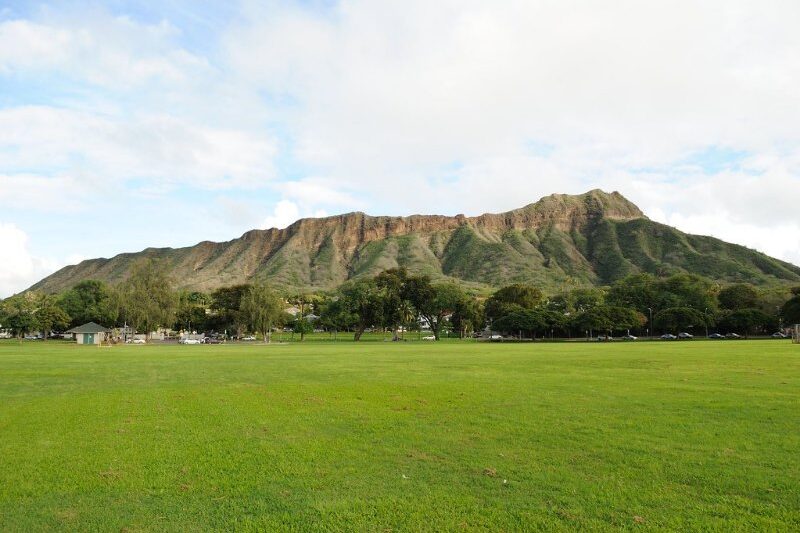
- Diamond Head State Monument
- Waikiki Beach
- Pearl Harbor National Memorial
- Ala Moana Regional Park
Best activities
- Hiking Diamond Head State Monument
- Relaxing on [Waikiki Beach](https://travel.usnews.com/Honolulu_Oahu_HI/Things_To_Do/)
- Visiting Pearl Harbor National Memorial
- Snorkeling in Waikiki
Practical tips
- Use reef-safe sunscreen to protect marine life
- Respect local customs and sacred sites
- Stay hydrated in the tropical climate
- Learn basic Hawaiian phrases
Keeping it authentic
- Experience traditional Hawaiian luaus
- Visit local markets for authentic crafts and foods
Culture, customs and safety
Cultural heritage
Hawaii preserves profound Native Hawaiian spiritual and cultural traditions centered on sacred heiau temples transferring divine mana through ritual and prayer. Heiau range from simple earth terraces to elaborate stone platforms serving specific purposes: healing (hōʻola), rainfall control, population increase, warfare success (luakini with human sacrifice), and voyaging protection. Hale O Piʻilani Heiau on Maui represents largest known temple at three acres with 50-foot retaining walls dating to 13th century. Puʻuhonua o Honaunau and Puukohola Heiau showcase reconstructed temple complexes built by Kamehameha the Great. Hula storytelling preserves Hawaiian history through kahiko (ancient) performances with ipu gourd drums and chants depicting creation and genealogy, versus ʻauana (modern) incorporating ukulele and guitar expressing contemporary themes. Merrie Monarch Festival honors King David Kalākaua who restored hula after missionary prohibition, making dance globally recognized. Traditional luau evolved from ʻahaʻaina formal gatherings under kapu spiritual system to communal celebrations featuring kalua pig cooked in earth mother Papa imu underground ovens, poi taro paste symbolizing unity, and laulau reinforcing ʻohana (family) and ʻāina (land) connections. Puako petroglyph field contains 3,000 volcanic rock carvings depicting paddlers, dancers, families, and deity symbols along ancient footpaths, maintaining spiritual significance for Hawaiian inhabitants despite 1819 religious transition and missionary pressure.
Local customs & etiquette
Hawaii’s Aloha Spirit emphasizes kindness, patience, and respect. Remove shoes before entering homes (“no shoes in house” is universal). The shaka sign (hang loose) conveys friendliness. Lei giving marks special occasions – never refuse a lei or remove it in the giver’s presence. Respect sacred sites and heiaus (temples) – many areas are kapu (forbidden). Local Pidgin English is common – don’t mock or imitate. “Aunty” and “Uncle” show respect for elders. Island time means a relaxed pace – don’t rush. Mainland is called “the continent.” Locals are “kamaaina,” visitors are “malihini.” Poke, plate lunches, and shave ice are local favorites. Ocean safety is paramount – respect warning signs and ask locals about conditions. Environmental protection is crucial – use reef-safe sunscreen, don’t touch marine life.