California’s most famous landmarks include the Golden Gate Bridge, Alcatraz Island, Yosemite National Park, the Hollywood Sign, Disneyland Park, Big Sur, Lake Tahoe, and the Santa Monica Pier. The state is too large to cover these places efficiently in one short trip, so this guide groups 29 landmarks by region and explains the reservation, fee, timing, and transportation details that matter before you go.
This list includes recognized works of architecture, historic sites, cultural institutions, transportation icons, public spaces, and protected natural features. Each selection was evaluated for statewide recognition, cultural or natural significance, visitor interest, and usefulness in a realistic California itinerary.
Use the California destination guide for wider trip planning, or compare Northern California and Southern California before choosing a route.
Last verified: July 27, 2026. Prices, schedules, road conditions, reservation rules, and closures can change. Check the linked official source shortly before travel.
Disclosure: ViaTravelers may earn a commission when you book through select links in this guide, at no additional cost to you. Recommendations are based on relevance to the trip, not commission value.
Key California landmark updates for 2026
- Yosemite: The park does not use a timed entrance reservation system in 2026, but lodging, campgrounds, wilderness trips, and some activities still require separate bookings or permits.
- International national-park fees: Non-U.S. residents age 16 and older pay the standard entrance fee plus a $100-per-person nonresident fee at Yosemite and Sequoia & Kings Canyon. A $250 nonresident annual pass can cover the passholder and eligible companions.
- La Brea Tar Pits: The indoor museum is temporarily closed for a two-year renovation. Many outdoor areas of Hancock Park and active excavation sites remain accessible.
- Big Sur: Highway 1 was open through the region on July 27, 2026, with one-way traffic controls and delays near Big Sur and Rocky Creek Bridge. Check Caltrans immediately before driving.
- Palm Springs Aerial Tramway: The 2026 annual maintenance closure is scheduled for September 8 through October 4, with a tentative reopening on October 5.
- Disneyland Park: Guests age three and older need both valid admission and a park reservation for the same park and date.
Jump to a region
- San Francisco Bay Area landmarks
- Sacramento and Central Coast landmarks
- Sierra Nevada and Northern California landmarks
- Los Angeles and Orange County landmarks
- San Diego and California desert landmarks
- California landmarks road-trip planning
- California landmarks FAQ
California landmarks at a glance
| Landmark | Area | Before you go |
|---|---|---|
| 1. Golden Gate Bridge | San Francisco Bay Area | Free to walk; parking is limited and regulated |
| 2. Alcatraz Island | San Francisco Bay Area | Ferry ticket required; reserve ahead |
| 3. Presidio of San Francisco | San Francisco Bay Area | Grounds are free; individual attractions vary |
| 4. Muir Woods National Monument | Marin County | Parking or shuttle reservation required |
| 5. Coit Tower | San Francisco | Grounds and murals are free; elevator costs extra |
| 6. California State Capitol | Sacramento | Free; weekday access only during current work |
| 7. Santa Cruz Beach Boardwalk | Santa Cruz | Admission free; rides cost extra |
| 8. Monterey Bay Aquarium | Monterey | Paid admission; advance purchase recommended |
| 9. Big Sur and Bixby Creek Bridge | Central Coast | Free viewpoints; always check Highway 1 conditions |
| 10. Hearst Castle | San Simeon | Guided tour required; reserve ahead |
| 11. Yosemite National Park | Sierra Nevada | No timed entry reservation in 2026; fees apply |
| 12. General Sherman Tree | Sequoia National Park | Park fee applies; seasonal road and snow conditions |
| 13. Lake Tahoe | Sierra Nevada | No single entrance; beach, parking, and ski fees vary |
| 14. Redwood National and State Parks | Far Northern California | Most areas free; Fern Canyon needs a seasonal reservation |
| 15. Hollywood Sign | Los Angeles | Free viewpoints and trails; no access to the letters |
| 16. Griffith Observatory | Los Angeles | General admission free; planetarium and parking cost extra |
| 17. Hollywood Walk of Fame | Hollywood | Free and always accessible outdoors |
| 18. TCL Chinese Theatre | Hollywood | Forecourt viewing free; tours and films cost extra |
| 19. Walt Disney Concert Hall | Downtown Los Angeles | Exterior and garden free; tours and performances vary |
| 20. Getty Center | Los Angeles | Free timed entry; paid parking |
| 21. La Brea Tar Pits | Los Angeles | Outdoor areas open; museum temporarily closed |
| 22. Santa Monica Pier | Santa Monica | Free to enter; rides and parking cost extra |
| 23. Disneyland Park | Anaheim | Valid ticket and park reservation required |
| 24. San Diego Zoo | San Diego | Paid admission; standard tickets do not need reservations |
| 25. Balboa Park | San Diego | Park grounds free; museums and parking vary |
| 26. Mission San Diego de Alcalá | San Diego | Paid visitor admission; active parish |
| 27. Palm Springs Aerial Tramway | Palm Springs | Paid round trip; annual maintenance closure |
| 28. Joshua Tree National Park | Southern California desert | Entrance pass required; no advance entry reservation |
| 29. Death Valley National Park | Eastern California desert | Entrance pass required; serious summer heat risk |
San Francisco Bay Area landmarks
San Francisco and Marin County contain five of the state’s most recognizable urban and natural landmarks within a relatively compact area. Three full days in the city plus a half-day or full day for Muir Woods gives this group enough time without constant backtracking.
1. Golden Gate Bridge

The Golden Gate Bridge is the landmark most closely associated with San Francisco. The 1.7-mile suspension bridge opened in 1937 and connects the Presidio with the Marin Headlands. Its International Orange towers are visible from beaches, trails, overlooks, and ferries around the bay.
Walking across one sidewalk gives you close views of the cables and the strait, but wind and fog can make the bridge much colder than downtown. For the classic full-bridge photograph, use a legal overlook such as Battery Spencer, Hawk Hill, Fort Point, or Crissy Field rather than stopping along an access road.
Plan your visit: Pedestrian and bicycle access, sidewalk assignment, and parking restrictions can change with weather, maintenance, and special events. Check the bridge authority before leaving and use transit when possible. Pair the bridge with the essential places to visit in San Francisco.
2. Alcatraz Island

Alcatraz Island began as a military fortification and later held a military prison and the federal penitentiary that operated from 1934 to 1963. The cellhouse, guard buildings, gardens, lighthouse, and views back toward San Francisco make the island more than a prison stop.
There is no bridge or public water taxi. The authorized ferry leaves from Pier 33, and the standard ticket includes round-trip transportation and the Cellhouse audio tour. Tickets can sell out well ahead of weekends, holidays, and summer dates.
Plan your visit: Allow roughly half a day from Pier 33. Wear layers and comfortable shoes because the walk from the dock to the cellhouse is steep. The ViaTravelers Alcatraz guide covers the island in more depth.
3. Presidio of San Francisco

The Presidio occupies the northwestern edge of San Francisco, where a former military post now forms part of the Golden Gate National Recreation Area. The park includes forest trails, beaches, historic officers’ quarters, Crissy Field, the Walt Disney Family Museum, and some of the city’s best bridge viewpoints.
This is a large district rather than a single building. First-time visitors usually get the most value from the Presidio Visitor Center, Tunnel Tops, Main Post, Crissy Field, and the waterfront route toward Fort Point.
Plan your visit: General park access is free, while museums, parking, and some programs charge separately. Consider staying nearby using this guide to where to stay in San Francisco.
4. Muir Woods National Monument
Muir Woods National Monument protects an old-growth coast redwood grove less than 20 miles north of central San Francisco. The main boardwalk follows Redwood Creek beneath trees that create a cool, shaded setting even when surrounding parts of Marin County are warm.
The shortest visit can follow the accessible main trail, while longer loops climb into Mount Tamalpais State Park. Because the canyon has little or no cell service, save tickets, maps, and parking confirmations before arrival.
Plan your visit: A parking reservation or seasonal shuttle reservation is required before arrival, and the monument also charges an entrance fee for visitors age 16 and older. Reservations often sell out on weekends.
5. Coit Tower
Coit Tower has crowned Telegraph Hill since 1933. The white concrete tower is known for its observation deck and for the Depression-era murals painted inside the base under the Public Works of Art Project.
The hilltop setting supplies broad views of downtown, the bay, Alcatraz, and both major bridges. The murals can be viewed without buying an elevator ticket, so the stop remains worthwhile even when the observation deck is busy.
Plan your visit: Nonresident adult elevator admission was $11 when verified in July 2026. Parking at the summit is very limited, and the historic elevator is sometimes unavailable; the No. 39 Coit bus or a stair walk is usually easier.
Sacramento and Central Coast landmarks
This group follows a practical north-to-south corridor from Sacramento through Santa Cruz and Monterey to Big Sur and San Simeon. The coast deserves several days because Highway 1 is slow, scenic, and vulnerable to construction or weather delays.
6. California State Capitol

The California State Capitol combines an active seat of government with a public museum and landscaped Capitol Park. The historic west wing contains restored offices and exhibits that explain California’s political development, architecture, and state symbols.
This is a practical stop for visitors who want more than an exterior photograph. Free public tours and self-guided materials are available, but construction on the Capitol Annex continues to affect circulation around the complex.
Plan your visit: As of July 2026, the Capitol is open in limited capacity from 9 a.m. to 5 p.m. Monday through Friday and closed on weekends and most holidays. Add it to a broader list of things to do in Sacramento.
7. Santa Cruz Beach Boardwalk

The Santa Cruz Beach Boardwalk is a seaside amusement park beside Main Beach. Its best-known ride is the 1924 Giant Dipper wooden roller coaster, but the oceanfront setting, arcade, games, and free summer entertainment are equally important to the experience.
You can enter the Boardwalk and walk through without buying admission. That makes it easy to combine a short visit with the beach, then pay only for the rides or attractions you plan to use.
Plan your visit: The Boardwalk operates year-round with seasonal ride schedules. In July 2026, all-day ride wristbands started at $44.95 plus tax online; operating days and prices can change.
8. Monterey Bay Aquarium
The Monterey Bay Aquarium occupies a former cannery on Cannery Row and focuses on the ecosystems of Monterey Bay and the wider Pacific. The Kelp Forest, Open Sea gallery, sea otters, and daily animal-care programs make it one of California’s strongest family and science attractions.
The aquarium is large enough for a half-day visit, and the waterfront decks add real bay views to the indoor exhibits. Weekends and school holidays are busiest, so an early arrival helps.
Plan your visit: Adult admission was $65 when verified in July 2026, and the aquarium recommends buying tickets in advance. Hours vary by date, with last entry typically one hour before closing.
9. Big Sur and Bixby Creek Bridge
Big Sur is the dramatic stretch of coast where the Santa Lucia Mountains drop toward the Pacific. Bixby Creek Bridge and Highway 1 provide the most recognizable view, but the landmark is best understood as part of a larger route that includes cliffs, redwood canyons, beaches, and state parks.
The bridge pullouts can become congested, and stopping in a traffic lane is unsafe. Use designated parking, keep clear of private property, and leave extra time for construction controls or weather-related delays.
Plan your visit: Highway 1 was open through Big Sur when verified on July 27, 2026, but one-way traffic controls were active near Big Sur and Rocky Creek Bridge. Check Caltrans immediately before driving and use this guide to where to stay in Big Sur if you plan an overnight stop.
10. Hearst Castle

Hearst Castle is the hilltop estate designed by architect Julia Morgan for publisher William Randolph Hearst. The property includes the 115-room Casa Grande, guesthouses, gardens, terraces, the indoor Roman Pool, and the outdoor Neptune Pool.
Visitors reach the estate by shuttle from the visitor center and enter on a guided tour. The Grand Rooms Tour is the clearest first choice, while upstairs, cottages, and Julia Morgan tours add detail for repeat visitors or architecture-focused trips.
Plan your visit: Tour reservations are strongly recommended, especially in summer and on Central Coast weekends. Budget time for the shuttle, orientation film, tour, and the visitor center rather than treating the castle as a quick roadside stop.
Sierra Nevada and Northern California landmarks
Yosemite, Sequoia, Lake Tahoe, and the redwood parks are major destinations rather than quick roadside stops. They sit far apart, cross mountain passes or remote highways, and work best as separate trips unless you have at least a week.
For additional park comparisons, use the guide to the best national parks in the United States and the overview of things to do in Northern California.
11. Yosemite National Park

Yosemite National Park contains several of California’s defining natural landmarks, including Half Dome, El Capitan, Yosemite Falls, Glacier Point, and the giant sequoias of Mariposa Grove. Yosemite Valley gives first-time visitors the highest concentration of recognizable scenery.
The park is much larger than the valley, and roads to Tioga Pass, Glacier Point, or high-country trailheads can open late after snowy winters. A one-day visit can cover viewpoints and a short walk, but two or three days produce a far less rushed trip.
Plan your visit: Yosemite does not require a timed entrance reservation in 2026, though lodging, campgrounds, wilderness trips, and some activities still require separate reservations or permits. Arrive early on busy dates. See the full Yosemite National Park guide.
12. General Sherman Tree in Sequoia National Park
The General Sherman Tree is the largest known living single-stem tree by volume and the best-known landmark in Sequoia National Park’s Giant Forest. Its scale is difficult to judge in photographs, which is why the short walk through the grove matters as much as the tree itself.
The main trail is paved and runs about half a mile downhill from the parking area. The return is uphill, though a separate accessible trail and seasonal shuttle options help visitors with limited mobility.
Plan your visit: Snow can affect access from autumn into late spring. Non-U.S. residents age 16 and older are subject to the 2026 national-park nonresident fee at Sequoia and Kings Canyon unless covered by an eligible pass.
13. Lake Tahoe

Lake Tahoe is a high-elevation freshwater lake shared by California and Nevada. Its clear blue water, granite shoreline, mountain backdrops, beaches, ski areas, and scenic roads make the entire basin a landmark rather than one isolated viewpoint.
Summer is best for beaches, hiking, paddling, and boat trips. Winter shifts the focus to ski resorts and snow travel. Emerald Bay State Park is the most recognizable California-side viewpoint, while South Lake Tahoe provides the largest concentration of lodging and services.
Plan your visit: Pick one shore as a base rather than trying to circle the lake every day. Parking at popular beaches and trailheads fills early, and winter drivers must monitor chain controls. See more things to do in Lake Tahoe and the best lakes in California.
14. Redwood National and State Parks

Redwood National and State Parks protect coast redwood forests, prairie, rivers, and a rugged stretch of Pacific shoreline near the Oregon border. Scenic drives and short trails place visitors among some of the tallest trees on Earth without requiring a backcountry expedition.
Useful first stops include Prairie Creek Redwoods State Park, Newton B. Drury Scenic Parkway, Lady Bird Johnson Grove, and the coast near Crescent City. The park units are spread out, so allow at least two days if you want both forest and shoreline.
Plan your visit: A day-use reservation is required to drive to Gold Bluffs Beach and Fern Canyon from May 15 through September 15. Most general park access is free, though some California state park areas charge day-use fees.
Los Angeles and Orange County landmarks
Los Angeles County has the densest cluster in this guide, but traffic makes geographic grouping essential. Keep Hollywood and Griffith Park together, combine downtown attractions on another day, and reserve a separate day for the Westside or Disneyland.
15. Hollywood Sign

The Hollywood Sign began as the illuminated Hollywoodland real-estate billboard in 1923. The shortened sign later became a symbol of the film industry and one of the most recognizable pieces of public lettering in the world.
You cannot walk up to or touch the letters. Good legal views come from Griffith Observatory, Lake Hollywood Park, the Ovation Hollywood complex, and authorized Griffith Park trails that reach viewpoints above or behind the sign.
Plan your visit: Use established trails and respect neighborhood restrictions. The DASH Observatory bus avoids much of the parking pressure around Griffith Park. Build the rest of your day with these things to do in Los Angeles.
16. Griffith Observatory

Griffith Observatory combines public astronomy exhibits with broad views across Los Angeles and toward the Hollywood Sign. The 1935 building is worth seeing in daylight, at sunset, and after dark when city lights fill the basin.
General admission to the building is free. Telescope observing, science demonstrations, and most exhibits are included, while Samuel Oschin Planetarium shows require paid tickets.
Plan your visit: The Observatory is closed on Mondays, and the building is busiest on weekends, holidays, and around sunset. Paid parking closest to the building is limited; the DASH Observatory bus is often the simpler choice.
17. Hollywood Walk of Fame
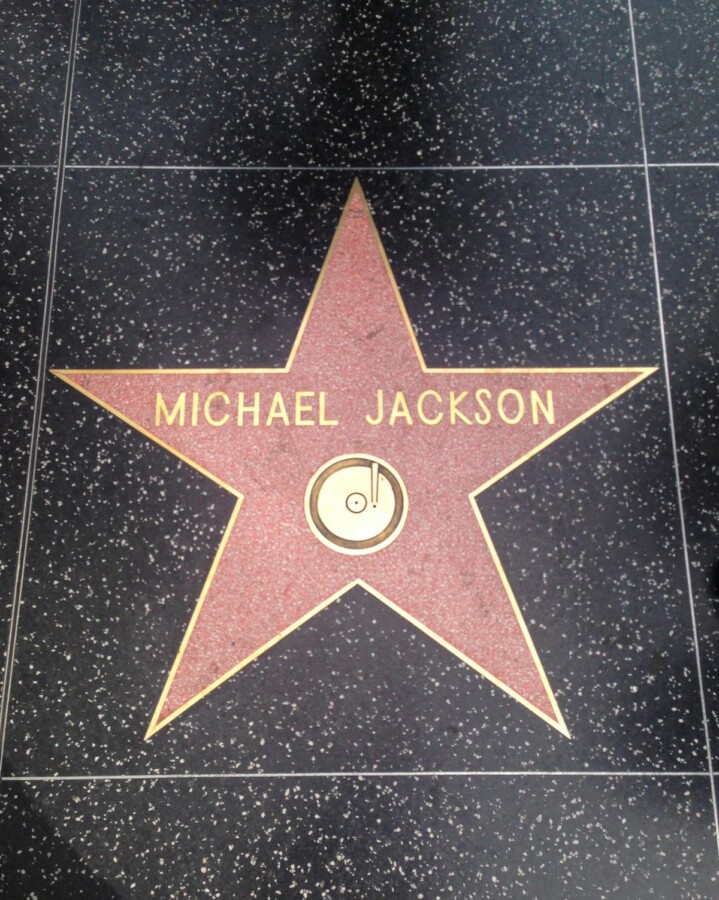
The Hollywood Walk of Fame runs along Hollywood Boulevard and Vine Street, with terrazzo stars recognizing work in film, television, recording, radio, live performance, and sports entertainment. The official count reached 2,852 stars in July 2026.
The most useful way to visit is to search the official directory for several names before arriving rather than walking the full route without a plan. The densest visitor area lies near TCL Chinese Theatre and Ovation Hollywood.
Plan your visit: The sidewalk is free, but the area can be crowded and uneven. Keep normal city awareness around traffic and personal belongings. A sightseeing tour can add context, though it is not necessary to see the stars.
18. TCL Chinese Theatre

TCL Chinese Theatre, opened in 1927 as Grauman’s Chinese Theatre, remains one of Hollywood’s best-known movie palaces. Its pagoda-inspired facade and Forecourt of the Stars preserve handprints, footprints, and signatures from generations of performers.
You can view much of the forecourt from the public area, but a guided tour adds access to the auditorium and details about premieres, architecture, and the origin of the concrete impressions. The building still operates as a cinema.
Plan your visit: Combine the theatre with the Walk of Fame and Hollywood Sign viewpoints rather than making three separate trips. Tour and screening schedules vary, so check the theatre calendar before arriving.
19. Walt Disney Concert Hall

Walt Disney Concert Hall is Frank Gehry’s stainless steel concert venue and the winter home of the Los Angeles Philharmonic. It opened in 2003 and is one of the strongest architectural contrasts to downtown’s older civic buildings.
Visitors without concert tickets can walk around the exterior, enter public areas when open, and visit the Blue Ribbon Garden. Self-guided or guided tour availability changes around rehearsals, performances, and private events.
Plan your visit: Check the LA Phil schedule on the day of your visit. The hall pairs well with The Broad, Grand Park, and the Civic Center, all within the same downtown area.
20. Getty Center
The Getty Center combines European art, modern architecture, gardens, and long views across Los Angeles. A tram climbs from the parking structure to Richard Meier’s hilltop campus, where galleries surround plazas and the Central Garden.
Admission is free, but the collection is large enough that trying to see every room can weaken the visit. Choose a few galleries, then leave time for the architecture and outdoor spaces.
Plan your visit: A timed-entry reservation is required. Parking was $25 per vehicle when verified in July 2026, with lower late-day rates. Several pavilion galleries were temporarily closed for renovation, so review the current closure list before choosing a date.
21. La Brea Tar Pits
La Brea Tar Pits preserve one of the world’s best-known Ice Age fossil sites in the middle of Los Angeles. Natural asphalt seeps trapped animals and plants over tens of thousands of years, and excavations still take place around Hancock Park.
The outdoor pits and active excavation areas explain why the site remains important even without a conventional museum visit. The grounds also sit beside the Los Angeles County Museum of Art and the Academy Museum, making this an easy cultural-district stop.
Plan your visit: The indoor museum is temporarily closed for a two-year reimagining as of July 2026, while many outdoor areas remain accessible. Do not buy an old third-party museum ticket without confirming that it matches the current operating plan.
22. Santa Monica Pier

The Santa Monica Pier has extended into the Pacific since 1909 and now combines beach views, fishing, street performers, restaurants, and Pacific Park’s solar-powered Ferris wheel. The Route 66 “End of the Trail” sign adds another recognizable photo stop.
Walking the pier is free, and you do not need an amusement-park ticket to enjoy the setting. Late afternoon gives you beach time before sunset, but it also brings larger crowds and parking demand.
Plan your visit: Use Metro and local transit when practical, or reserve parking time for heavy weekend traffic. The pier can anchor a wider day using these things to do in Santa Monica.
23. Disneyland Park
Disneyland Park opened on July 17, 1955, and remains the original Disney theme park. Sleeping Beauty Castle, Main Street, U.S.A., the Disneyland Railroad, and opening-day attractions such as Jungle Cruise connect the park’s history with its continuously changing lineup.
This is a full-day attraction rather than a quick landmark stop. The best plan prioritizes a small group of rides and shows, uses the official app for live operating information, and leaves room for meals and nighttime entertainment.
Plan your visit: Guests age three and older need both valid admission and a park reservation for the same park and date. Ticket prices are date-based and change frequently. Replace the current Disney California Adventure image with a properly licensed photograph of Sleeping Beauty Castle.
San Diego and California desert landmarks
San Diego’s cultural landmarks pair naturally with a later drive through Palm Springs, Joshua Tree, and Death Valley. Desert timing depends on heat, while San Diego requires attention to museum, zoo, and parking schedules.
24. San Diego Zoo

The San Diego Zoo occupies 100 acres in Balboa Park and is known for large, planted habitats, a guided bus tour, the Skyfari aerial tram, and an extensive conservation program. Giant pandas are again one of the headline exhibits.
The hilly layout makes route planning useful. Start with the habitats that matter most to you, use the bus or Skyfari to reduce backtracking, and allow at least half a day.
Plan your visit: The standard one-day ticket was $78 for adults and $68 for children when verified in July 2026, with no reservation required. Hours change seasonally. Continue planning with these things to do in San Diego.
25. Balboa Park
Balboa Park is a 1,200-acre urban park filled with gardens, Spanish Colonial Revival architecture, museums, theaters, walking paths, and the San Diego Zoo. The central El Prado corridor gives first-time visitors the clearest sense of the park’s design.
The grounds are open and free, but individual museums set their own admission and schedules. A focused day might combine two museums, the Botanical Building area, and a garden rather than trying to cover the entire park.
Plan your visit: The grounds are open 24 hours a day. Paid parking began in Balboa Park in January 2026 and is enforced during posted daytime hours, so check current rates or use transit.
26. Mission San Diego de Alcalá
Mission San Diego de Alcalá was founded in 1769 as the first of the 21 Spanish missions established in Alta California. The present complex includes a basilica, courtyards, museum displays, and reconstructed features that reflect several periods of building and restoration.
The mission should be read as both architectural history and a site of Spanish colonization tied to the history of the Kumeyaay people. Visitors attending worship enter for religious purposes; sightseeing follows separate visitor-center procedures.
Plan your visit: Adult visitor admission was $8 in July 2026. The San Diego Trolley stops within walking distance at Mission San Diego station, which avoids a separate driving stop.
27. Palm Springs Aerial Tramway

The Palm Springs Aerial Tramway climbs from the desert floor through Chino Canyon to Mountain Station at 8,516 feet. The rotating tram cars complete the trip in about 10 minutes and open onto observation decks, restaurants, a small museum, and more than 50 miles of mountain trails.
The temperature at the top is commonly 30 to 40 degrees Fahrenheit cooler than in Palm Springs. Bring a layer even on hot desert days, and wear trail shoes if you plan to walk beyond the station.
Plan your visit: Adult round-trip tickets were $36.95 including the online processing fee when verified in July 2026. The tram is scheduled to close for annual maintenance from September 8 through October 4, 2026. See more things to do in Palm Springs.
28. Joshua Tree National Park

Joshua Tree National Park brings together Joshua tree woodland, rounded granite formations, fan-palm oases, and broad desert basins. Keys View, Hidden Valley, Skull Rock, and Cholla Cactus Garden offer varied scenery without requiring a technical hike.
The park has limited water, shade, and mobile service. Autumn through spring brings the most comfortable temperatures and the heaviest demand, while summer heat narrows safe hiking options.
Plan your visit: No advance reservation is required to enter the park, but an entrance pass is. Most campgrounds and Keys Ranch tours require separate reservations. Carry water and download maps before arriving.
29. Death Valley National Park

Death Valley National Park contains Badwater Basin, 282 feet below sea level, along with salt flats, dunes, canyons, volcanic craters, and mountain overlooks. Zabriskie Point and Dante’s View are the most efficient stops for a first visit, while Mesquite Flat Sand Dunes and Artists Drive add very different terrain.
The park’s scale and climate are easy to underestimate. Fuel, water, shade, and mobile coverage are limited, and long drives separate major sights.
Plan your visit: The National Park Service advises against low-elevation summer hiking. Stay close to an air-conditioned vehicle, carry emergency water, and remain on paved roads during extreme heat. Use this guide to the best things to do in Death Valley.
How to plan a California landmarks road trip
A one-week statewide itinerary would trade most of the trip for driving. A more useful plan is to select one or two regional clusters, then use the California road-trip guide to connect them.
| Route | Useful trip length | Landmarks covered | Planning note |
|---|---|---|---|
| San Francisco and the Central Coast | 6-8 days | San Francisco, Muir Woods, Santa Cruz, Monterey, Big Sur, Hearst Castle | Fly into San Francisco; finish near San Luis Obispo or return inland |
| Los Angeles and Orange County | 4-6 days | Hollywood, Griffith Observatory, downtown Los Angeles, Getty Center, Santa Monica, Disneyland | Base in two areas to reduce cross-city driving |
| Yosemite, Sequoia, and Lake Tahoe | 7-10 days | Yosemite, General Sherman Tree, Lake Tahoe | Seasonal roads and snow can change the route |
| Redwoods and the far north | 3-5 days | Redwood National and State Parks, Prairie Creek, Crescent City coast | Best treated as a dedicated Northern California trip |
| San Diego and the deserts | 5-7 days | Balboa Park, San Diego Zoo, Mission San Diego, Palm Springs, Joshua Tree, Death Valley | Travel in cooler months for desert hiking |
Build the route around geography
- Keep San Francisco sights together and use public transportation where possible.
- Drive the Central Coast southbound when practical so ocean-view pullouts are on the passenger side.
- Do not combine Yosemite and the far-northern redwood parks in a short trip; the drive is longer than it appears on a state map.
- Split Los Angeles into Hollywood and Griffith Park, downtown, and Westside days.
- Schedule desert parks between late autumn and early spring when daytime temperatures are more manageable.
Allow margin for closures and congestion
Wildfire smoke, winter storms, extreme heat, coastal slides, road construction, and reservation sellouts can change a California itinerary. Keep at least one flexible day on a long trip, download offline maps, and avoid booking every driving segment back-to-back.
Choose lodging that reduces repeat driving
For city trips, location usually saves more time than a small difference in room rate. Compare where to stay in San Francisco and where to stay in Los Angeles before setting daily routes. For national parks and Big Sur, booking near the entrance or along the route can remove hours of duplicate driving.
California landmarks FAQ
What are the most famous landmarks in California?
The most famous California landmarks include the Golden Gate Bridge, Alcatraz Island, Yosemite National Park, the Hollywood Sign, Disneyland Park, Big Sur and Bixby Creek Bridge, Santa Monica Pier, Hearst Castle, Lake Tahoe, and the giant redwoods.
Which California landmarks require reservations?
Alcatraz ferry tickets, Muir Woods parking or shuttle access, Disneyland Park, the Getty Center, and Hearst Castle should be reserved in advance. Yosemite does not require timed entrance reservations in 2026, but lodging, camping, wilderness trips, and some activities still require separate bookings or permits.
Can you see California’s famous landmarks in one road trip?
You can combine several regions, but seeing all 29 landmarks would require a long and inefficient route. Two weeks would still feel rushed; three weeks is more realistic. Most travelers get a better trip by choosing the Bay Area and Central Coast, Los Angeles and San Diego, or the Sierra Nevada as a regional focus.
Which famous California landmarks are free?
Free options include walking the Golden Gate Bridge, viewing the Hollywood Sign, general admission to Griffith Observatory, the Hollywood Walk of Fame, Santa Monica Pier, the Presidio, California State Capitol Museum, and Balboa Park grounds. Parking, transportation, tours, rides, or special exhibits may still cost extra.
What is the best time of year to visit California landmarks?
Spring and autumn usually work best for coastal cities and road trips. Summer gives the broadest access to the Sierra Nevada but brings crowds and wildfire risk. Winter is the most comfortable season for Joshua Tree and Death Valley, while mountain roads may require chains or close after snow.
Do international visitors pay extra at Yosemite and Sequoia in 2026?
Yes. Non-U.S. residents age 16 and older pay the standard entrance fee plus a $100-per-person nonresident fee at Yosemite and Sequoia & Kings Canyon. A $250 nonresident America the Beautiful annual pass can cover the passholder and eligible companions under the pass rules.
Plan the rest of your California trip
California’s landmarks make the most sense when they support a route rather than become a checklist. Start with the region that matters most, confirm the limited-entry sites, then leave enough time for the coast, mountains, museums, or neighborhoods around each stop.
For broader context, see the guide to famous landmarks in the United States. You can also join the ViaTravelers newsletter for practical destination guides and trip-planning updates.