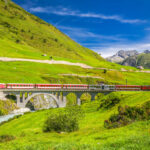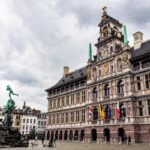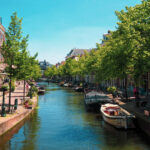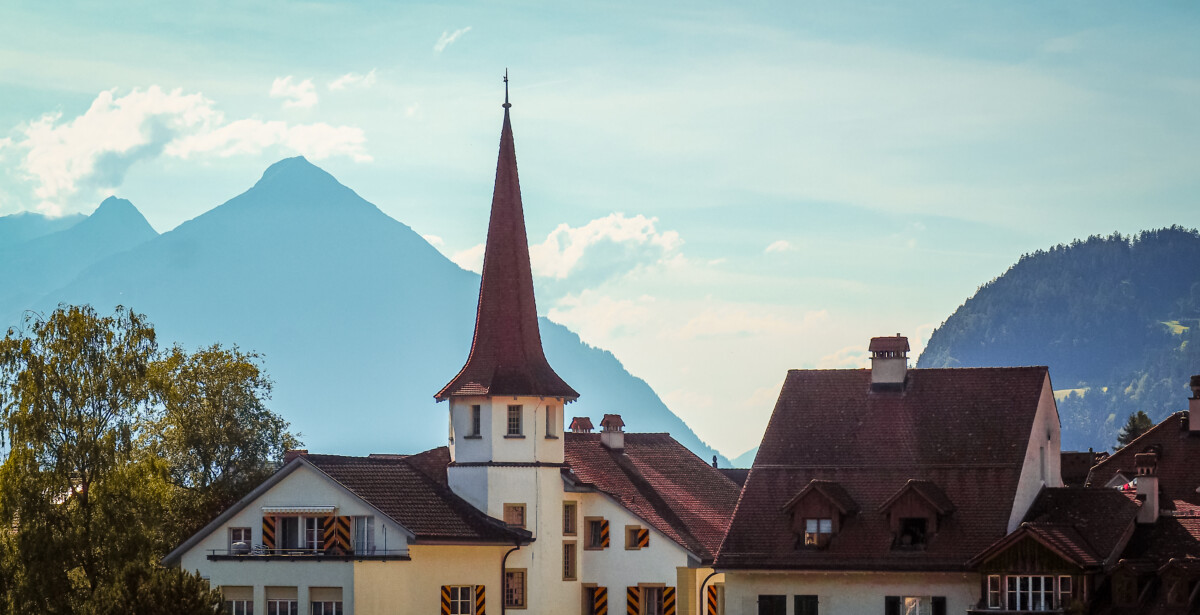
Lucerne is the best all-round choice for most first-time visitors looking for a beautiful town in Switzerland. It combines a historic center, Lake Lucerne, mountain excursions, and easy rail connections. Lauterbrunnen and Mürren are stronger for pure alpine scenery, Zermatt is the Matterhorn choice, Morcote offers the finest small-village setting on Lake Lugano, and Gruyères is the most satisfying medieval stop.
This guide uses “towns” broadly. It includes cities, towns, mountain resorts, and small villages because that matches how travelers plan a trip through Switzerland. The order is editorial, based on visual character, distinctiveness, public-transport access, regional variety, and how well each place fits a realistic itinerary.
Travel information was fact-checked against official tourism, UNESCO, and SBB sources in July 2026. Festival dates, trails, boats, cable cars, and mountain railways can change seasonally, so confirm current schedules before departure.
Quick answer: which Swiss town should you choose?
- Best overall for a first trip: Lucerne
- Best waterfall and valley scenery: Lauterbrunnen
- Best mountain icon: Zermatt
- Best car-free alpine village: Mürren
- Best medieval center: Gruyères
- Best small lakeside village: Morcote
- Best traditional architecture: Guarda
The 23 towns at a glance
| Town or village | Region | Best for | Car-free? | Suggested time |
|---|---|---|---|---|
| 1. Lucerne | Central Switzerland | First trips, lake and old town | No | 2 nights |
| 2. Lauterbrunnen | Bernese Oberland | Waterfalls and valley scenery | No | 2 nights |
| 3. Zermatt | Valais | Matterhorn and mountain railways | Yes | 2 to 3 nights |
| 4. Grindelwald | Bernese Oberland | Eiger views, hiking and skiing | No | 2 to 3 nights |
| 5. Bern | Canton of Bern | UNESCO architecture and city break | No | 1 to 2 nights |
| 6. Montreux | Lake Geneva, Vaud | Promenade, music and Chillon | No | 1 to 2 nights |
| 7. Morcote | Ticino | Lake Lugano and stone lanes | No | 1 night |
| 8. Mürren | Bernese Oberland | Car-free mountain views | Yes | 2 nights |
| 9. Wengen | Bernese Oberland | Families and Jungfrau access | Yes | 2 to 3 nights |
| 10. Interlaken | Bernese Oberland | Outdoor activities and transport | No | 2 to 3 nights |
| 11. Gruyères | Fribourg | Medieval architecture and food | Historic center | Half day to 1 night |
| 12. Thun | Bernese Oberland | Castle, lake and old town | No | 1 to 2 nights |
| 13. Spiez | Bernese Oberland | Bay, castle and vineyards | No | 1 night |
| 14. Appenzell | Appenzell Innerrhoden | Painted houses and traditions | Center only | 1 to 2 nights |
| 15. Guarda | Lower Engadine | Sgraffito and village architecture | No | 1 night |
| 16. Locarno | Ticino | Lake Maggiore and culture | No | 2 nights |
| 17. Sion | Valais | Fortress hills and wine country | No | 1 to 2 nights |
| 18. Chur | Graubünden | Historic center and scenic rail | Old Town | 1 to 2 nights |
| 19. Bettmeralp | Valais | Aletsch Glacier and families | Yes | 2 to 3 nights |
| 20. Andermatt | Uri | Mountain passes and winter sports | No | 1 to 2 nights |
| 21. Epesses | Lavaux, Vaud | Vineyard walks and lake views | No | Half or full day |
| 22. Boudry | Neuchâtel | Areuse Gorge and wine country | No | Full day |
| 23. Gstaad | Saanenland | Chalet architecture and recreation | No | 1 to 2 nights |
How these towns were selected
No objective formula can establish the prettiest town in Switzerland. This ranking uses five practical criteria:
- Visual character, including architecture, water, mountains, vineyards, or valley setting.
- A distinct identity rather than scenery that could describe dozens of other destinations.
- Enough cultural, outdoor, or historic interest to justify a meaningful stop.
- Reasonable public-transport access for an international traveler.
- Regional variety across German-, French-, Italian-, and Romansh-speaking Switzerland.
Some places rank highly because they work for nearly every first-time itinerary. Others earn a place because they show a side of Switzerland that Lucerne, Zermatt, and the Bernese Oberland cannot.
23 most beautiful towns in Switzerland
1. Lucerne

Lucerne is technically a city, but it is the best all-round answer to the town-focused search. Its compact center brings together the Reuss River, Chapel Bridge, painted old buildings, the Musegg Wall, and a lake framed by mountains. The main sights are close enough to cover on foot without reducing the visit to a single viewpoint.
Spend one day exploring the center and lakefront, then use a second for a boat trip or a mountain excursion. Our guide to the best things to do in Lucerne covers the city in more detail, while the Mount Pilatus Golden Round Trip explains one of its strongest day trips. The official Lucerne destination page is the best place to confirm current boat and mountain schedules.
Best for: first-time visitors who want a historic center, lake scenery, mountains, and simple transportation in one base. Plan on two nights.
2. Lauterbrunnen

Lauterbrunnen refers to both a small village and the steep-sided valley surrounding it. The valley contains 72 waterfalls, with Staubbach Falls dropping about 300 meters beside the village. Its scale is difficult to appreciate from photographs: vertical cliffs rise behind meadows, chalets, rail lines, and narrow roads along the valley floor.
The village is a practical transport base for reaching Wengen, Mürren, the Schilthorn area, and other parts of the Jungfrau Region. It is busier and more functional than car-free Mürren, but its valley-floor position makes transfers easier. Check the official Lauterbrunnen information for current waterfall access and mountain-transport details.
Best for: travelers who want the most dramatic valley scenery and convenient access to several mountain villages. Stay at least two nights.
3. Zermatt

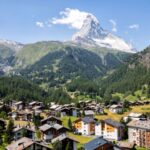
Zermatt sits beneath the 4,478-meter Matterhorn and has one of the most recognizable mountain settings in Europe. The village is car-free, though authorized electric vehicles and service traffic operate locally. Visitors arrive by train, while drivers leave their cars farther down the valley, commonly in Täsch.
The center contains traditional chalets, hotels, restaurants, and lanes that remain attractive even when the Matterhorn is behind clouds. Mountain railways and lifts lead toward Gornergrat, Sunnegga, and high-altitude ski and hiking areas. Our guide to the best things to do in Zermatt provides a fuller itinerary. Confirm operating conditions through the official Zermatt destination page.
Best for: travelers prioritizing the Matterhorn, high mountain excursions, skiing, and a car-free resort atmosphere. Allow two to three nights.
4. Grindelwald

Grindelwald fills a broad valley beneath the Eiger’s north face. It is larger and more developed than Mürren or Wengen, but the mountain backdrop is exceptional and the transport connections make it one of the Bernese Oberland’s most useful bases.
Popular outings include Grindelwald-First, the Glacier Canyon, winter ski areas, and the Eiger Express connection toward the Jungfraujoch route. Read our guides to things to do in Grindelwald and visiting Jungfraujoch before choosing excursions. The official Grindelwald page provides current seasonal information.
Best for: active travelers who want Eiger views, hiking, skiing, and faster access to major mountain infrastructure. Stay two to three nights.
5. Bern

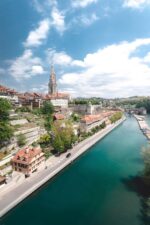
Bern is Switzerland’s federal city and de facto capital. Its Old Town occupies a loop of the Aare River and retains a coherent medieval street plan, sandstone arcades, fountains, towers, and red roofs. UNESCO added the Old City of Bern to the World Heritage List in 1983.
The Zytglogge clock tower, Federal Palace, cathedral, covered arcades, and river viewpoints make Bern more than an administrative stop. It also works well as a rail base for Thun, Fribourg, and parts of the Bernese Oberland. UNESCO’s Old City of Bern listing explains its architectural significance.
Best for: architecture, history, museums, and travelers who want a walkable Swiss city with easy rail links. One night is useful; two allow a slower visit.
6. Montreux

Montreux stretches along Lake Geneva beneath steep hills and vineyards. Its appeal comes from the long waterfront promenade, mountain views across the lake, Belle Époque hotels, music history, and access to nearby Château de Chillon.
The Montreux Jazz Festival normally takes place in July, but its exact dates and program change each year. The town also makes a convenient base for Vevey, Lausanne, Rochers-de-Naye, and the Lavaux vineyards. Check the official Montreux Riviera page for current events and transport.
Best for: lakefront walks, music, grand hotels, Chillon, and a milder-feeling base in western Switzerland. Stay one or two nights.
7. Morcote

Morcote is a former fishing village on a steep shore of Lake Lugano. Stone arcades line the waterfront, while narrow stepped lanes climb between old houses, gardens, and the church complex above the village. Its Italian-speaking setting feels markedly different from central and northern Switzerland.
Morcote was voted Switzerland’s most beautiful village in 2016, though that title is better treated as an accolade than a permanent national verdict. It works as a day trip from Lugano by bus, boat when operating, or a combination of the two. The official Morcote guide has current local information. Travelers coming from northern Italy can also review these day trips from Lake Como to Switzerland.
Best for: a small lakeside village, stone architecture, gardens, and a slower Ticino stay. One night lets you see it after day visitors leave.
8. Mürren

Mürren occupies a high terrace above Lauterbrunnen Valley and faces the Eiger, Mönch, and Jungfrau. The village has no public road access, so visitors arrive through rail and cable-car connections from the valley. That separation gives Mürren a calmer atmosphere than larger mountain resorts.
The village is a base for the Schilthorn, Allmendhubel, hiking routes, and winter sports. Its views are immediate, so a visitor does not need to complete an expensive summit excursion to appreciate the setting. Review the official Mürren destination information before choosing a seasonal route.
Best for: a car-free overnight stay, direct mountain views, and travelers who prefer a smaller village to Interlaken or Grindelwald. Stay two nights.
9. Wengen

Wengen is another car-free village above Lauterbrunnen Valley. It is reached by the Wengernalp Railway and offers a broad mix of chalets, hotels, family facilities, walking routes, and winter-sports access. The village feels more established as a resort than Mürren while remaining substantially quieter than Interlaken.
Männlichen, Kleine Scheidegg, and the wider Jungfrau Region are the major draws. Wengen is better treated as an overnight base than a rushed day trip from Zurich or Lucerne. Consult the official Wengen page and our Jungfraujoch planning guide before booking mountain excursions.
Best for: families, railway travelers, winter sports, and a car-free base with simpler village services than Mürren. Allow two to three nights.
10. Interlaken

Interlaken lies between Lake Thun and Lake Brienz and functions as the Bernese Oberland’s main transport and adventure hub. Its center is less architecturally intact than Bern, Gruyères, or Lucerne, but its connections and mountain views earn it a place on the list.
Trains, boats, buses, and mountain routes spread from the town toward Lauterbrunnen, Grindelwald, Brienz, Thun, and other regional destinations. Paragliding, hiking, rafting, and lake trips give travelers alternatives when high mountain viewpoints are cloudy. Our guide to things to do in Interlaken covers the practical options, while the official Interlaken page provides current information.
Best for: travelers prioritizing transportation, outdoor activities, and a wide range of lodging over a small-village atmosphere. Stay two to three nights.
11. Gruyères

Gruyères has a compact, car-free historic center arranged along a cobbled main street below Château de Gruyères. The medieval architecture is unusually cohesive, and the surrounding green hills make the town more than a preserved architectural display.
The castle, HR Giger Museum, Tibet Museum, regional cheese, and nearby Maison du Gruyère can fill most of a day. The contrast between medieval buildings and Giger’s surrealist work gives the stop an identity beyond cheese and castle photographs. See the official Gruyères destination page and our collection of fairy-tale towns in Europe.
Best for: medieval architecture, museums, regional food, and a rewarding stop between Lake Geneva and central Switzerland. Plan a full day or one night.
12. Thun

Thun sits where the Aare River leaves Lake Thun. A hilltop castle rises above the old center, while riverfront streets, covered bridges, squares, and lake views create a compact destination that feels more historic than Interlaken.
Thun works well as a day trip from Bern or as the starting point for a boat journey toward Spiez and Interlaken. Staying overnight makes sense for travelers who want lake access without using Interlaken as their base. The official Thun destination page covers the principal sights and current transport options.
Best for: a castle town with rail convenience, a real old center, and direct access to Lake Thun. Stay one or two nights.
13. Spiez

Spiez curves around a sheltered bay on Lake Thun. Its castle, old church, vineyards, marina, and mountain backdrop form one of the most balanced lake views in Switzerland. The town is quieter than Interlaken and less urban than Thun.
Rail and scheduled boats make Spiez easy to combine with Bern, Thun, and Interlaken. A day trip is sufficient for the castle and waterfront, but an overnight stay gives the bay a calmer rhythm after the daytime boat traffic declines. Check the official Spiez guide for castle and boat schedules.
Best for: lake views, vineyards, a quiet overnight stop, and travelers who find Interlaken too busy. One night is usually enough.
14. Appenzell

Appenzell is known for painted facades, compact pedestrian streets, traditional shops, and a strong regional identity. Its buildings are colorful without feeling like a staged resort, and the town provides an accessible introduction to the customs of Appenzell Innerrhoden.
The Appenzell Museum, Landsgemeindeplatz, local food traditions, and nearby Alpstein mountains give the town enough substance for an overnight stay. It also pairs well with hiking or cable-car outings toward Ebenalp and Hoher Kasten. Use the official Appenzell destination page for current regional information.
Best for: traditional facades, regional culture, food, and access to the Alpstein mountains. Stay one or two nights.
15. Guarda

Guarda is a small Lower Engadine village known for substantial 17th-century houses decorated with sgraffito, painted details, carved doors, and deep-set windows. Its architecture is the main attraction, and the surrounding valley prevents the village from feeling like an isolated open-air museum.
Guarda is also associated with the Swiss children’s story Schellen-Ursli. Visitors can walk through the village in a few hours, but an overnight stay offers more time for local trails and the wider Engadine landscape. The official Guarda guide explains its architectural and cultural context. It also belongs on a broader list of less obvious places in Switzerland.
Best for: architecture, photography, quiet streets, and travelers exploring the Lower Engadine. Stay one night.
16. Locarno

Locarno occupies the northern shore of Lake Maggiore in Italian-speaking Ticino. Piazza Grande, narrow lanes, waterfront parks, and the mountains rising behind the lake give it a distinctly southern atmosphere.
The Locarno Film Festival generally takes place in August and uses Piazza Grande for major outdoor screenings. Other worthwhile outings include the sanctuary above town and the botanical gardens on the Brissago Islands. These islands are botanical gardens, not a national park. Confirm current events and boat service through the official Locarno destination page.
Best for: Lake Maggiore, Italian-speaking Switzerland, cultural events, gardens, and a milder-feeling city base. Stay two nights.
17. Sion

Sion is the capital of Valais and one of Switzerland’s most visually distinctive small cities. The ruined Tourbillon Castle and fortified Valère complex rise on separate hills above the old center, creating a skyline unlike any other destination on this list.
The surrounding Rhône Valley is one of Switzerland’s principal wine regions, and vineyards climb the dry slopes around the city. Sion works well between Lake Geneva and Zermatt, particularly for travelers who want history and wine-country scenery without another high-altitude resort. See the official Sion information for current site access.
Best for: castles, vineyard scenery, a walkable old center, and a useful stop on a western Valais route. Stay one or two nights.
18. Chur

Chur is promoted as Switzerland’s oldest city and serves as the capital of Graubünden. Its pedestrian old center includes narrow streets, painted buildings, fountains, churches, and a cathedral quarter at the base of the mountains.
The city is also an important gateway to Graubünden and major scenic rail routes, including services associated with the Bernina and Glacier Express corridors. This makes it more useful than its compact center might suggest. Consult the official Chur destination guide before planning onward rail travel.
Best for: combining a historic center with scenic rail travel and access to eastern Switzerland. One or two nights is sufficient.
19. Bettmeralp

Bettmeralp is a car-free mountain village reached by cable car from the Rhône Valley. Chalets spread across a sunny plateau above the Aletsch Glacier region, with ski slopes and walking routes starting close to the village.
The Bettmerhorn area provides access to views over the Great Aletsch Glacier, while the village’s compact design is practical for families. Bettmeralp is less internationally famous than Zermatt, but it can provide a more self-contained mountain stay. Review the official Bettmeralp information for cable-car and seasonal details.
Best for: families, a car-free resort, winter sports, and access to the Aletsch Glacier region. Stay two to three nights.
20. Andermatt

Andermatt lies in the Urseren Valley near several historic Alpine routes, including the Gotthard, Oberalp, and Furka corridors. The old village, surrounding peaks, and Schöllenen Gorge give it a stronger geographic identity than its modest size suggests.
The destination has expanded as a ski and resort center, but it also works for summer hiking, pass drives, cycling, and scenic rail journeys. Travelers should distinguish between the traditional center and newer resort development when selecting accommodation. Current regional details are available through the official Andermatt page.
Best for: mountain passes, winter sports, rail journeys, and travelers crossing central Switzerland. Stay one or two nights.
21. Epesses

Epesses is a wine village within the UNESCO-listed Lavaux Vineyard Terraces above Lake Geneva. Stone houses, narrow lanes, rail lines, vineyard paths, and broad lake views define the village more than major individual attractions.
The best reason to visit is to walk through the surrounding terraces and connect Epesses with nearby Lavaux villages rather than treating it as a conventional sightseeing stop. UNESCO’s Lavaux Vineyard Terraces listing explains how generations shaped the slopes into the current cultural landscape.
Best for: vineyard walks, Lake Geneva views, wine culture, and a half-day trip from Lausanne, Vevey, or Montreux.
22. Boudry

Boudry is included less for its center than for its position near vineyards, a castle, and the Areuse Gorge. The gorge route follows the river through cliffs, forest, stone bridges, stairs, and narrow passages before reaching the Boudry area.
The complete gorge walk is about 11 kilometers and is generally presented as a May-to-October outing. Wet conditions, stairs, and exposed walkways make proper footwear important, and the route is not appropriate for every mobility level. Check the official Areuse Gorge information before setting out. Boudry also fits a wider search for less-visited Swiss destinations.
Best for: hikers, gorge scenery, vineyards, and travelers already exploring Neuchâtel. Set aside a full day.
23. Gstaad

Gstaad is often reduced to luxury hotels and celebrity visitors, but its visual appeal comes from chalet-style architecture and the broad Saanenland mountain setting. The village center is polished, while the surrounding region contains working communities, hiking routes, cycling, skiing, and smaller settlements.
Accommodation can be expensive, especially during peak winter and event periods, but the area is not limited to five-star travelers. Regional rail connections make it possible to stay elsewhere in the Saanenland. Consult the official Gstaad destination site for current summer and winter information, and review these scenic cycling destinations for broader trip inspiration.
Best for: chalet architecture, skiing, hiking, cycling, and travelers who want a polished resort with a wider mountain region around it. Stay one or two nights.
How to choose the right Swiss town
Trying to rank every place by beauty alone makes the decision harder. Choose according to the type of trip you are actually planning:
- Choose Lucerne for the most balanced first visit.
- Choose Lauterbrunnen, Mürren, or Grindelwald for dramatic Bernese Oberland scenery.
- Choose Zermatt if seeing the Matterhorn is a trip priority.
- Choose Bern or Gruyères for medieval architecture.
- Choose Montreux, Morcote, or Locarno for lakeside scenery and a southern or western atmosphere.
- Choose Guarda or Appenzell for traditional regional architecture.
- Choose Wengen or Bettmeralp for a family-oriented, car-free mountain base.
- Choose Interlaken when transport convenience and outdoor activities matter more than an intact historic center.
Two practical routes connecting the towns
A first-time seven-day route
- Days 1 and 2: Lucerne. Explore the old center, lake, and one mountain excursion.
- Day 3: Bern. Walk the Old Town and stay overnight or continue toward the Bernese Oberland.
- Days 4 to 7: One Bernese Oberland base. Choose Lauterbrunnen, Wengen, Mürren, Grindelwald, or Interlaken. Visit nearby villages as day trips rather than changing hotels every night.
Thun and Spiez can be added by train or boat when moving between Bern and the mountain region. See our broader guide to the best places to visit in Switzerland before extending the route.
A nine- or ten-day western and southern route
- Days 1 and 2: Montreux and Epesses. Combine the Lake Geneva promenade, Chillon area, and Lavaux vineyards.
- Day 3: Sion. Visit the old center and fortress hills.
- Days 4 and 5: Zermatt. Allow a weather buffer for mountain views.
- Day 6: Cross-country travel day. The trip toward Ticino is long, so check schedules before committing to the route.
- Days 7 to 9: Locarno and Morcote. Use Locarno or Lugano as the practical base.
- Day 10: Depart through Zurich, Milan, or another gateway that matches the onward trip.
The second route prioritizes regional contrast but includes a substantial transfer. Travelers who dislike long rail days should split western Switzerland and Ticino into separate trips.
How to get around Switzerland

Most travelers do not need a car for this list. Switzerland’s coordinated trains, PostBuses, boats, local transit, mountain railways, and cable cars reach nearly every destination covered here. Use the official SBB timetable to compare complete door-to-door journeys rather than checking train segments separately.
The Swiss Travel Pass can be convenient for international visitors taking frequent trains, buses, and boats. It is not automatically the cheapest option. Compare its current price and mountain-transport benefits with saver fares, regional passes, and point-to-point tickets for the exact itinerary.
A rental car can help with remote multi-stop routes, luggage-heavy trips, or Alpine pass drives, but it cannot be used inside Zermatt, Mürren, Wengen, or Bettmeralp. Parking, one-way charges, and urban restrictions can also erase the apparent convenience. These useful European travel apps can simplify timetables and navigation.
Zurich and Geneva are the most common international air gateways for this itinerary, with Basel also useful for some routes. There is little practical reason to fly between Swiss cities on a sightseeing trip when rail service is available.
Best time to visit Switzerland’s towns
June through September
Summer provides the broadest access to hiking routes, lakes, high passes, boats, and mountain railways. It is also the busiest and often the most expensive period in Lucerne, Zermatt, the Bernese Oberland, and Lake Geneva destinations.
December through March
Winter is the stronger choice for Zermatt, Grindelwald, Wengen, Mürren, Bettmeralp, Andermatt, and Gstaad when skiing or snow scenery is the priority. Lower-elevation towns such as Bern, Lucerne, and Montreux may be cold without having persistent snow.
April, May, October, and November
Shoulder seasons can offer quieter streets and lower accommodation demand, but they require more planning. Some mountain lifts, hotels, restaurants, trails, and boats close between their main summer and winter seasons. Confirm each high-altitude excursion rather than assuming the entire regional network operates year-round.
Book the practical parts after choosing your route
Choose your bases before booking individual attractions. A two-night stay in one mountain village is usually more useful than separate one-night reservations in Lauterbrunnen, Wengen, and Grindelwald.
Affiliate disclosure: ViaTravelers may earn a commission if you book through selected links below. This does not increase your price, and the commercial links do not affect the destination order.
Before committing to a booking platform, compare cancellation terms, taxes, room type, and payment timing. Our guide to the best hotel-booking websites for Europe explains the tradeoffs among major services.
Frequently asked questions
What is the most beautiful town in Switzerland?
Lucerne is the best all-round choice for most first-time visitors because it combines a historic center, a lake, mountain views, and easy rail connections. Lauterbrunnen or Mürren is a stronger choice for alpine scenery, Morcote for a small lakeside village, and Gruyères for medieval architecture. Beauty is subjective, so the best answer depends on the type of trip you want.
Which villages in Switzerland are car-free?
Zermatt, Mürren, Wengen, and Bettmeralp are the principal car-free destinations on this list. Gruyères has a car-free historic center, and central Appenzell is pedestrian-focused. Car-free does not always mean vehicle-free: emergency, service, agricultural, and authorized local vehicles may still operate.
How many Swiss towns can you visit in one week?
Most travelers should use three or four bases in one week and visit nearby towns as day trips. A sensible first route is Lucerne, Bern, and one Bernese Oberland base, with day trips to places such as Lauterbrunnen, Wengen, Grindelwald, Thun, or Spiez. Trying to cover all 23 would create far more transit than useful sightseeing time.
Do you need a car to visit Switzerland’s towns?
No. Trains, PostBuses, boats, local transit, mountain railways, and cable cars reach nearly every destination in this guide. A car can help with remote multi-stop routes or Alpine pass drives, but it cannot enter car-free resorts such as Zermatt, Mürren, Wengen, and Bettmeralp.
What is the best time to visit the towns in Switzerland?
June through September provides the widest access to hiking, lakes, boats, and mountain transport. December through March is better for ski villages and winter scenery. April, May, October, and November are quieter, but some mountain lifts, hotels, trails, and restaurants close between seasons.
More Switzerland planning
- Best mountains in Switzerland
- Famous landmarks in Switzerland
- Day trips from Lake Como to Switzerland
- Best things to do in Zurich
- Where to stay in Zurich
Switzerland rewards a selective route. Pick one lakeside destination, one mountain base, and one historic center, then leave enough time for weather changes and the journeys between them.