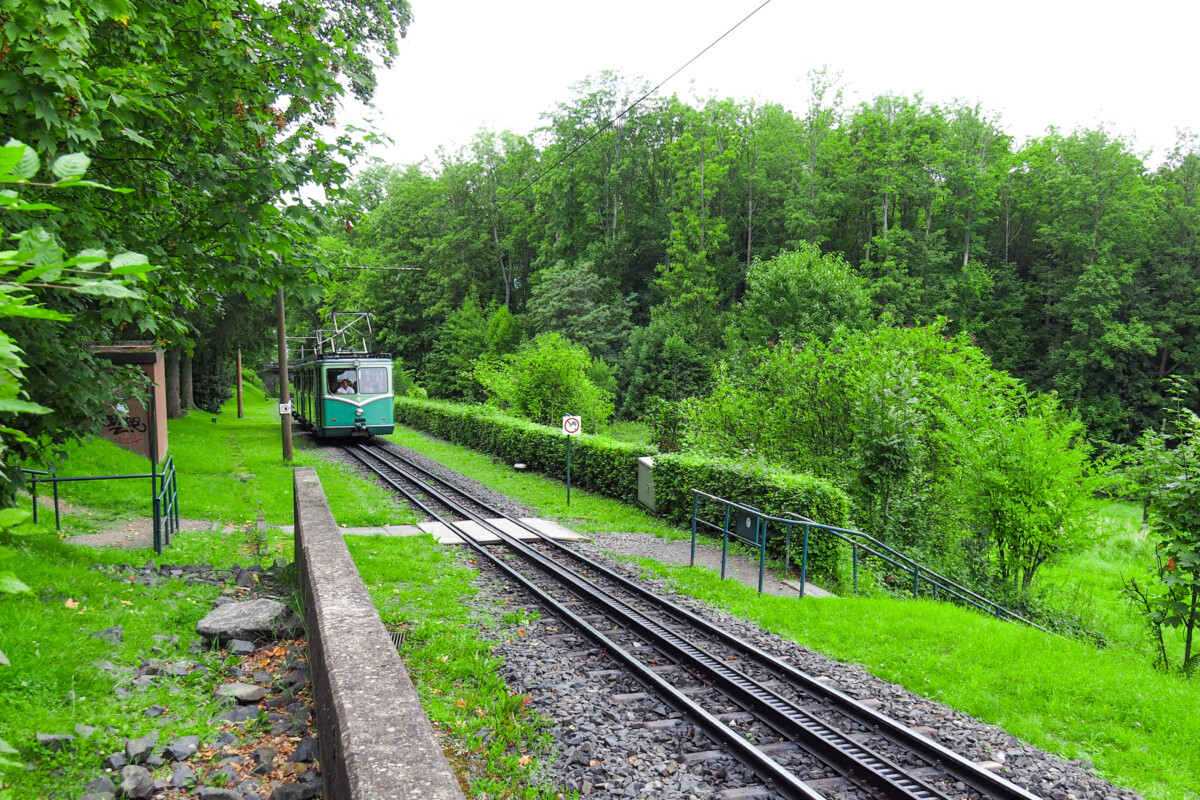
Bernkastel-Kues sits on both banks of the Mosel River in Rhineland-Palatinate, roughly midway between Trier and Koblenz. The town is split into Bernkastel on the east bank, with its celebrated medieval market square, and Kues on the west bank, birthplace of philosopher Nicholas of Cusa. Together they form one of the Mosel Valley’s most visited wine destinations.
What is Bernkastel-Kues known for?
Bernkastel-Kues is best known for its exceptionally preserved half-timbered Marktplatz in Bernkastel, its steep-slate-soil Riesling vineyards — most famously the Bernkasteler Doctor — and its role as the cultural and viticultural heart of the Middle Mosel wine region. The Marktplatz, ringed by 16th- and 17th-century timber-framed houses, is considered one of the finest market squares in Germany. The Bernkasteler Doctor vineyard rises directly above the town and produces Rieslings that regularly rank among Germany’s most expensive and sought-after wines.
Best things to do in Bernkastel-Kues
The essential activities in Bernkastel-Kues range from wine tasting in historic Weinstuben to hiking the slate ridges above the Mosel.
- Walk the Marktplatz and examine the Renaissance Rathaus and the pointed Spitzhäuschen, a dramatically narrow half-timbered house.
- Visit Burg Landshut, the ruined 14th-century castle above Bernkastel, reached by a 20-minute uphill path from the Marktplatz.
- Tour the Cusanus-Stift in Kues, a 15th-century charitable foundation and hospital built by Nicholas of Cusa, which still houses a wine cellar and chapel.
- Explore the Mosel Wine Museum (Moselweinmuseum) in Kues, dedicated to the history and culture of Mosel viticulture.
- Take a Mosel river cruise departing from the Bernkastel-Kues landing stage near the Gestade promenade.
Where to eat and drink in Bernkastel-Kues
The best eating and drinking in Bernkastel-Kues centers on traditional Moselle cuisine — river fish, Saumagen, and Flammkuchen — paired with local estate Rieslings in Weinstuben lining the Marktplatz and Burgstraße.
- Weinstuben on and around the Marktplatz serve Riesling Spätlese and Auslese wines by the glass alongside regional dishes.
- Spätburgunder (Pinot Noir) from the Mosel is also available and worth trying alongside grilled trout from the river.
- The annual Bernkastel-Kues Wine Festival in early September fills the riverside and Marktplatz with tastings from dozens of Mosel estates.
Where to walk in Bernkastel-Kues
The most rewarding walks in Bernkastel-Kues follow either the Mosel riverside promenade along the Gestade or the vineyard paths climbing toward Burg Landshut and the Bernkasteler Doctor site above the town.
- The Gestade promenade on the Bernkastel bank runs along the river offering direct views across to Kues and the vine-covered slopes.
- The Moselsteig long-distance trail passes through the area, with sections linking Bernkastel-Kues to neighboring wine villages such as Graach and Wehlen.
- The bridge connecting Bernkastel and Kues, the Moselbrücke, provides a central crossing point and panoramic river views.
How to get to Bernkastel-Kues
Bernkastel-Kues has no direct rail station; the most practical public-transport access is by regional bus from Wittlich or Bernkastel-Kues Schulzentrum bus stops, with Wittlich Hauptbahnhof on the Eifel Railway serving as the nearest train connection.
- Wittlich Hbf is approximately 20 km away and is served by regional trains on the Eifel Railway (Köln–Trier line).
- Regional buses (Moselbahn/RVK network) connect Wittlich Hbf to Bernkastel-Kues several times daily.
- By car, Bernkastel-Kues is reached via the B53 Mosel Valley road; Trier is about 50 km southwest, Koblenz about 100 km northeast.
- River cruise boats on the Mosel stop at the Bernkastel-Kues landing stage seasonally.
Best time to visit Bernkastel-Kues
The best time to visit Bernkastel-Kues is late spring through autumn (May–October), when the vineyards are green or gold, the river cruise season is active, and the early-September Wine Festival draws visitors to the Marktplatz and waterfront.
- The Wine Festival (Weinfest) in early September is the year’s largest event, with wine tastings, music, and a fireworks display over the Mosel.
- Late October brings harvest color to the steep slate vineyards visible from the Marktplatz and castle path.
- Winter is quiet but the half-timbered architecture is atmospheric; a Christmas market operates on the Marktplatz in December.