Coyoacán is one of Mexico City’s oldest boroughs, retaining its colonial-era street grid, low-rise architecture, and vibrant plaza life just 10 kilometers south of the historic center. The neighborhood served as Hernán Cortés’s headquarters after the fall of Tenochtitlan and later became home to artists Frida Kahlo and Diego Rivera, shaping its enduring identity as a cultural and intellectual hub.
What is Coyoacán known for?
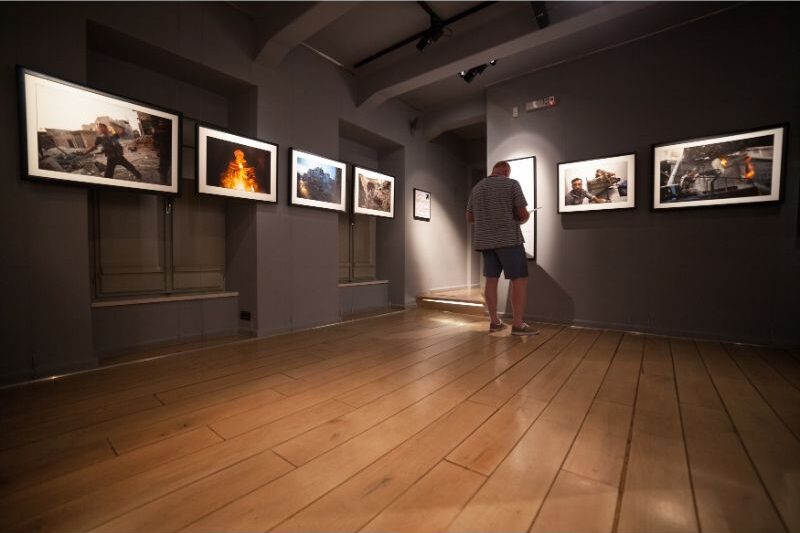
Coyoacán is best known for the Museo Frida Kahlo (Casa Azul) on Londres Street, the Museo Casa de León Trotsky on Viena Street, its twin colonial plazas Jardín Hidalgo and Jardín Centenario, and a lively weekend tianguis artisan market that fills the surrounding streets with crafts, textiles, and street food every Saturday and Sunday.
- Museo Frida Kahlo (Casa Azul), Londres 247
- Museo Casa de León Trotsky, Viena 45
- Jardín Hidalgo and Jardín Centenario plazas
- Weekend artisan and antique markets near the plazas
- Mercado de Coyoacán, covered market on Ignacio Allende
Best things to do in Coyoacán
The top experiences in Coyoacán include touring Casa Azul to see Kahlo’s original studio and personal artifacts, visiting the Anahuacalli Museum (Diego Rivera’s volcanic-stone pyramid collection of pre-Hispanic art), exploring the Viveros de Coyoacán nursery park on weekends, and browsing the stalls of the Bazar Artesanal de Coyoacán for handmade jewelry, textiles, and folk art.
- Book Casa Azul tickets in advance; queues form early on weekends
- Anahuacalli Museum sits a short taxi or metrobús ride south
- Viveros de Coyoacán is a 40-hectare urban forest and jogging park
- Sunday Bazar Artesanal fills streets around Jardín Hidalgo
Where to eat in Coyoacán
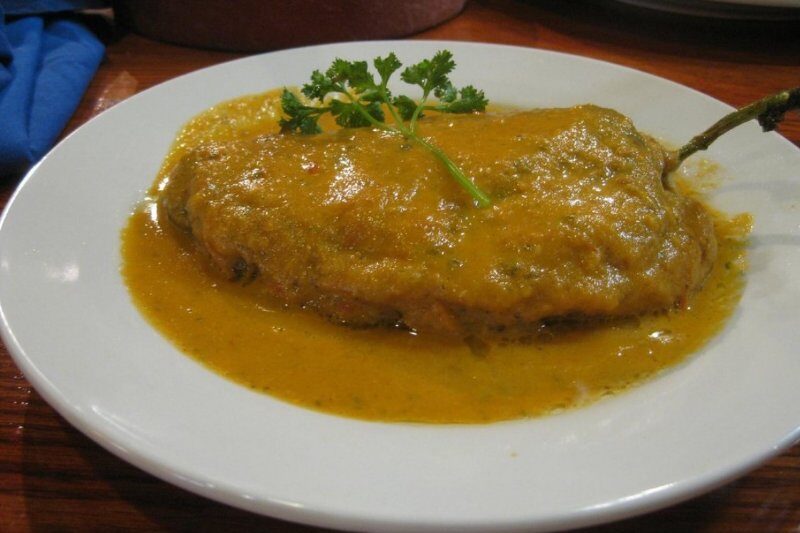
Coyoacán’s Mercado de Coyoacán on Ignacio Allende concentrates the neighborhood’s most authentic street food, including tostadas de tinga and ceviche at the market’s famous tostada stalls, carnitas served by weight, and fresh-squeezed juices; the streets around Jardín Centenario offer sit-down cafes and restaurants serving Mexican classics and craft coffee.
- Tostadas at Mercado de Coyoacán tostada stalls — a local institution
- Carnitas by the kilo from market butcher stalls
- Café El Jarocho on Cuauhtémoc, a legendary open-air coffee counter
- Gorditas, tlayudas, and elotes from plaza-side street vendors
How to get to Coyoacán
The easiest public transit option is Metro Line 3 (olive/green) to Viveros or Coyoacán stations, both within a 10–15 minute walk of Jardín Hidalgo; Metrobús Line 1 stops at Dr. Gálvez, also connecting to the neighborhood from the north, and pesero (microbus) routes run along División del Norte and Miguel Ángel de Quevedo.
- Metro Line 3: Viveros station or Coyoacán station
- Metrobús Line 1: Dr. Gálvez stop
- Metro Line 3: Miguel Ángel de Quevedo station (northwest edge)
- Ride-share apps (Uber, DiDi) widely used for door-to-door access
Where to walk in Coyoacán
The core walking route runs from Jardín Centenario east along Francisco Sosa — one of Mexico City’s most picturesque colonial streets — past 17th-century houses, small plazas, and the Capilla de San Antonio Panzacola to the edge of San Ángel district; a second loop connects Casa Azul, the Trotsky Museum, and Mercado de Coyoacán through quiet residential calles.
- Francisco Sosa street: colonial facades, tree-lined, car-light
- Londres and Viena streets linking the two major museums
- Viveros de Coyoacán paths for a shaded green-space walk
Best time to visit Coyoacán
Weekends between October and March offer the most comfortable conditions — mild dry-season temperatures around 18–22°C, fully operating markets, and festive plaza life — though weekday mornings are significantly less crowded for museum visits; the Day of the Dead celebration (late October–early November) transforms the plazas with elaborate ofrendas and draws large crowds.
- Dry season (Nov–Apr): clearest skies, coolest evenings
- Weekday mornings: shortest queues at Casa Azul
- Day of the Dead (Oct 31–Nov 2): major community altars and events
- Avoid weekend afternoons in peak season for plaza congestion