

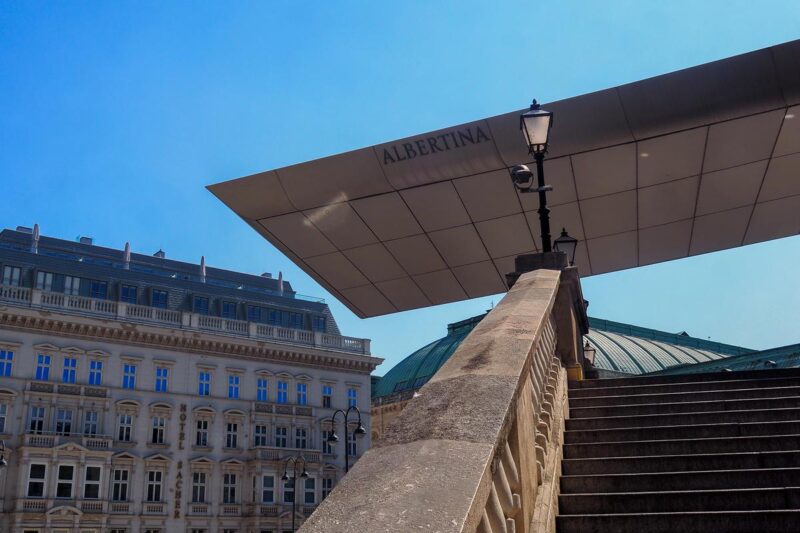
Innere Stadt
Vienna’s 1st district and imperial core — St. Stephen’s Cathedral, the Hofburg, the State Opera, and the grand Ringstrasse, all within a walkable historic center.
The ViaTravelers atlas · Neighborhoods
Find the atmosphere, everyday details, and local connections that help you choose a base and explore beyond it.
547 published guides and stories to explore
Vienna’s 1st district and imperial core — St. Stephen’s Cathedral, the Hofburg, the State Opera, and the grand Ringstrasse, all within a walkable historic center.
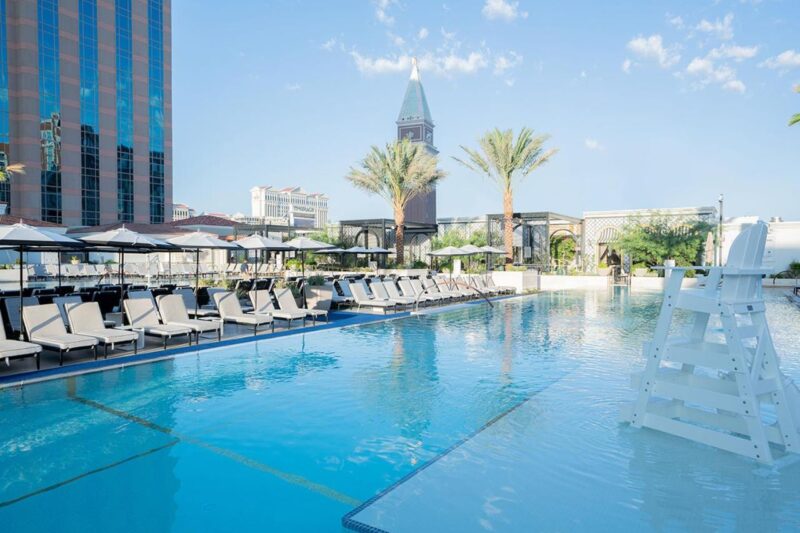
Verona’s UNESCO-listed old town on a bend of the Adige — the Roman Arena, Juliet’s House, and marble piazzas layering two thousand years of history.
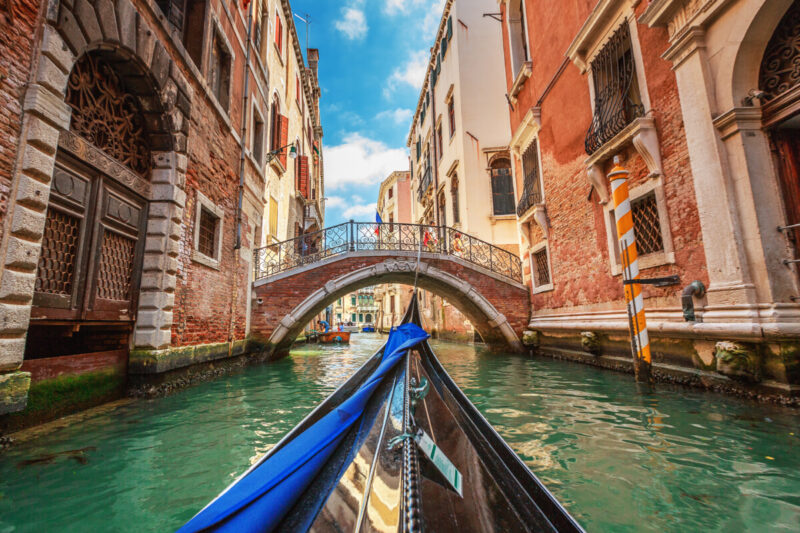
The heart of Venice — Piazza San Marco, St. Mark’s golden-mosaic Basilica, the Doge’s Palace, and the Bridge of Sighs, the city’s grandest and most iconic sestiere.

Vancouver’s oldest neighborhood — cobblestone streets, Victorian brick warehouses turned boutiques and restaurants, and the landmark steam-powered Gastown clock.
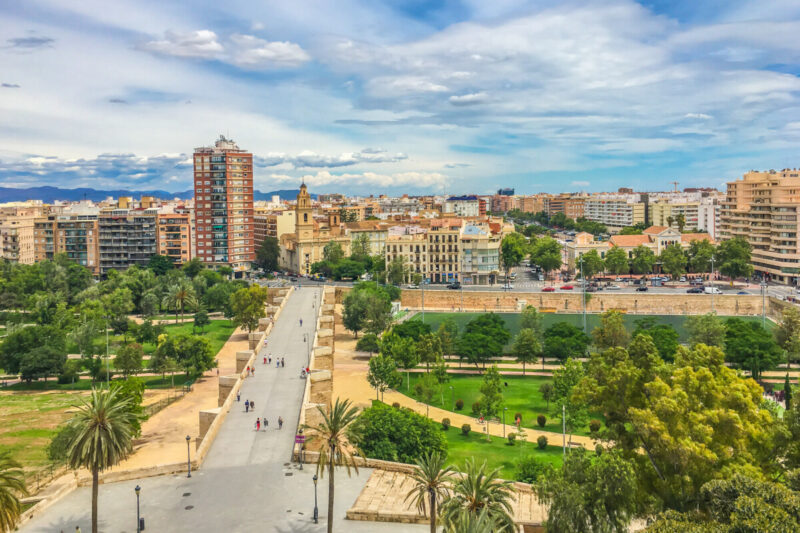
Valencia’s most creative barrio — a former working-class quarter of Moorish roots now full of street art, indie boutiques, and a buzzing food scene around the Ruzafa Market.
A seaside, authentic, modernist neighborhood ideal for architecture lovers, beachgoers, foodies.

Vail’s pedestrian-only, Bavarian-style heart at the base of Vail Mountain — cobblestone streets, upscale dining and shopping, and a gateway to the legendary Back Bowls.

A charming, green, peaceful neighborhood ideal for architecture lovers, those seeking tranquility, couples.
Utrecht’s oldest canal — a two-tiered 12th-century waterway whose wharf-level cellars now house cafés and bars beneath the Dom Tower, the Netherlands’ tallest church spire.
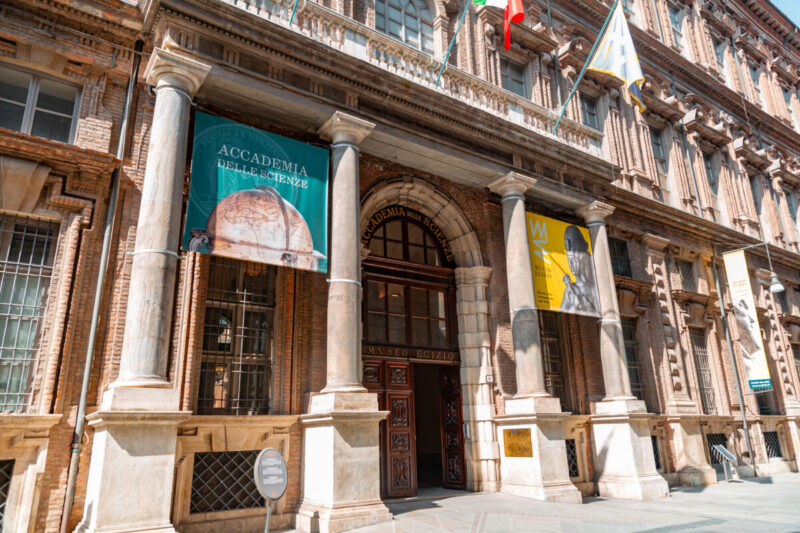
Turin’s multicultural, bohemian quarter between the Po and the railway — the green Parco del Valentino, an 1884 neo-Moorish synagogue, and a buzzing global food and nightlife scene.
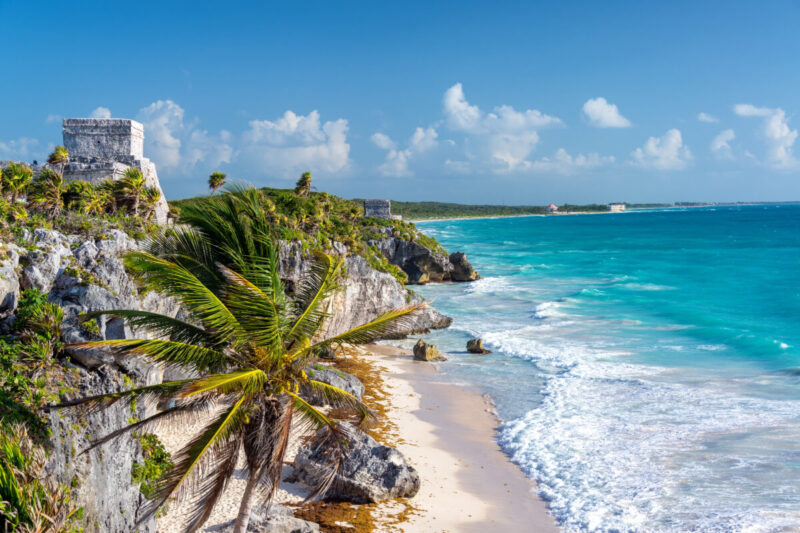
Tulum’s polished, master-planned neighborhood between downtown and the beach zone — modern condos, wellness studios, and the free Cenote Aldea Zama, a favorite of digital nomads.

Tucson’s walkable downtown — a Sonoran-desert city center of adobe and Art Deco architecture, a celebrated Mexican-rooted food scene, and the Hotel Congress music venue.
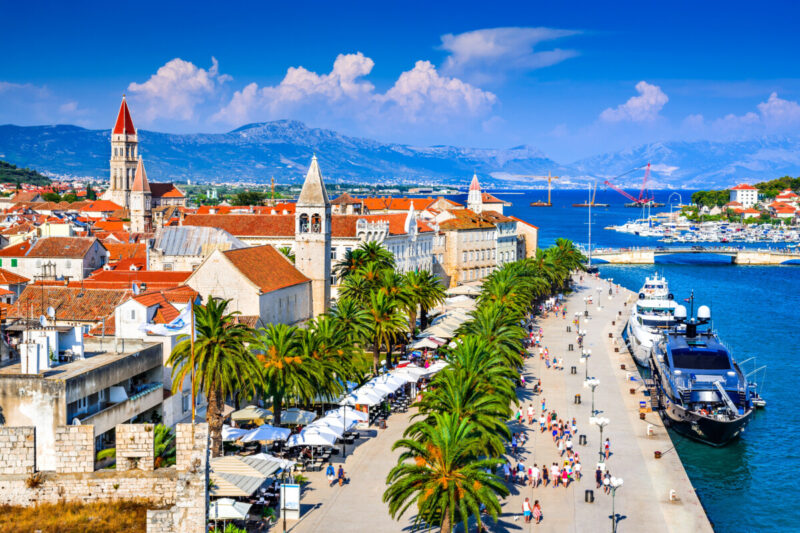
A UNESCO-listed medieval island town near Split, often called ‘Little Venice’ — a car-free maze of Venetian palaces crowned by St. Lawrence Cathedral’s carved Radovan Portal.

Trieste’s old town — a layered quarter where Roman ruins, a medieval cathedral on San Giusto hill, and grand Habsburg-era architecture meet above the Adriatic.

The old town of Germany’s oldest city — Roman Trier’s UNESCO-listed Porta Nigra, a 4th-century cathedral, a medieval market square, and Mosel Riesling taverns.
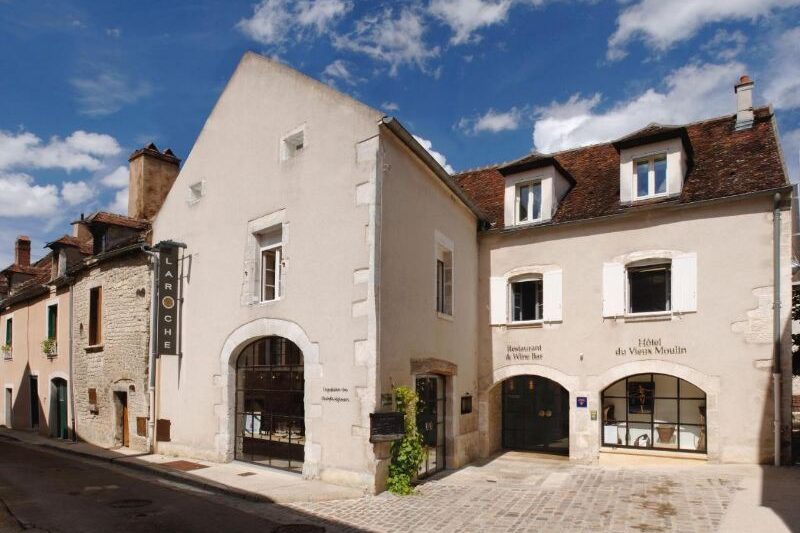
Toulouse’s medieval heart in the rose-brick Ville Rose — the covered Marché des Carmes, Gothic churches, and a dense after-dark scene of wine cellars and cocktail bars by the Garonne.

Toulon’s sun-drenched medieval quarter above France’s largest naval harbor — the daily Cours Lafayette Provençal market, the grand Opera House, and an affordable, crowd-free Riviera base.

Toronto’s bohemian, multicultural market district — a pedestrian-friendly maze of vintage shops, global food stalls, and street art just west of Chinatown.
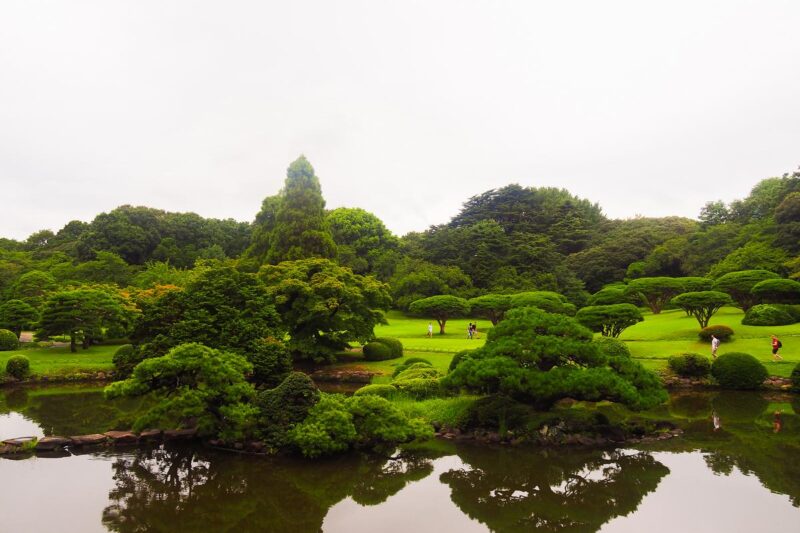
A monja town, retro tokyo, local dining neighborhood ideal for Food adventurers, Local culture seekers, Photography enthusiasts.
A traditional tokyo, temple district, authentic shopping neighborhood ideal for Culture seekers, Temple visitors, Traditional craft lovers.
Shinjuku is a major commercial and entertainment district in central Tokyo, home to the world’s busiest train station, Kabukicho nightlife, and the skyscraper-lined Nishi-Shinjuku.
A vintage, bohemian, indie neighborhood ideal for vintage shoppers, music lovers, theater buffs.
Tokyo’s youth-culture capital — the record-breaking Shibuya Crossing, the Hachikō statue, the Shibuya Sky observation deck, and floors of street-fashion shopping.