Saint-Pierre is the historic core of Bordeaux, occupying the left bank of the Garonne between the Pont de Pierre and the Place du Parlement. The quarter preserves layers of Roman, medieval, and 18th-century architecture within a compact grid of pedestrian-friendly streets. It functions simultaneously as a residential neighborhood, a restaurant destination, and the entry point to Bordeaux’s UNESCO World Heritage urban ensemble.
What is Saint-Pierre known for?
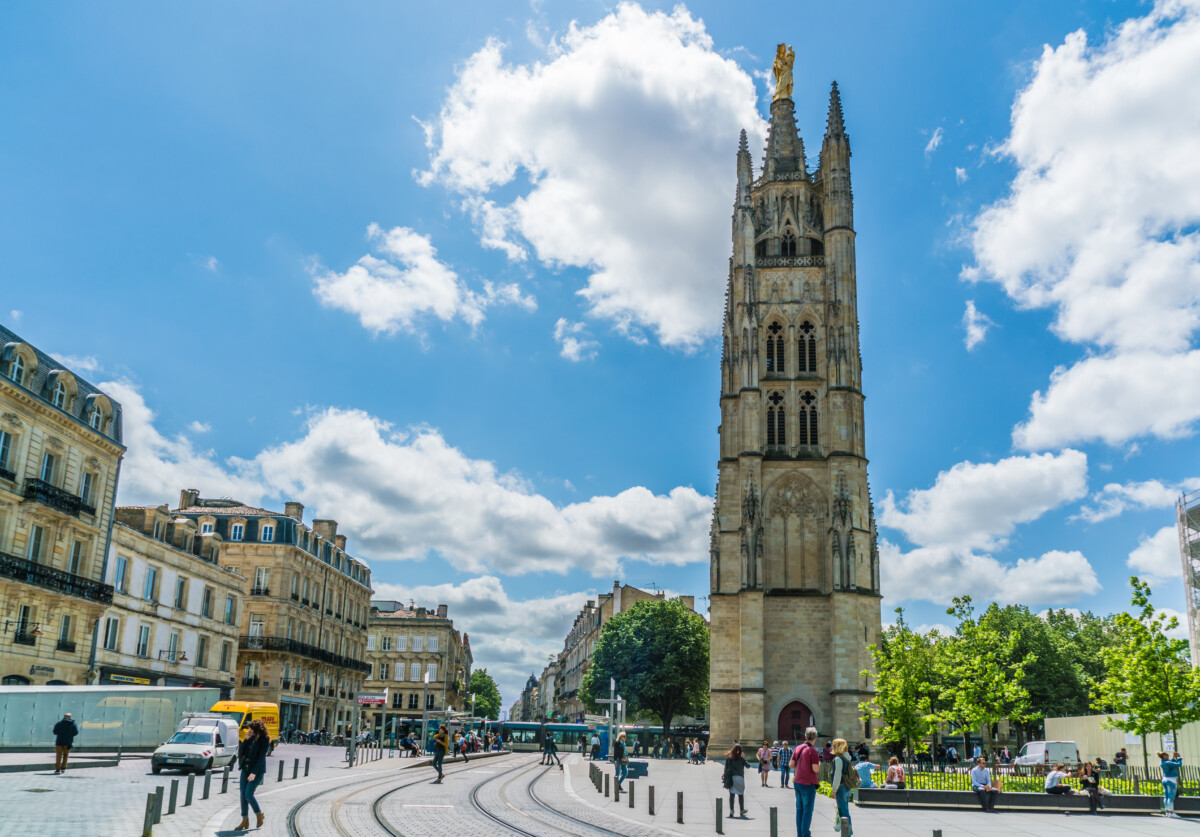
Saint-Pierre is known as Bordeaux’s oldest continuously inhabited quarter, built over the Roman city of Burdigala, with visible remnants of a Gallo-Roman amphitheater at the Palais Gallien a short walk north, Gothic church architecture at the Église Saint-Pierre on Place Saint-Pierre, and dense 18th-century limestone façades that earned the city its UNESCO listing in 2007. The neighborhood anchors the broader pedestrian zone connecting the cathedral to the Garonne quays.
Best things to do in Saint-Pierre
Visitors can explore the Église Saint-Pierre, a 15th-century Gothic church on the square of the same name, walk the cobbled Rue du Parlement Sainte-Catherine toward Place du Parlement, and examine the neoclassical arcades of Place du Parlement itself. Other activities include:
- Visiting the Place de la Bourse and its Miroir d’Eau reflecting pool on the adjacent quay
- Walking the Quai de la Douane and Quai Richelieu along the Garonne waterfront
- Exploring the Marché des Capucins, Bordeaux’s main covered food market, a short walk south in the Capucins district
- Admiring the carved stone doorways and balconies on Rue des Argentiers and Rue Fernand Philippart
Where to eat in Saint-Pierre?
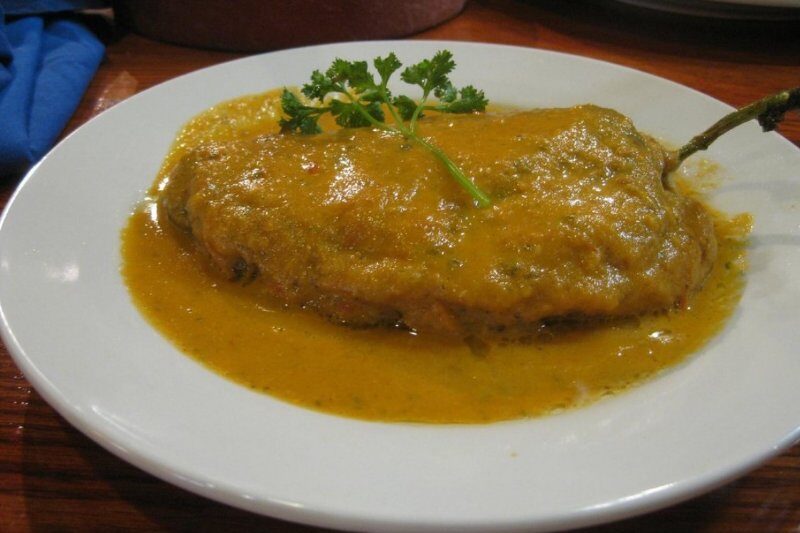
Saint-Pierre concentrates some of Bordeaux’s most popular restaurant terraces, particularly around Place du Parlement and Place Saint-Pierre, where bistros and wine bars spill onto the cobblestones and serve regional dishes including entrecôte bordelaise, canelés, and local oysters from the Arcachon Basin. Rue des Faussets and the surrounding streets hold a high density of independent restaurants. The neighborhood is walkable to wine-bar clusters along Rue Saint-Rémi.
Where to walk in Saint-Pierre?
The most rewarding walk in Saint-Pierre runs from the Porte Cailhau—a 15th-century city gate on the Garonne bank—north through Rue du Parlement Saint-Pierre to Place du Parlement, then west along Rue Saint-Rémi toward the Place de la Comédie and the Grand Théâtre, covering the district’s core architectural highlights in under thirty minutes. A second route follows the Quai Richelieu south along the Garonne for riverfront views of the 18th-century stone façades.
How to get to Saint-Pierre?
Saint-Pierre is served by Tram Line C (Tramway de Bordeaux) with stops at Place du Parlement and near the Quais, and by Tram Line A and B converging at Place de la Victoire to the south. The quarter is a ten-minute walk from the Saint-Jean mainline rail station via the quays or central pedestrian streets. Cycling is practical via the V3 Bordeaux urban cycling network along the Garonne quays.
Best time to visit Saint-Pierre?
Saint-Pierre is most enjoyable from April through October when restaurant terraces open fully and the Miroir d’Eau operates on the adjacent Quai de la Bourse, though the compact stone streets retain atmosphere year-round. Summer evenings bring outdoor concerts on the quays as part of the city’s cultural programming. Winter visits benefit from smaller crowds and clearer views of the limestone architecture without seasonal street furniture.