Sham Shui Po is one of Hong Kong’s oldest and most densely populated districts, occupying the northwestern corner of Kowloon Peninsula. Long a hub for new arrivals and working-class families, it has retained a raw, ungentrified character that contrasts sharply with the polished malls of Tsim Sha Tsui just a few MTR stops south. Today it draws electronics hunters, fabric designers, street food lovers, and travelers seeking an honest slice of everyday Hong Kong life.
What is Sham Shui Po known for?
Sham Shui Po is best known for its street markets specializing in electronics, fabric, buttons, ribbons, and cheap hardware, as well as a dense concentration of dai pai dong stalls and cha chaan teng diners that keep prices among the lowest in Hong Kong. Apliu Street hosts the city’s largest open-air secondhand electronics and gadget bazaar, running daily along a stretch of several blocks. Ki Lung Street and Nam Cheong Street are lined with wholesale fabric and haberdashery shops that supply fashion designers from across Asia. The neighborhood also contains the Jockey Club Creative Arts Centre (JCCAC), a converted factory building now housing artist studios and galleries.
Best things to do in Sham Shui Po
Walking the street markets, visiting JCCAC, and eating through the local food stalls account for the majority of worthwhile activity here, all achievable on foot in a single day.
- Browse Apliu Street’s secondhand electronics market for vintage cameras, cables, and components
- Hunt for trimmings, zippers, and textiles on Ki Lung Street and Cheung Sha Wan Road
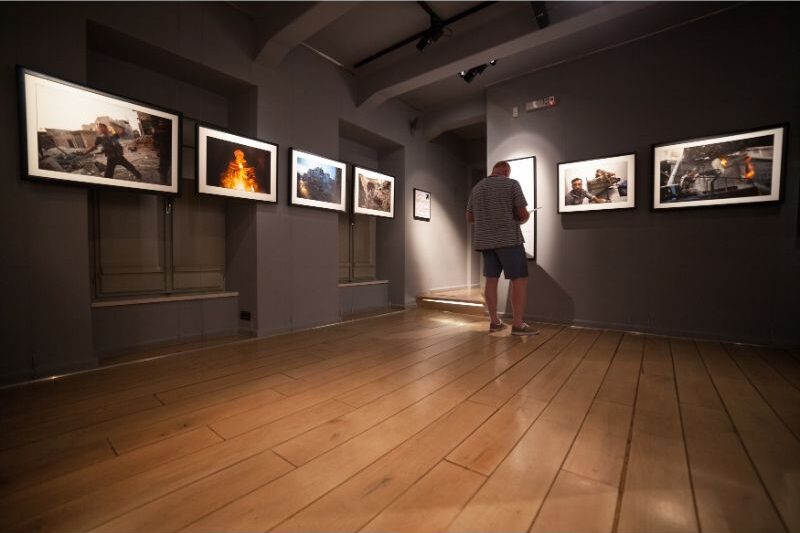
- Visit the Jockey Club Creative Arts Centre on Shek Kip Mei Street for local art exhibitions
- Walk through Shek Kip Mei Estate, Hong Kong’s first public housing estate built in 1954
- Explore the Pei Ho Street Market for fresh produce and wet-market atmosphere
Where to eat in Sham Shui Po
Sham Shui Po offers some of Hong Kong’s most affordable and authentic Cantonese street food, with multiple cha chaan teng and specialist stalls concentrated around Kweilin Street, Pei Ho Street, and Fuk Wing Street charging well under HK$50 per dish.
- Kweilin Street is famous for its beef offal stalls and clay-pot rice shops
- Look for stalls selling traditional san mian (three-noodle soup) and pineapple buns near Pei Ho Street Market
- Fuk Wing Street hosts dessert shops serving tong sui (sweet soups) and tofu pudding
- Cha chaan teng along Cheung Sha Wan Road serve milk tea, egg waffles, and congee at breakfast
Where to walk in Sham Shui Po
The most rewarding walking route runs from Sham Shui Po MTR station west through the Apliu Street electronics market, north along Pei Ho Street to the wet market, then east along Ki Lung Street past fabric vendors, finishing at Shek Kip Mei MTR station near JCCAC.
- Apliu Street between Nam Cheong Street and Kweilin Street for electronics stalls
- Ki Lung Street for haberdashery and textile wholesale shops
- The lanes around Fuk Wa Street for old-style Hong Kong shophouse streetscapes
How to get to Sham Shui Po
Sham Shui Po is directly served by the MTR Tsuen Wan Line at Sham Shui Po station, with Cheung Sha Wan and Shek Kip Mei stations also bordering the district, making it reachable from Mong Kok in two minutes and from Tsim Sha Tsui in under ten minutes.
- MTR Tsuen Wan Line: Sham Shui Po station (exits A2, C, D)
- MTR Tsuen Wan Line: Shek Kip Mei station for JCCAC access
- Multiple KMB and minibus routes along Cheung Sha Wan Road
Best time to visit Sham Shui Po
Weekday mornings between 10 a.m. and 1 p.m. offer the most active market atmosphere with fabric and electronics vendors fully stocked and fewer crowds than weekends, while cooler months from October to March make walking the outdoor stalls most comfortable in Hong Kong’s humid climate.