Ton Sai Village occupies the narrow isthmus of Ko Phi Phi Don in Krabi Province, flanked by Ton Sai Bay to the south and Lo Dalam Bay to the north. It is the largest settlement on the Phi Phi Islands and the arrival point for ferries from Krabi Town, Phuket, and Ko Lanta. The village concentrates the island’s restaurants, guesthouses, dive operators, convenience stores, and tour booking offices within a compact, vehicle-free walking zone.
What is Ton Sai Village known for?
Ton Sai Village is known as the commercial and transport hub of Ko Phi Phi Don, recognized for its twin-bay geography, ferry pier, dense cluster of dive shops and seafood restaurants, and as the primary departure point for longtail boat tours to Maya Bay on neighboring Ko Phi Phi Leh. The village gained international attention after the 2000 film The Beach, which was shot at Maya Bay, and has since developed a robust backpacker and dive tourism infrastructure. Reconstruction following the 2004 Indian Ocean tsunami transformed much of the built environment.
Best things to do in Ton Sai Village
Top activities center on the water and the village’s walkable layout, with dive courses, snorkeling tours, and viewpoint hikes all accessible directly from the settlement.
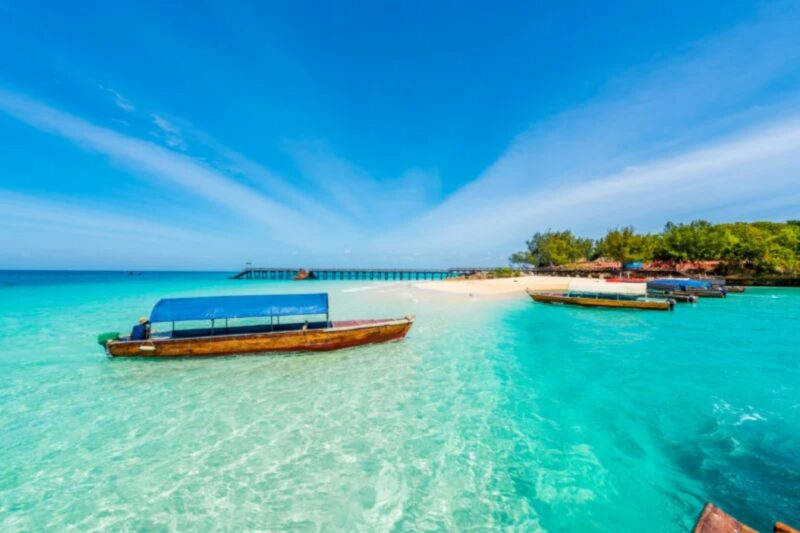
- Take a longtail boat tour from Ton Sai Pier to Maya Bay, Pileh Lagoon, and Viking Cave on Ko Phi Phi Leh.
- Enroll in a PADI Open Water or Discover Scuba course at one of the dive centers along the main walking street.
- Hike to the Phi Phi Viewpoint (Phi Phi Don Viewpoint), reached by climbing several hundred steps northeast of the village, for panoramic views of both bays.
- Rent a kayak from the beach and paddle along the rocky coastline toward Laem Tong or Ao Loh Dalum.
- Browse the Ton Sai night market for grilled seafood, pad thai, and fresh fruit shakes in the evenings.
Where to eat in Ton Sai Village
The village’s main pedestrian lanes and the beachfront along Ao Loh Dalum host a dense concentration of open-air restaurants, beach bars, and street food stalls serving Thai and international dishes at varying price points. Grilled whole fish, massaman curry, pad kra pao, and mango sticky rice are reliably available. Restaurants on the Lo Dalam Bay beachfront offer seating directly on the sand with views toward the limestone karsts.
- Grilled seafood by weight at beachfront stalls along Ao Loh Dalum.
- Pad thai and green curry at indoor shophouse restaurants on the main commercial lane.
- Fresh fruit smoothies and roti from street carts near Ton Sai Pier.
- Bakeries and coffee shops catering to early ferry departures open before 7 a.m.
How to get to Ton Sai Village
Ton Sai Village is reached exclusively by boat; there are no roads connecting Ko Phi Phi Don to the mainland or to Phuket. Ferries and high-speed catamarans depart daily from Rassada Pier in Phuket (approximately 1.5–2 hours), from Krabi Town’s Klong Jilard Pier (approximately 1.5 hours), and from Ban Sala Dan Pier on Ko Lanta (approximately 1–1.5 hours), all docking at Ton Sai Pier.
- Ferry from Rassada Pier, Phuket, to Ton Sai Pier: roughly 1.5–2 hours.
- Ferry from Klong Jilard Pier, Krabi Town: roughly 1.5 hours.
- High-speed boat from Ban Sala Dan, Ko Lanta: roughly 1–1.5 hours.
- Longtail boats shuttle between Ton Sai and other bays on Ko Phi Phi Don.
Where to walk in Ton Sai Village
The entire village is pedestrian-only, making the main commercial lane running from Ton Sai Pier northward toward Ao Loh Dalum the primary walking corridor, lined with shops, tour offices, and restaurants. A footpath along the Lo Dalam beachfront provides an open-air alternative route between the eastern and western ends of the village.
- Ton Sai Pier north along the main lane to Ao Loh Dalum beach: approximately 10 minutes on foot.
- Beachfront path along Ao Loh Dalum west to the base of the Phi Phi Viewpoint trailhead.
Best time to visit Ton Sai Village
The best time to visit Ton Sai Village is between November and April, when the Andaman Sea is calm, skies are clear, and ferry services run reliably on full schedules. May through October is the southwest monsoon season, bringing rougher seas, reduced ferry frequency, and periodic closures of exposed beaches, though the village itself remains open and significantly less crowded.