Vieux Lyon occupies the narrow strip of land between the Saône River and the Fourvière hill, forming one of the largest Renaissance urban ensembles in Europe. Its three sub-districts — Saint-Jean, Saint-Paul, and Saint-Georges — together earned UNESCO World Heritage status in 1998. The quarter is the historical and culinary heart of Lyon, drawing visitors with medieval streetscapes, secret passageways, and the city’s most traditional cuisine.
What is Vieux Lyon known for?
Vieux Lyon is internationally known for its traboules — covered passageways that cut through Renaissance-era apartment buildings, originally used by silk workers to transport goods sheltered from rain, and now open to visitors who know to push the unmarked doors on streets like Rue Saint-Jean and Rue du Bœuf. The district also contains the Cathédrale Saint-Jean-Baptiste, a Gothic and Romanesque structure completed in the 15th century featuring an astronomical clock that chimes at noon, 2pm, 3pm, and 4pm. The Musée Gadagne, housed inside a 16th-century mansion, holds both the Lyon history museum and the world’s oldest puppet museum, dedicated to the Lyonnais marionette character Guignol.
Best things to do in Vieux Lyon
The single most rewarding activity is self-guided traboule exploration starting from Place du Change, threading through courtyards and stairwells before emerging on a parallel street — the Office de Tourisme de Lyon provides a free traboule map. Beyond passageways, visitors can climb the Fourvière hill via the funicular (ficelle) departing from the Saint-Jean station to reach the Basilique Notre-Dame de Fourvière and the ancient Roman theatres of Lugdunum.
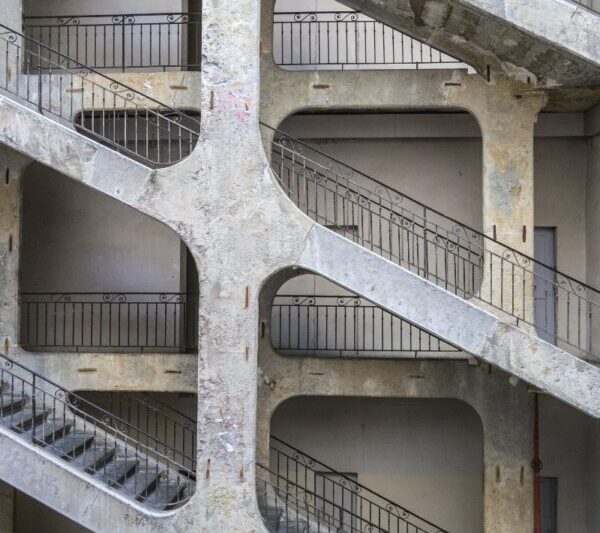
- Explore the Cour des Voraces traboule on Montée Saint-Sébastien — a monumental Renaissance staircase
- Visit the Musée Gadagne on Place du Petit Collège
- Attend a chime at the Cathédrale Saint-Jean-Baptiste astronomical clock
- Walk Rue du Bœuf for the highest concentration of Renaissance façades
Where to eat in Vieux Lyon
Vieux Lyon holds the greatest density of authentic bouchons lyonnais in the city — traditional bistros serving quenelles de brochet, tablier de sapeur, andouillette, and salade lyonnaise in rooms with checked tablecloths and zinc bars; look for establishments labelled with the official Authentique Bouchon Lyonnais plaque on Rue Saint-Jean and surrounding streets. The covered Marché de Saint-Paul operates on weekends near the Saint-Paul train station and offers local produce, cheeses, and charcuterie.
- Quenelles de brochet (pike dumplings) with Nantua sauce
- Tablier de sapeur (breaded tripe) — a Lyonnais specialty
- Salade lyonnaise with lardons, poached egg, and croutons
- Praline tart from patisseries along Rue Saint-Jean
Where to walk in Vieux Lyon
The most rewarding walk begins at Place Bellecour on the Presqu’île, crosses the Pont Bonaparte over the Saône, enters Saint-Jean district via Rue Saint-Jean, continues south along Rue du Bœuf to Saint-Georges, then loops back north through the quieter Saint-Paul sub-district to end at Place Saint-Paul beside the Romanesque church of the same name.
How to get to Vieux Lyon
Vieux Lyon is served directly by the Lyon Métro line D stop Vieux Lyon–Cathédrale Saint-Jean, located at the foot of the Fourvière hill beside the funicular terminal, making it reachable from Part-Dieu or Gare de Lyon-Perrache in under ten minutes. The Saint-Paul TER train station on the northern edge of the district also connects to Lyon Part-Dieu and regional destinations.
- Métro D: Vieux Lyon–Cathédrale Saint-Jean station
- Funicular lines F1 (Fourvière) and F2 (Saint-Just) depart from within the Métro station
- TCL bus lines serve the Saône riverside quais
Best time to visit Vieux Lyon
Weekday mornings between 9am and noon offer the quietest traboule exploration and the best light on Renaissance stone façades; Saturday and Sunday mornings add the Saint-Paul market but bring larger crowds by afternoon. The Fête des Lumières in early December transforms Vieux Lyon’s facades and the Fourvière hillside into large-scale light installations, making it one of the most visually spectacular periods of the year.