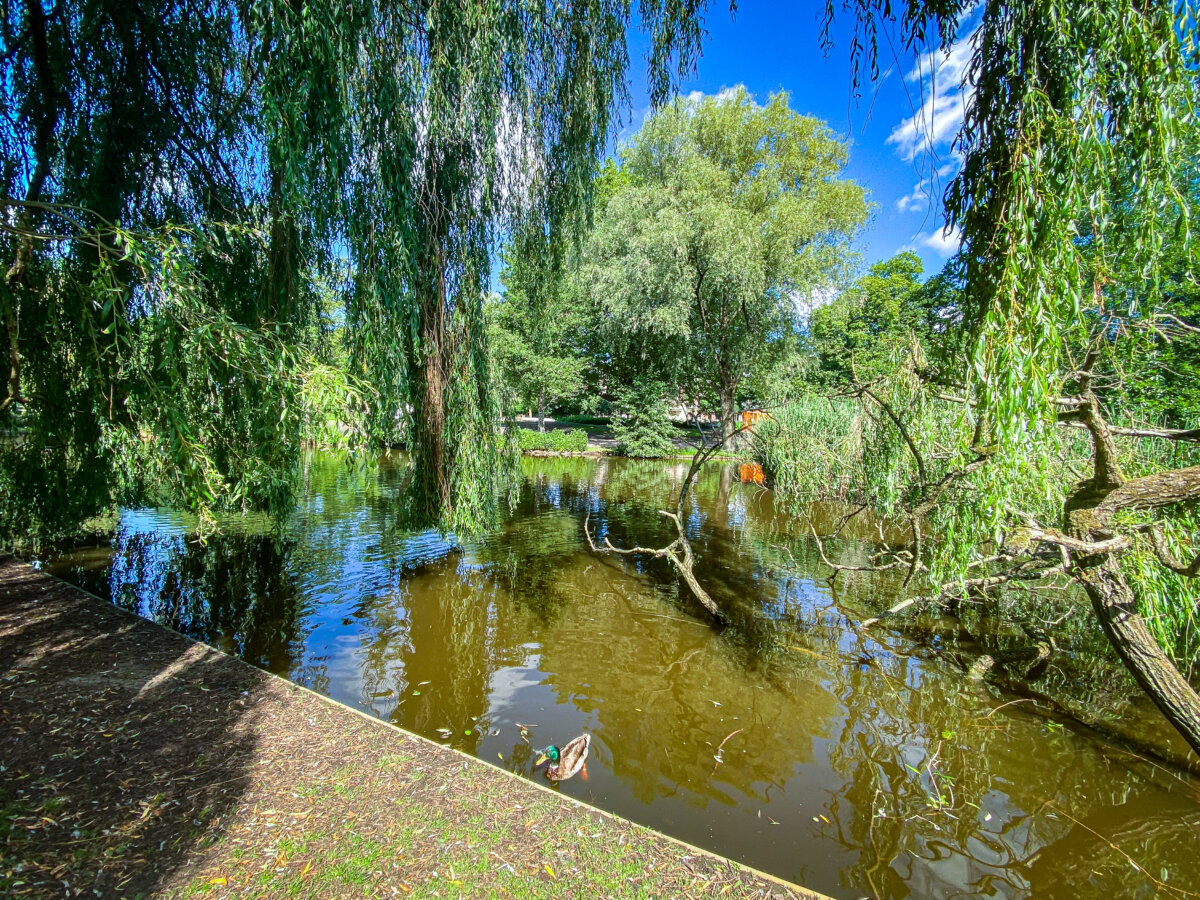
A sprawling 80-acre urban park in central Denver with a neoclassical pavilion, sweeping mountain views, and a storied past as a former cemetery — popular for jogging, picnics, and sunset watching.
“`
Universal Appeal and Cultural Authenticity, Cultural Richness and Educational Value, Preservation and Integrity, Accessibility and Visitor Engagement
80, 70, 85, 90
“`
Certainly! Here are some key points about Cheesman Park in Denver:
– Cheesman Park is a historic urban park located in the heart of Denver, Colorado.
– The park holds significant historical and cultural importance, as it was originally part of the Mount Prospect Cemetery, established in 1858.
– The park’s design and layout were influenced by the renowned landscape architect, Frederick Law Olmsted, who is widely recognized for his work on Central Park in New York City.
– Over the years, Cheesman Park has evolved into a popular recreational and cultural space, attracting locals and visitors alike with its scenic beauty and tranquil atmosphere.
– The park’s historical impact is evident in its transformation from a cemetery to a public park, reflecting the evolving cultural and social dynamics of the city.
– Efforts to preserve the historical and architectural significance of Cheesman Park align with the broader initiatives for the conservation of Denver’s cultural heritage and urban green spaces.
For more detailed information, you can refer to the [East Central Area Plan Briefing Book Supplement](https://www.denvergov.org/files/assets/public/community-planning-and-development/documents/planning/projects/east-central-area/appendix_east_central_briefing_book_supplement.pdf) and the [East Central Existing Conditions Briefing Book](https://www.denvergov.org/content/dam/denvergov/Portals/646/documents/planning/Plans/Ease_Central_Area_Plan/East_Central_Existing_conditions_Briefing_Book.pdf).
– Cultural Authenticity: Cheesman Park in Denver maintains and represents local traditions and cultural practices through events like the Cheesman Park Art Festival, which focuses on authentic, handcrafted artwork (source: [Visit Denver](https://www.denver.org/listing/cheesman-park-art-festival/25656/)).
– Historical Significance: The park has historical significance as it was designed in 1912 and has a rich history tied to the development of Denver (source: [The Cultural Landscape Foundation](https://www.tclf.org/landscapes/cheesman-park-esplanade)).
– Artistic Value: Cheesman Park contributes to the arts through its vibrant lifestyle, blending history, culture, and artistic expression (source: [Symbio Denver](https://www.symbiodenver.com/blog/chessman-park-denver/)).
– Social Impact: The park plays a role in the community by providing opportunities for authentic relating and building genuine in-person connections (source: [Meetup](https://www.meetup.com/authentic-denver/)).
– Accessibility and Preservation: Cheesman Park is centrally located and easily accessible, with an abundance of local amenities, culture, and recreation, and preservation efforts are in place to maintain its historical charm (source: [Christie’s Real Estate](https://www.christiesrealestate.com/localguide/cheesman-park-denver-colorado-luxury-real-estate-guide)).
– Visitor Engagement: The park offers opportunities for visitor engagement through events like the Cheesman Park Art Festival and authentic relating gatherings (sources: [Visit Denver](https://www.denver.org/listing/cheesman-park-art-festival/25656/) and [Meetup](https://www.meetup.com/authentic-denver/)).
– Educational Value: Cheesman Park provides learning opportunities about the culture, history, and environment through its historical significance and vibrant lifestyle (source: [Symbio Denver](https://www.symbiodenver.com/blog/chessman-park-denver/)).
- Cheesman Park is renowned for embracing and showcasing local traditions, particularly through events like the annual Cheesman Park Art Festival, which highlights local artisans and their authentic crafts.
- The park’s historical roots date back to its initial design in 1912, making it a pivotal part of Denver’s urban development and offering a deep dive into the city’s evolution.
- Artistically, Cheesman Park serves as a cultural hub, integrating historical, cultural, and artistic expressions that enrich Denver’s artistic landscape.
- Socially, the park is a vital communal space that fosters connections among residents and visitors, hosting various community-centric gatherings and events.
- In terms of accessibility, Cheesman Park is centrally located, making it a highly accessible destination for both locals and tourists, with well-maintained pathways and clear signage that enhance visitor experiences.
- Preservation efforts at Cheesman Park ensure that its rich historical essence and natural beauty are well-maintained, respecting its past while accommodating contemporary recreational needs.
- The park is not only a place for relaxation and enjoyment but also serves as an educational resource where visitors can learn about Denver’s history and the park’s transformation from a cemetery to a beloved public space.
Cheesman Park, nestled in Denver, CO, is a beacon of tranquility fused with a rich cultural tapestry. This serene green enclave, distinguished by vast lawns and shaded jogging paths, centers around a majestic neoclassical pavilion, embodying an atmosphere of classical elegance. It’s not just a park but a lively cultural hub, hosting regular LGBT-oriented events and embracing inclusivity. Nearby, the Denver Botanic Gardens offers a botanical haven with themed areas and summer concerts. Encircling streets feature casual pizzerias, cozy coffeehouses, and chic craft-cocktail bars, making Cheesman Park a quintessential urban retreat with a diverse appeal.
Cultural Context
Historic Denver park with macabre origins as former cemetery, now elegant green space in Capitol Hill representing city’s transformation from frontier town to sophisticated metropolis, center of LGBTQ+ community life
Historical Context
Originally Mount Prospect Cemetery 1858-1890 holding 5,000 graves, bodies hastily relocated creating paranormal legends, transformed to park 1898 by Reinhard Schuetze, renamed 1907 honoring water pioneer Walter Cheesman