
MenuClose

A place worth knowing

Savica Waterfall

Nature · Waterfall in Triglav National ParkUpdated

  • Google rating4.7/5 (8,500 reviews)
  • Typical visit1-2 hours (including the climb to the viewing platform)
  • EntranceFree
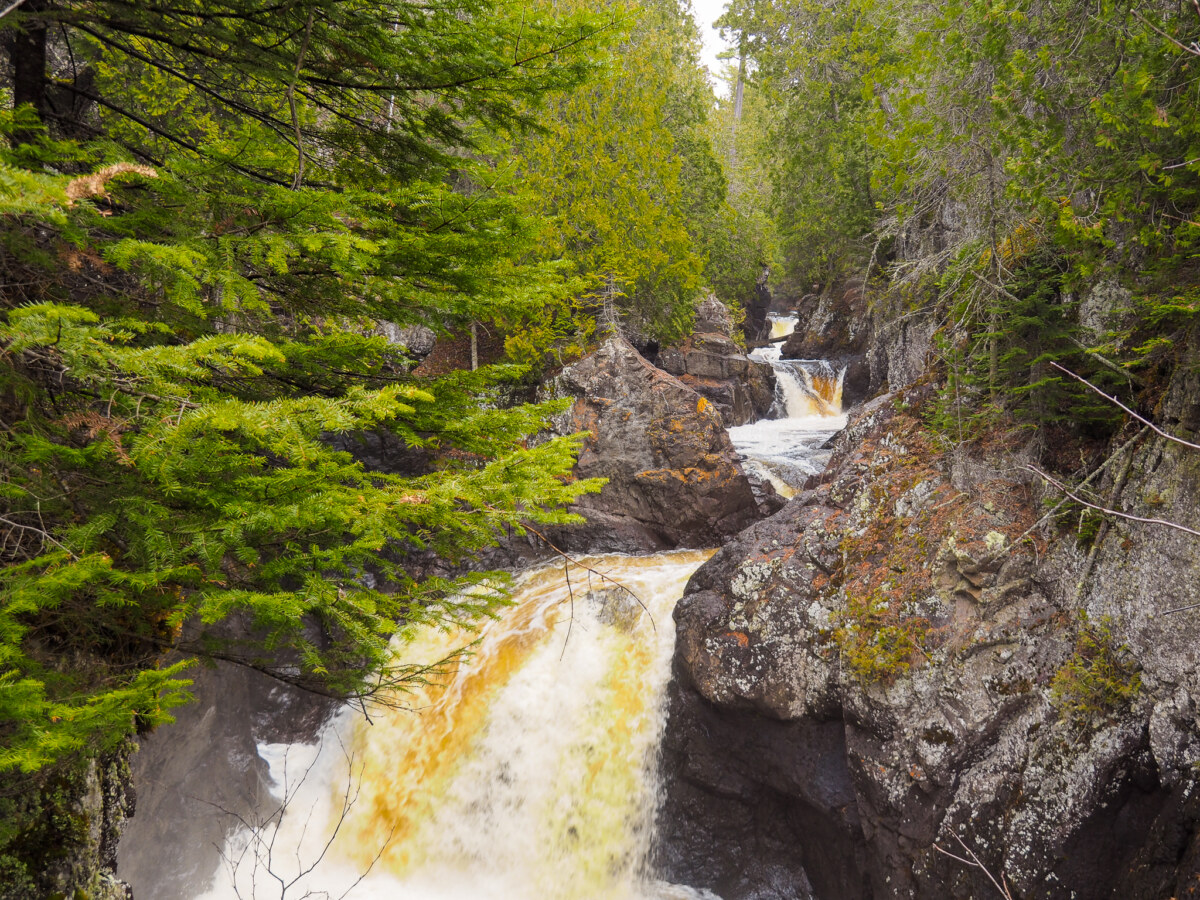
Cascade River State Park Waterfalls
Kyle Kroeger / ViaTravelers
  • Today (Monday)Open 24 hours
  • Typical visit1-2 hours (including the climb to the viewing platform)
  • EntranceFree
  • Google rating4.7/5 8,500 reviews
  • WebsiteOfficial site ↗
Opening hours all week
Monday
Open 24 hours
Tuesday
Open 24 hours
Wednesday
Open 24 hours
Thursday
Open 24 hours
Friday
Open 24 hours
Saturday
Open 24 hours
Sunday
Open 24 hours
Accessibility
"{"handrails": "Present but path can be slippery", "strollers": "Cannot use pushchairs on stairs", "alternative": "No accessible viewing options available", "fitness_level": "Moderate fitness required for steep climb", "mobility_issues": "Not suitable for knee problems or walking difficulties", "wheelchair_access": "NOT accessible – 553 steep stairs required"}"
The short answer

Why it matters

Slovenia's most iconic waterfall plunges 78 meters into a turquoise pool, reached by a scenic 20-minute hike through Triglav National Park.

Savica Waterfall thunders 78 meters down a limestone cliff in Slovenia’s Triglav National Park, creating a distinctive A-shaped cascade that has inspired national poets and artists for generations. Fed by the mysterious underground waters of the Triglav Lakes, the waterfall reveals its turquoise-green waters against a backdrop of Alpine forest and mountain scenery. Visitors climb approximately 500 steps through a forested trail to reach a viewing platform that offers spectacular photographic opportunities, especially during spring snowmelt when the falls reach peak flow. The emerald waters, dramatic setting, and literary significance combine to make Savica one of Slovenia’s most iconic natural treasures and a testament to the country’s pristine wilderness heritage. The name ‘Savica’ derives from the word meaning ‘little Sava,’ as it feeds into the larger Sava River, Slovenia’s longest waterway.

Cultural Context

Savica Waterfall holds a special place in Slovenian cultural identity, deeply intertwined with local folklore and traditions. The waterfall is often associated with ancient Slavic myths that regard water as a sacred element, symbolizing life and renewal. Locals celebrate the pristine natural beauty of Triglav National Park, where Savica is located, through seasonal festivals that honor the environment and traditional ways of life such as the annual Triglav Festival. This event highlights the importance of nature conservation and Slovenian heritage, featuring folk music, dance, and storytelling that often reference natural landmarks like Savica. Additionally, the waterfall is a popular subject in Slovenian art and poetry, symbolizing the dynamic power of nature and the spiritual connection between the people and their land. The nearby village of Bohinj embraces the waterfall as part of its communal identity, integrating it into local customs such as guided nature walks and educational programs that emphasize respect for the environment. These cultural practices reflect the broader Slovenian ethos of living in harmony with nature, making Savica Waterfall not only a natural spectacle but also a cultural emblem that reinforces national pride and environmental stewardship. The cultural significance of Savica continues to inspire both residents and visitors alike, enriching the experience of this natural landmark through its deep-rooted connections to Slovenian heritage.

Historical Context

Savica Waterfall has been a notable natural landmark for centuries, with its presence documented in historical records dating back to the early 19th century when the region of Upper Carniola was part of the Austrian Empire. The waterfall gained prominence during the 19th and early 20th centuries as part of the burgeoning interest in alpine and natural landscapes among European travelers and scientists. Its name, ‘Savica,’ is derived from the Savica stream, which has been an important water source for local communities for generations. The area surrounding the waterfall was historically inhabited by Slovenian shepherds and farmers, whose livelihoods depended on the fertile valleys and abundant water supply. The establishment of Triglav National Park in 1924, the first national park in Slovenia, marked a significant turning point in the protection and appreciation of Savica and its surroundings. Over time, the waterfall has witnessed the evolution of the region from a primarily agrarian society to a destination for eco-tourism and outdoor recreation. During World War II, the remote areas around the waterfall served as refuge points for partisans resisting occupying forces, adding a layer of resistance history to the site. Today, Savica Waterfall stands as a testament to the natural and human history of the Julian Alps, reflecting the intertwined narratives of nature, culture, and resilience in Slovenia.
Context

Story and significance

About

Savica Waterfall (Slap Savica) is a striking cascade that drops from a cave-like cliff into the Upper Bohinj valley and is one of the best-known waterfalls in the Triglav National Park area. Reaching the waterfall involves a short hike or a steep flight of steps from a small parking area; the trail climbs through forested terrain and ends at viewing platforms that frame the narrow, powerful fall. The site rewards visitors with dramatic views and is commonly combined with visits to Lake Bohinj and nearby walking routes, so bring water and expect cool, misty conditions near the base.

Historical significance

Savica Waterfall holds considerable historical significance as a natural landmark that has witnessed and influenced the cultural and environmental history of the Julian Alps region. Its presence has shaped human settlement patterns, with nearby villages relying on the water source for centuries. The waterfall’s dramatic appearance and consistent flow made it a landmark for early travelers and naturalists who explored the area during the 18th and 19th centuries, contributing to the development of alpine tourism in Slovenia. The establishment of Triglav National Park in 1924, which includes Savica, marked a pioneering moment in the conservation movement within the region, highlighting the waterfall’s role in the early recognition of natural heritage protection. During periods of conflict, particularly World War II, the rugged terrain around Savica provided strategic refuge for resistance fighters, embedding the site within the broader narrative of Slovenian resilience and struggle for independence. In the post-war era, the waterfall has continued to be a symbol of national pride and natural beauty, attracting scientific research focused on karst hydrology and alpine ecosystems. Its historical importance extends beyond its physical presence, representing a continuous link between nature, culture, and history in Slovenia. Savica Waterfall remains a testament to the enduring relationship between people and the environment throughout the region’s past and into the present.

Historical context

Savica Waterfall has been a notable natural landmark for centuries, with its presence documented in historical records dating back to the early 19th century when the region of Upper Carniola was part of the Austrian Empire. The waterfall gained prominence during the 19th and early 20th centuries as part of the burgeoning interest in alpine and natural landscapes among European travelers and scientists. Its name, ‘Savica,’ is derived from the Savica stream, which has been an important water source for local communities for generations. The area surrounding the waterfall was historically inhabited by Slovenian shepherds and farmers, whose livelihoods depended on the fertile valleys and abundant water supply. The establishment of Triglav National Park in 1924, the first national park in Slovenia, marked a significant turning point in the protection and appreciation of Savica and its surroundings. Over time, the waterfall has witnessed the evolution of the region from a primarily agrarian society to a destination for eco-tourism and outdoor recreation. During World War II, the remote areas around the waterfall served as refuge points for partisans resisting occupying forces, adding a layer of resistance history to the site. Today, Savica Waterfall stands as a testament to the natural and human history of the Julian Alps, reflecting the intertwined narratives of nature, culture, and resilience in Slovenia.

Cultural context

Savica Waterfall holds a special place in Slovenian cultural identity, deeply intertwined with local folklore and traditions. The waterfall is often associated with ancient Slavic myths that regard water as a sacred element, symbolizing life and renewal. Locals celebrate the pristine natural beauty of Triglav National Park, where Savica is located, through seasonal festivals that honor the environment and traditional ways of life such as the annual Triglav Festival. This event highlights the importance of nature conservation and Slovenian heritage, featuring folk music, dance, and storytelling that often reference natural landmarks like Savica. Additionally, the waterfall is a popular subject in Slovenian art and poetry, symbolizing the dynamic power of nature and the spiritual connection between the people and their land. The nearby village of Bohinj embraces the waterfall as part of its communal identity, integrating it into local customs such as guided nature walks and educational programs that emphasize respect for the environment. These cultural practices reflect the broader Slovenian ethos of living in harmony with nature, making Savica Waterfall not only a natural spectacle but also a cultural emblem that reinforces national pride and environmental stewardship. The cultural significance of Savica continues to inspire both residents and visitors alike, enriching the experience of this natural landmark through its deep-rooted connections to Slovenian heritage.

Architecture

While Savica Waterfall itself is a natural formation and does not feature architectural elements, the infrastructure developed around it reflects thoughtful design aimed at harmonizing with the natural environment. The wooden footbridges, staircases, and viewing platforms constructed to facilitate visitor access are crafted using traditional Slovenian carpentry techniques, emphasizing sustainability and minimal environmental impact. These structures utilize local timber and stone materials, blending seamlessly into the surrounding landscape and preserving the aesthetic integrity of the area. The pathways leading to the waterfall are carefully engineered to prevent erosion and protect native flora, demonstrating an architectural approach that prioritizes ecological balance. Nearby, the Savica Hydroelectric Power Plant, built in the early 20th century downstream on the Sava Bohinjka River, exemplifies early industrial architecture in the region, showcasing the integration of functional design with natural resources. Although not directly part of the waterfall site, this plant reflects the historical utilization of water power in Slovenia and highlights the broader architectural narrative of human interaction with water in the Julian Alps. Overall, the architectural significance related to Savica Waterfall lies in the respectful and sustainable construction practices that enable visitors to experience the natural wonder without compromising its pristine condition.

Local significance

For the local communities residing near Triglav National Park, Savica Waterfall is more than a natural attraction; it is an integral part of everyday life and local identity. The waterfall and the surrounding landscape have historically provided essential resources such as clean water for agriculture, livestock, and domestic use. Local residents have long regarded Savica as a symbol of natural purity and resilience, often incorporating it into folklore and oral traditions passed down through generations. The waterfall plays a central role in the economic life of the region by attracting eco-tourists, hikers, and nature enthusiasts, thereby supporting local businesses including guesthouses, restaurants, and guiding services. Community-led conservation efforts emphasize the importance of preserving Savica’s pristine condition, reflecting a shared responsibility towards environmental stewardship. Additionally, the site is used for educational purposes by local schools and environmental organizations, fostering a connection between younger generations and their natural heritage. Seasonal celebrations and cultural events often take place in the vicinity, reinforcing social bonds and promoting awareness of the area’s ecological and cultural value. Savica Waterfall thus serves as a focal point for community pride, environmental consciousness, and sustainable development, underscoring its enduring significance to the people who live in its shadow.

Experience

Make the most of it

Local tips
  • Local guides know hidden viewpoints
  • Wildlife most active early morning
  • Weekdays much less crowded
  • Respect local conservation efforts
  • Sunrise and sunset offer best light
  • Weather can change quickly
  • Seasonal changes create different experiences
Hidden gems nearby
  • Natural formations off main path
  • Wildlife observation spots
  • Unmarked trails to pristine areas
  • Hidden caves and grottos
  • Secret swimming holes known to locals
  • Historical markers easily missed
  • Perfect picnic spots away from crowds
Special features
  • Savica Waterfall is distinguished by its striking A-shaped cascade, where water plunges approximately 78 meters from a limestone cliff into a serene pool below. This unique formation is the result of the Savica stream emerging from an underground karst spring, a characteristic geological feature of the Julian Alps region. The waterfall's source is located in the Zelenci Nature Reserve, where the water filters through a complex system of subterranean channels before surfacing dramatically at Savica. This hydrological phenomenon contributes to the waterfall’s consistent flow, even during dry periods, making it a reliable natural spectacle year-round. The surrounding environment is rich in biodiversity, with endemic alpine flora and fauna inhabiting the moist, shaded areas created by the waterfall’s mist. Notably, the site offers panoramic views of Lake Bohinj, the largest permanent lake in Slovenia, enhancing the visual and ecological significance of the area. Visitors can access the waterfall via a well-maintained trail featuring a series of wooden steps and platforms, allowing close observation of the cascading water and the rugged limestone formations. The interplay of light and mist at various times of the day creates captivating visual effects, contributing to the waterfall’s reputation as a prime location for photography and nature study. These special features make Savica Waterfall a remarkable natural landmark, celebrated for both its geological distinctiveness and its vibrant ecosystem.
Editorial scores

How we rate it

Authenticity9/10
Accessibility score5/10
Family-friendly score7/10
Off-the-beaten-path6/10

Editorial scores on a 10-point scale, judged against places of the same kind.

Updated Data: Editorial research · Google Places ratings · Verified coordinates