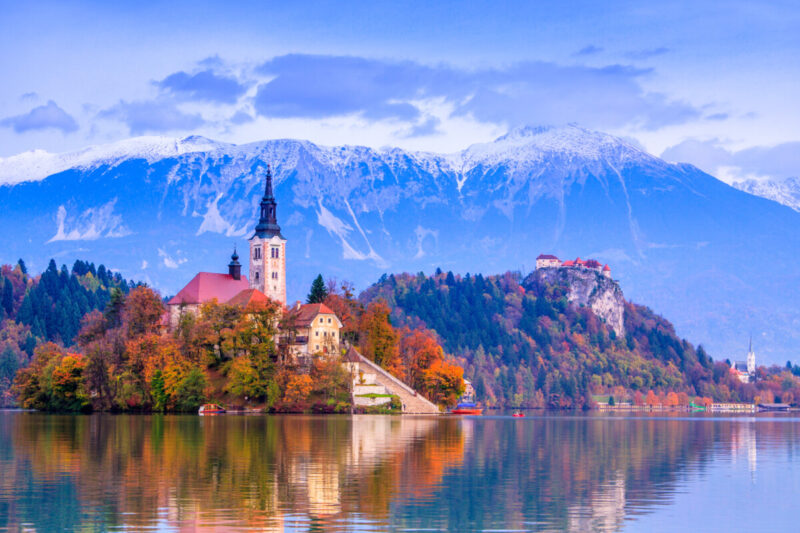
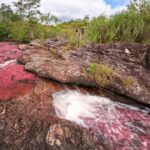
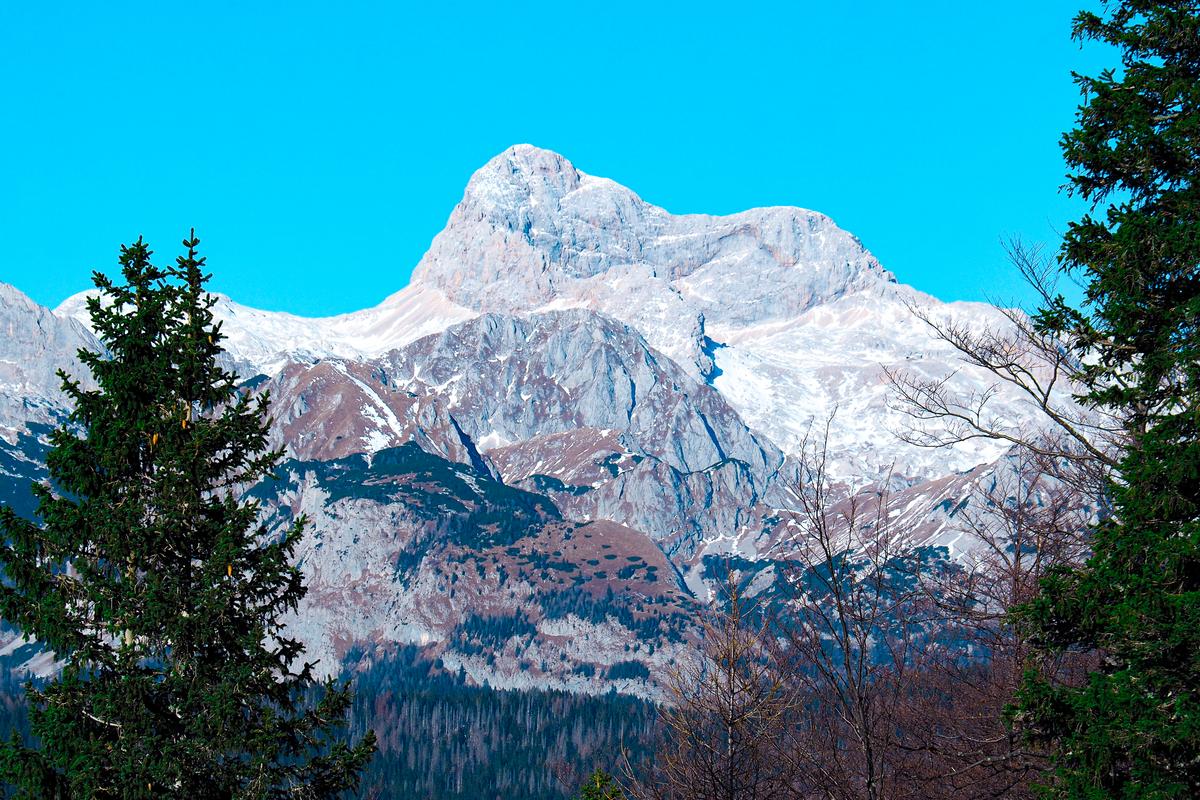
Triglav National Park, Slovenia’s only national park, protects an 880-square-kilometer Alpine wonderland centered around Mount Triglav, the country’s highest peak at 2,864 meters whose distinctive three-headed silhouette has become a national symbol appearing on everything from the flag to currency. This pristine region encompasses the eastern Julian Alps along the Italian and Austrian borders, featuring dramatic limestone mountains sculpted by glaciers and waterways into a landscape of jagged peaks, verdant valleys, virgin forests of beech and spruce, and crystal-clear lakes and rivers whose distinctive emerald-green waters result from mineral suspensions originating in the karst geology. The park’s hydrological marvels include the Soca River, renowned for its exceptional turquoise color and world-class fly fishing for marble trout, the serene glacial Lake Bohinj spanning 318 hectares as Slovenia’s largest permanent lake, and numerous waterfalls including the 78-meter Boka Waterfall and multi-tiered Savica Falls, which inspired notable works by Slovenia’s national poet France Preseren. Beyond natural wonders, the park preserves cultural heritage through traditional Alpine architecture in villages like Trenta and Stara Fužina, where wooden hay racks (kozolci) dot meadows around farmhouses featuring distinctive heart-shaped window decorations, while the open-air museum at Pocar Farm in Zgornja Radovna displays 400-year-old structures illustrating rural Alpine life. Throughout its hiking network spanning over 400 kilometers of trails, visitors traverse diverse microclimates transitioning from Mediterranean influences in lower elevations to Alpine conditions above the tree line, encountering protected species including chamois, Alpine ibex, golden eagles, and the symbolic Triglav flower (Potentilla nitida). The park maintains strict environmental protections following its 1981 official designation and 2003 expanded boundaries, balancing tourism with conservation through measures like restricting motor vehicle access in core areas, promoting sustainable practices in local communities, and maintaining mountain huts that provide basic accommodation for hikers undertaking multi-day traverses including the celebrated ascent of Mount Triglav, which tradition holds every true Slovenian should complete once in their lifetime.
The destination guide
Triglav National Park
Travel guides for Triglav National Park
More guides featuring Triglav National Park (1)
At a glance
- Slovene
- Alpine national park
- Mountain lakes
- Glacial valleys
- Dense forests
How Triglav National Park scores
Editorial scores on a 10-point scale, weighed against destinations of the same kind.
Travel safety snapshot
SafePlace indicators use their source 100-point scale; higher is more favourable. Planning context, not a live travel advisory — check official government guidance before you go.
When to go
Best months to visit: January, February, March, June, July, August, September and December.
- January: -9.7 to -3.8 degrees Celsius, 138.4 millimetres of rain, best-time score 5 out of 5.
- February: -7.9 to -2.5 degrees Celsius, 152.9 millimetres of rain, best-time score 5 out of 5.
- March: -6.8 to -0.9 degrees Celsius, 145.3 millimetres of rain, best-time score 4 out of 5.
- April: -3.9 to 3 degrees Celsius, 150.3 millimetres of rain, best-time score 2 out of 5.
- May: 0.1 to 7.2 degrees Celsius, 214.8 millimetres of rain, best-time score 2 out of 5.
- June: 6 to 13.7 degrees Celsius, 169.2 millimetres of rain, best-time score 4 out of 5.
- July: 7.7 to 15 degrees Celsius, 164.2 millimetres of rain, best-time score 5 out of 5.
- August: 8 to 15 degrees Celsius, 168.7 millimetres of rain, best-time score 5 out of 5.
- September: 4 to 10.6 degrees Celsius, 186.2 millimetres of rain, best-time score 4 out of 5.
- October: 0.3 to 6.5 degrees Celsius, 221.1 millimetres of rain, best-time score 2 out of 5.
- November: -4.8 to 0.7 degrees Celsius, 219.7 millimetres of rain, best-time score 2 out of 5.
- December: -7.8 to -2.2 degrees Celsius, 160.7 millimetres of rain, best-time score 4 out of 5.
Month-by-month conditions and packing advice
- January
- Very cold, rainy Peak winter, excellent powder snow for skiing. Crowds: January in Triglav National Park is best for winter-ready travelers; outdoor plans need warm gear, shorter daylight expectations, and weather-aware transport planning. Pack: Pack insulated layers, warm footwear, gloves, and a serious winter coat. Add a rain jacket or compact umbrella.
- February
- Very cold, rainy Great snow base, lively winter resort atmosphere. Crowds: February in Triglav National Park is best for winter-ready travelers; outdoor plans need warm gear, shorter daylight expectations, and weather-aware transport planning. Pack: Pack insulated layers, warm footwear, gloves, and a serious winter coat. Add a rain jacket or compact umbrella.
- March
- Very cold, rainy Spring skiing, warmer days but still good snow. Crowds: March in Triglav National Park is best for winter-ready travelers; outdoor plans need warm gear, shorter daylight expectations, and weather-aware transport planning. Pack: Pack insulated layers, warm footwear, gloves, and a serious winter coat. Add a rain jacket or compact umbrella.
- April
- Cold, rainy Slushy snow, ski season ending, mud season begins. Crowds: April in Triglav National Park is one of the wetter periods, so museums, food stops, flexible reservations, and backup indoor plans make the trip easier. Pack: Pack warm layers, a coat, and comfortable shoes for cold mornings and evenings. Add a rain jacket or compact umbrella.
- May
- Cold, rainy Mud season, many places closed for transition. Crowds: May in Triglav National Park is one of the wetter periods, so museums, food stops, flexible reservations, and backup indoor plans make the trip easier. Pack: Pack warm layers, a coat, and comfortable shoes for cold mornings and evenings. Add a rain jacket or compact umbrella.
- June
- Cool to mild, rainy Summer begins, hiking trails opening up. Crowds: June in Triglav National Park is one of the wetter periods, so museums, food stops, flexible reservations, and backup indoor plans make the trip easier. Pack: Pack layered clothing and comfortable walking shoes. Add a rain jacket or compact umbrella.
- July
- Cool to mild, rainy Perfect summer weather for hiking and mountain biking. Crowds: July in Triglav National Park is one of the wetter periods, so museums, food stops, flexible reservations, and backup indoor plans make the trip easier. Pack: Pack layered clothing and comfortable walking shoes. Add a rain jacket or compact umbrella.
- August
- Cool to mild, rainy Excellent warm mountain weather. Crowds: August in Triglav National Park is one of the wetter periods, so museums, food stops, flexible reservations, and backup indoor plans make the trip easier. Pack: Pack layered clothing and comfortable walking shoes. Add a rain jacket or compact umbrella.
- September
- Cool to mild, rainy Beautiful fall colors, cooler nights. Crowds: September in Triglav National Park is one of the wetter periods, so museums, food stops, flexible reservations, and backup indoor plans make the trip easier. Pack: Pack layered clothing and comfortable walking shoes. Add a rain jacket or compact umbrella.
- October
- Cold, rainy Transition season, getting cold, trails may close. Crowds: October in Triglav National Park is one of the wetter periods, so museums, food stops, flexible reservations, and backup indoor plans make the trip easier. Pack: Pack warm layers, a coat, and comfortable shoes for cold mornings and evenings. Add a rain jacket or compact umbrella.
- November
- Very cold, rainy Waiting for snow, quietest time of year. Crowds: November in Triglav National Park is one of the wetter periods, so museums, food stops, flexible reservations, and backup indoor plans make the trip easier. Pack: Pack warm layers, a coat, and comfortable shoes for cold mornings and evenings. Add a rain jacket or compact umbrella.
- December
- Very cold, rainy Ski season begins, festive holiday vibe. Crowds: December in Triglav National Park is best for winter-ready travelers; outdoor plans need warm gear, shorter daylight expectations, and weather-aware transport planning. Pack: Pack insulated layers, warm footwear, gloves, and a serious winter coat. Add a rain jacket or compact umbrella.
Know before you go
Neighbourhoods
Bled, Bohinj, Kranjska Gora
Best time to visit
June through September for hiking and outdoor activities. September offers golden light and thinner crowds.
Season by season
Summer (July-Aug):
Weather: 20-25°C, cool nights
Highlights: Hiking, swimming in lakes
Best For: High alpine trekking
Fall (Sept-Oct):
Weather: 10-18°C, crisp
Highlights: Larch trees turning golden
Best For: Photography (Cow Ball festival)
Winter (Dec-March):
Weather: -5 to 5°C, snow
Highlights: Skiing at Vogel
Best For: Winter silence, snowshoeing
Spring (May-June):
Weather: 10-20°C, melting snow
Highlights: Wildflower Bloom Festival
Best For: Waterfalls (maximum flow)
Crowds
Triglav National Park (Slovenia) is busiest in summer hiking season (June–September) and during peak alpine weekends; quietest in late autumn and winter (November–March) except for seasonal mountaineers, with alpine trails crowded on sunny summer days and quieter off-peak.
Getting there and around
Getting there
The nearest international airport is Ljubljana Jože Pučnik Airport (LJU), about 1 hour by car to the park’s eastern edge near Bled. From Ljubljana, buses run to Lake Bohinj (Ribčev Laz) hourly. Trains connect Ljubljana to Lesce-Bled station, from where local buses reach deeper into the park. From Italy, the Predel Pass provides road access to Bovec and the Soča Valley. From Austria, the Karavanke Tunnel or Vršič Pass (summer only) connects to Kranjska Gora.
Getting around
A rental car offers the most flexibility for reaching trailheads and remote valleys. Major roads connecting Bled, Bohinj, Bovec, and Kranjska Gora are well-maintained. During summer (late June–August), a hop-on-hop-off bus runs from Bohinj to key attractions within the park. Regular buses connect Ljubljana to Lake Bohinj (Ribčev Laz) hourly. Cycling is permitted on existing roads and open forest roads. The Julian Alps Card (available for stays of 2+ nights in Bohinj, April–October) includes free local bus rides, parking, and attraction discounts. Parking at popular trailheads fills early; arrive before 9 AM in peak season.
Top experiences in Triglav National Park
Mount Triglav
The three-headed mountain (2,864m) that appears on the Slovenian flag. It is said every true Slovenian must climb it once. The climb is challenging (via ferrata at the top) but the Aljaž Tower at the summit offers views of the Adriatic Sea and the Alps. It is the kingdom of the Zlatorog (Goldenhorn) chamois.
Lake Bohinj
Read the place guide →Slovenia’s largest permanent lake. Unlike the manicured Lake Bled, Bohinj is wild, raw, and dramatic, nestled in a steep glacial valley. The water is crystal clear and freezing cold (refreshing in summer). No motors are allowed, only electric boats, maintaining the silence.
Savica Waterfall
Read the place guide →A majestic A-shaped waterfall that feeds Lake Bohinj. To reach it, you must climb 553 stone steps through the forest. The water bursts from a rock face and plunges 78 meters into an emerald pool. It is the source of the Sava Bohinjka river.
Vintgar Gorge
Read the place guide →A 1.6km gorge carved by the Radovna River. A wooden walkway clings to the vertical rock walls just meters above the rushing turquoise water. It ends at the 13-meter Šum waterfall. It is a masterpiece of nature’s power.
Vršič Pass
The highest road pass in the Eastern Julian Alps (1,611m). The road has 50 hairpin turns (each numbered). It was built by Russian POWs during WWI. The pass offers incredible views and access to trailheads. Stop at the Russian Chapel to pay respects.
Editor-curated picks carried over from our original guide. Where a full place guide exists, the card links to it.



Worth booking ahead in Triglav National Park
Hand-picked from the operators our guides already send readers to. Prices and availability are live on the partner site.
BrowseViator
Tours and tickets in Triglav National Park on Viator (opens Viator in a new tab)
Viator's full list of bookable tours and tickets in Triglav National Park.
BrowseGetYourGuide
Experiences in Triglav National Park on GetYourGuide (opens GetYourGuide in a new tab)
Everything GetYourGuide sells in Triglav National Park, with the cancellation terms on each listing.
Where to stayBooking.com
Stays in Triglav National Park (opens Booking.com in a new tab)
Live rates and availability for Triglav National Park on Booking.com; filter by neighbourhood once you know where your days start.
We earn a commission if you book through these links, at no extra cost to you. It is how we keep the guides free and independent.
Where to stay
Hotel Bohinj
Ribčev Laz 45, 4265 Bohinjsko Jezero, Slovenia
A completely renovated eco-hotel located near Lake Bohinj. It features ‘alpine chic’ design with lots of larch wood and glass. The lobby has a fireplace and a library. It focuses on sustainability and offers stunning views of the Julian Alps. It’s a modern base camp for hikers.
Hotel Jezero
Ribčev Laz 51, 4265 Bohinjsko Jezero, Slovenia
Right on the shore of Lake Bohinj, this hotel has the best location for water access. The balconies overlooking the lake and the bridge are unbeatable. It’s a bit more traditional in style but offers a large indoor pool and easy access to the Vogel cable car bus.
Sunrose 7 – Gourmet & SPA Hotel
Triglavska cesta 7, 4264 Bohinjska Bistrica, Slovenia
An adults-only boutique heritage hotel in Bohinjska Bistrica. It dates back to 1890 but is thoroughly modern in comfort. It has an exceptional wine cellar and a riverside garden. The ‘digital detox’ vibe (no TVs in rooms) encourages connection with nature. The breakfast is artisanal and local.
Editor-curated stays carried over from our original guide. Where we have reviewed the hotel, the card links to the review.
Tips from the field
Highlights
- Mt Triglav – The summit
- Lake Bohinj – Wild beauty
- Soča River – Emerald waters
- Vintgar Gorge – Wooden walkways
- Vogel Ski Resort – Views
- Seven Lakes Valley – Hiking paradise
- Lake Bled – Iconic church island nearby
- Kranjska Gora – Alpine resort town
Best activities
- Hiking is the main event. Walk the 12km loop around Lake Bohinj. Take the cable car up to Vogel for the view (even in summer). White-water raft on the vibrant Soča River. Canyoning in the gorges is popular for adrenaline junkies. For a relaxed day, take the steam train on the Bohinj Railway line.
Local experiences
- Hike to the summit of Mount Triglav (2,864 m), Slovenia's highest peak and a national symbol — traditionally, every Slovenian should climb it once. Walk through the dramatic Vintgar Gorge along wooden boardwalks above emerald rapids. Take the Vogel cable car above Lake Bohinj for panoramic views of the Julian Alps. Kayak or paddleboard on Lake Bohinj's crystal-clear water surrounded by forested mountains. Explore the turquoise Soča River valley, one of Europe's best destinations for whitewater rafting and kayaking. Stay overnight in a mountain hut (planinska koča) for an authentic alpine experience with hearty Slovenian food.
Practical tips
- Check weather forecasts (ARSO or Windy.com) before any hike — conditions change rapidly above 1,500 m. Proper hiking boots with ankle support are essential
- trails above treeline involve rocky terrain. Bring layers even in summer
- temperatures drop significantly at altitude. Book mountain huts well in advance for July–August stays. Vintgar Gorge, Savica Waterfall, and Tolmin Gorges all charge entrance fees (€3–€10). Drinking water is available at most mountain huts but not at trailheads — fill up before setting off. Drone use requires a permit within the park. The Vršič Pass road closes in winter due to snow.
Photography tips
- Golden Hour: Sunrise at Lake Bohinj near the St. John the Baptist Church bridge.
- Iconic Shots:
- The reflection of the mountains in Lake Bohinj.
- The wooden walkways of Vintgar Gorge (long exposure for water).
- The view of Lake Bled from the Ojstrica viewpoint (technically outside, but close).
- The serpentine road of Vršič Pass.
- The Goldenhorn statue at Lake Jasna.
- Technique: A polarizing filter is essential to cut the glare on the turquoise Soča river.
Timing
- Peak Season (July-Aug):
- Huts booked out, trails busy
- Shoulder Season (June, Sept):
- Best balance of weather/crowds
- Low Season (Nov, April):
- Rainy, transition period
Keeping it authentic
- Slovenians are outdoor fanatics. On weekends, the mountains are full of locals. 'Na zdravje' means cheers. Beekeeping is a national passion (Carniolan honey bee). The hayracks (kozolec) dotting the fields are unique to Slovenian architecture.
Culture, customs and safety
Cultural heritage
Triglav National Park preserves Alpine Slovene cultural traditions within pristine mountain wilderness, where shepherding customs and mountain folklore define national identity. Traditional alpine dairy huts produce Bohinjski cheese using centuries-old methods. Mountain churches like Bled Island maintain pilgrimage traditions. Planica ski jumping valley represents Slovene winter sports excellence. Traditional hayracks (kozolci) dot meadows demonstrating unique agricultural architecture. The park balances conservation with cultural preservation through sustainable tourism and traditional practices maintaining authentic Alpine heritage.
Local customs & etiquette
Slovenians are deeply proud of their natural heritage and expect visitors to treat it with respect. Stay strictly on marked trails — shortcuts damage fragile alpine ecosystems. Wild camping is prohibited throughout the park; fines range from €200–€1,000. Take all refuse with you. Do not pick flowers, collect rocks, or disturb wildlife. Swimming in high mountain lakes within the first protection zone is not permitted. Greetings among hikers are customary — a friendly ‘dober dan’ (good day) goes a long way. Sign summit logbooks when reaching peaks, as mountain rescue uses these in emergencies. Tipping is not obligatory but rounding up the bill at restaurants is appreciated.
Safety notes
Triglav National Park is very safe with minimal crime risk. The primary dangers are mountain-related: rapidly changing weather, exposed via ferrata sections on routes to Mount Triglav, and slippery trails after rain. Never hike alone on challenging routes without proper equipment (helmet, harness, and self-protection kit for via ferrata). Inform someone of your route and expected return time. Wildlife encounters (bears, chamois) are possible but bear attacks are extremely rare — make noise on trails. The Soča River’s powerful currents demand caution; use certified guides for water activities. Emergency number is 112; mountain rescue response times depend on weather and location.