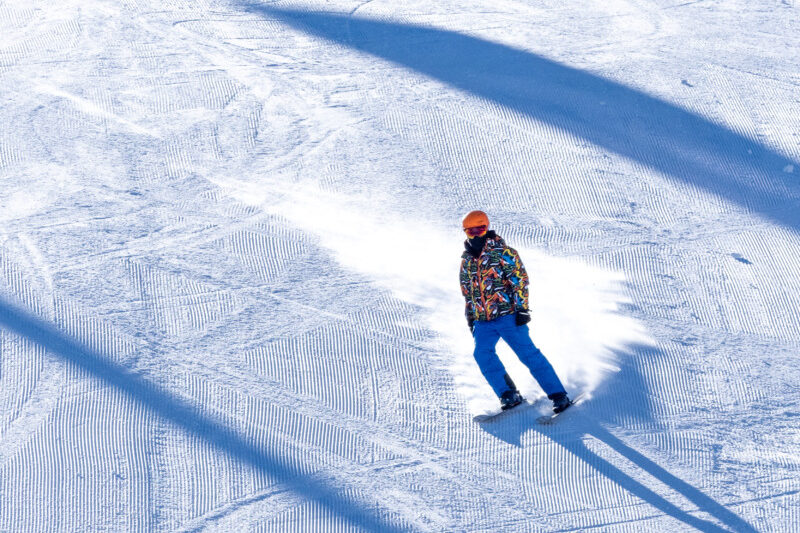
Yellowstone in winter works best as two connected trips. Mammoth Hot Springs and Lamar Valley are reachable by car from the North Entrance, while Old Faithful, the Grand Canyon of the Yellowstone, and most of the park interior require an authorized snowcoach or snowmobile trip after regular roads close.
This guide has been updated for the published 2026-27 winter schedule. It explains what is open, how to reach each area, where to stay, and which popular claims about winter access are wrong.
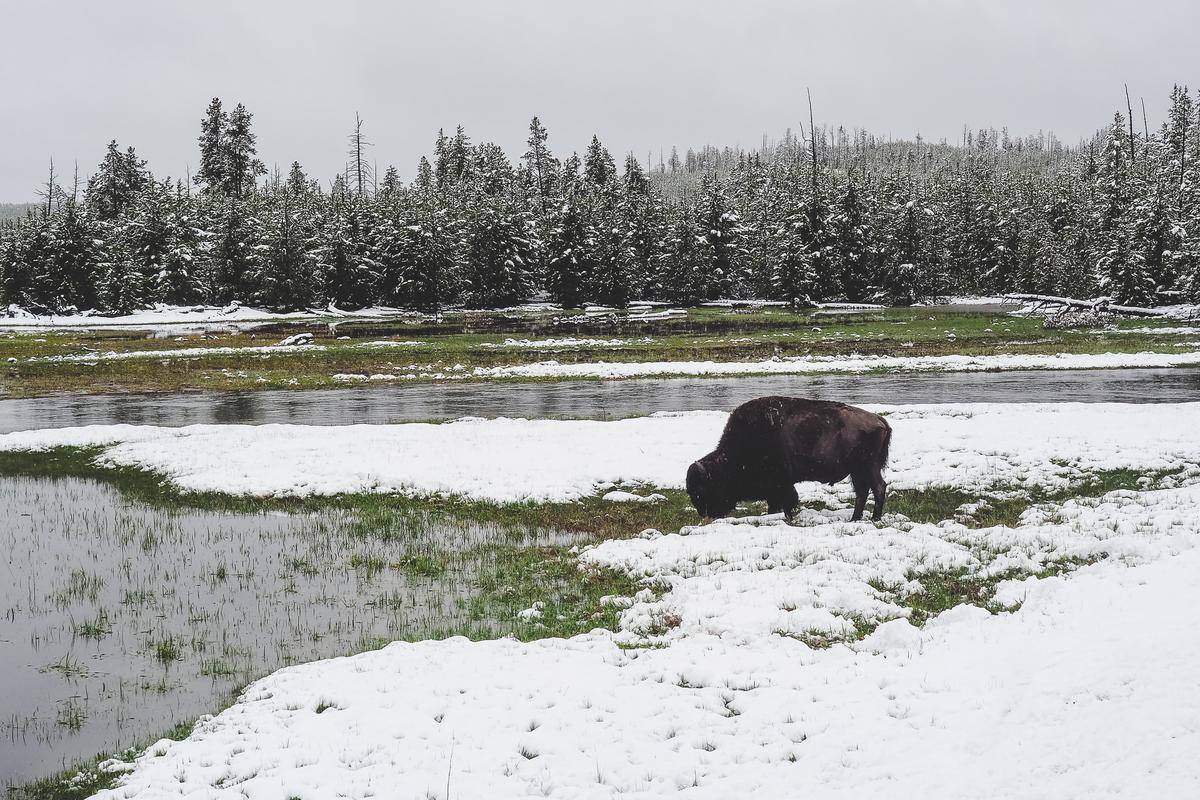
I visited Yellowstone during snow-season conditions and photographed bison, steaming thermal basins, and frozen lake scenery. That visit reinforced one planning point: access matters more than distance on the map. A place that looks close may be several hours away once regular roads close.
Last verified: August 4, 2026. Winter road dates, tours, lodging, and services can change with snow and operating conditions.
Yellowstone winter trip at a glance
- The road from the North Entrance at Gardiner to the Northeast Entrance near Cooke City is the only park road generally open year-round to regular vehicles.
- The main oversnow season runs from mid-December to mid-March. Old Faithful and most interior attractions require a commercial snowcoach, guided snowmobile, or approved non-commercial snowmobile permit.
- Mammoth Hot Springs Hotel and Old Faithful Snow Lodge are the two primary in-park winter lodges. Only Mammoth is reachable in a personal vehicle.
- Mammoth Campground is the park’s only year-round frontcountry campground.
- Swimming or soaking in Yellowstone’s thermal features is prohibited. Dog sledding and skijoring are also prohibited inside the park.
- Plan at least three days: one for the Northern Range, one for an interior oversnow tour, and one weather-flex day.
In this guide
- What is open and how winter access works
- 13 verified Yellowstone winter activities
- Activities near Yellowstone that are not inside the park
- Where to stay
- A realistic 3-day itinerary
- What to pack
- Winter safety rules
- Frequently asked questions
What is open in Yellowstone in winter?
| Area | Regular car access | How to visit | Practical base |
|---|---|---|---|
| Mammoth Hot Springs | Yes, from the North Entrance | Drive, then walk maintained visitor areas as conditions allow | Gardiner or Mammoth |
| Lamar Valley and the Northern Range | Yes, via the North Entrance road | Drive slowly, use pullouts, and check road conditions | Gardiner, Mammoth, Silver Gate, or Cooke City |
| Old Faithful and Upper Geyser Basin | No | Commercial snowcoach, guided snowmobile, or approved permit trip | Old Faithful Snow Lodge, Mammoth, or West Yellowstone |
| Grand Canyon of the Yellowstone | No | Book an oversnow tour whose itinerary includes Canyon | Mammoth or Old Faithful Snow Lodge |
| Norris, Madison, West Thumb, and Lake | No for ordinary winter driving | Access depends on an authorized oversnow route and current tour itinerary | Choose the base used by your operator |
For the projected 2026-27 season, oversnow travel begins December 15, 2026, on several interior routes. Final closing dates range from March 7 to March 15, 2027, depending on the road segment. Every date is weather-dependent.
National Park Service road schedule

Entrance fees and reservations
Yellowstone does not require a vehicle reservation, but an entrance pass is required. As of August 2026, a private-vehicle pass costs $35 and covers one vehicle for seven consecutive days. The National Park Service also lists an additional $100 per-person fee for non-U.S. residents age 16 and older unless they enter with an eligible annual or America the Beautiful pass. Check the current Yellowstone fee page before paying for a tour because entrance fees may not be included.
The best things to do in Yellowstone in winter
The list below prioritizes activities that are available under Yellowstone’s winter access rules. Tour routes, trail conditions, and operating dates still need a final check before your trip.
1. Ride a snowcoach into the park interior
A snowcoach is the most practical choice for first-time winter visitors who want to see Old Faithful or Canyon without riding an exposed snowmobile. The coach is heated, and guided trips usually include wildlife, scenic, and thermal-feature stops when conditions permit.
Choose the departure point before booking lodging. Operators run from gateway communities and in-park bases, but their routes are not interchangeable. For the 2026-27 season, the published Mammoth-to-Old Faithful transfer operates from December 16, 2026, through March 7, 2027. Current one-way adult rates are roughly $179 to $183, depending on direction. Treat that price as a planning estimate and verify it when reserving.
Best for: families, photographers carrying equipment, and travelers who prefer a heated ride. Book early: seating, lodge rooms, and oversnow transfers are limited.
2. Watch Old Faithful erupt in the snow

Cold air makes Old Faithful’s steam plume look larger and denser than it does on a warm day. The tradeoff is an icy viewing area, so wear boots with strong traction and leave time to walk carefully.
Old Faithful does not erupt exactly every hour. The National Park Service’s 2026 handbook reports a median interval of 102 minutes, plus or minus 12 minutes, with observed intervals ranging from 54 to 118 minutes. Check the current prediction in the NPS app, at the visitor center, or at open lodge facilities rather than relying on a fixed schedule.
Allow time for the Upper Geyser Basin boardwalks, but follow the route your guide approves. Snow can obscure boardwalk edges, and the ground outside designated paths may be thin above scalding water. Our guide to Yellowstone’s best geysers explains the major features you may encounter.
3. Look for wolves in Lamar Valley
Lamar Valley is one of the strongest reasons to base a winter trip at Gardiner or Mammoth. It sits along the year-round North Entrance-to-Northeast Entrance road, so you can reach it in a regular vehicle when the road is open and safe.
Start before sunrise, bring binoculars or a spotting scope, and use designated pullouts. Wolves are often distant and sightings are never guaranteed. A guided wildlife trip can be worthwhile because local guides monitor recent activity and carry high-powered optics.
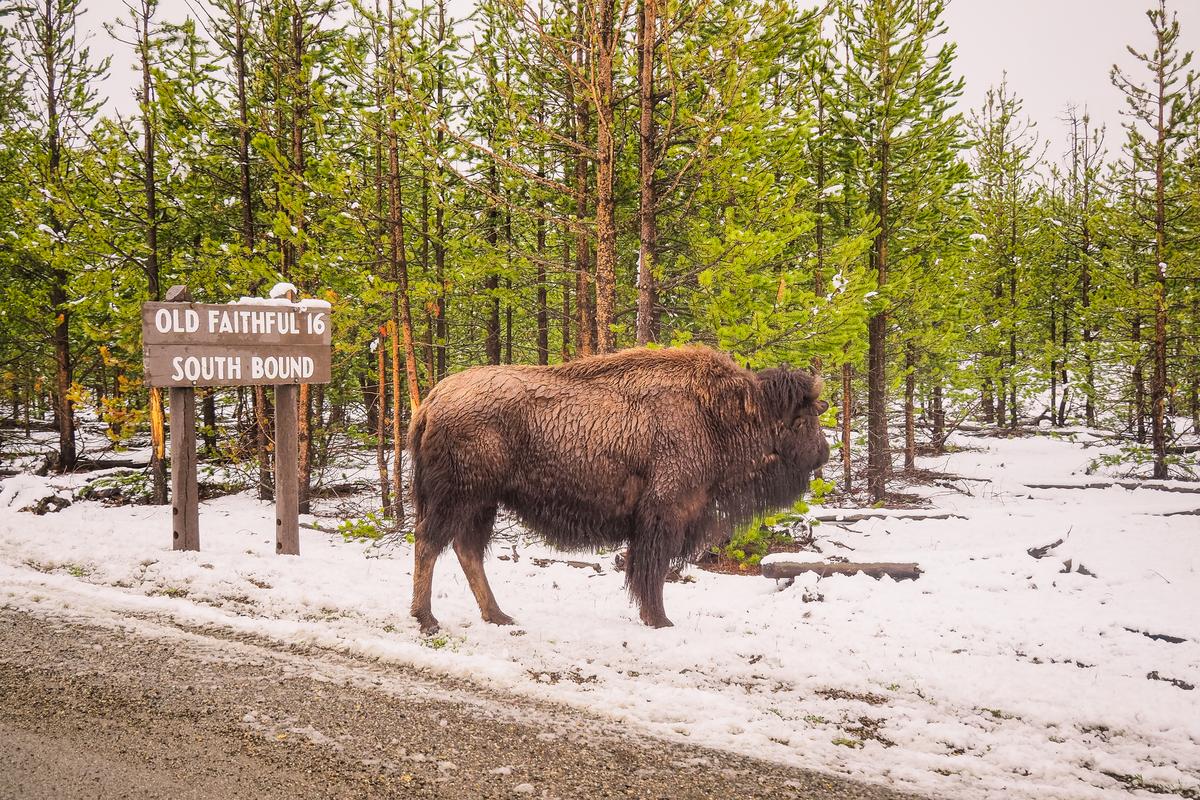
Do not stop in the traffic lane or crowd an animal. If bison are on the road, stay in the vehicle, slow down, and let them move at their own pace.
4. Photograph bison and winter landscapes

Snow simplifies Yellowstone’s backgrounds and makes dark wildlife easier to isolate in a frame. Lamar Valley, the road near Tower Junction, Mammoth, and the geyser basins reached by oversnow tour all offer strong opportunities.
- Use a long lens rather than moving closer to wildlife.
- Carry spare batteries inside an inner pocket because cold drains them quickly.
- Use a lens hood and microfiber cloth when snow is falling.
- Before taking a cold camera into a warm room, seal it in a bag so condensation forms on the bag instead of inside the equipment.
Park rules require at least 100 yards of distance from bears and wolves and at least 25 yards from bison, elk, and other wildlife. A telephoto lens is both safer and more useful than trying to close the distance.
5. Go cross-country skiing

Cross-country skiing gives you a slower view of Yellowstone than a vehicle tour. Only a limited number of trails are groomed, but unplowed roads and trails are generally open to skiing unless a closure applies.
From Gardiner, you can reach ski areas around Mammoth, Tower, and the Northeast corridor. Reaching Canyon or Old Faithful trails requires an oversnow tour or approved permit access. Check conditions at a visitor center because deep snow, open streams, thermal ground, wildlife, and avalanche terrain can turn a simple-looking route into a serious outing.
Best for: active visitors with prior Nordic-ski experience. Beginners should consider a lesson or a short groomed route before committing to a remote trail.
6. Go snowshoeing

Snowshoeing has a lower technical barrier than cross-country skiing, but it can be physically demanding in deep snow. Stay on a route that matches your fitness and daylight window, and avoid stepping directly in groomed ski tracks.
Rentals and lessons may be available at the open winter lodges. Interior routes still require oversnow transportation. For a first outing, choose a short trail near Mammoth or a lodge rather than treating a summer mileage estimate as a winter estimate.

Warming huts are useful when open, but do not treat them as a substitute for proper clothing. Confirm the current operating list before setting out.
7. Walk the Mammoth Hot Springs terraces

Mammoth is the easiest major thermal area to visit without an oversnow tour. The terraces sit near the North Entrance road, Albright Visitor Center, Mammoth Hotel, and the historic Fort Yellowstone district.
The boardwalk can be icy, and snow may hide changes in elevation. Stay on the designated route, use traction aids, and never step onto thermal ground. The formations and water flow change over time, so the view may differ from older photos. See our Mammoth Hot Springs guide for the geology and main stops.
8. Join a guided snowmobile trip

Snowmobiling offers a more exposed and active ride than a snowcoach. Inside Yellowstone, you cannot simply rent a machine and roam on your own. Most visitors must join an authorized guided trip.
The exception is the Non-Commercially Guided Snowmobile Access Program. It uses a permit system, requires an approved guide within the group, and has training and equipment rules. Up to four non-commercial groups may enter per day, one at each oversnow entrance, so this option requires advance planning.

Best for: travelers comfortable with cold, wind, and a full day in winter gear. A snowcoach is usually the better choice for small children, limited mobility, or substantial camera equipment.
9. See the Grand Canyon of the Yellowstone by oversnow tour
Winter changes the canyon into a high-contrast scene of snow, dark rock, ice, and moving water. It is inaccessible by regular vehicle during the core winter season, so book a snowcoach or guided snowmobile itinerary that specifically lists Canyon.
Do not assume every Old Faithful tour also visits the canyon. Route length, weather, road grooming, daylight, and departure base all affect the itinerary. Confirm the stops, time outside the vehicle, meal plan, and cancellation terms before paying.
10. Visit Albright Visitor Center and Fort Yellowstone
Albright Visitor Center is open year-round and gives you an indoor place to check conditions, speak with park staff, and understand the history of Mammoth and Fort Yellowstone. It is a useful stop before driving toward Lamar Valley or walking the terraces.
Winter services elsewhere are limited, and some warming huts have dates listed as pending. Use the official Yellowstone operating calendar rather than an old blog post or map screenshot.
11. Stay at Old Faithful Snow Lodge and go ice skating
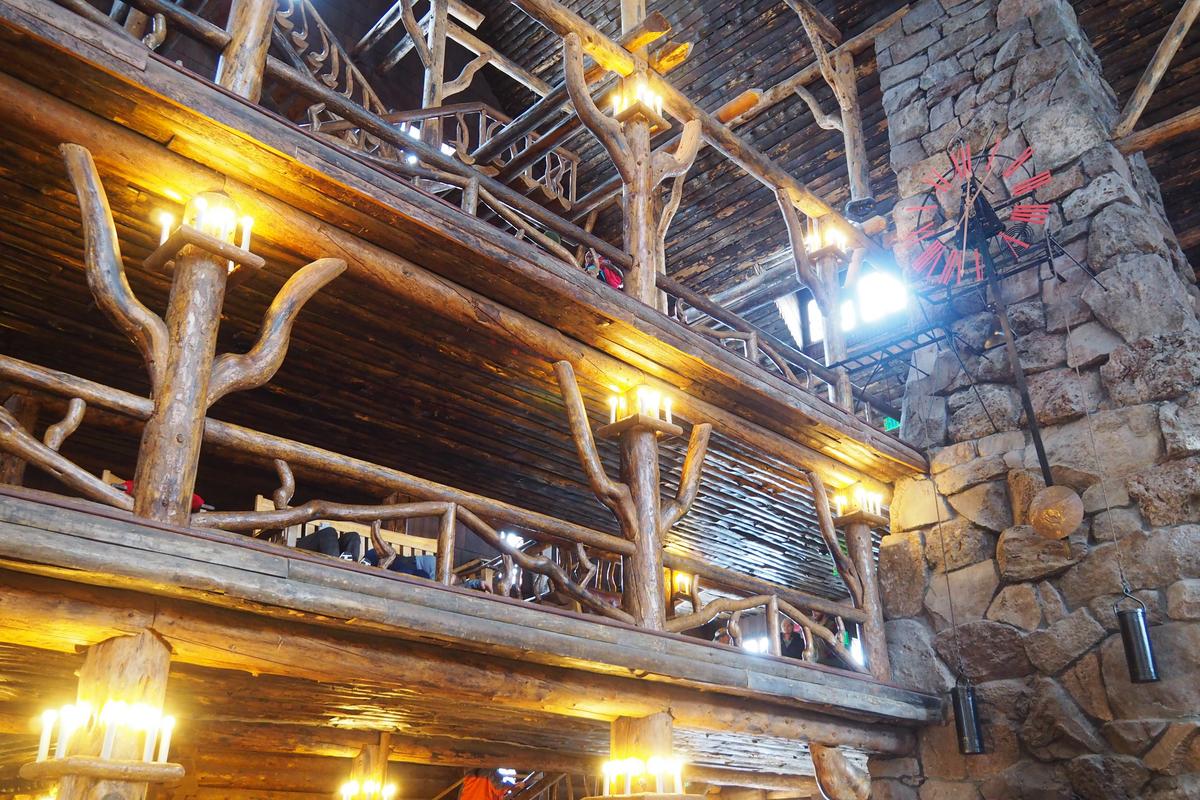
Old Faithful Snow Lodge is inside the park’s Upper Geyser Basin, not outside the entrance. In winter, you must arrive by commercial snowcoach or snowmobile. The published 2026-27 winter season runs from December 16, 2026, through March 7, 2027, subject to change.
The lodge provides direct access to ski and snowshoe routes, equipment services, tours, and an outdoor skating rink with complimentary skate rentals. Staying overnight also gives you more time around Old Faithful than a same-day tour.
This is the strongest in-park option for travelers who want several days in the interior. Reserve the room and round-trip oversnow transportation together; a room reservation does not remove the transportation requirement.
12. Join a winter field seminar
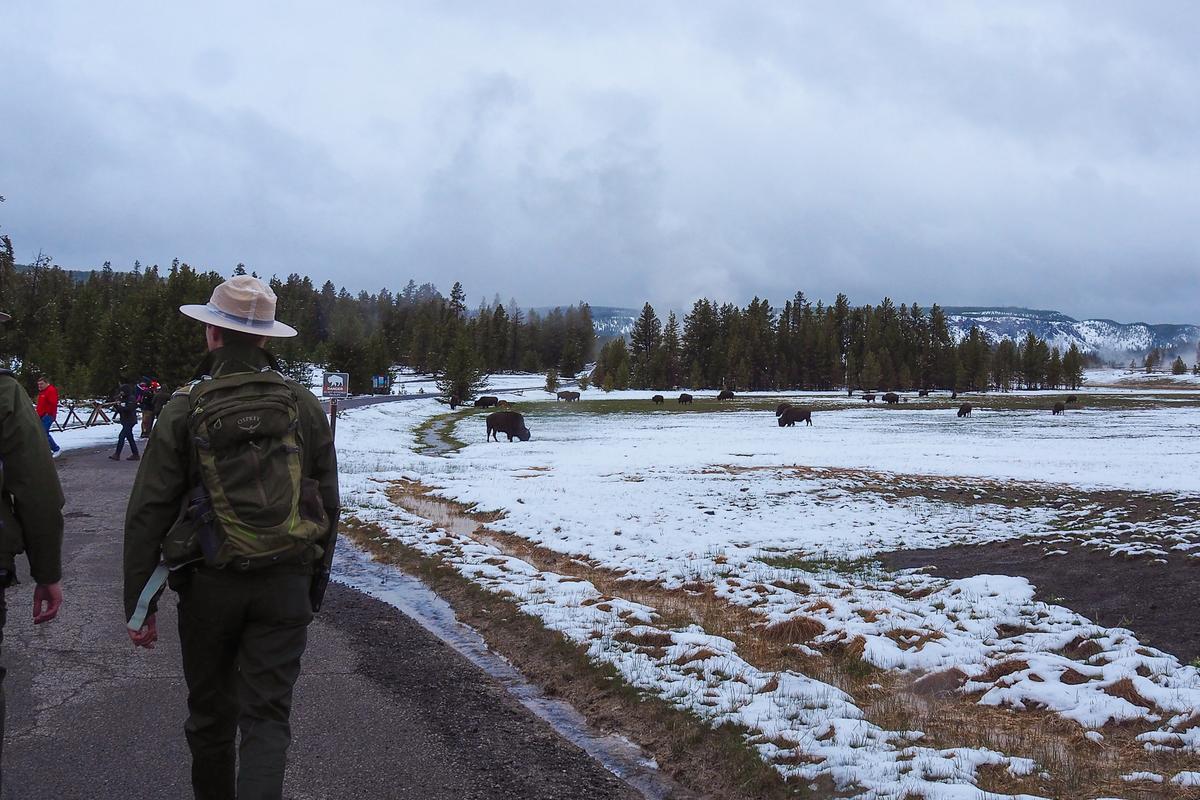
Yellowstone Forever runs winter field seminars covering wolves, wildlife tracking, photography, geology, and cross-country skiing. Programs vary by date and may use Gardiner, Mammoth, or the Lamar Buffalo Ranch as a base.

This is a better fit than a general sightseeing tour for travelers who want several hours or days on one subject. Read the program’s fitness level, transportation, lodging, and equipment requirements carefully before booking.
13. Camp at Mammoth Campground
Mammoth Campground is Yellowstone’s only year-round frontcountry campground. The current listing shows 82 sites at $25 per night, with first-come, first-served winter camping from October 15 through April 1. The winter combined RV-and-vehicle length limit is 30 feet.
This is basic cold-weather camping. The campground has flush toilets and potable water, but no showers and no RV hookups. Fishing Bridge is the park’s only campground with full hookups, and it is not open for winter camping.
Use a true winter sleep system, an insulated pad, dry clothing reserved for camp, and a vehicle emergency kit. Car camping or overnight parking outside a designated campground is prohibited. First-time winter campers should test their gear closer to services before committing to Yellowstone temperatures.
Popular winter activities near Yellowstone, not inside the park
Several experiences commonly described as Yellowstone activities take place outside the national park. That distinction affects legality, driving time, and which entrance can be used.
Dog sledding

Dog sledding and skijoring are prohibited inside Yellowstone National Park. Tours marketed for the Yellowstone region operate on permitted land outside the park. Confirm the exact meeting point and transfer time before booking.
Soaking at Yellowstone Hot Springs
You cannot swim or soak in Yellowstone’s thermal features. A legal alternative is Yellowstone Hot Springs, about eight miles north of the North Entrance in Montana. As of August 2026, the facility lists Tuesday-through-Sunday hours of 9 a.m. to 9 p.m., Monday closure, and an adult admission price of $18. Hours are expressly subject to change, so check the official hours and prices before driving there.
Cutting a Christmas tree

Do not cut a tree inside Yellowstone. Christmas tree cutting is allowed in approved areas of Custer Gallatin National Forest with a permit and location-specific rules. Verify land boundaries, road closures, tree species, and stump-height restrictions before cutting.
Buffalo Bill Center of the West in Cody

The Buffalo Bill Center of the West is a strong indoor stop in Cody, with five museums under one admission. From December 1 through February 28, its current schedule is Thursday through Sunday, 10 a.m. to 5 p.m.; adult admission is $23. Cody should be treated as a separate winter base or road-trip segment because the East Entrance is closed to regular vehicles. See our guide to things to do in Cody before adding the detour.
Where to stay for a Yellowstone winter trip
| Base | Best for | Winter access | Main tradeoff |
|---|---|---|---|
| Mammoth Hot Springs Hotel | Northern Range, Lamar Valley, in-park convenience | Reachable by personal vehicle from Gardiner | Old Faithful still requires oversnow transport |
| Old Faithful Snow Lodge | Geysers, skiing, snowshoeing, several interior days | Commercial oversnow transport required | Higher cost and less flexibility |
| Gardiner | Drive-in access, Lamar wildlife days, restaurants and services | Directly outside the North Entrance | Long day if adding the park interior |
| West Yellowstone | Snowcoach and snowmobile departures from the west | No regular-vehicle entry to the interior | Your trip depends on a booked operator |
| Silver Gate or Cooke City | Early access to the Northeast corridor | Reachable through the park from Gardiner when the year-round road is open | Remote services and serious winter driving |
| Big Sky | Adding downhill skiing before or after Yellowstone | Outside the park | Not an efficient base for daily Yellowstone sightseeing |
The two in-park winter lodges
Mammoth Hot Springs Hotel’s 2026-27 winter activities and tours are scheduled from December 15, 2026, through March 8, 2027. Old Faithful Snow Lodge is scheduled from December 16, 2026, through March 7, 2027. Both schedules are subject to change.
Do not book these summer lodges for a winter stay

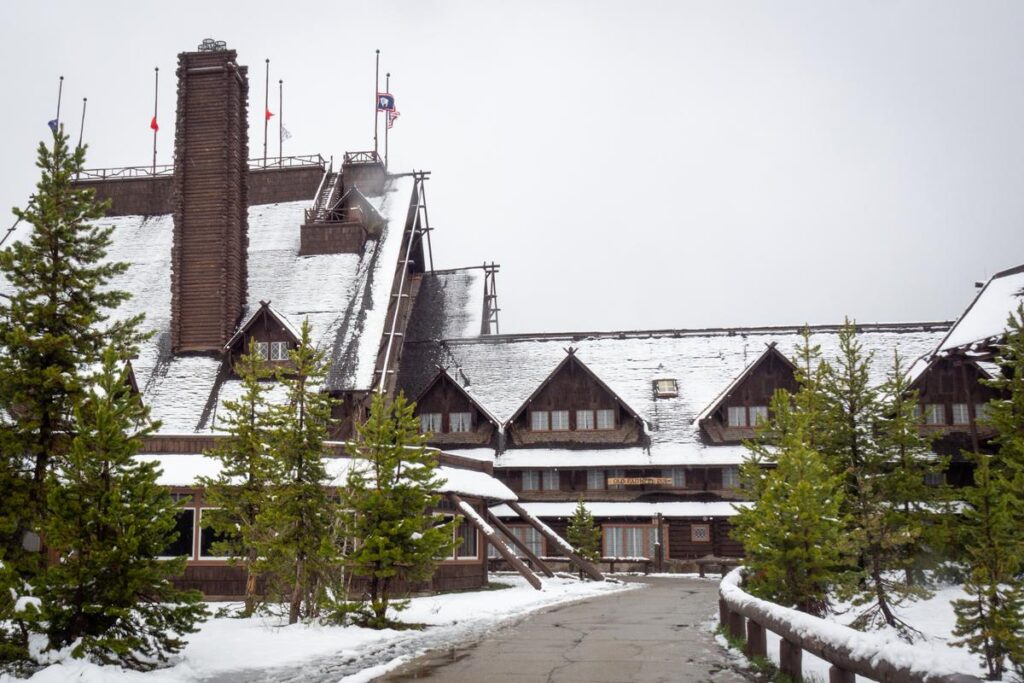
Lake Yellowstone Hotel and Old Faithful Inn are not winter lodging options. The similar names around Old Faithful cause frequent confusion: the winter property is Old Faithful Snow Lodge, not Old Faithful Inn.
The Lodge at Big Sky

The Lodge at Big Sky can work as a ski-resort stop before or after Yellowstone. It should not be presented as an in-park hotel or a convenient daily base for Lamar Valley and Old Faithful. Winter road time and your tour’s departure point matter more than straight-line distance.
A realistic 3-day Yellowstone winter itinerary
Day 1: Mammoth and the Northern Range
- Enter through Gardiner and stop at Albright Visitor Center.
- Walk the Mammoth terraces with traction aids.
- Drive toward Lamar Valley, using pullouts for wildlife viewing.
- Return before dark unless you are prepared for remote winter driving.
Day 2: Old Faithful by snowcoach
- Take a prebooked snowcoach from your selected base.
- Watch Old Faithful and walk the approved Upper Geyser Basin route.
- Add a short ski, snowshoe, or lodge stop if the itinerary permits.
- Carry food, water, medication, and camera batteries in your day bag.
Day 3: Choose one focused experience
Use the third day for a Canyon snowcoach, guided snowmobile trip, Yellowstone Forever seminar, cross-country ski outing, or a second Lamar wildlife morning. Keeping this day flexible gives you room to adjust for weather or a canceled route.
For a longer warm-season plan, use our Yellowstone itinerary. Do not copy summer drive times into a winter schedule.
What to pack for Yellowstone in winter
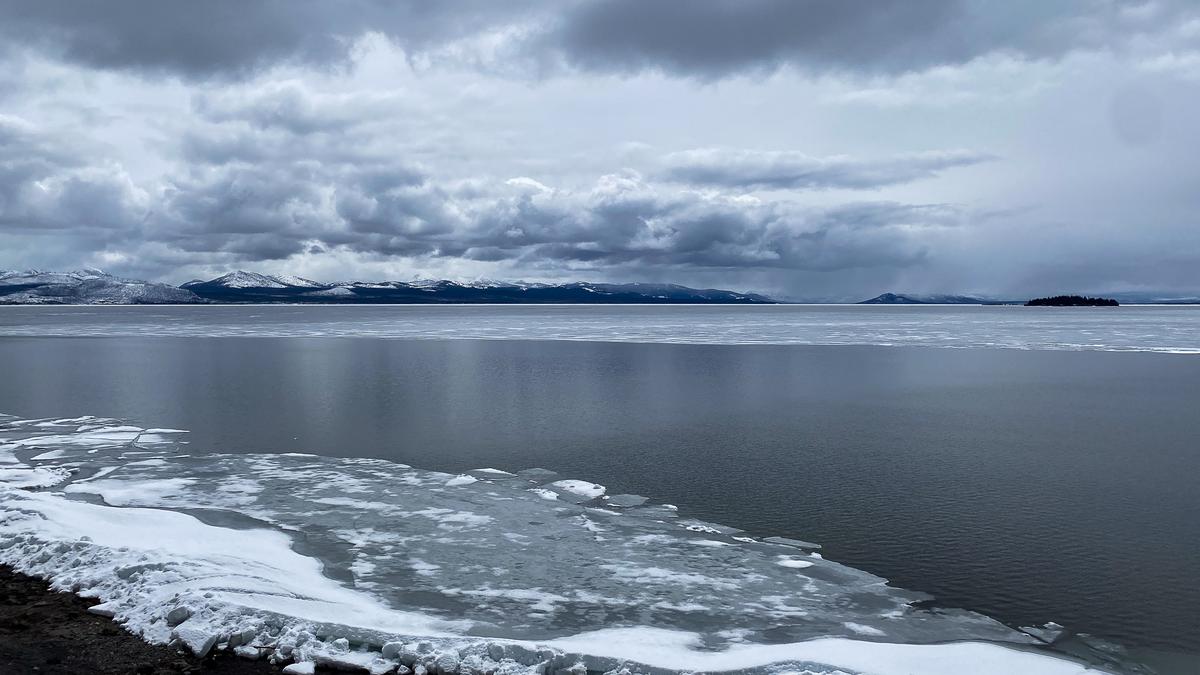
Typical winter daytime temperatures range from 0°F to 20°F, and subzero temperatures are common at night and at higher elevations. Pack for the coldest part of the day and for time outside a heated vehicle.
- Moisture-wicking base layers; avoid cotton next to the skin.
- Insulating fleece or wool midlayers.
- Insulated, wind-resistant outer jacket and snow pants.
- Waterproof insulated boots with room for one pair of warm socks.
- Warm hat, neck gaiter, liner gloves, and insulated mittens.
- Removable traction aids for icy boardwalks and parking areas.
- Sunglasses, sunscreen, lip balm, and insulated water bottles.
- Food, medication, paper map, headlamp, power bank, and downloaded NPS app content.
- For the vehicle: winter tires, scraper, shovel, blankets, emergency food, and tire chains or traction devices where required.
For camping, add a four-season shelter suited to the forecast, a properly rated sleeping bag, and an insulated sleeping pad. Do not rely on an improvised snow pit under a tent as a warming method.
Winter safety rules that matter
- Check conditions twice: once before leaving your lodging and again before entering the park or boarding a tour.
- Stay on boardwalks: snow can hide thin thermal crust and scalding runoff.
- Keep wildlife distance: at least 100 yards from bears and wolves and 25 yards from all other wildlife.
- Use pullouts: never stop, stand, or walk in a traffic lane for a photograph.
- Do not soak in park hot springs: swimming and soaking in thermal features are prohibited and potentially fatal.
- Plan for weak connectivity: download maps and tour details before arrival and tell someone your route.
- Respect turnaround times: winter travel is slower, daylight is limited, and weather can close a route with little notice.
Yellowstone in winter FAQ
Is Yellowstone National Park open in winter?
Yes, but access is limited. The North Entrance-to-Northeast Entrance road is generally open to regular vehicles year-round. Most interior roads close to regular vehicles and reopen for authorized snowcoach and snowmobile travel from roughly mid-December to mid-March.
Can you drive through Yellowstone in winter?
You can drive the road from Gardiner through Mammoth and the Northern Range toward Cooke City when conditions allow. You cannot drive a regular vehicle to Old Faithful, Canyon, or most of the park interior during the core winter season.
What is the best entrance for Yellowstone in winter?
The North Entrance at Gardiner is the most flexible choice because it provides year-round regular-vehicle access to Mammoth Hot Springs and Lamar Valley. West, South, and East entrance access to the interior is by authorized oversnow travel during the operating season.
Can you see Old Faithful in winter?
Yes. Book an authorized snowcoach or guided snowmobile trip, or stay at Old Faithful Snow Lodge and arrange the required oversnow transfer. Regular cars cannot reach Old Faithful during the core winter road closure.
When is the winter season in Yellowstone?
Snow and winter closures can begin in fall and continue into spring, but the main oversnow visitor season generally runs from mid-December to mid-March. For 2026-27, projected route dates vary by road segment from December 15, 2026, through March 15, 2027, subject to conditions.
How many days do you need in Yellowstone in winter?
Three days is a useful minimum: one day for Mammoth and Lamar Valley, one day for a prebooked interior snowcoach or snowmobile tour, and one flexible day for weather, skiing, snowshoeing, Canyon, or another wildlife outing. Add a fourth night if staying at Old Faithful Snow Lodge.
Can you swim in Yellowstone hot springs in winter?
No. Swimming or soaking in Yellowstone’s thermal features is prohibited. Use a regulated commercial hot spring outside the park, such as Yellowstone Hot Springs north of Gardiner, and verify its current hours and rules before visiting.
Plan the trip around access, not a summer map
A strong Yellowstone winter trip pairs one driveable Northern Range day with one prebooked interior experience. Add a flexible day for weather, wildlife, or a human-powered activity. That structure prevents the most common planning mistake: booking lodging in one gateway and assuming every park landmark is reachable by car.
Before departure, recheck the official NPS winter guide, live road conditions, your tour confirmation, and lodge operating dates.
Related Yellowstone planning resources