MenuClose

A place worth knowing

Denali National Park

Nature · National park in AlaskaUpdated

  • Google rating4.8/5
  • Typical visitMultiple days to a week or more for a comprehensive wilderness immersion, or a full day for a basic drive through the park road.
  • EntranceFree
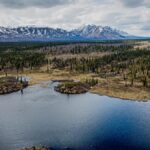
Scenic Nenana River landscape near Denali National Park, Alaska
Kyle Kroeger / ViaTravelers
  • Today (Sunday)Open 24 hours
  • Typical visitMultiple days to a week or more for a comprehensive wilderness immersion, or a full day for a basic drive through the park road.
  • EntranceFree
  • Google rating4.8/5
  • WebsiteOfficial site ↗
  • TicketsCheck availability ↗
Opening hours all week
Monday
Open 24 hours
Tuesday
Open 24 hours
Wednesday
Open 24 hours
Thursday
Open 24 hours
Friday
Open 24 hours
Saturday
Open 24 hours
Sunday
Open 24 hours
Features
  • Iconic Landmark
The short answer

Why it matters

Denali National Park and Preserve encompasses 6 million acres of Alaska’s interior wilderness.

Denali National Park and Preserve encompasses six million acres of pristine Alaskan wilderness anchored by North America’s tallest peak, the 20,310-foot Denali (formerly Mount McKinley). This vast protected landscape presents one of the continent’s most spectacular wilderness experiences, characterized by taiga forest, alpine tundra, snaking rivers, and massive glaciers. The park’s extraordinarily diverse ecosystem supports iconic wildlife including grizzly bears, wolves, moose, caribou, and Dall sheep—often visible from the park’s single 92-mile road, which penetrates deep into this roadless sanctuary. Unlike more developed national parks, Denali maintains a deliberate wildness with limited infrastructure and strictly managed visitation, creating an authentic wilderness immersion. The Denali experience changes dramatically through the seasons—summer brings 20+ hours of daylight and abundant wildlife viewing, autumn transforms the tundra into a blazing tapestry of reds and golds, winter delivers pristine solitude amid extreme conditions, and spring marks the great awakening when animals emerge with newborn offspring. Beyond natural splendors, the park preserves rich cultural heritage from ancient Athabascan peoples to early 20th-century gold miners and pioneering mountaineers. For visitors seeking profound connection with raw natural processes and untamed landscapes, Denali offers unparalleled opportunities for wilderness hiking, wildlife photography, mountaineering, and experiencing true ecological integrity increasingly rare in today’s world.

Cultural Context

First national park created specifically to protect wildlife 1917, home to Mount Denali highest peak North America at 20310 feet, sacred to Alaska Native peoples representing 11000 years continuous cultural presence, symbol of American wilderness preservation

Historical Context

Originally Mount McKinley National Park established 1917 as 2 million acres, expanded to 6 million acres preserving complete ecosystem, inhabited seasonally by indigenous hunters gatherers for millennia, renamed honoring Native Athabascan name meaning the high one


Context

Story and significance

About

Denali National Park in interior Alaska centers on a vast wilderness dominated by North America’s tallest peak, Denali (formerly Mount McKinley), and offers dramatic tundra, boreal forest and alpine landscapes. The park is oriented around wildlife viewing, backcountry hiking, scenic drives and ranger-led programs; visitors often spot moose, caribou, Dall sheep, wolves and bears along the park road or from bus tours. Travel here involves planning for seasonal access and weather variability, using shuttle services or guided trips to reach trailheads, and respecting strict Leave No Trace practices to protect fragile ecosystems and wildlife.

Historical significance

Denali is historically significant for conservation history in the United States, representing efforts to preserve large intact subarctic ecosystems and iconic mountain landscapes. It is important to Indigenous communities, conservationists and natural historians as a site of traditional use, scientific study and national park development.

Historical context

Denali’s landscape has long been inhabited and used by Alaska Native peoples, and the area became the focus of conservation efforts in the early 20th century leading to official park and preserve designations. Over the 20th century the park developed infrastructure for visitor access while ongoing management has aimed to balance public use with protection of wilderness values and native resources.

Cultural context

Denali National Park is a major cultural and recreational destination in Alaska that holds deep significance for local communities, Indigenous peoples and visitors who come for wilderness recreation, wildlife viewing and spiritual connection to the land. The park supports guided and independent experiences that emphasize solitude, landscape appreciation and stewardship of subarctic ecosystems.

Architecture

As primarily a natural area, Denali’s architectural presence is minimal and focused on park infrastructure such as ranger stations, visitor centers and backcountry shelters designed to be functional and low-impact. When present, buildings commonly use durable materials and designs suited to subarctic conditions and to minimize visual intrusion on the vast landscape.

Local significance

Denali National Park is central to regional identity in Interior Alaska and holds deep significance for local communities, including Indigenous peoples, seasonal workers and long-term residents. It is an economic and cultural anchor through tourism, guiding and hospitality services, and it provides a shared landscape for recreation, subsistence, and education about wild, subarctic ecosystems. For many locals the park’s wilderness, mountain views and wildlife are integral to a sense of place and stewardship, shaping local livelihoods and conservation values.

Updated Data: Editorial research · Google Places ratings