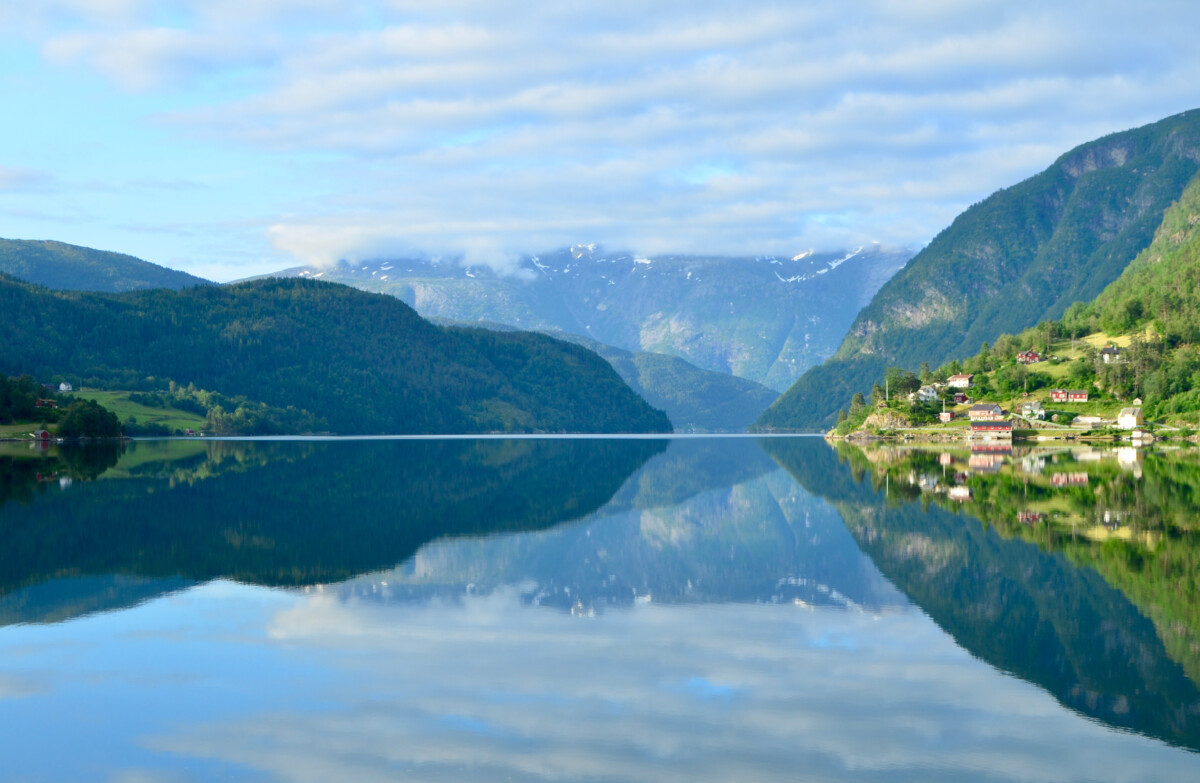
Norway's second-longest fjord, known as the 'queen of the fjords' for its spring apple and cherry blossom orchards along glacier-fed shores
- Universal Appeal and Cultural Authenticity
- Stunning natural beauty that consistently leaves visitors in awe.
- Offers a quintessential Norwegian fjord experience, encapsulating the serene and dramatic landscapes the country is known for.
- Showcases local traditions through fjord cruises and roadside stops.
- Cultural Richness and Educational Value
- Features historically significant landmarks such as ancient waterfalls and charming towns along the route.
- Provides insights into Norway’s maritime heritage and natural geography.
- Educational tours and guides offer a deeper understanding of the region’s ecological and cultural history.
- Preservation and Integrity
- Natural features, such as waterfalls and fjords, are well-maintained and protected.
- Efforts to keep the area clean and minimize human impact are apparent but could always improve.
- Preservation of local flora and fauna through various environmental initiatives.
- Accessibility and Visitor Engagement
- Offers various ways to explore, from driving along the fjord to taking day cruises.
- Easy access to beautiful roadside stops and picnic spots.
- Some areas may have tricky navigation; ensure research is done to avoid less scenic locations like the fish processing plant.
History and Significance
You might be surprised that
Hardangerfjord‘s history stretches back thousands of years. Ancient rock carvings near the fjord show that people have called this area home since the Stone Age.
In recent times, Hardangerfjord has become famous for its fruit orchards. Apple and cherry trees dot the hillsides. These orchards have been here since the 1300s when monks first brought fruit trees to the region.
The fjord also played a big role in Norway’s folk music. The Hardanger fiddle, a traditional instrument, gets its name from this area. You can still hear its unique sound at local festivals.
Hardangerfjord’s breathtaking scenery has drawn visitors for centuries. In the 1800s, European royalty started coming here for holidays, helping put the fjord on the map as a must-see destination.
Today, you can follow in their footsteps. Take a boat ride on the crystal-clear waters, hike to
stunning waterfalls, or visit charming villages. You’ll be experiencing a place that’s not just beautiful but steeped in rich history and culture.
Main Attractions and Activities
You’ll find plenty to keep you busy in Hardangerfjord. The show’s star is the fjord itself – hop on a boat tour to soak in those jaw-dropping views. Trust me, you won’t regret it!
For waterfall chasers, you’re in luck. Don’t miss the famous Vøringsfossen waterfall. It’s a stunner, with water plunging nearly 600 feet. The Bride’s Veil and
Steinsdalsfossen waterfalls are also must-sees.
Feeling adventurous? Strap on your hiking boots and hit the trails. The scenery is out of this world. I still remember the first time I hiked here – it took my breath away!
If you’re into history, check out the Agatunet Museum. It’s a fascinating glimpse into the area’s past.
Take a ride on the Voss Gondol for a bird’ s-eye view. The panoramas at the top are incredible.
And don’t forget to explore charming villages like Ulvik and Rosendal. They’re perfect for a stroll and a taste of local life.
Visitor Experience
You’ll be awestruck by the sheer majesty of Hardangerfjord. As you cruise, calm waters, cliffs, and cascading waterfalls surround you. The air is crisp and clean, filled with pine and sea spray.
Crowd levels vary depending on the season. Summer brings more tourists, but even then, it’s not overly packed. You’ll have plenty of space to take the views and snap photos.
The local staff and guides are friendly and knowledgeable. They’re happy to share stories about the fjord’s history and highlight interesting sights.
For a unique experience, try kayaking on the fjord. You’ll get up close to the shoreline and maybe spot some wildlife. Or visit in spring to see the fruit orchards in full bloom – it’s a breathtaking sight!
Don’t forget to sample some local apple cider. The Hardangerfjord region is famous for it, and you can even visit orchards to see how it’s made.
Tips for Visitors
Planning a trip to Hardangerfjord? Here’s what you need to know! Spring and early summer are magical times to visit. You’ll see fruit trees in bloom and waterfalls at their most powerful.
Pack layers – the weather can be unpredictable. Don’t forget a rain jacket and comfortable walking shoes.
Want to save some cash? Book your
fjord cruise in advance online.
Prices vary, but expect to pay around 600-800 NOK for a day trip from Bergen. Look for combo tickets that include attractions like the Barony Rosendal.
If you’re on a budget, consider visiting during shoulder season (May or September). You’ll avoid peak crowds and might snag better deals on accommodations.
Thinking of hiking? Bring plenty of water and snacks. The trails can be challenging, but the views are worth it! And don’t worry if you’re not super fit – there are easy walks along the fjord, too.
Remember, Hardangerfjord is all about nature. Put away your phone and soak in those gorgeous views. Trust me, you won’t regret it!
Accessibility and Facilities
Hardangerfjord is surprisingly accessible, even for those with mobility challenges. Many hotels offer wheelchair-friendly rooms and facilities; the main visitor centers have ramps and elevators.
When nature calls, you won’t have to worry. Clean public restrooms are available at most major attractions and viewpoints along the fjord. Remember to carry some coins, as a few may charge a small fee.
Feeling peckish? You’re in luck! Cute cafes and restaurants dot the shoreline, serving up tasty local treats.
Try the apple cider – a regional specialty you won’t want to miss.
Parking is generally plentiful, with dedicated spaces for disabled visitors at popular spots. But it’s a good idea to arrive early during peak season to snag the best spots.
Remember that some of the smaller boat tours might not be fully accessible. It’s best to check ahead if you have specific needs. But don’t let that stop you – the views from the land are just as breathtaking!
Unique Features
You’ll be amazed by Hardangerfjord’s one-of-a-kind attractions. The fjord’s sheer cliffs plunge dramatically into deep blue waters, creating a stunning backdrop for your adventures.
One standout feature is the region’s famous fruit orchards. In spring, you’ll be treated to a sea of pink and white blossoms covering the hillsides. It’s like stepping into a fairytale!
Don’t miss the chance to walk behind Steinsdalsfossen waterfall. You can get up close to the rushing water without getting wet – a truly unique experience.
For a thrilling view, head to
Trolltunga. This rock formation juts out over the fjord, offering epic photo ops. Just be prepared for a challenging hike to reach it.
I’ll never forget kayaking on the glassy fjord waters, surrounded by snow-capped mountains. The tranquility was magical.
Hardangerfjord is also known for its delicious cider. You can visit local farms to taste this crisp, refreshing drink made from the area’s famous apples.
Best Time to Visit
- Spring (April to June): Experience the stunning bloom of fruit orchards, particularly the famous apple blossoms, set against the backdrop of snow-capped mountains and lush landscapes.
- Summer (June to August): This season is ideal for outdoor activities like hiking, cruising, and exploring waterfalls. Long daylight hours and mild weather make it easy to enjoy the fjord’s beauty.
- Autumn (September to October): Enjoy the vibrant fall foliage, fewer crowds, and the possibility of witnessing the Northern Lights as the nights lengthen.
Overall Impressions
Hardangerfjord’s natural beauty will blow you away. The stunning blue waters stretch for miles, surrounded by towering mountains and lush green landscapes. It’s a feast for the eyes at every turn.
The boat cruise from Bergen to Rosendal is a highlight. You get to soak in breathtaking views for about 2 hours each way. Once in Rosendal, you have time to explore the charming village and visit the Barony’s rose garden.
For the adventurous, a glacier hike on Folgefonna is unforgettable. Walking on blue ice is surreal and gives you a new appreciation for nature’s power.
The only downside is that some bus tours don’t allow enough time to appreciate the scenery fully. If possible, opt for a longer stay to truly immerse yourself.
You’ll leave feeling refreshed and in awe of Norway’s
natural wonders. Hardangerfjord is a must-visit for any nature lover or photography buff. The memories and photos you take home will make you dream of a return trip.
Pros and Cons
Let’s dive into the ups and downs of visiting Hardangerfjord. This stunning
Norwegian fjord has much to offer, but like any destination, it has pros and cons.
Pros:
- Breathtaking natural beauty
- Diverse activities (hiking, boating, sightseeing)
- Rich cultural experiences
- Stunning waterfalls and glaciers
- Quaint villages to explore
Cons:
- Can be crowded during peak season
- Weather can be unpredictable
- Limited public transportation options
- Expensive (like most of Norway)
- Some attractions may have limited hours
I remember trying to visit a local museum one day in town, only to find it closed. Bummer! So make sure you check opening times before you go. Despite these minor drawbacks, I’d say Hardangerfjord is still a must-visit. Just be prepared for a bit of rain and bring plenty of kroner!