Makati is Metro Manila’s financial and commercial capital, occupying a dense grid of barangays south of the Pasig River. The district ranges from the gleaming towers of Ayala Avenue to the gritty, bar-lined streets of Poblacion and the leafy enclaves of Forbes Park and Dasmarinas Village. Its compact layout makes it one of the most walkable parts of Metro Manila, and its MRT station provides direct links across the metro.
What is Makati known for?
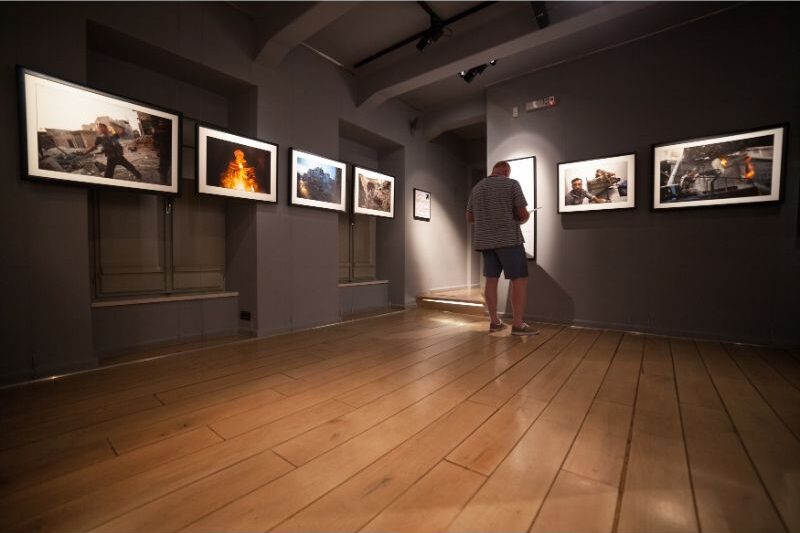
Makati is known as Metro Manila’s primary central business district, anchored by Ayala Avenue, which runs through a corridor of multinational headquarters, five-star hotels like the Shangri-La Makati and Peninsula Manila, and the interconnected Greenbelt and Glorietta shopping complexes. The Ayala Center cluster—comprising Greenbelt 1 through 5, Glorietta, and the Landmark department store—forms one of the largest retail hubs in Southeast Asia, drawing both residents and tourists for dining, cinema, and luxury retail. The historic Ayala Museum on Makati Avenue houses permanent collections of Philippine gold artifacts, dioramas of Philippine history, and rotating contemporary art exhibitions.
Best things to do in Makati
Visitors to Makati can explore a wide range of activities spanning culture, nightlife, and green space, concentrated within a few walkable kilometers. Top experiences include:
- Browse the Ayala Museum’s gold collection and pre-colonial artifact galleries on Makati Avenue
- Walk through Greenbelt Park, an open-air garden at the center of the Greenbelt mall complex
- Explore the street-art murals and independent bars of Poblacion, particularly along Kalayaan Avenue and Ebro Street
- Visit Salcedo Saturday Market in Salcedo Village for local produce, artisan food, and Filipino specialty goods
- Catch a live performance at the Carlos P. Romulo Auditorium or events at the Ayala Triangle Gardens
Where to eat in Makati
Makati’s dining scene spans high-end Filipino cuisine, international restaurants, and affordable local canteens, with distinct clusters in Legazpi Village, Poblacion, and the Ayala Center. Legazpi Village and the surrounding streets around Dela Rosa and Amorsolo hold a concentration of well-regarded restaurants serving modern Filipino dishes such as sinigang, kare-kare, and crispy pata. Poblacion’s Kalayaan Avenue and the network of side streets host a dense mix of craft cocktail bars, ramen shops, Korean restaurants, and late-night Filipino eateries. The Legazpi Sunday Market, held in Legazpi Active Park, offers a weekend showcase of street food and Filipino specialty bites.
Where to walk in Makati
The most rewarding walking route in Makati runs from Ayala MRT Station along Ayala Avenue through the Ayala Triangle Gardens to Greenbelt, then continues through Legazpi Village to Salcedo Village and the Legazpi Active Park. A second route begins in Poblacion at Rockwell Center, crosses into the residential streets behind Paseo de Roxas, and loops through Urdaneta Village toward the quiet perimeter roads of Forbes Park. Both walks are best done in the early morning or after 5 p.m. to avoid midday heat.
How to get to Makati
Makati is served by the Ayala Station and Buendia Station on MRT Line 3, which connects directly to Taft Avenue, EDSA, and Quezon City. Ayala Station sits at the intersection of EDSA and Ayala Avenue, placing visitors within walking distance of Greenbelt, Glorietta, and the central business district. Jeepneys and UV Express vans operate along EDSA and Ayala Avenue, and app-based ride services like Grab provide door-to-door access throughout the district.
Best time to visit Makati
The best time to visit Makati is between November and February, when the dry season brings lower humidity, temperatures averaging 24–30°C, and clear skies for outdoor dining and walking. The Ayala Triangle Gardens hosts a nightly Festival of Lights sound-and-light show each December, drawing large crowds to the Ayala Avenue corridor. Weekday mornings are ideal for the Ayala Museum and quieter café browsing, while Saturday and Sunday mornings are best for Salcedo and Legazpi markets respectively.