
Vietnam stretches along the eastern coast of the Indochinese Peninsula, presenting a narrow S-shaped profile with over 3,400 kilometers of coastline along the South China Sea. This Southeast Asian nation encompasses extraordinary geographical diversity—from the terraced rice fields and mist-enshrouded mountains of the northern highlands where ethnic minority groups maintain distinct cultural traditions, to the fertile Mekong Delta in the south where intricate waterways support floating markets and verdant agriculture. Vietnam’s rich historical tapestry spans over 4,000 years, including periods of Chinese domination, independent Vietnamese dynasties, French colonization, and the tumultuous American War era, all contributing layers to its complex cultural identity. The country’s stunning natural landscapes include the limestone karst formations of Ha Long Bay with its emerald waters and towering islands, the lush mountain retreat of Sapa, and the otherworldly cave systems of Phong Nha-Ke Bang National Park housing some of the world’s largest caverns. Vietnamese culture combines Confucian values emphasizing family, education, and respect for elders with distinctive artistic traditions like water puppetry and folk music using instruments like the dan bau. The famed cuisine offers complex yet harmonious flavor profiles built around fresh herbs, nuoc mam (fish sauce), contrasting textures, and regional specialties like pho, banh mi, and fresh spring rolls. From bustling Hanoi with its French colonial architecture and Old Quarter to dynamic Ho Chi Minh City’s modern skyline, from the former imperial capital of Hue to the lantern-lit streets of Hoi An’s Ancient Town, Vietnam presents visitors with a fascinating blend of ancient traditions and dynamic contemporary energy as the country continues its remarkable economic and social transformation.
The destination guide
Vietnam
Vietnam’s $2 banh mi beats most $20 meals abroad. The north and south feel like different countries — plan accordingly.
At a glance
- Vietnamese (English in tourist areas)
- Tropical coast
- Karst landscapes
- Mekong Delta
- Rice paddies
- Culture
- Street Food
- Nature
- History
- Beach
- Adventure
- Cycling
Practical basics
- Driving side
- Right
- Electrical standard
- 220V/50Hz Type A/C/D
- Measurement system
- Metric
- Emergency numbers
- 113/115
- Country code
- VN
How Vietnam scores
Character
Editorial scores on a 10-point scale, weighed against destinations of the same kind.
Travel safety snapshot
SafePlace indicators use their source 100-point scale; higher is more favourable. Planning context, not a live travel advisory — check official government guidance before you go.
When to go
Best months to visit: January, February, March, April, May, September, October, November and December.
- January: 16.1 to 24.6 degrees Celsius, 8.7 millimetres of rain, best-time score 4 out of 5.
- February: 16.3 to 26.5 degrees Celsius, 5.1 millimetres of rain, best-time score 4 out of 5.
- March: 18 to 29.4 degrees Celsius, 26.2 millimetres of rain, best-time score 5 out of 5.
- April: 19.6 to 30.4 degrees Celsius, 61.7 millimetres of rain, best-time score 5 out of 5.
- May: 20.5 to 29.2 degrees Celsius, 173.3 millimetres of rain, best-time score 4 out of 5.
- June: 20.4 to 27.5 degrees Celsius, 192.5 millimetres of rain, best-time score 3 out of 5.
- July: 20.2 to 26.6 degrees Celsius, 301.3 millimetres of rain, best-time score 3 out of 5.
- August: 20.2 to 26.9 degrees Celsius, 252.5 millimetres of rain, best-time score 3 out of 5.
- September: 19.7 to 26.7 degrees Celsius, 328.1 millimetres of rain, best-time score 4 out of 5.
- October: 19 to 26.3 degrees Celsius, 226.4 millimetres of rain, best-time score 5 out of 5.
- November: 18.5 to 25.5 degrees Celsius, 108.6 millimetres of rain, best-time score 5 out of 5.
- December: 17.1 to 24.2 degrees Celsius, 30 millimetres of rain, best-time score 5 out of 5.
Month-by-month conditions and packing advice
- January
- Mild to warm, mostly dry January in Vietnam: regional itineraries can still be excellent with rain and heat planning. Crowds: January in Vietnam is comfortable for sightseeing, neighborhoods, food stops, day trips, and outdoor time with limited weather friction. Pack: Pack light clothing, sun protection, and comfortable walking shoes.
- February
- Mild to warm, mostly dry February in Vietnam: regional itineraries can still be excellent with rain and heat planning. Crowds: February in Vietnam is comfortable for sightseeing, neighborhoods, food stops, day trips, and outdoor time with limited weather friction. Pack: Pack light clothing, sun protection, and comfortable walking shoes.
- March
- Warm to hot, mostly dry March in Vietnam: countrywide routing is easiest when northern, central, and southern weather patterns overlap more favorably. Crowds: March in Vietnam is workable with normal seasonal planning; build in layers, weather checks, and a mix of indoor and outdoor activities. Pack: Pack light clothing, sun protection, and comfortable walking shoes.
- April
- Warm to hot, occasional rain April in Vietnam: countrywide routing is easiest when northern, central, and southern weather patterns overlap more favorably. Crowds: April in Vietnam is workable with normal seasonal planning; build in layers, weather checks, and a mix of indoor and outdoor activities. Pack: Pack light clothing, sun protection, and comfortable walking shoes.
- May
- Warm to hot, rainy May in Vietnam: regional itineraries can still be excellent with rain and heat planning. Crowds: May in Vietnam is one of the wetter periods, so museums, food stops, flexible reservations, and backup indoor plans make the trip easier. Pack: Pack light clothing, sun protection, and comfortable walking shoes. Add a rain jacket or compact umbrella.
- June
- Warm to hot, rainy June in Vietnam: summer heat, humidity, and regional rains require flexible routing. Crowds: June in Vietnam is one of the wetter periods, so museums, food stops, flexible reservations, and backup indoor plans make the trip easier. Pack: Pack light clothing, sun protection, and comfortable walking shoes. Add a rain jacket or compact umbrella.
- July
- Mild to warm, rainy July in Vietnam: summer heat, humidity, and regional rains require flexible routing. Crowds: July in Vietnam is one of the wetter periods, so museums, food stops, flexible reservations, and backup indoor plans make the trip easier. Pack: Pack light clothing, sun protection, and comfortable walking shoes. Add a rain jacket or compact umbrella.
- August
- Mild to warm, rainy August in Vietnam: summer heat, humidity, and regional rains require flexible routing. Crowds: August in Vietnam is one of the wetter periods, so museums, food stops, flexible reservations, and backup indoor plans make the trip easier. Pack: Pack light clothing, sun protection, and comfortable walking shoes. Add a rain jacket or compact umbrella.
- September
- Mild to warm, rainy September in Vietnam: regional itineraries can still be excellent with rain and heat planning. Crowds: September in Vietnam is one of the wetter periods, so museums, food stops, flexible reservations, and backup indoor plans make the trip easier. Pack: Pack light clothing, sun protection, and comfortable walking shoes. Add a rain jacket or compact umbrella.
- October
- Mild to warm, rainy October in Vietnam: countrywide routing is easiest when northern, central, and southern weather patterns overlap more favorably. Crowds: October in Vietnam is one of the wetter periods, so museums, food stops, flexible reservations, and backup indoor plans make the trip easier. Pack: Pack light clothing, sun protection, and comfortable walking shoes. Add a rain jacket or compact umbrella.
- November
- Mild to warm, some rain November in Vietnam: countrywide routing is easiest when northern, central, and southern weather patterns overlap more favorably. Crowds: November in Vietnam is workable with normal seasonal planning; build in layers, weather checks, and a mix of indoor and outdoor activities. Pack: Pack light clothing, sun protection, and comfortable walking shoes. Add a rain jacket or compact umbrella.
- December
- Mild to warm, occasional rain December in Vietnam: countrywide routing is easiest when northern, central, and southern weather patterns overlap more favorably. Crowds: December in Vietnam is comfortable for sightseeing, neighborhoods, food stops, day trips, and outdoor time with limited weather friction. Pack: Pack light clothing, sun protection, and comfortable walking shoes.
- November
- December
- January
- February
- June
- July
Know before you go
About
Vietnam, a long, S-shaped country on the eastern edge of mainland Southeast Asia, is renowned for its dramatic landscapes, French-colonial and imperial heritage, vibrant street food, and a coastline stretching more than 3,000 kilometers along the South China Sea. In the north, the capital Hanoi blends ancient quarters with leafy boulevards, and nearby UNESCO-listed Ha Long Bay scatters thousands of limestone karst islands across emerald water. Central Vietnam holds the lantern-lit old town of Hoi An and the former imperial capital of Hue, while the south pulses with the energy of Ho Chi Minh City (Saigon), gateway to the Cu Chi Tunnels and the waterways and floating markets of the Mekong Delta. Travelers come for terraced rice fields, Buddhist pagodas, beaches at Da Nang and Nha Trang, and a famously rich cuisine of pho and banh mi, making Vietnam one of Asia’s most rewarding and affordable destinations.
Neighbourhoods
Hanoi Old Quarter – Vibrant historic district with narrow streets, traditional crafts, colonial architecture, and bustling markets reflecting centuries of cultural heritage; French Quarter (Ba Đình) – Elegant area showcasing French colonial villas, museums, and government buildings embodying Vietnam’s colonial past and artistic legacy; Hội An Ancient Town – Well – preserved trading port with lantern – lit streets, traditional wooden houses, and a rich fusion of Vietnamese, Chinese, and Japanese cultures; Saigon’s District 1 – Dynamic cultural hub blending French colonial landmarks, contemporary art galleries, and lively street life representing modern Vietnamese creativity and history
Best time to visit
October to April for the north; February to August for central coast; November to April for the south
Season by season
North (Hanoi, Ha Long Bay, Sapa): Cool dry season Oct–Apr; hot rainy season May–Sep
Central (Hue, Hoi An, Da Nang): Dry Feb–Aug; typhoon season Sep–Nov
South (HCMC, Mekong Delta): Dry Nov–Apr; wet May–Oct (brief afternoon showers)
Crowds
High in Ha Long Bay, Hoi An, and Sapa during peak season; moderate in Hanoi and HCMC; low in the Mekong Delta and Ha Giang
Getting there and around
Getting there
Noi Bai International Airport (HAN) in Hanoi and Tan Son Nhat (SGN) in Ho Chi Minh City are the main gateways. Da Nang (DAD) serves central Vietnam. Vietnam Airlines, VietJet, Bamboo, Singapore Airlines, Cathay Pacific, and many others serve Vietnam. E-visa available for most nationalities (90 days single/multiple entry).
Getting around
Domestic flights (Vietnam Airlines, VietJet, Bamboo) are cheap and connect major cities. Reunification Express trains run Hanoi–HCMC in 30+ hours (take segments). Sleeper buses connect most cities. Motorbike rental is popular (international licence or Vietnamese licence required). Grab (ride-hailing) works in cities. Local buses are cheap but slow. Ha Long Bay requires a cruise or tour.
Top experiences in Vietnam
Ha Long Bay
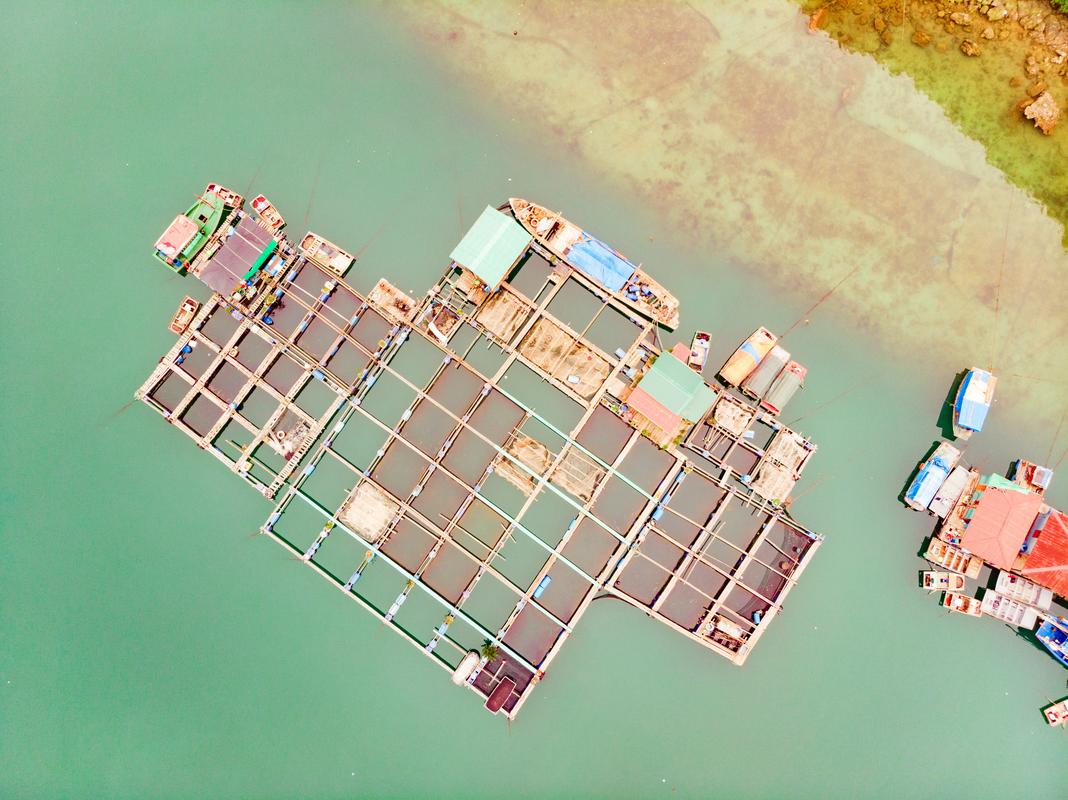
Ha Long Bay (UNESCO World Heritage Site) features nearly 2,000 limestone islands and karsts rising from emerald waters in the Gulf of Tonkin. Overnight junk boats cruise among the formations. Explore Sung Sot Cave, kayak through hidden lagoons, and visit floating fishing villages. The quieter Bai Tu Long and Lan Ha bays offer fewer boats. 3–4 hr from Hanoi by road. A 2-night cruise allows the deepest exploration.
Hanoi Old Quarter
Hanoi’s Old Quarter is a 1,000-year-old maze of 36 streets, each named for the trade guild that historically occupied it (Silk Street, Silver Street, etc.). Motorbikes, street vendors, and French-colonial architecture coexist in controlled chaos. Hoan Kiem Lake anchors the quarter with the red Huc Bridge leading to Ngoc Son Temple. The Temple of Literature (Vietnam’s first university, 1070 AD), Ho Chi Minh Mausoleum, and the legendary egg coffee at Café Giang are essentials.
Hoi An Ancient Town
Hoi An is a UNESCO-listed port town on central Vietnam’s coast, perfectly preserved from its 15th–19th century trading heyday when Japanese, Chinese, and European merchants converged. The Japanese Covered Bridge, Chinese assembly halls, and mustard-yellow shophouses line lantern-lit streets. Full-moon festivals illuminate the Thu Bon River with floating candles. Tailors produce custom clothing in 24 hours. An Bang Beach and the Tra Que vegetable village are short bicycle rides away.
Ho Chi Minh City
Saigon (Ho Chi Minh City) is Vietnam’s commercial engine and most dynamic city. The War Remnants Museum provides a sobering perspective on the Vietnam War. Notre-Dame Cathedral and the Central Post Office showcase French-colonial architecture. Ben Thanh Market is a sensory overload of food, fabric, and souvenirs. The Cu Chi Tunnels (70 km northwest) reveal the underground network used during the war. Bui Vien Walking Street delivers nightlife. Pho, banh mi, and com tam are ubiquitous.
Sapa & the Northern Highlands
Sapa, in the northern highlands near the Chinese border, is surrounded by terraced rice paddies cascading down mountain valleys. The Hmong, Dao, Tay, and Giay ethnic minorities maintain distinct dress, languages, and agricultural traditions. The Fansipan cable car reaches Vietnam’s highest peak (3,143 m). Multi-day treks through Cat Cat, Ta Phin, and Lao Chai villages pass through some of Southeast Asia’s most photogenic landscapes. 5 hr by train from Hanoi (overnight sleeper).
Editor-curated picks carried over from our original guide. Where a full place guide exists, the card links to it.
Where to stay
Sofitel Legend Metropole, Hanoi
1 Trang Tien Street, Hanoi, Vietnam
Sofitel Legend Metropole Hanoi is a 1901 French-colonial landmark in the heart of the Old Quarter. The 364-room hotel blends period architecture with modern luxury. Two wings (the historical Metropole Wing and the contemporary Opera Wing) offer distinct experiences. Le Beaulieu serves French-Vietnamese cuisine. The hotel’s wartime bunker and courtyard jazz evenings are iconic. Walking distance to Hoan Kiem Lake and the Opera House. Rates USD 250–1,200+ per night.
The Reverie Saigon, Ho Chi Minh City
2 Thao Dien, Ho Chi Minh City, Vietnam
The Reverie Saigon on Nguyen Hue Boulevard is Ho Chi Minh City’s most opulent hotel. 286 rooms furnished with Italian marble, Murano glass, and bespoke Visionnaire furniture occupy the upper floors of Times Square tower. Café Cardinal and R&J Italian Lounge & Restaurant deliver fine dining. The rooftop spa and infinity pool overlook the Saigon River. Walking distance to Ben Thanh Market. Rates USD 300–1,000+ per night.
Four Seasons The Nam Hai, Hoi An
1 Pham Hong Thai, Hoi An, Vietnam
Four Seasons Resort The Nam Hai sits on Ha My Beach between Hoi An and Da Nang. 100 villas with private pools open directly onto the beach. Three tiered infinity pools step down to the sand. The Spa draws on Vietnamese wellness traditions. The Heart of the Earth cooking school teaches Vietnamese cuisine. Cycling to Hoi An’s Ancient Town (10 min) is complimentary. Rates USD 500–2,000+ per night.
Editor-curated stays carried over from our original guide. Where we have reviewed the hotel, the card links to the review.
Tips from the field
Highlights
- Ha Long Bay — 2,000 limestone karsts rising from emerald waters (UNESCO)
- Hanoi Old Quarter — 1,000-year-old maze of trade streets, temples, and street food
- Hoi An — Lantern-lit UNESCO port town with tailors, temples, and cooking classes
- Ho Chi Minh City — War Remnants Museum, Cu Chi Tunnels, and dynamic street life
- Sapa — Terraced rice paddies and ethnic minority trekking in the highlands
- Hue — Imperial Citadel, royal tombs, and refined court cuisine
- Mekong Delta — Floating markets, fruit orchards, and sampan rides
- Phong Nha — World's largest cave systems (Son Doong, En Cave)
- Ninh Binh — 'Ha Long Bay on Land' limestone karsts and boat rides
- Hai Van Pass — Coastal mountain pass between Hue and Da Nang
Best activities
- Cruise Ha Long Bay on a traditional junk boat
- Eat pho and bun cha in Hanoi's Old Quarter
- Explore Hoi An's lantern-lit ancient streets by bicycle
- Visit the Cu Chi Tunnels near Ho Chi Minh City
- Trek through Sapa's terraced rice paddies
- Ride the Hai Van Pass by motorbike between Hue and Da Nang
- Cook Vietnamese cuisine in a Hoi An cooking class
- Float through the Mekong Delta in a sampan boat
- Drink egg coffee at Café Giang in Hanoi
- Explore the Imperial Citadel of Hue
Local experiences
- Slurp pho at a Hanoi sidewalk stall at 6 AM, drink cà phê sữa đá (iced coffee with condensed milk) at a tiny plastic-chair café, take a cyclo ride through Hue's citadel, paddle a basket boat in Cam Thanh coconut forest near Hoi An, ride the overnight train from Hanoi to Sapa, and float through the Mekong Delta's Cai Rang floating market at dawn.
Practical tips
- Vietnam is one of the most affordable countries in Southeast Asia — budget USD 30–80/day.
- Carry small-denomination dong — many street vendors can't break large bills.
- Tap water is not safe to drink — bottled water is cheap and available everywhere.
- Motorbike traffic is intense — cross streets slowly and predictably.
- SIM cards are cheap at the airport (Viettel, Mobifone).
- Book overnight trains and Ha Long Bay cruises in advance during peak season.
Photography tips
- Ha Long Bay: sunrise from the junk boat deck produces soft pink light on the karsts. Hoi An: the Japanese Bridge and lantern street photograph best at blue hour (5:30–6:30 PM). Sapa: terraced rice paddies are most vivid green in September–October (harvest season). Hanoi: the Old Quarter's chaos frames best with a wide-angle lens from elevated balcony cafés.
Timing
- Plan 2–3 days for Hanoi, 2 days for Ha Long Bay (overnight cruise), 2 days for Hue, 2–3 days for Hoi An, 2–3 days for HCMC, 2 days for the Mekong Delta, 2–3 days for Sapa. A north-to-south trip takes 14–21 days.
Keeping it authentic
- Vietnam's cultural tapestry is living and layered. The street-food culture — pho, bun cha, banh mi, egg coffee — is daily sustenance, not performative. Hoi An's lantern-making, Sapa's ethnic minority weaving, and Hue's imperial cuisine reflect genuine regional traditions. The motorbike culture (45 million in the country) is not just transport but a way of life. Water puppet theatre in Hanoi continues a 1,000-year-old Red River Delta tradition.
Culture, customs and safety
Cultural heritage
Vietnam’s cultural heritage spans 4,000 years from the Dong Son bronze drums to the Ly and Tran dynasties, French colonialism, and modern reunification. The country has 8 UNESCO World Heritage Sites including Ha Long Bay, Hoi An, Hue Imperial Citadel, and Phong Nha caves. Water puppet theatre (múa rối nước) dates to the 11th century. Vietnamese cuisine (pho, banh mi, bun cha) is recognised as one of the world’s most refined street-food traditions. Confucian, Buddhist, and Taoist traditions coexist.
Local customs & etiquette
Greet with a slight bow or handshake. Use both hands when giving or receiving items (including business cards). Remove shoes before entering homes and temples. Dress modestly at religious sites (cover shoulders and knees). Do not touch anyone’s head. Do not point with your finger — use an open hand. Crossing the street in Hanoi or HCMC requires confidence: walk steadily and slowly, and traffic flows around you. Tipping is not expected but appreciated (10,000–50,000 VND for service). Bargain politely in markets.
Safety notes
US State Department rates Vietnam Level 1 (exercise normal precautions). Vietnam is one of Southeast Asia’s safest countries for travellers. Petty crime (pickpocketing, motorbike bag-snatching) occurs in tourist areas of Hanoi, HCMC, and Nha Trang. Traffic is the biggest hazard — exercise extreme caution crossing streets and riding motorbikes. Scams (taxi overcharging, counterfeit goods) are common. Use Grab for transport. Emergency number: 113 (police) / 115 (ambulance).


