Kalemegdan Fortress’s 16-century sentinel built on white reef above Danube-Sava confluence, destroyed and rebuilt 40+ times through 100+ battles, now serving as vibrant open-air park museum where past meets present via galleries, cafes, and stunning river panoramas. Skadarlija’s bohemian quarter—”Belgrade’s Montmartre”—preserving romantic cobblestone streets where writers and artists gathered in 1900s taverns creating authentic bohemian atmosphere through colorful walls, traditional restaurants, and music-filled venues transporting visitors to another world. Danube and Sava rivers’ life-giving confluence creating Belgrade’s greatest peculiarity—daytime banks serving as main promenades for coffee, seafood specialties, sunbathing, and sports, while nighttime transforms into legendary splav floating nightclub culture unique to Serbia’s capital. Eastern-Western cultural fusion evident throughout this charismatic capital where ancient fortress overlooks modern energy, cobbled historical quarters meet contemporary urban development, and traditional tavern culture blends with vibrant nightlife along two great European rivers. Serbia’s captivating blend showcasing old-world charm within modern dynamism, making Belgrade a fascinating destination where 16 centuries of strategic importance continue through contemporary cultural vitality at this crucial European crossroads.
The destination guide
Belgrade

Kalemegdan was rebuilt 40 times. Skadarlija hasn’t changed in a century. Belgrade holds both without apology.
Travel guides for Belgrade
More guides featuring Belgrade (4)
At a glance
- Serbian
- Urban cityscape
- Danube-Sava confluence
- Fortress hilltop
- Parks
How Belgrade scores
Editorial scores on a 10-point scale, weighed against destinations of the same kind.
Travel safety snapshot
SafePlace indicators use their source 100-point scale; higher is more favourable. Planning context, not a live travel advisory — check official government guidance before you go.
When to go
Best months to visit: March, April, May, June, July, August, September and October.
- January: -1 to 4.4 degrees Celsius, 20.2 millimetres of rain, best-time score 2 out of 5.
- February: -0.3 to 6.9 degrees Celsius, 9 millimetres of rain, best-time score 2 out of 5.
- March: 2.9 to 11.4 degrees Celsius, 16.7 millimetres of rain, best-time score 4 out of 5.
- April: 7 to 17.4 degrees Celsius, 14.6 millimetres of rain, best-time score 5 out of 5.
- May: 11.1 to 20.9 degrees Celsius, 86 millimetres of rain, best-time score 5 out of 5.
- June: 15.1 to 26.5 degrees Celsius, 5.7 millimetres of rain, best-time score 5 out of 5.
- July: 18 to 31.3 degrees Celsius, 19 millimetres of rain, best-time score 4 out of 5.
- August: 18.1 to 30.7 degrees Celsius, 12.7 millimetres of rain, best-time score 4 out of 5.
- September: 15.6 to 25.3 degrees Celsius, 32.1 millimetres of rain, best-time score 5 out of 5.
- October: 9.8 to 18.6 degrees Celsius, 11.6 millimetres of rain, best-time score 5 out of 5.
- November: 5.4 to 12.1 degrees Celsius, 7.6 millimetres of rain, best-time score 3 out of 5.
- December: 0.1 to 5.5 degrees Celsius, 32.3 millimetres of rain, best-time score 2 out of 5.
Month-by-month conditions and packing advice
- January
- Cold weather, mostly dry January in Belgrade: winter cold makes outdoor-heavy sightseeing less comfortable. Crowds: This is low tourist season in Belgrade, with minimal crowds and far lower accommodation rates than in spring or summer. While outdoor sightseeing is possible, cold temperatures mean that extended walking tours require proper layering. January is ideal for travelers seeking an authentic, unhurried pace, with locals frequenting cozy kafanas and museums. Some river cruises and open-air attractions may be closed or operate on reduced schedules, but cultural institutions, indoor markets, and historic cafes remain fully active. Booking in advance is rarely necessary, and the city’s culinary scene offers hearty Serbian fare perfect for warming up after exploring. Visitors should be prepared for icy sidewalks and plan indoor activities during particularly cold spells. Pack: Insulated winter coat for sub-zero nights; Water-resistant boots with good grip for icy streets; Thermal base layers for extended outdoor exploration; Warm hat, scarf, and gloves; Compact umbrella for occasional rain or snow; Smart-casual warm attire for indoor dining and cultural venues
- February
- Cold weather, mostly dry February in Belgrade: winter cold makes outdoor-heavy sightseeing less comfortable. Crowds: February is low season in Belgrade, offering quieter streets, shorter lines at museums, and reduced accommodation rates compared to spring and summer. Cold but mostly dry weather means sightseeing is comfortable with the right clothing, though outdoor activities are better enjoyed in shorter bursts. This is an ideal month for cultural tourism—concerts, gallery visits, and hearty Serbian cuisine in warm kafanas. Daylight is limited, so plan key activities for mid-day hours when temperatures peak. Winter charm remains, without the peak-holiday crowds of December, making it a budget-friendly and peaceful time to explore. Pack: Thermal base layers for warmth; Insulated winter coat; Waterproof leather or lined boots; Wool scarf, hat, and gloves; Smart casual wear for indoor cultural venues; Crossbody bag to keep belongings secure in crowded areas
- March
- Cool weather, mostly dry March in Belgrade: early spring or summer can work with heat or layers planned in. Crowds: March sits firmly in Belgrade’s shoulder season, offering a quieter travel window between the cold of winter and the busy summer months. Accommodation prices are moderate, and popular attractions remain pleasantly uncrowded. The cooler temperatures favor sightseeing, though some outdoor cafés may not yet be in full operation. It’s an excellent time for cultural activities—museum visits, concerts, and exploring the city’s vibrant food scene—without having to navigate heavy tourist traffic. Layers are essential for shifting from brisk mornings to milder afternoons. Travelers should be aware that some seasonal riverfront venues may still be closed, but urban exploration is at its most comfortable, and photo opportunities are rich with soft spring light. Pack: Warm layers including a medium-weight jacket; Comfortable waterproof walking shoes; Scarf and gloves for cooler mornings and evenings; Compact umbrella for occasional showers; Smart-casual attire for cultural events and dining; Camera with low-light capability for early spring sunsets
- April
- Cool weather, mostly dry April in Belgrade: riverside districts, fortress walks, cafes, nightlife, museums, and day trips balance mild weather and long evenings. Crowds: April offers favorable travel conditions with manageable temperatures, low rainfall, and a lively spring atmosphere. This is shoulder season in Belgrade, meaning fewer crowds compared to summer, while still benefiting from longer days and active cultural life. Accommodation prices are moderate, and many outdoor attractions—such as Kalemegdan Fortress and Ada Ciganlija—are pleasant to visit without heat or congestion. Street festivals and open-air markets begin to reappear, making it a rewarding month for travelers seeking local life. While evenings can still feel cool, daytime sightseeing is comfortable and relaxed. Booking flexibility is generally higher than in peak season, but popular boutique hotels and central apartments may still require early reservations for the best choices. Pack: Light jacket or windbreaker for cool mornings and evenings; Comfortable walking shoes for cobblestone streets; Layered clothing to adjust to daytime temperature changes; Compact umbrella or light rain jacket for occasional showers; Scarf or light wrap for added warmth at night; Daypack for carrying water, snacks, and extra layers
- May
- Warm and pleasant, some rain May in Belgrade: riverside districts, fortress walks, cafes, nightlife, museums, and day trips balance mild weather and long evenings. Crowds: May is shoulder season in Belgrade, offering a sweet spot between the quiet of winter and the bustle of summer. Outdoor cafés reopen in full force, and the city’s festival calendar begins to fill, yet major tourist sites remain relatively uncrowded. Accommodation prices are moderate, and booking in advance is recommended if visiting during cultural events such as the Belgrade Beer Fest warm-up or spring music festivals. Weather conditions favor long walking tours, river cruises, and day trips to nearby monasteries, with the mild evenings perfect for enjoying the city’s famed nightlife. Occasional rain may briefly interrupt plans, but the showers often pass quickly, making flexible itineraries easy to maintain. Pack: Light waterproof jacket for passing showers; Comfortable walking shoes for cobblestone streets; Breathable layers for variable spring temperatures; Compact travel umbrella; Light scarf or wrap for cooler evenings; Daypack for carrying water and market finds
- June
- Warm and pleasant, mostly dry June in Belgrade: riverside districts, fortress walks, cafes, nightlife, museums, and day trips balance mild weather and long evenings. Crowds: June marks the start of Belgrade’s summer high season, offering excellent conditions for outdoor sightseeing, river cruises, and attending open-air festivals. The warm, mostly dry climate means minimal disruptions to travel plans, and the city’s long daylight hours allow visitors to pack in more activities each day. Tourist numbers rise steadily, particularly on weekends when regional travelers join the mix, though crowds remain more manageable than in peak July and August. Accommodation prices begin to climb, so early booking is advisable, especially for centrally located hotels or apartments. With riverside nightlife in full swing and cultural events happening across the city, June offers a dynamic blend of leisure and entertainment. It’s a perfect month for travelers seeking both daytime exploration and vibrant evening experiences. Pack: Lightweight breathable clothing for warm days; Comfortable walking shoes for cobblestone streets; Light jacket or sweater for cooler evenings; Sunglasses and broad-brimmed hat for sun protection; Reusable water bottle for long sightseeing days; Smart-casual attire for evening dining and events
- July
- Warm and pleasant, mostly dry July in Belgrade: early spring or summer can work with heat or layers planned in. Crowds: July marks peak summer in Belgrade, attracting both domestic and international visitors with its warm, dry weather and bustling cultural calendar. Outdoor attractions—boat tours, fortress walks, and riverside nightlife—are in full swing. Crowds are at their highest, especially around major festivals and popular dining districts, and accommodation prices typically rise accordingly. While conditions are ideal for sightseeing and open-air events, midday heat can be intense, so early mornings and late afternoons are best for active exploration. Booking accommodation and event tickets in advance is highly recommended. River breezes help moderate the warmth, making evening activities particularly pleasant. Pack: Lightweight, breathable summer clothing; Comfortable sandals or walking shoes; Wide-brimmed hat and high-SPF sunscreen; Reusable water bottle to stay hydrated; Light jacket or wrap for cooler evenings; Casual yet neat attire for nightlife and cultural events
- August
- Warm and pleasant, mostly dry August in Belgrade: early spring or summer can work with heat or layers planned in. Crowds: August is high summer in Belgrade, offering prime conditions for outdoor exploration and nightlife. Warm, dry weather supports full-day excursions, river cruises, and late-night street festivals. This is a busy travel month, with locals and visitors filling outdoor cafés and music venues, though crowd levels are more relaxed compared to European beach resorts. Accommodation prices can be moderately higher due to seasonal demand, but last-minute deals are still possible. The minimal rainfall means minimal disruptions for walking tours and cultural events, but midday heat can be intense, so morning and evening outings are more comfortable. Booking river activities and evening entertainment in advance is recommended. Pack: Lightweight breathable clothing for hot afternoons; Comfortable walking sandals or breathable sneakers; Wide-brimmed hat and high-SPF sunscreen; Reusable water bottle to stay hydrated; Light jacket or shawl for cooler evenings by the river; Casual yet modest outfits for churches and cultural sites
- September
- Warm and pleasant, some rain September in Belgrade: riverside districts, fortress walks, cafes, nightlife, museums, and day trips balance mild weather and long evenings. Crowds: September marks the tail end of Belgrade’s high tourist season, combining warm weather with gradually thinning crowds. Accommodation prices start to ease compared to peak summer months, making it a value-friendly period for extended stays. The pleasant climate supports a wide range of activities—river cruises, outdoor café culture, and cultural site visits—without the intensity of midsummer heat. Occasional rain may briefly alter plans, but it rarely disrupts the day. This is also a great month for attending local music and food festivals, with comfortable evenings ideal for enjoying Belgrade’s renowned nightlife. Advance booking is still recommended for popular hotels and restaurants, though last-minute options are more available than in July or August. Pack: Light layers for warm days and cooler evenings; Comfortable walking shoes for cobblestone streets; Compact travel umbrella or light rain jacket; Breathable fabrics for daytime comfort; Scarf or shawl for evening chill; Smart-casual attire for dining and nightlife
- October
- Cool weather, mostly dry October in Belgrade: riverside districts, fortress walks, cafes, nightlife, museums, and day trips balance mild weather and long evenings. Crowds: October offers a shoulder-season experience in Belgrade, combining comfortable weather with reduced tourist traffic. This is an excellent month for budget-conscious travelers, as hotel rates tend to be lower than in peak summer while still offering mild, walkable days. Outdoor attractions like the Kalemegdan Fortress, Ada Ciganlija, and historic neighborhoods such as Dorćol are pleasant to explore without the heat. Occasional chilly mornings and evenings mean travelers should be ready for layering. Fewer crowds at museums, galleries, and restaurants allow for a more relaxed cultural immersion. Advance booking is generally unnecessary except for major cultural events, making October a flexible and cost-effective time to visit. Pack: Light jacket or insulated windbreaker for cooler evenings; Comfortable walking shoes for cobblestone streets; Layered clothing to adapt to temperature swings; Compact umbrella or light rain jacket; Scarf or shawl for added warmth in the evenings; Camera for capturing autumn foliage and cityscapes
- November
- Cool weather, mostly dry November in Belgrade: late autumn is usable but cooler and less flexible. Crowds: November marks the shoulder season in Belgrade, when tourist numbers drop sharply after the vibrant summer and early autumn months. The cool but mostly dry conditions are ideal for travelers seeking cultural immersion without the bustle of peak-season crowds. Accommodation prices tend to be lower, and popular sites like Skadarlija and the Nikola Tesla Museum are far less congested. Outdoor sightseeing remains comfortable with appropriate layering, and the city’s café culture offers cozy respites between walks. Shorter daylight hours mean earlier starts are beneficial for maximizing exploration time. While major festivals are sparse, the atmosphere is authentically local, offering a slower, more intimate pace for discovering the city’s heritage and cuisine. Pack: Warm layered clothing for variable temperatures; Water-resistant walking shoes for cobblestone streets; Light scarf and gloves for chilly mornings and evenings; Compact umbrella for occasional showers; Smart-casual attire for restaurants and nightlife; Insulated jacket for extended outdoor activities
- December
- Cold weather, some rain December in Belgrade: winter cold makes outdoor-heavy sightseeing less comfortable. Crowds: December is part of Belgrade’s low tourist season, meaning fewer crowds at landmarks and better chances for off-season hotel deals. The cool, damp conditions and early sunsets make this a time for shorter outdoor excursions paired with indoor cultural activities—museums, galleries, and lively kafanas are at their most inviting. While heavy snow is rare, occasional icy patches can affect walking comfort, so footwear matters. This is also the season for festive street markets and holiday decorations, which are at their peak early in the month. Travelers should plan for layered clothing and flexible itineraries that balance brisk walks with warm indoor breaks. Pack: Insulated waterproof jacket for cold, damp conditions; Warm scarf, hat, and gloves for outdoor comfort; Water-resistant walking shoes with good grip; Layered sweaters and thermal base layers; Compact umbrella for light rain; Smart casual attire for indoor dining and cultural venues
Know before you go
Best time to visit
The best time to visit Belgrade is during spring (April to June) and autumn (September to October), when mild temperatures (15-25°C / 59-77°F), clear skies, and an active outdoor café culture make exploring the city’s fortresses, neighborhoods, and riverbanks a pleasure.
Spring (April-June)
Parks bloom with color, outdoor café terraces fill up, and temperatures climb from 15-25°C (59-77°F). May and June are particularly pleasant with warm days and long evenings. The Belgrade Dance Festival takes place in March-April.
Summer (June-August)
Hot with temperatures reaching 28-33°C (82-91°F). The city’s river splavovi (floating bars and clubs) along the Danube and Sava are at their peak. EXIT Music Festival in nearby Novi Sad draws international crowds in July. Beer Fest takes over Belgrade in August.
Autumn (September-October)
Comfortable weather (12-22°C / 54-72°F) with golden foliage in Kalemegdan Park. Belgrade International Theatre Festival runs in September. A calmer rhythm with fewer tourists and good dining experiences.
Winter (December-March)
Cold (0-7°C / 32-45°F) with occasional snow. Christmas and New Year celebrations are festive. Budget-friendly accommodation and a cozy atmosphere in the city’s kafanas (traditional taverns).
Season by season
Summer (June-Aug):
Weather: 25-35°C, hot
Highlights: River Splavs (clubs)
Best For: Nightlife
Spring (April-May):
Weather: 15-25°C, green
Highlights: Cafe culture returns
Best For: Walking
Fall (Sept-Oct):
Weather: 10-20°C, mild
Highlights: Belgrade Jazz Festival
Best For: Culture
Winter (Dec-Feb):
Weather: -5 to 5°C, cold
Highlights: Christmas (Jan 7)
Best For: Heavy food
Crowds
Belgrade is busiest in summer (June–August) with riverfront clubs and festivals packed and during events like Belgrade Beer Week, while winters (December–February) are markedly quieter; overall it experiences moderate but concentrated crowding in summer.
Getting there and around
Getting there
Belgrade is served by Nikola Tesla Airport (BEG), located 18 km west of the city center with connections to major European cities and seasonal long-haul flights. Airport bus line A1 runs to Slavija Square every 30 minutes, while minibus A2 serves New Belgrade. The city’s position at the confluence of the Danube and Sava rivers makes it accessible via river cruises. Belgrade’s main railway station connects to neighboring capitals including Budapest (7 hours), Sofia (9 hours), and Zagreb (6 hours), though services are being modernized. International bus connections link Belgrade to all Balkan cities and major European destinations.
Getting around
GSP Belgrade operates an extensive network of buses, trolleybuses, and trams covering the city and suburbs. The BusPlus system on major corridors requires validation before boarding. Purchase plastic BusPlus cards at kiosks or use the mobile app for tickets. Tram lines are particularly useful for reaching Kalemegdan Fortress and New Belgrade. Night buses run on weekends with N prefixed routes. Taxis are affordable but ensure meters are running or use apps like CarGo. The city center from Republic Square to Kalemegdan is pedestrian-friendly. River ferries connect the Sava and Danube waterfronts during summer months.
Top experiences in Belgrade
Kalemegdan Fortress
A massive fortress at the confluence of the Sava and Danube rivers. It has been destroyed and rebuilt over 40 times. It is a park, a zoo, a military museum, and the best sunset spot in the city. The ‘Pobednik’ (Victor) statue is the symbol of Belgrade.
Temple of Saint Sava
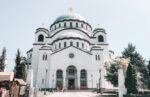
One of the largest Orthodox churches in the world. It is built on the spot where St. Sava’s remains were burned. The exterior is white marble, but the interior gold mosaics (15,000 sqm of them!) are breathtaking. It is the spiritual heart of Serbia.
Skadarlija
The bohemian quarter. A cobbled street lined with traditional ‘Kafanas’ (taverns) playing live folk music (starogradska). It is touristy but fun. It looks like Montmartre in Paris. The food is heavy, hearty, and delicious.
Nikola Tesla Museum
Dedicated to the genius inventor who was Serbian-American. It houses his ashes (in a golden sphere) and working models of his inventions. The guided tours are interactive—you can hold a fluorescent tube and light it up wirelessly with a Tesla coil!
Knez Mihailova Street
The main pedestrian shopping street. It is lined with 19th-century buildings, shops, cafes, and street artists. It connects Terazije directly to Kalemegdan. It is always buzzing with people and is the place to see and be seen.
Editor-curated picks carried over from our original guide. Where a full place guide exists, the card links to it.
Worth booking ahead in Belgrade
Hand-picked from the operators our guides already send readers to. Prices and availability are live on the partner site.
BrowseViator
Tours and tickets in Belgrade on Viator (opens Viator in a new tab)
Viator's full list of bookable tours and tickets in Belgrade.
BrowseGetYourGuide
Experiences in Belgrade on GetYourGuide (opens GetYourGuide in a new tab)
Everything GetYourGuide sells in Belgrade, with the cancellation terms on each listing.
Where to stayBooking.com
Stays in Belgrade (opens Booking.com in a new tab)
Live rates and availability for Belgrade on Booking.com; filter by neighbourhood once you know where your days start.
We earn a commission if you book through these links, at no extra cost to you. It is how we keep the guides free and independent.
Where to stay
Square Nine Hotel Belgrade
Studentski trg 9, Beograd 103933, Serbia
A stylish, modern hotel located in Student Square. It is impeccably designed (mid-century vibe) and offers a great spa and Japanese restaurant. It is sleek, quiet, and very central. It sets the standard for luxury in the city.
Metropol Palace
Bulevar kralja Aleksandra 69, Beograd 11000, Serbia
A Luxury Collection hotel with a rich history. It hosted stars like Elizabeth Taylor and Che Guevara. It is grand and imposing, located near the Parliament. The park-facing rooms are lovely. It feels like a piece of Belgrade history updated for today.
Hotel Moskva
Terazije 20, Beograd 11000, Serbia
Opened in 1908, this Art Nouveau gem is a city landmark on Terazije square. It has hosted Einstein and Hitchcock. It is famous for its cafe and the ‘Moskva Schnite’ cake. Staying here is like staying in a museum of Serbian history.
Editor-curated stays carried over from our original guide. Where we have reviewed the hotel, the card links to the review.
Tips from the field
Highlights
- Nightlife – Splavs (River clubs)
- History – Fortress & Yugoslav
- Tesla – Science legacy
- Food – Cevapi & Kajmak
- Rakija – Fruit brandy
- Zemun – Riverside town
- Rivers – Sava & Danube
- Spirit – Resilient energy
Best activities
- Watch the sunset from Kalemegdan. Visit the Nikola Tesla Museum (and get shocked). Eat 'Cevapi' (grilled meat) with 'Kajmak' (clotted cream). Party on a 'Splav' (floating river club) until dawn. Wander through Skadarlija. Walk up the Gardoš Tower in Zemun.
Local experiences
- Walk the ramparts of Kalemegdan Fortress at sunset, where the Sava and Danube rivers merge below you and locals gather to play chess, jog, and drink coffee. Eat ćevapi (grilled minced meat rolls) with kajmak (clotted cream) and lepinja bread at a traditional kafana in the Skadarlija bohemian quarter. Party on a splav — a floating river nightclub — along the Sava, where Belgrade's legendary nightlife runs until dawn. Browse the Zeleni Venac market for ajvar, local cheeses, and dried meats, then cross the river to stroll through the Austro-Hungarian backstreets of Zemun. Visit the Nikola Tesla Museum to see original equipment and handwritten notebooks from the inventor who changed the modern world. Cool off at Ada Ciganlija, Belgrade's artificial island beach on the Sava, where locals swim, cycle, and play sports on summer weekends.
Practical tips
- Currency: Serbian Dinar (RSD). Euros are sometimes accepted at larger establishments but not widely. ATMs and card payments are common in the city center.
- Getting There: Belgrade Nikola Tesla Airport (BEG) is 18 km from the center. Bus A1 connects to Slavija Square (~₽300 / ). Taxis cost around ₽2,500 (). Night buses available.
- Transportation: Public transport (buses, trams, trolleybuses) is cheap — single ride under €1. BusPlus card available at kiosks. Walking covers the central area easily. Car:Go and Yandex Go ride-hailing apps are reliable.
- Dining: Belgrade is one of Europe's most affordable capitals for dining. A full restaurant meal costs under €10. Street food (ćevapi, burek, pljeskavica) from €2-4. Kafanas (traditional taverns) serve generous portions with local wine or rakija. A half-liter beer costs about €1.
- Free Attractions: Kalemegdan Fortress and park, Knez Mihailova pedestrian street, Skadarlija bohemian quarter, Church of Saint Sava (exterior), confluence of Danube and Sava rivers.
- Tipping: 10% at restaurants is appreciated but not mandatory
- Electricity: 230V/50Hz, Type C/F plugs
Photography tips
- Golden Hour: Sunset from the wall of Kalemegdan overlooking the rivers.
- Iconic Shots:
- The Victor Monument (Pobednik) silhouette.
- The gold dome of Saint Sava.
- Gardoš Tower in Zemun.
- The brutalist architecture of New Belgrade (Genex Tower).
- Flowers in Skadarlija.
- Technique: Belgrade is gritty and photogenic. Contrast the crumbling facades with the modern waterfront.
Timing
- Peak Season (Summer):
- Hot, party season
- Shoulder Season (Spring/Fall):
- Best for sightseeing
- Low Season (Winter):
- Cold but festive
Keeping it authentic
- Belgrade is not 'pretty' in a classic sense
- it stands out for its energy. It is gritty, scarred by history, but incredible alive. Coffee culture is huge (sit for hours). Smoking is still allowed indoors in many places. Serbians are hospitable and passionate.
Culture, customs and safety
Cultural heritage
Belgrade stands at the confluence of Sava and Danube rivers, preserving 7,000 years of continuous habitation through Celtic, Roman, Byzantine, Ottoman, and Austro-Hungarian layers. Kalemegdan Fortress showcases military architecture from Roman wells to Austrian gates, while Skadarlija bohemian quarter maintains 19th-century kafana traditions with live music and rakija toasts. The city blends Orthodox heritage at Temple of Saint Sava with Ottoman traces in Dorćol’s cobblestones. Contemporary Belgrade pulses through splavovi (floating river clubs) and repurposed industrial spaces, creating unique nightlife culture atop ancient foundations.
Local customs & etiquette
Belgrade culture embodies Serbian hospitality where guests are treated as gifts from God, expressed through the saying “Gost je najveći dar” (A guest is the greatest gift). Kafana culture defines social life – these traditional taverns serve rakija (fruit brandy), grilled meats, and feature live folk music. Coffee culture means spending hours over a single Turkish coffee or espresso, never rushing conversations. The greeting “Živeli!” (Cheers/To life!) accompanies every toast. Slava, the celebration of family patron saints, showcases Serbian Orthodox traditions. Belgrade’s nightlife reputation as the “New Berlin” means clubs on splavovi (floating river clubs) operate until dawn. The local philosophy of inat (spite/defiance) reflects historical resilience, while the concept of merak represents finding joy in simple pleasures.
Safety notes
Belgrade is generally safe for tourists, with a welcoming atmosphere and low rates of violent crime.
General Safety:
• Petty theft (pickpocketing, bag snatching) occurs in crowded areas: public transport, Kalemegdan Fortress, Knez Mihailova pedestrian street, and markets
• Keep valuables secure in zip-up bags and avoid displaying expensive items
Taxi Safety:
• Use reputable services like Car:Go or Yandex Go apps rather than hailing unlicensed cabs
• Unlicensed drivers near the airport and bus station may overcharge
Nightlife:
• Belgrade’s nightlife (Savamala, river splavovi) is generally safe
• Stay aware of your surroundings and avoid walking alone in poorly lit areas late at night
Local Customs:
• Do not photograph certain government buildings (e.g., old Ministry of Defense)
• When visiting Orthodox churches, cover arms and legs
• Drug possession carries strict penalties
ATMs:
• Use ATMs in well-lit, public locations; check for tampering
• Exchange money at official exchange offices (menjačnica) for the best rates
Protests:
• Public demonstrations can occur — avoid large gatherings and follow local news
Emergency contacts:
• General: 112
• Police: 192
• Ambulance: 194
• Fire: 193