Galway distinguishes itself among Irish cities through its artistic energy, preservation of traditional culture, and position as gateway to the wild landscapes of Connemara and the Atlantic coast. This western Irish harbor city balances medieval history with contemporary creativity, its compact center retaining the original 13th-century street pattern where the Spanish Arch stands as a remnant of the old city walls that once protected this important trading port. Galway’s pedestrianized streets radiate from Eyre Square through the Latin Quarter, where buskers provide a soundtrack to streets lined with colorful shopfronts housing independent bookstores, craft shops selling Claddagh rings (the traditional Irish symbol of love originated in a Galway fishing village), and cozy pubs where traditional music sessions continue the centuries-old practice of communal music-making. The city’s maritime connection remains central to its identity, with the Claddagh basin where the River Corrib meets Galway Bay serving as home to the small fleet of traditional wooden Galway Hooker sailing boats with their distinctive red sails. Galway’s reputation as Ireland’s cultural heart manifests through institutions like the Druid Theatre Company, festivals including the international arts festival each July, and a thriving Gaelic language community, as the city serves as the official capital of Ireland’s largest Gaeltacht (Irish-speaking region). Local culinary traditions shine through the Galway Food Festival and year-round in establishments serving native oysters harvested from the bay and Irish salmon caught in local rivers. Throughout its welcoming streets, Galway embodies the artistic and musical spirit that earned it recognition as the European Capital of Culture, while serving as a perfect base for exploring the stone-walled fields of the Aran Islands, the karst landscape of the Burren, and the dramatic Cliffs of Moher—some of Ireland’s most dramatic natural landscapes.
The destination guide
Galway
Galway is Ireland’s west coast city with trad music in every pub, the Claddagh, and a gateway to the Aran Islands and Connemara — the Atlantic defines everything here.
Travel guides for Galway
More guides featuring Galway (1)
At a glance
- English
- Irish (Gaeilge)
- Atlantic coast
- Wild coastline
- River valleys
- Green countryside
- Culture
- Music
- Food
- Nature
- Festivals
How Galway scores
Character
Editorial scores on a 10-point scale, weighed against destinations of the same kind.
Travel safety snapshot
SafePlace indicators use their source 100-point scale; higher is more favourable. Planning context, not a live travel advisory — check official government guidance before you go.
When to go
Best months to visit: April, May, June, July, August, September and October.
- January: 4 to 8.5 degrees Celsius, 108.7 millimetres of rain, best-time score 2 out of 5.
- February: 4.5 to 9.2 degrees Celsius, 122.3 millimetres of rain, best-time score 2 out of 5.
- March: 4.5 to 10.4 degrees Celsius, 111 millimetres of rain, best-time score 3 out of 5.
- April: 5.9 to 12.8 degrees Celsius, 75 millimetres of rain, best-time score 4 out of 5.
- May: 8.7 to 15.9 degrees Celsius, 73.4 millimetres of rain, best-time score 5 out of 5.
- June: 11.3 to 17.5 degrees Celsius, 95.9 millimetres of rain, best-time score 5 out of 5.
- July: 12.7 to 18.6 degrees Celsius, 119.1 millimetres of rain, best-time score 4 out of 5.
- August: 12.9 to 18.4 degrees Celsius, 139.8 millimetres of rain, best-time score 4 out of 5.
- September: 11.1 to 16.6 degrees Celsius, 110.9 millimetres of rain, best-time score 5 out of 5.
- October: 9 to 13.7 degrees Celsius, 141.3 millimetres of rain, best-time score 4 out of 5.
- November: 6.2 to 10.5 degrees Celsius, 122.7 millimetres of rain, best-time score 3 out of 5.
- December: 5.1 to 9.1 degrees Celsius, 135.6 millimetres of rain, best-time score 2 out of 5.
Month-by-month conditions and packing advice
- January
- Cold, some rain January in Galway: short, wet winter days make outdoor touring less flexible. Crowds: January in Galway is workable with normal seasonal planning; build in layers, weather checks, and a mix of indoor and outdoor activities. Pack: Pack layered clothing and comfortable walking shoes. Add a rain jacket or compact umbrella.
- February
- Cold, some rain February in Galway: short, wet winter days make outdoor touring less flexible. Crowds: February in Galway is workable with normal seasonal planning; build in layers, weather checks, and a mix of indoor and outdoor activities. Pack: Pack layered clothing and comfortable walking shoes. Add a rain jacket or compact umbrella.
- March
- Cool to mild, some rain March in Galway: indoor culture remains appealing while weather is cooler and more variable. Crowds: March in Galway is workable with normal seasonal planning; build in layers, weather checks, and a mix of indoor and outdoor activities. Pack: Pack layered clothing and comfortable walking shoes. Add a rain jacket or compact umbrella.
- April
- Cool to mild, some rain April in Galway: conditions are useful, though summer crowds or autumn rain need planning. Crowds: April in Galway is workable with normal seasonal planning; build in layers, weather checks, and a mix of indoor and outdoor activities. Pack: Pack layered clothing and comfortable walking shoes. Add a rain jacket or compact umbrella.
- May
- Cool to mild, some rain May in Galway: city walks, music pubs, Atlantic day trips, festivals, and longer days balance mild weather with manageable crowds. Crowds: May in Galway is workable with normal seasonal planning; build in layers, weather checks, and a mix of indoor and outdoor activities. Pack: Pack layered clothing and comfortable walking shoes. Add a rain jacket or compact umbrella.
- June
- Cool to mild, some rain June in Galway: city walks, music pubs, Atlantic day trips, festivals, and longer days balance mild weather with manageable crowds. Crowds: June in Galway is workable with normal seasonal planning; build in layers, weather checks, and a mix of indoor and outdoor activities. Pack: Pack layered clothing and comfortable walking shoes. Add a rain jacket or compact umbrella.
- July
- Cool to mild, some rain July in Galway: conditions are useful, though summer crowds or autumn rain need planning. Crowds: July in Galway is workable with normal seasonal planning; build in layers, weather checks, and a mix of indoor and outdoor activities. Pack: Pack layered clothing and comfortable walking shoes. Add a rain jacket or compact umbrella.
- August
- Cool to mild, rainy August in Galway: conditions are useful, though summer crowds or autumn rain need planning. Crowds: August in Galway is one of the wetter periods, so museums, food stops, flexible reservations, and backup indoor plans make the trip easier. Pack: Pack layered clothing and comfortable walking shoes. Add a rain jacket or compact umbrella.
- September
- Cool to mild, some rain September in Galway: city walks, music pubs, Atlantic day trips, festivals, and longer days balance mild weather with manageable crowds. Crowds: September in Galway is workable with normal seasonal planning; build in layers, weather checks, and a mix of indoor and outdoor activities. Pack: Pack layered clothing and comfortable walking shoes. Add a rain jacket or compact umbrella.
- October
- Cool to mild, rainy October in Galway: conditions are useful, though summer crowds or autumn rain need planning. Crowds: October in Galway is one of the wetter periods, so museums, food stops, flexible reservations, and backup indoor plans make the trip easier. Pack: Pack layered clothing and comfortable walking shoes. Add a rain jacket or compact umbrella.
- November
- Cool to mild, some rain November in Galway: indoor culture remains appealing while weather is cooler and more variable. Crowds: November in Galway is workable with normal seasonal planning; build in layers, weather checks, and a mix of indoor and outdoor activities. Pack: Pack layered clothing and comfortable walking shoes. Add a rain jacket or compact umbrella.
- December
- Cold, rainy December in Galway: short, wet winter days make outdoor touring less flexible. Crowds: December in Galway is one of the wetter periods, so museums, food stops, flexible reservations, and backup indoor plans make the trip easier. Pack: Pack layered clothing and comfortable walking shoes. Add a rain jacket or compact umbrella.
Know before you go
Best time to visit
Summer (June-August) or Shoulder (May, September)
Season by season
Summer (Jun–Aug): warmest months (15–20°C), longest daylight, peak festival season (Arts Festival, Galway Races), liveliest atmosphere but biggest crowds. Spring (Mar–May): milder weather, blooming countryside, fewer tourists, Cúirt Literature Festival in April. Autumn (Sep–Nov): crisp air, golden foliage, Oyster & Seafood Festival in September, thinning crowds. Winter (Dec–Feb): coldest and wettest (4–8°C), Christmas markets, cozy pub sessions, budget-friendly prices.
Crowds
Moderate to High (very busy Jul-Aug during festivals, pleasant spring/autumn, quiet winter)
Getting there and around
Getting there
Ireland West Airport Knock (NOC, 1 hour by bus) handles some European routes. Shannon Airport (SNN, 1.5 hours) serves transatlantic flights. Dublin Airport (DUB) connects via Irish Rail or Bus Éireann (3.5 hours). Frequent Bus Éireann and CityLink express coaches run from Dublin, Cork, and Limerick. Irish Rail services depart from Dublin Heuston (2h 45m).
Getting around
Galway’s compact city center is easily walkable—most attractions lie within 15 minutes of Eyre Square. Local bus services connect to Salthill and outer neighborhoods. For Connemara and the Aran Islands, rent a car, join a guided tour, or take public buses. Ferries to the Aran Islands depart from Rossaveel (40 min by bus from Galway) or seasonally from Galway Docks. Taxis are available but rarely needed in the center.
Top experiences in Galway
Latin Quarter & Quay Street
The cultural heart of Galway—a maze of cobblestone streets lined with colorful pubs, restaurants, boutiques, and street performers. Quay Street and Shop Street host nightly traditional music sessions and a buzzing atmosphere year-round.
Kylemore Abbey
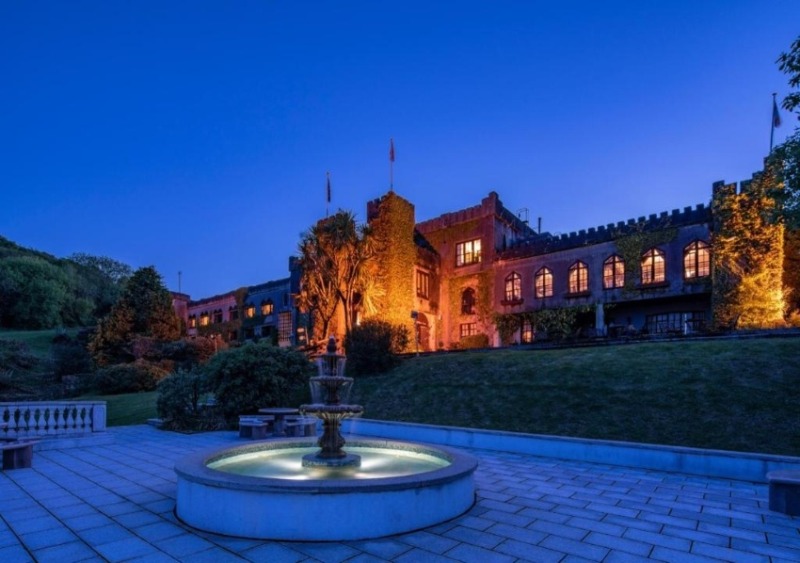
A 19th-century Benedictine monastery on the shores of Lough Pollacappul in Connemara. Its neo-Gothic castle, six-acre Victorian walled garden, and woodland walks make it Ireland’s most-visited abbey.
Connemara National Park
Nearly 3,000 acres of mountains, bogs, heathland, and forests in the heart of Connemara. The Diamond Hill loop trail rewards with sweeping panoramic views of Twelve Bens mountains and the Atlantic coast.
Galway Cathedral
A massive Renaissance-style limestone cathedral completed in 1965, standing on the banks of the Corrib River. Its octagonal dome, rose window, and mosaic interior make it one of Ireland’s most impressive modern churches.
Salthill Promenade
A 2 km coastal promenade from Galway to Salthill, offering sweeping views across Galway Bay to the Burren and Aran Islands. Tradition holds that you must kick the wall at the end for good luck.
Editor-curated picks carried over from our original guide. Where a full place guide exists, the card links to it.
Worth booking ahead in Galway
Hand-picked from the operators our guides already send readers to. Prices and availability are live on the partner site.
BrowseViator
Tours and tickets in Galway on Viator (opens Viator in a new tab)
Viator's full list of bookable tours and tickets in Galway.
BrowseGetYourGuide
Experiences in Galway on GetYourGuide (opens GetYourGuide in a new tab)
Everything GetYourGuide sells in Galway, with the cancellation terms on each listing.
Where to stayBooking.com
Stays in Galway (opens Booking.com in a new tab)
Live rates and availability for Galway on Booking.com; filter by neighbourhood once you know where your days start.
We earn a commission if you book through these links, at no extra cost to you. It is how we keep the guides free and independent.
Where to stay
The Galmont Hotel & Spa
Dublin Road, Renmore, Galway H91 CK2W, Ireland
Grand hotel on the edge of Galway Bay with maritime-themed rooms, a spa, pool, and panoramic terraces overlooking the harbour and Clare Hills.
The Connacht Hotel
Forster Street, Galway H91 AX83, Ireland
Modern hotel in the railway quarter with sleek rooms, a gastropub, and a two-minute walk to Eyre Square and the Latin Quarter.
The House Hotel
Quay Street, Galway H91 PF82, Ireland
Boutique hotel on Quay Street in the heart of the Latin Quarter with individually styled rooms, a lively ground-floor bar, and live traditional music.
Editor-curated stays carried over from our original guide. Where we have reviewed the hotel, the card links to the review.
Tips from the field
Highlights
- Latin Quarter – Heart of Galway's pub and music culture
- Kylemore Abbey – Stunning lakeside Benedictine monastery
- Connemara National Park – Wild Atlantic landscapes
- Galway Cathedral – Impressive Renaissance-style cathedral
- Salthill Promenade – Scenic coastal walk along Galway Bay
Best activities
- Wander the Latin Quarter's cobblestone streets for live music and street performers, visit Kylemore Abbey and its Victorian walled garden, hike Diamond Hill in Connemara National Park, take a ferry to the Aran Islands for ancient forts and Irish language, stroll Salthill Promenade at sunset, explore the free Galway City Museum, attend a traditional music session in a local pub, sample oysters at the September festival, visit the Spanish Arch, and browse the Saturday market.
Local experiences
- Drop into Tigh Neachtain or Crane Bar for an unscripted traditional music session, or take a ferry to Inis Mór to cycle past Dún Aonghasa, a Bronze Age cliff-edge fort overlooking the Atlantic.
Practical tips
- Rain Gear: Galway gets rain year-round—a good waterproof jacket is essential.
- Pub Music: Traditional Irish music sessions are free in most pubs; just walk in, sit down, and listen.
- Gaeltacht: West of the city and the Aran Islands are Irish-speaking; locals appreciate any attempt at 'as Gaeilge.
- Festival Planning: Book accommodation months ahead for the Arts Festival (July) and Galway Races (late July/early August).
- Leap Card: Use a Leap Card for discounted bus travel within the city and county.
- Cash: Some smaller pubs still prefer cash, though card acceptance is growing.
Photography tips
- The Long Walk's colorful houses along the Corrib River are Galway's most iconic composition—shoot in early morning for calm water reflections and soft light. Galway Cathedral's limestone facade is most dramatic in late afternoon sun. The Spanish Arch frames the river beautifully at golden hour. Salthill Promenade delivers stunning sunset shots over Galway Bay. For wider landscapes, hike Diamond Hill in Connemara National Park for panoramic views. Use a wide-angle lens for Eyre Square's streetscape and a tripod inside the cathedral.
Timing
- Two days cover the city center (Latin Quarter, Spanish Arch, Cathedral, museums, Salthill), plus an evening of pub music. Three days allow a Connemara day trip or Kylemore Abbey visit. Four days add a ferry day to the Aran Islands.
Keeping it authentic
- Galway's identity blends Celtic heritage, maritime tradition, and artistic rebellion. It sits at the edge of the Connemara Gaeltacht, where Irish remains the first language—you'll hear it on the streets, in pubs, and on local radio. The city's artistic reputation solidified when it became European Capital of Culture in 2020. Generations of fishermen, musicians, and poets have shaped a place where a pub session can last until 3 AM and conversation is treated as an art form. The Claddagh fishing village, once outside the city walls, gave the world the Claddagh ring.
Culture, customs and safety
Cultural heritage
Galway preserves the cultural heart of Irish Gaelic traditions, where Celtic language, traditional music, and maritime heritage created Ireland most authentically Irish cultural center. The city maintains the strongest connections to Irish language and traditional culture while embracing contemporary Irish arts and international cultural exchange through festivals and education. Galway cultural heritage encompasses Gaelic linguistic traditions, traditional Irish music, fishing community culture, and contemporary Irish cultural innovation that continues to preserve and evolve authentic Irish cultural expression in the modern world.
Local customs & etiquette
Galway runs on warmth and conversation. Pub culture is central—pubs are living rooms where traditional music sessions happen nightly, especially in the Latin Quarter. Buying a round for your group is standard; refusing one can cause offense. The Irish sense of humor is self-deprecating and dry; don’t take teasing personally. Tipping 10-15% at restaurants is standard. County Galway has the largest Gaeltacht in Ireland, so you’ll encounter Irish on signs and in conversation—locals enjoy when visitors attempt a ‘cúpla focal’ (few words).
Safety notes
Galway is one of Ireland’s safest cities with a low crime rate. Pickpocketing can occur in crowded areas during festivals and in the Latin Quarter—keep bags secure. Taxis are safe; opt for labeled cars. There are no significant natural disaster risks. The main hazard is rain: bring waterproof layers year-round. The Aran Islands ferries can be rough in stormy weather—check conditions before day trips.