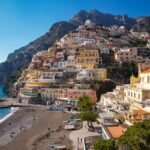
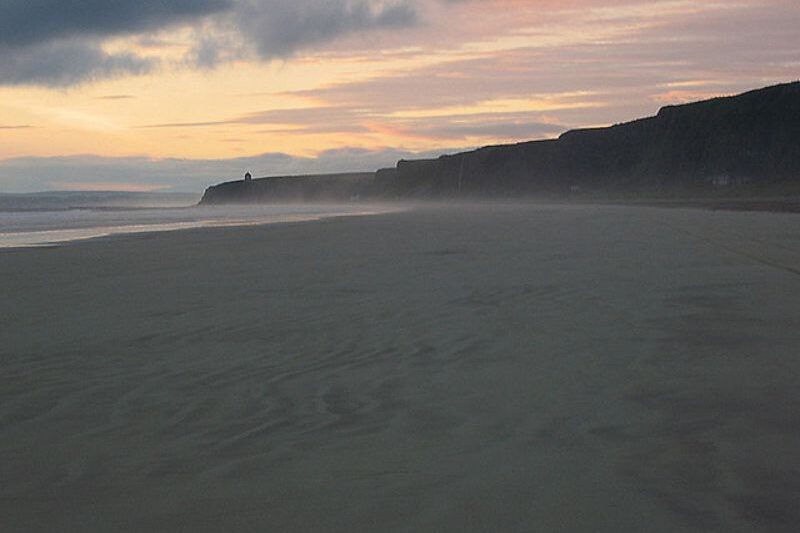
Ireland, often called the Emerald Isle, is a captivating island nation in the North Atlantic known for its lush green landscapes, rich cultural heritage, and warm hospitality. The country features dramatic coastlines, including the iconic Cliffs of Moher, rolling countryside, and charming villages. Irish culture is deeply rooted in Gaelic traditions, with a strong emphasis on music, literature, storytelling, and dance. The country has produced numerous world-renowned writers and poets. Traditional Irish music featuring instruments like fiddles, uilleann pipes, and bodhráns remains an integral part of social life, particularly in pubs which serve as important community gathering spaces. While English is widely spoken, Irish Gaelic (Gaeilge) is the official language and an important cultural touchstone. Ireland boasts a rich history spanning from ancient Celtic civilizations through Christian heritage to its struggle for independence, all of which have shaped its distinctive national identity. Visitors are drawn to Ireland for its stunning natural beauty, vibrant cities like Dublin, historical sites, and the genuine warmth of its people.
The destination guide
Ireland
Travel guides for Ireland
Travel tips & costs (1)
Destination stories (1)
At a glance
- English
- Irish (Gaeilge) in Gaeltacht regions
- Green countryside
- Atlantic coast
- Cliffs of Moher
- Ring of Kerry
- Culture
- History
- Nature
- Coastal
- Pubs
- Literature
- Castles
How Ireland scores
Character
Editorial scores on a 10-point scale, weighed against destinations of the same kind.
Travel safety snapshot
SafePlace indicators use their source 100-point scale; higher is more favourable. Planning context, not a live travel advisory — check official government guidance before you go.
When to go
Best months to visit: April, May, June, July, August, September and October.
- January: 2.7 to 7.3 degrees Celsius, 85.4 millimetres of rain, best-time score 2 out of 5.
- February: 3.3 to 8.5 degrees Celsius, 96 millimetres of rain, best-time score 2 out of 5.
- March: 3.6 to 9.9 degrees Celsius, 94.1 millimetres of rain, best-time score 3 out of 5.
- April: 5 to 12.2 degrees Celsius, 72.3 millimetres of rain, best-time score 4 out of 5.
- May: 7.9 to 15.6 degrees Celsius, 72.2 millimetres of rain, best-time score 5 out of 5.
- June: 10.6 to 17.8 degrees Celsius, 83.9 millimetres of rain, best-time score 5 out of 5.
- July: 12.1 to 18.9 degrees Celsius, 91.1 millimetres of rain, best-time score 4 out of 5.
- August: 12 to 18.5 degrees Celsius, 97.4 millimetres of rain, best-time score 4 out of 5.
- September: 10.1 to 16.3 degrees Celsius, 99.6 millimetres of rain, best-time score 5 out of 5.
- October: 8 to 13.2 degrees Celsius, 102.7 millimetres of rain, best-time score 4 out of 5.
- November: 4.8 to 9.6 degrees Celsius, 93 millimetres of rain, best-time score 3 out of 5.
- December: 3.8 to 8.1 degrees Celsius, 96.2 millimetres of rain, best-time score 2 out of 5.
Month-by-month conditions and packing advice
- January
- Cold, some rain January in Ireland: short, wet winter days make broad touring less flexible. Crowds: January in Ireland is workable with normal seasonal planning; build in layers, weather checks, and a mix of indoor and outdoor activities. Pack: Pack warm layers, a coat, and comfortable shoes for cold mornings and evenings. Add a rain jacket or compact umbrella.
- February
- Cold, some rain February in Ireland: short, wet winter days make broad touring less flexible. Crowds: February in Ireland is workable with normal seasonal planning; build in layers, weather checks, and a mix of indoor and outdoor activities. Pack: Pack layered clothing and comfortable walking shoes. Add a rain jacket or compact umbrella.
- March
- Cold, some rain March in Ireland: cooler, wetter weather shifts the trip toward cities and indoor culture. Crowds: March in Ireland is workable with normal seasonal planning; build in layers, weather checks, and a mix of indoor and outdoor activities. Pack: Pack layered clothing and comfortable walking shoes. Add a rain jacket or compact umbrella.
- April
- Cool to mild, some rain April in Ireland: conditions remain useful, though peak-summer crowds or autumn rain need planning. Crowds: April in Ireland is workable with normal seasonal planning; build in layers, weather checks, and a mix of indoor and outdoor activities. Pack: Pack layered clothing and comfortable walking shoes. Add a rain jacket or compact umbrella.
- May
- Cool to mild, some rain May in Ireland: longer days, mild weather, city stays, road trips, coastal scenery, and pub culture balance well. Crowds: May in Ireland is workable with normal seasonal planning; build in layers, weather checks, and a mix of indoor and outdoor activities. Pack: Pack layered clothing and comfortable walking shoes. Add a rain jacket or compact umbrella.
- June
- Cool to mild, some rain June in Ireland: longer days, mild weather, city stays, road trips, coastal scenery, and pub culture balance well. Crowds: June in Ireland is workable with normal seasonal planning; build in layers, weather checks, and a mix of indoor and outdoor activities. Pack: Pack layered clothing and comfortable walking shoes. Add a rain jacket or compact umbrella.
- July
- Cool to mild, some rain July in Ireland: conditions remain useful, though peak-summer crowds or autumn rain need planning. Crowds: July in Ireland is workable with normal seasonal planning; build in layers, weather checks, and a mix of indoor and outdoor activities. Pack: Pack layered clothing and comfortable walking shoes. Add a rain jacket or compact umbrella.
- August
- Cool to mild, some rain August in Ireland: conditions remain useful, though peak-summer crowds or autumn rain need planning. Crowds: August in Ireland is workable with normal seasonal planning; build in layers, weather checks, and a mix of indoor and outdoor activities. Pack: Pack layered clothing and comfortable walking shoes. Add a rain jacket or compact umbrella.
- September
- Cool to mild, some rain September in Ireland: longer days, mild weather, city stays, road trips, coastal scenery, and pub culture balance well. Crowds: September in Ireland is workable with normal seasonal planning; build in layers, weather checks, and a mix of indoor and outdoor activities. Pack: Pack layered clothing and comfortable walking shoes. Add a rain jacket or compact umbrella.
- October
- Cool to mild, some rain October in Ireland: conditions remain useful, though peak-summer crowds or autumn rain need planning. Crowds: October in Ireland is workable with normal seasonal planning; build in layers, weather checks, and a mix of indoor and outdoor activities. Pack: Pack layered clothing and comfortable walking shoes. Add a rain jacket or compact umbrella.
- November
- Cold, some rain November in Ireland: cooler, wetter weather shifts the trip toward cities and indoor culture. Crowds: November in Ireland is workable with normal seasonal planning; build in layers, weather checks, and a mix of indoor and outdoor activities. Pack: Pack layered clothing and comfortable walking shoes. Add a rain jacket or compact umbrella.
- December
- Cold, some rain December in Ireland: short, wet winter days make broad touring less flexible. Crowds: December in Ireland is workable with normal seasonal planning; build in layers, weather checks, and a mix of indoor and outdoor activities. Pack: Pack layered clothing and comfortable walking shoes. Add a rain jacket or compact umbrella.
- June
- July
- August
- November
- December
- January
- February
Know before you go
About
Ireland, officially the Republic of Ireland, is an island nation in the North Atlantic celebrated for its emerald-green landscapes, ancient history, literary heritage, and famously warm pub culture. Its capital, Dublin, is home to Trinity College and the illuminated medieval Book of Kells, the lively Temple Bar district, and the Guinness Storehouse, where tours end with a pint overlooking the city. Along the west coast, the Wild Atlantic Way strings together the country’s most dramatic scenery, including the towering Cliffs of Moher in County Clare, which rise some 700 feet above the ocean and stretch roughly 14 kilometers along the shore. The 179-kilometer Ring of Kerry loops past mountains, lakes, and crumbling castles, while travelers kiss the Blarney Stone at Blarney Castle and explore the historic Rock of Cashel. From the rugged beauty of Connemara and the Dingle Peninsula to traditional music, friendly locals, and centuries of Celtic and Christian heritage, Ireland packs an extraordinary range of experiences into a compact, deeply scenic island.
Best time to visit
May to September for the longest days and mildest weather; pack layers and rain gear regardless
Season by season
Spring (March–May): 45–60°F, wildflowers, longer days, fewer tourists
Summer (June–August): 55–70°F, 17+ hours of daylight, peak season, festivals
Autumn (September–November): 45–60°F, golden foliage, harvest festivals, festivals in Galway
Winter (December–February): 35–45°F, shortest days, atmospheric pubs, Christmas markets
Crowds
High at Cliffs of Moher and Ring of Kerry in summer; moderate in Dublin; low in Donegal and the west in shoulder season
Getting there and around
Getting there
Dublin Airport (DUB) is 30 minutes from the city center by bus (Aircoach, €7). Shannon (SNN) serves the west coast.
Getting around
Rent a car for the Wild Atlantic Way and countryside. Irish Rail connects major cities. Dublin has a LUAS tram and DART suburban rail.
Top experiences in Ireland
Cliffs of Moher
The Cliffs of Moher rise 214 m above the Atlantic Ocean along 8 km of the Clare coastline. On a clear day, the Aran Islands, Galway Bay, and the Twelve Bens mountains are visible. O’Brien’s Tower (built 1835) marks the highest point. Puffin colonies nest on the cliff faces from April to July. The visitor centre, built into the hillside, houses an exhibition on the cliffs’ geology and ecology. Over 1.5 million visitors per year make this Ireland’s most visited natural site.
Ring of Kerry
The Ring of Kerry is a 179 km scenic driving loop around the Iveragh Peninsula in County Kerry. The route passes Killarney National Park (26,000 acres of lakes, oak and yew woodland, and red deer), the Gap of Dunloe, Moll’s Gap, Ladies View, Kenmare, Sneem, and the Skellig Ring. Detour to Skellig Michael — the UNESCO-listed island monastery (6th century) where Star Wars was filmed — by boat from Portmagee. Allow a full day. Drive counter-clockwise (tour buses go clockwise).
Dublin
Dublin packs 1,000 years of history, literary heritage, and pub culture into a walkable city. Trinity College’s Long Room houses the 9th-century Book of Kells. The Guinness Storehouse (at St. James’s Gate Brewery) is Ireland’s most visited attraction. Kilmainham Gaol tells the story of Irish independence. Temple Bar offers pubs, buskers, and galleries. Georgian Dublin — Merrion Square, Fitzwilliam Square, and the National Gallery — preserves 18th-century elegance. The Dublin Literary Pub Crawl brings Joyce, Yeats, and Wilde to life.
Skellig Michael
UNESCO island monastery 12km off the Kerry coast — 618 stone steps to a 6th-century beehive settlement (and a Star Wars filming location).
Giant's Causeway
40,000 interlocking basalt columns on the Antrim coast — technically in Northern Ireland but accessible from the Republic.
Editor-curated picks carried over from our original guide. Where a full place guide exists, the card links to it.
Worth booking ahead in Ireland
Hand-picked from the operators our guides already send readers to. Prices and availability are live on the partner site.
BrowseViator
Tours and tickets in Ireland on Viator (opens Viator in a new tab)
Viator's full list of bookable tours and tickets in Ireland.
BrowseGetYourGuide
Experiences in Ireland on GetYourGuide (opens GetYourGuide in a new tab)
Everything GetYourGuide sells in Ireland, with the cancellation terms on each listing.
Where to stayBooking.com
Stays in Ireland (opens Booking.com in a new tab)
Live rates and availability for Ireland on Booking.com; filter by neighbourhood once you know where your days start.
We earn a commission if you book through these links, at no extra cost to you. It is how we keep the guides free and independent.
Where to stay
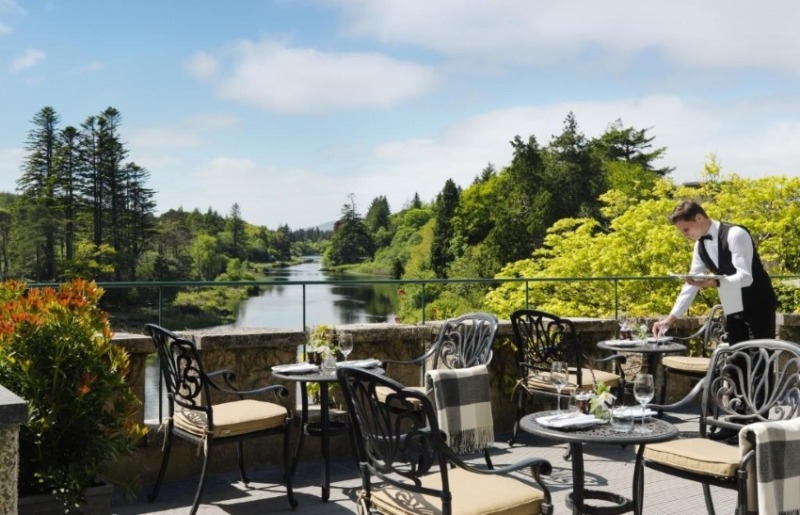
Ashford Castle
Ashford, County Galway, Ireland
800-year-old castle hotel in County Mayo with falconry, lake fishing, and a cinema — consistently ranked among the world’s best hotels.
The Merrion, Dublin
22 Merrion Street Upper, Dublin 2, Ireland
Five-star Georgian townhouse hotel with the longest private art collection in Ireland and a rooftop Tethra Spa.
Dingle Skellig Hotel
Adare, County Limerick, Ireland
Waterfront hotel on the Dingle Peninsula with Wild Atlantic Way views, a leisure center, and proximity to Fungie’s harbor.
Editor-curated stays carried over from our original guide. Where we have reviewed the hotel, the card links to the review.
Tips from the field
Highlights
- Cliffs of Moher — 214 m sea cliffs with Atlantic views, puffin colonies, and O'Brien's Tower
- Ring of Kerry — 179 km scenic loop through Killarney National Park and the Iveragh Peninsula
- Dublin — Book of Kells, Guinness Storehouse, Georgian squares, and literary pub crawls
- Wild Atlantic Way — 2,500 km coastal route from Donegal to West Cork
- Giant's Causeway — 40,000 basalt columns on the Antrim Coast (Northern Ireland)
- Skellig Michael — UNESCO island monastery and Star Wars filming location
- Connemara — Bogs, mountains, and Irish-speaking villages in the west
- Galway — Spirited arts-and-festival city on the Wild Atlantic Way
- Dingle Peninsula — Slea Head Drive, stone beehive huts, and fresh seafood
- Brú na Bóinne — Newgrange passage tomb: 5,200 years old, older than the Pyramids
Best activities
- Stand at the edge of the Cliffs of Moher
- Drive the Ring of Kerry through Killarney National Park
- Drink a pint of Guinness in a Dublin pub with live trad music
- Explore the hexagonal columns of the Giant's Causeway
- Walk the Slea Head Drive on the Dingle Peninsula
- Visit Skellig Michael by boat (May–October)
- Hike in the Wicklow Mountains outside Dublin
- Take a boat to the Aran Islands
- Explore Kilmainham Gaol and learn about Irish independence
- Eat oysters and drink stout at the Galway International Oyster Festival
Local experiences
- Listen to a trad music session in a Doolin pub, eat fresh oysters with a pint of stout in Galway, walk between dry stone walls on Inis Mór, sip whiskey at the Midleton Distillery in Cork, watch a GAA hurling match, explore Georgian Dublin on foot, and take a sheep’s cheese and soda bread picnic in the Burren.
Practical tips
- Pack rain gear regardless of season. Driving is on the left. Narrow rural roads require patience. Irish time is real — things start late.
Photography tips
- The Cliffs of Moher photograph best in late afternoon light from the south side. O'Brien's Tower provides a classic elevated angle. The Ring of Kerry is photographed best counter-clockwise (sun at your back in the afternoon for the iconic lakes). Dublin's Georgian doors make excellent street photography. Morning mist over the Wicklow Mountains creates atmospheric landscapes.
Timing
- Plan 2–3 days for Dublin, 2 days for the Ring of Kerry (day drive + Killarney), 1 day for the Cliffs of Moher and Burren, 2 days for Connemara and Galway, 1–2 days for the Giant's Causeway coast. A comprehensive Ireland trip takes 10–14 days.
Keeping it authentic
- Irish culture is deeply lived, not performed. The trad music session in a rural pub — fiddle, bodhrán, tin whistle, and uilleann pipes — is a genuine communal gathering. The GAA (Gaelic Athletic Association) matches (hurling and Gaelic football) are parish-level passions, not tourist attractions. The Irish language survives in Gaeltacht areas along the west coast. The storytelling tradition (seánchie) continues in fireside conversations and literary festivals.
Culture, customs and safety
Cultural heritage
Celtic crosses, Newgrange (older than the pyramids), the Book of Kells, and a literary tradition from Yeats to Heaney.
Local customs & etiquette
Never refuse a cup of tea. Pub culture centers on conversation, not heavy drinking. Rounds are expected — always buy your round.
Safety notes
Very safe. Dublin’s north inner city has some petty crime after dark. The countryside is extremely safe.