The Greek Islands, a stunning archipelago in the Aegean and Ionian Seas, are renowned for their breathtaking landscapes, crystal-clear waters, and rich history. Each island boasts its unique charm, from the iconic white-washed buildings of Santorini to the lush greenery of Corfu. With a perfect blend of relaxation, adventure, and cultural experiences, the Greek Islands are a paradise for travelers seeking sun-soaked getaways.
The destination guide
Greek Islands

Travel guides for Greek Islands
Destination stories (1)
More guides featuring Greek Islands (2)
At a glance
Currency€ EURCode: EUR
Time zoneEastern European Time
Languages
- Greek
Setting
- Diverse island archipelago
- Volcanic peaks
- Sandy beaches
- Mediterranean climate
Known for
- Island Hopping
- Romantic Getaways
- Ancient History
- Beaches & Nightlife.
Population600K600,000 residents
VisaDuration: Up to 90 days within any 180-day period in the Schengen Area · Documents: Valid passport issued within the last 10 years and valid for at least 3 months after planned departure, plus proof of accommodation, onward or return travel, and sufficient funds if requested
How Greek Islands scores
9/10OverallExcellent
Weather9/10
Value for money7/10
Food & cuisine9/10
Culture & arts4/10
Cultural experience8/10
Nature & outdoors9/10
Adventure4/10
Nightlife7/10
Shopping6/10
Family friendly5/10
Romance10/10
Editorial scores on a 10-point scale, weighed against destinations of the same kind.
Travel safety snapshot
Overall81/100High rating
Women travellers79/100
LGBTQ+ travellers72/100
Theft65/100
Medical care73/100
Physical harm83/100
Political freedom72/100
SafePlace indicators use their source 100-point scale; higher is more favourable. Planning context, not a live travel advisory — check official government guidance before you go.
When to go
Best months to visit: April, May, June, July, August, September and October.
- January: 13.9 to 26.1 degrees Celsius, 2.9 millimetres of rain, best-time score 2 out of 5.
- February: 14.9 to 27.8 degrees Celsius, 16.4 millimetres of rain, best-time score 2 out of 5.
- March: 14.8 to 27.2 degrees Celsius, 30.5 millimetres of rain, best-time score 3 out of 5.
- April: 14.6 to 25.1 degrees Celsius, 51.6 millimetres of rain, best-time score 4 out of 5.
- May: 13.6 to 23.8 degrees Celsius, 87.9 millimetres of rain, best-time score 5 out of 5.
- June: 12.7 to 21.9 degrees Celsius, 62.7 millimetres of rain, best-time score 5 out of 5.
- July: 12.1 to 21.8 degrees Celsius, 20.5 millimetres of rain, best-time score 4 out of 5.
- August: 12.8 to 22.4 degrees Celsius, 83.2 millimetres of rain, best-time score 4 out of 5.
- September: 13.1 to 24 degrees Celsius, 62.5 millimetres of rain, best-time score 5 out of 5.
- October: 13.8 to 24.7 degrees Celsius, 45.1 millimetres of rain, best-time score 5 out of 5.
- November: 13.8 to 24.4 degrees Celsius, 24.6 millimetres of rain, best-time score 3 out of 5.
- December: 13.8 to 24.3 degrees Celsius, 43.3 millimetres of rain, best-time score 2 out of 5.
Month-by-month conditions and packing advice
- January
- Warm and pleasant, mostly dry January in Greek Islands: winter closures and rougher seas make broad island-hopping less flexible. Crowds: January is firmly in the low season for the Greek Islands, resulting in fewer tourists, quiet streets, and more personal interactions with locals. Accommodation prices drop significantly, and ferries run on reduced schedules, so careful planning is essential. The mild weather supports activities like hiking, photography, historical site visits, and sampling regional cuisine, but swimming may be too cool for most visitors. This is an excellent time for cultural immersion and slower-paced travel without the distraction of large crowds. Those seeking nightlife or bustling beach scenes will find limited options. Book lodging near main towns to ensure access to open restaurants and transport, and check ferry timetables in advance to avoid disruptions. Pack: Light sweater or cardigan for cooler evenings; Comfortable walking shoes for cobblestone streets; Light jacket or windbreaker for coastal breezes; Casual smart attire for tavernas and cafes; Sunglasses for bright winter sun; Reusable water bottle for day trips
- February
- Warm and pleasant, mostly dry February in Greek Islands: winter closures and rougher seas make broad island-hopping less flexible. Crowds: February sits in the off-peak travel season for the Greek Islands, resulting in lower accommodation rates, fewer crowds, and a more authentic local experience. While beach swimming remains limited due to cooler sea temperatures, it’s an excellent month for hiking, photography, and cultural immersion without the intense summer heat. Ferries and inter-island transport operate on reduced schedules, so advance planning is essential. Many tourist-oriented businesses may still be closed, but key archaeological sites, museums, and local tavernas remain accessible. The mild weather supports long days of exploration without the fatigue of high summer temperatures, making it ideal for travelers seeking tranquility and authentic encounters. Pack: Light layers for warm daytime temperatures; Comfortable walking shoes for uneven cobblestone paths; Windbreaker or light jacket for cooler evenings; Sunglasses and broad-spectrum sunscreen; Scarf or shawl for breezy ferry rides; Smart casual attire for dining in local tavernas
- March
- Warm and pleasant, some rain March in Greek Islands: cooler shoulder weather narrows swimming and ferry options. Crowds: March is shoulder season in the Greek Islands, meaning fewer crowds and more accessible pricing for accommodations and ferries compared to the summer high season. The pleasant weather encourages outdoor exploration—ideal for hiking trails, cultural sightseeing, and leisurely café visits. Some beach clubs and seasonal businesses may still be closed, but the quieter pace offers a more intimate connection with local life. The mix of sunny days and light rain means travelers should plan activities flexibly, favoring museums or wine tastings on wetter days. Advance booking isn’t essential except for boutique stays in popular towns, giving visitors freedom to move between islands spontaneously. Pack: Light layers for variable spring temperatures; Water-resistant windbreaker for breezy or rainy days; Comfortable walking shoes for cobblestone streets; Compact travel umbrella; Scarf or wrap for cooler evenings; Sunglasses with UV protection
- April
- Warm and pleasant, some rain April in Greek Islands: early spring or peak summer can work with cooler seas, heat, and crowd planning. Crowds: April marks the start of the shoulder season in the Greek Islands, offering a balance between mild weather and fewer crowds. Conditions are excellent for hiking, cycling, and cultural exploration, with warm days and cooler evenings ideal for active travelers. Beaches are quiet, though the sea remains too brisk for most swimming. Prices for accommodations and ferries are generally lower than in peak summer, and advance booking is advisable only for popular Easter travel dates, which can bring an uptick in visitors. With wildflowers in bloom and archaeological sites uncrowded, it’s one of the most photogenic and culturally rewarding times to visit. Pack: Light jacket or sweater for cooler evenings; Comfortable walking shoes for cobblestone streets; Water-resistant windbreaker for occasional showers; Lightweight scarf for layering and cultural sites; Breathable cotton or linen clothing for daytime warmth; Reusable water bottle for island hikes and ferry travel
- May
- Warm and pleasant, some rain May in Greek Islands: island-hopping, beaches, ferries, old towns, food, hiking, and warm seas balance weather with fewer peak crowds. Crowds: May marks the shoulder season in the Greek Islands, offering a sweet spot before the high-summer rush. The weather is warm enough for beach days and outdoor exploration, yet cool enough for active pursuits like hiking, cycling, and cultural touring without fatigue. Crowds are moderate, and accommodation prices remain more reasonable than in peak July and August, though popular destinations may start to fill with early vacationers and cruise passengers. This is also an excellent month for attending local festivals and food events, as communities prepare for the summer season. Ferry schedules are well-established by now, allowing for easy island-hopping. Travelers should book ferries and favored stays a few weeks in advance for the best selection, especially on well-known islands. Overall, May offers excellent value, pleasant weather, and a rich mix of leisure and culture. Pack: Light jacket or cardigan for cooler evenings; Comfortable walking sandals or shoes; Breathable cotton or linen outfits; Compact umbrella or light rain jacket; Swimwear for early beach and pool use; Sunhat and SPF 50+ sunscreen
- June
- Warm and pleasant, some rain June in Greek Islands: island-hopping, beaches, ferries, old towns, food, hiking, and warm seas balance weather with fewer peak crowds. Crowds: June marks the beginning of the high tourist season in the Greek Islands, offering warm yet comfortable weather that’s perfect for both sightseeing and beach activities. Crowds start to grow, particularly in popular destinations such as Santorini and Mykonos, but the atmosphere remains more relaxed than in July or August. Accommodation and ferry prices are on the rise, so early bookings secure better rates and availability. Outdoor activities—from island-hopping to coastal hikes—are at their best, with long daylight hours and calm seas. The chance of occasional showers is minimal and rarely disrupts plans. This is an optimal month for travelers seeking a balance between lively island life and manageable crowd levels. Pack: Breathable cotton or linen clothing for warm days; Light sweater or wrap for cooler evenings; Comfortable walking sandals for cobblestone streets; Swimsuit and quick-dry towel for beach visits; Wide-brimmed hat and high-SPF sunscreen; Light rain jacket for occasional showers
- July
- Warm and pleasant, mostly dry July in Greek Islands: early spring or peak summer can work with cooler seas, heat, and crowd planning. Crowds: July marks the height of the summer tourist season across the Greek Islands, with warm, dry conditions ideal for beach holidays, island-hopping, and open-air cultural festivals. Expect high crowd levels in popular spots like Santorini, Mykonos, and Rhodes, along with peak accommodation rates. Ferry schedules are frequent, but advance bookings are essential. The pleasant sea temperatures make water-based activities especially appealing, though midday sun can be intense. Travelers seeking quieter moments should explore early mornings or lesser-known islands. This is prime time for alfresco dining, sunset cruises, and evening cultural performances, but spontaneity may be limited by the season’s popularity—plan ahead for accommodations and key activities. Pack: Lightweight, breathable clothing for warm days; Comfortable sandals or walking shoes for varied terrain; High-SPF sunscreen and after-sun lotion; Wide-brimmed hat and polarized sunglasses; Light jacket or shawl for breezy evenings; Modest attire for visiting monasteries and churches
- August
- Warm and pleasant, some rain August in Greek Islands: early spring or peak summer can work with cooler seas, heat, and crowd planning. Crowds: August is high season in the Greek Islands, drawing both international travelers and domestic vacationers. Expect bustling harbor towns, fully booked ferries, and lively tavernas. Prices for accommodation and activities peak, and advance reservations are essential for popular routes and restaurants. Weather conditions are ideal for sailing, beach lounging, and exploring coastal trails, though midday heat and crowds can be challenging. Early mornings and late afternoons offer quieter, more comfortable exploration windows. The combination of warm seas, festival season, and long daylight hours makes this month highly appealing, but travelers seeking solitude may prefer the shoulder months of June or September. Pack: Lightweight, breathable clothing for hot days; Wide-brimmed hat and high-SPF sunscreen; Comfortable sandals for walking on cobblestones; Swimsuit and quick-dry towel for beach and boat days; Light jacket or wrap for breezy evenings; Reusable water bottle to stay hydrated during excursions
- September
- Warm and pleasant, some rain September in Greek Islands: island-hopping, beaches, ferries, old towns, food, hiking, and warm seas balance weather with fewer peak crowds. Crowds: September marks the start of the shoulder season in the Greek Islands, when summer energy lingers but the peak-season crowds begin to thin. This period offers excellent conditions for outdoor activities—swimming, hiking coastal trails, and cultural site visits—while accommodations and ferries remain fully operational. Prices for lodging and flights are often slightly lower than in July or August, yet availability for popular spots can still be limited, so early booking is recommended. Warm sea temperatures extend the beach season, and the mild evenings are perfect for al fresco dining. Travelers can enjoy both vibrant nightlife in hubs like Mykonos and quieter escapes in smaller islands without the high-season congestion. Pack: Lightweight breathable clothing for warm days; A light jacket or wrap for cooler evenings; Comfortable sandals or walking shoes for uneven terrain; Swimwear and quick-dry towel for beach days; Waterproof jacket or compact umbrella for occasional showers; Sunhat and high-SPF sunscreen for daytime excursions
- October
- Warm and pleasant, some rain October in Greek Islands: island-hopping, beaches, ferries, old towns, food, hiking, and warm seas balance weather with fewer peak crowds. Crowds: October marks the start of the Greek Islands’ shoulder season, offering a quieter, more relaxed experience compared to the summer rush. Crowds thin noticeably, and accommodation prices become more flexible, though some smaller hotels and seasonal restaurants may close toward the month’s end. The weather supports a wide range of activities—hiking ancient trails, exploring archaeological sites, and enjoying outdoor cafés—without the oppressive heat of midsummer. Light rain is possible but rarely persistent, so day plans are usually unaffected. Ferry schedules may reduce slightly, so advance checks are wise. Overall, it’s an excellent month for travelers seeking cultural depth, scenic walks, and authentic encounters without peak-season intensity. Pack: Lightweight layers for warm days and cooler evenings; Water-resistant jacket for occasional showers; Comfortable walking shoes for cobblestone streets; Swimwear for late-season beach or pool use; Modest attire for monastery and church visits; Reusable water bottle to stay hydrated during hikes
- November
- Warm and pleasant, mostly dry November in Greek Islands: cooler shoulder weather narrows swimming and ferry options. Crowds: November sits firmly in the Greek Islands' shoulder season, attracting travelers who prefer fewer crowds and more authentic interactions. Many tourist-driven businesses in smaller islands close for the season, but major islands like Crete and Rhodes maintain lively towns and cultural activities. Accommodation prices drop significantly compared to summer, and ferries or flights are more affordable. Outdoor activities such as hiking, photography, and exploring archaeological sites are ideal in the mild climate, though beach-focused tourism slows. Some ferry routes reduce frequency, so travel between smaller islands may require more planning. For cultural travelers, this period offers the benefit of local festivals and harvest traditions without the summer rush, making it an appealing time for immersive exploration. Pack: Light jacket or sweater for cooler evenings; Comfortable walking shoes for uneven terrain; Lightweight scarf for wind protection; Casual clothing suitable for tavernas and markets; Reusable water bottle for day trips; Compact umbrella or light rain jacket for occasional showers
- December
- Warm and pleasant, some rain December in Greek Islands: winter closures and rougher seas make broad island-hopping less flexible. Crowds: December marks the low tourist season in the Greek Islands, making it a prime time for travelers seeking cultural immersion without the summer rush. Accommodation prices drop significantly, and many historic sites and museums remain open with minimal queues. Outdoor exploration is comfortable thanks to mild temperatures, though some beach-focused resorts and seasonal ferries may reduce operations. Rainfall is moderate but rarely disrupts full days of activities, making this month ideal for slow-paced village strolls, archaeological visits, and enjoying traditional winter dishes in cozy tavernas. Visitors should expect shorter daylight hours and quieter nightlife, which pairs well with a focus on heritage, photography, and authentic local encounters. Booking flexibility is high, but advance checks on transport schedules are recommended. Pack: Light jacket for cool evenings; Comfortable waterproof walking shoes; Compact travel umbrella; Layered clothing for changing daytime conditions; Scarf for added warmth in coastal breezes; Modest attire for visiting monasteries and churches
Peak season
- July
- August
Off-peak
- November
- December
- January
- February
Know before you go
Best time to visit
May to June, September to October
Season by season
Summer (July-August) is scorching hot, packed with crowds, and expensive. Spring (May-June) and Autumn (September-October) offer perfect beach weather with fewer crowds. Many hotels and restaurants close completely from November to April.
Crowds
High
Getting there and around
Getting there
The Greek Islands are primarily accessed through Athens, with two main departure ports: Piraeus (for most destinations) and Rafina (closer to airport, 30-minute taxi ride). International flights arrive at Athens Eleftheios Venizelos Airport, then require domestic flights or ferries to reach the islands. For efficiency, fly directly to island hubs: Santorini or Mykonos for southern Cyclades; Rhodes or Kos for Dodecanese. Major ferry operators in 2025 include Blue Star Ferries, Seajets, Golden Star Ferries, and Minoan Lines. From Piraeus: Rhodes (1-2 daily ferries, from €46, 15-17 hours); Kos (1 daily, from €63); Santorini (5-7 daily in summer, from €40, 5-9 hours); Mykonos (3-5 daily, from €38, 3-6 hours). High-speed catamarans halve journey times but cost more and cancel in rough seas. Book accommodations and ferries early for July-August peak season. Island airports: Mykonos, Santorini, Paros, Naxos (Cyclades); Rhodes, Kos, Karpathos (Dodecanese) offer direct European connections in summer.
Getting around
Getting around the Greek Islands can feel like a dream with a bit of planning, as each island offers its own rhythm and transportation quirks. Public buses are the most common and budget-friendly option, especially on larger islands like Crete, Rhodes, and Naxos, where they run reliable routes between ports, towns, and major beaches—though schedules can be sparse or unpredictable in low season. Walkability is excellent in most main towns (like Mykonos Town or Fira in Santorini), where narrow alleys and scenic promenades are better explored on foot than by car. Taxis exist but can be scarce and pricey during peak summer, and while rideshare apps are limited, some islands have local versions or dispatch services—so ask your hotel or host for the best number to call; also, rental ATVs or scooters are wildly popular for flexibility but require a valid license and confidence with chaotic roads. Always check if local bus companies offer multi-day passes or updated maps at the central station, as information online is often outdated.
Top experiences in Greek Islands
Oia Sunsets (Santorini)
The result of a massive volcanic eruption. The white villages (Fira, Oia) cling to the edge of the sheer cliffs. The sunset view is world-famous. It is the most romantic place in Greece.
Mykonos Town (Chora)
A maze of whitewashed streets, blue doors, and bougainvillea. It was built like a labyrinth to confuse pirates. The windwills and Little Venice are iconic photo spots.
Ancient Delos
The center of the Minoan civilization (Europe’s oldest city). You can see the Throne Room and the red columns. It is the setting of the legend of the Minotaur and the Labyrinth.
Navagio Beach (Zakynthos)
Shipwreck Beach. A rusty ship on a white beach surrounded by cliffs. The water is electric blue. It is the most photographed beach in Greece. (View from top or boat only).
Medieval City of Rhodes
A UNESCO World Heritage site. It is one of the best-preserved medieval towns in Europe. Built by the Knights of St. John. The Palace of the Grand Master is imposing.
Editor-curated picks carried over from our original guide. Where a full place guide exists, the card links to it.

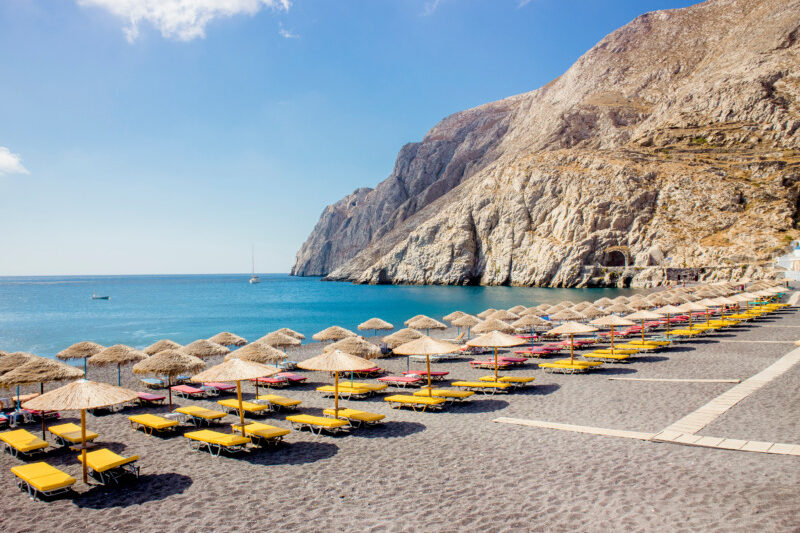


Worth booking ahead in Greek Islands
Hand-picked from the operators our guides already send readers to. Prices and availability are live on the partner site.
BrowseViator
Tours and tickets in Greek Islands on Viator (opens Viator in a new tab)
Viator's full list of bookable tours and tickets in Greek Islands.
BrowseGetYourGuide
Experiences in Greek Islands on GetYourGuide (opens GetYourGuide in a new tab)
Everything GetYourGuide sells in Greek Islands, with the cancellation terms on each listing.
Where to stayBooking.com
Stays in Greek Islands (opens Booking.com in a new tab)
Live rates and availability for Greek Islands on Booking.com; filter by neighbourhood once you know where your days start.
We earn a commission if you book through these links, at no extra cost to you. It is how we keep the guides free and independent.
Where to stay
Katikies Santorini
Main Street, Oia 847 02, Greece
Located in Oia, Santorini. It offers the best sunset views in the world. The suites are carved into the cliffside (cave style) but modern. Every room has a plunge pool.
Belvedere Hotel Mykonos
Ornos Bay, Mykonos 846 00, Greece
A glamorous resort on a private peninsula in Mykonos. It has the island’s only private sandy beach. The vibe is chic, exclusive, and lively (Buddha-Bar Beach is here).
Santo Pure Oia Suites
Plaka, Elounda 720 53, Greece
A legendary resort in Crete overlooking Spinalonga island. It features long infinity pools, stone architecture, and a funicular to the beach. It captures the soul of Crete.
Editor-curated stays carried over from our original guide. Where we have reviewed the hotel, the card links to the review.
Tips from the field
Highlights
- The sheer cliffside views of the Santorini caldera and the vibrant, glamorous nightlife and beaches of Mykonos.
Best activities
- Sailing around the Santorini caldera, walking the maze-like streets of Mykonos Town, and exploring the Minoan ruins of Akrotiri.
Local experiences
- Enjoying fresh grilled octopus and local Assyrtiko wine at a seaside taverna in Ammoudi Bay below Oia.
Practical tips
- Ferries are the lifeblood of island hopping. Book high-speed ferries in advance during the summer, but be prepared for delays or cancellations due to the strong Meltemi winds.
Photography tips
- For the classic blue-domed church photo in Santorini, head to Oia very early in the morning. In Mykonos, the windmills at sunset provide excellent silhouettes.
Timing
- You need at least 7-10 days to comfortably island hop between 2 or 3 islands like Santorini, Mykonos, and Naxos.
Keeping it authentic
- The Greek Islands offer an unparalleled mix of ancient ruins, iconic whitewashed Cycladic architecture, stunning volcanic landscapes, and world-renowned, crystal-clear blue waters.
Culture, customs and safety
Cultural heritage
The Greek Islands form a mosaic of cultures, with each archipelago telling a different chapter of Mediterranean history. The Cyclades are known for their iconic whitewashed villages and unique prehistoric art, while Crete was the heart of the ancient Minoan civilization with its grand Palace of Knossos. Other islands bear the marks of subsequent empires: the UNESCO-listed medieval city of Rhodes was built by the Knights of St. John, and Corfu’s old town is defined by its elegant Venetian architecture, making the islands a living museum of maritime history.
Local customs & etiquette
Greek island culture blends ancient traditions with Mediterranean warmth. Philoxenia (love of strangers) means locals treat guests as gifts from the gods – expect genuine hospitality and personal questions about family and life. Siesta hours (2-5 PM) are sacred – shops close and noise is frowned upon. Evening volta (stroll) along waterfronts is a social ritual where everyone promenades in their best clothes. When toasting, maintain eye contact and say “Yamas!” (to our health). Never refuse offered food or drink – it insults the host. Dress modestly when visiting churches and monasteries (covered shoulders and knees); some provide wraps. Beach etiquette varies – topless sunbathing common on Mykonos, frowned upon on religious islands like Patmos. Meltemi winds (July-August) can cancel ferries and make northern beaches dangerous. Name day celebrations trump birthdays – know the local saint’s calendar. Tipping: round up in tavernas, 10% for exceptional service. Learn basic Greek greetings – “Kalimera” (good morning), “Efharisto” (thank you) – effort is deeply appreciated. Orthodox Easter (usually different from Western dates) brings spectacular midnight fireworks and lamb roasts.
Safety notes
The islands are generally very safe. The main risks are traffic accidents (especially on rented ATVs or scooters on winding, narrow roads), severe heat exhaustion in summer, and petty theft in extremely crowded spots.

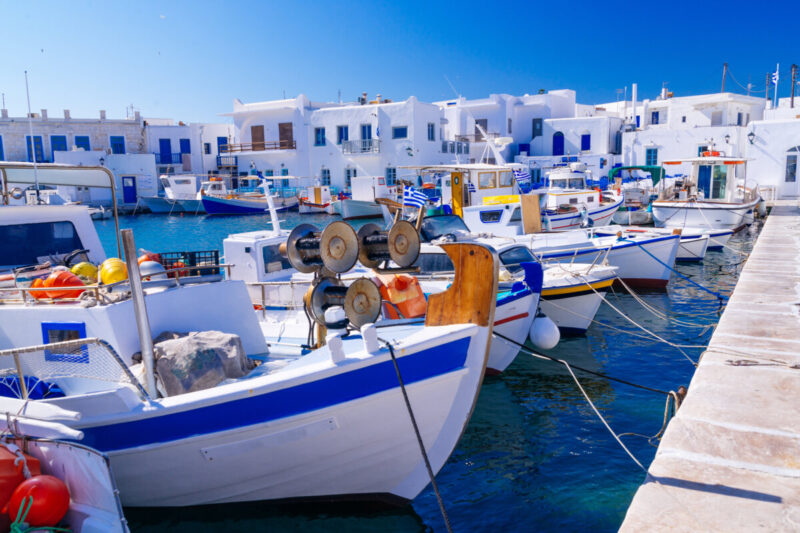
Activities