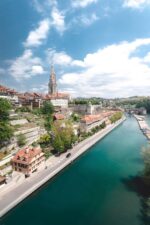
Grindelwald, nestled in the heart of the Swiss Alps, is a picturesque village known for its stunning mountain scenery and outdoor adventures. Surrounded by towering peaks, including the iconic Eiger, this charming destination offers year-round activities such as skiing, hiking, and mountain biking. With its traditional chalets and vibrant atmosphere, Grindelwald is a haven for nature lovers and thrill-seekers alike.
The destination guide
Grindelwald
Village in Switzerland, EuropeUpdated
- Overall6/10
- Best forCouples, Adventure seekers, Solo travelers
- PeakJan, Feb, Jul, Aug
- CurrencyCHF
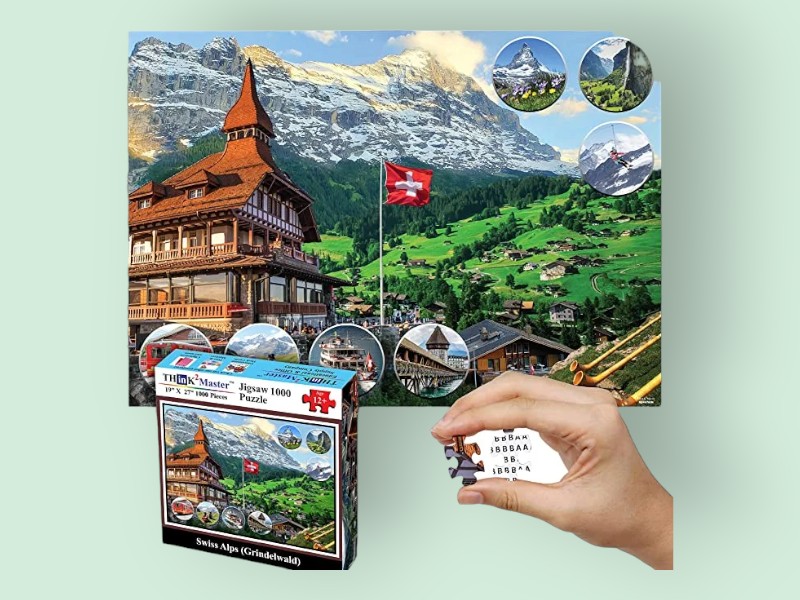
Grindelwald sits below the Eiger’s north face with the new Eiger Express gondola, First Cliff Walk, and Swiss Alpine views that justify every cent of the train fare.
Travel guides for Grindelwald
Things to do (1)
More guides featuring Grindelwald (8)
At a glance
CurrencyCHF
Time zone+2)CET/CEST (UTC+1/+2)
Languages
- German (Swiss German)
- French
- English
Setting
- Alpine village
- Eiger North Face
- Glacier terrain
- Mountain railway
Known for
- Mountains
- Hiking
- Skiing
- Adventure Sports
- Photography
Population3,9303,930 residents
VisaDuration: Up to 90 days within any 180-day period in the Schengen Area · Documents: Valid passport issued within the last 10 years and valid for at least 3 months after planned departure, plus proof of accommodation, onward or return travel, and sufficient funds if requested
How Grindelwald scores
6/10OverallFair
Weather7/10
Value for money6/10
Safety9/10
Food & cuisine7/10
Culture & arts4/10
Cultural experience7/10
History6/10
Nature & outdoors10/10
Adventure8/10
Nightlife5/10
Shopping5/10
Family friendly5/10
Romance8/10
Character
Photography score7/10
Authenticity score9/10
Off-the-beaten-path score6/10
Editorial scores on a 10-point scale, weighed against destinations of the same kind.
Travel safety snapshot
Overall95/100High rating
Women travellers95/100
LGBTQ+ travellers85/100
Theft88/100
Medical care90/100
Physical harm96/100
Political freedom90/100
SafePlace indicators use their source 100-point scale; higher is more favourable. Planning context, not a live travel advisory — check official government guidance before you go.
When to go
Best months to visit: January, February, March, May, June, July, August, September, October and December.
- January: -11.3 to -1.1 degrees Celsius, 31 millimetres of rain, best-time score 5 out of 5.
- February: -9.1 to 1.3 degrees Celsius, 36.8 millimetres of rain, best-time score 5 out of 5.
- March: -6.9 to 2.9 degrees Celsius, 55.2 millimetres of rain, best-time score 4 out of 5.
- April: -3.3 to 6.9 degrees Celsius, 27.5 millimetres of rain, best-time score 3 out of 5.
- May: -0.3 to 7.4 degrees Celsius, 76.4 millimetres of rain, best-time score 4 out of 5.
- June: 5.9 to 15.8 degrees Celsius, 77.8 millimetres of rain, best-time score 5 out of 5.
- July: 7.4 to 17.5 degrees Celsius, 68.3 millimetres of rain, best-time score 5 out of 5.
- August: 7.1 to 18.5 degrees Celsius, 99.4 millimetres of rain, best-time score 5 out of 5.
- September: 5.1 to 14.9 degrees Celsius, 39.5 millimetres of rain, best-time score 5 out of 5.
- October: -1.1 to 9 degrees Celsius, 67.8 millimetres of rain, best-time score 4 out of 5.
- November: -3.9 to 5.8 degrees Celsius, 38.6 millimetres of rain, best-time score 3 out of 5.
- December: -9.7 to -0.8 degrees Celsius, 24.6 millimetres of rain, best-time score 5 out of 5.
Month-by-month conditions and packing advice
- January
- Cold weather, some rain January in Grindelwald: summer hiking and winter sports are the strongest seasons for lifts, views, and mountain activities. Crowds: January marks Grindelwald’s peak ski season, drawing winter sports enthusiasts from across Europe. Slopes are at their best, with reliable snow cover and extended lift hours. Accommodation prices are at their highest, and reservations should be made well in advance to secure prime locations near ski areas. Daylight is limited, so planning activities earlier in the day maximizes enjoyment. While crowds cluster around ski lifts and popular restaurants, quieter moments can be found on less-traveled snowshoe trails or in village corners. For non-skiers, scenic train rides and mountain viewpoints offer equally rewarding experiences. Expect chilly conditions that require layering, but also bring the reward of postcard-perfect winter scenery. Pack: Insulated waterproof jacket for sub-zero temperatures; Thermal base layers for skiing and outdoor activities; Waterproof snow boots with good traction; Wool hat and insulated gloves; Ski goggles or sunglasses for glare and snow protection; Swimwear for hotel spas or thermal pools
- February
- Cold weather, some rain February in Grindelwald: summer hiking and winter sports are the strongest seasons for lifts, views, and mountain activities. Crowds: February is firmly within Grindelwald’s peak winter sports season. The low temperatures and consistent snow coverage create excellent conditions for skiing, snowboarding, and sledging. Resorts and lifts operate at full capacity, drawing international visitors, so accommodation prices remain high and advance bookings are essential. The village atmosphere is lively, with après-ski venues and winter festivals adding to the charm. While outdoor enthusiasts thrive in these conditions, casual sightseeing may require braving freezing air and navigating icy paths. Transportation runs reliably, but occasional snowfalls can slow travel. For those seeking a classic Swiss winter experience, February offers an unbeatable combination of snowy scenery, active pursuits, and alpine hospitality. Pack: Insulated waterproof jacket; Thermal base layers; Waterproof snow boots with good grip; Warm hat and insulated gloves; UV-protection ski goggles or sunglasses; Scarf or neck gaiter for wind protection
- March
- Cold weather, some rain March in Grindelwald: shoulder months can be scenic and calmer if you verify trail, lift, and snow conditions. Crowds: March is shoulder season in Grindelwald, balancing between peak winter sports and the quieter pre-spring thaw. Skiing and snowboarding remain excellent at higher altitudes, though lower runs may see slushier conditions by afternoon. Crowds thin compared to the midwinter rush, leading to more relaxed lift queues and slightly better accommodation deals. Some hiking trails begin to open in the latter part of the month, though snowshoes or winter gear are still essential. This is a great time for travelers seeking a mix of alpine sports and peaceful mountain village charm, without the intense peak-season pricing. Booking accommodations in advance is still wise, especially for weekends. Pack: Insulated winter jacket rated for subzero temperatures; Waterproof snow boots with good traction; Thermal base layers for skiing or outdoor walks; Waterproof gloves and knit beanie; Sunglasses or ski goggles for snow glare; Compact umbrella for occasional rain at lower elevations
- April
- Cold weather, some rain April in Grindelwald: transition seasons bring closures or unstable weather that can limit high-alpine plans. Crowds: April is a shoulder-season month in Grindelwald, offering quieter trails and more affordable accommodation compared to peak winter ski months or summer hiking season. While high-altitude ski areas may still operate, lower slopes may be closing due to snowmelt. This is a transitional period, so some hiking routes may be muddy or snow-covered, and certain mountain transport services may run on reduced schedules. On the plus side, crowds are minimal, making it ideal for those seeking solitude and off-peak charm. Photography enthusiasts benefit from snow-capped peaks framed by early spring greenery. Travelers should plan flexibly and check local conditions before venturing into the higher trails or booking alpine activities. Pack: Insulated waterproof jacket for variable conditions; Sturdy waterproof hiking boots with good grip; Thermal base layers for cold mornings and evenings; Warm hat and gloves for high-altitude excursions; Weatherproof daypack for gear and snacks; Light scarf or neck gaiter for wind protection
- May
- Cold weather, some rain May in Grindelwald: shoulder months can be scenic and calmer if you verify trail, lift, and snow conditions. Crowds: May is shoulder season in Grindelwald, offering a quieter atmosphere compared to the busy summer hiking months and winter ski crowds. While some higher-altitude trails remain inaccessible due to snow, lower elevation paths and village walks are open, providing serene access to the region’s landscapes. Accommodation rates are generally more affordable than in peak months, and there’s less competition for scenic train rides or cable car trips. Weather variability means travelers should be prepared for both sunny intervals perfect for outdoor exploration and sudden shifts to mist, rain, or light snow. This period is ideal for those seeking a balance between solitude and accessibility, but less suitable for travelers expecting fully open mountain passes. Advance booking isn’t as critical as in July or August, though it’s wise to reserve key mountain transport on popular weekends. Pack: Insulated waterproof jacket for cold and wet conditions; Layered thermal clothing for fluctuating temperatures; Waterproof hiking boots with good grip; Light gloves and a warm hat for chilly mornings; Compact umbrella or packable rain poncho; Daypack for carrying snacks, water, and extra layers
- June
- Cool weather, some rain June in Grindelwald: summer hiking and winter sports are the strongest seasons for lifts, views, and mountain activities. Crowds: June marks the early high season in Grindelwald, ideal for hikers, nature photographers, and those seeking scenic mountain rail journeys. Trails at lower and mid-altitudes are mostly clear of snow, though higher alpine paths may still have icy sections. Moderate rainfall means some days will require flexibility for outdoor plans, but the extended daylight hours maximize sightseeing opportunities. Crowds start to grow as summer progresses, and accommodation rates begin to rise, so early booking is recommended. This is also a prime month for visiting before the peak July–August rush, offering a balance of accessibility and relative tranquility in the Swiss Alps. Pack: Waterproof hiking jacket for sudden showers; Layered clothing for fluctuating mountain temperatures; Sturdy waterproof hiking boots; Light gloves and beanie for cooler mornings; Daypack with refillable water bottle and snacks; Sunglasses and high SPF sunscreen for high-altitude sun
- July
- Cool weather, some rain July in Grindelwald: summer hiking and winter sports are the strongest seasons for lifts, views, and mountain activities. Crowds: July marks the height of Grindelwald’s summer season, attracting hikers, climbers, and nature enthusiasts eager to explore the Bernese Alps. Trails are generally open and accessible, though occasional rain showers can make paths slippery, so sturdy footwear is essential. Tourist numbers peak during this month, with accommodation prices reflecting high demand—advance booking is strongly advised. Cable cars and mountain railways run at full schedule, allowing easy access to alpine panoramas. While weather is generally favorable for outdoor activities, layers are necessary to adapt to temperature swings between sunny afternoons and cool evenings. This is also an excellent time for alpine festivals and open-air concerts, adding cultural flavor to the mountain scenery. Pack: Waterproof hiking jacket for sudden showers; Layered clothing for variable mountain temperatures; Sturdy waterproof hiking boots; Daypack with reusable water bottle and snacks; Light beanie or headband for cooler mornings; Sunglasses with UV protection for high-altitude glare
- August
- Cool weather, some rain August in Grindelwald: summer hiking and winter sports are the strongest seasons for lifts, views, and mountain activities. Crowds: August remains one of Grindelwald’s busiest months, coinciding with the European summer holiday season. Mild temperatures are ideal for hiking, mountain biking, and scenic train rides to Jungfraujoch or Kleine Scheidegg. Expect lively village streets, full cable cars, and premium hotel rates. The frequent rain means some trails may be slick, but clear post-storm skies reward patient photographers. Advance booking for accommodation and key attractions is essential. While high-season crowds bring energy and events, they also require early starts for popular hikes. The long daylight hours maximize sightseeing potential, making August an excellent choice for active travelers ready to embrace both sun and showers. Pack: Waterproof hiking jacket with hood; Sturdy waterproof hiking boots; Light thermal layer for cooler evenings; Quick-dry trekking pants; Compact travel umbrella; Daypack with reusable water bottle and snacks
- September
- Cool weather, some rain September in Grindelwald: summer hiking and winter sports are the strongest seasons for lifts, views, and mountain activities. Crowds: September offers a sweet spot between the busy summer hiking season and the quieter winter ski months. Trails are less crowded, and accommodation prices begin to ease from peak rates, though weekends can still draw visitors chasing autumn scenery. The cool temperatures are ideal for full-day hikes without overheating, while the modest rainfall means most days remain accessible for outdoor plans. Mountain lifts typically still operate, allowing easy access to panoramic viewpoints before seasonal closures. Harvest festivals and local markets add cultural depth to the visit. Travelers should be aware that daylight hours are shortening, and alpine weather can shift quickly, so flexible itineraries work best. Early booking is still advised for popular lodges and guided tours. Pack: Layered clothing for fluctuating temperatures; Waterproof hiking jacket for light rain; Sturdy, waterproof hiking boots; Warm hat and gloves for cooler mornings; Daypack with refillable water bottle; Camera with weather protection for mountain photography
- October
- Cold weather, some rain October in Grindelwald: shoulder months can be scenic and calmer if you verify trail, lift, and snow conditions. Crowds: October marks the shoulder season in Grindelwald, with summer crowds gone and winter tourism yet to begin in earnest. Accommodation rates tend to be more favorable, and popular viewpoints like First Cliff Walk and Pfingstegg are blissfully uncrowded. Weather variability means days can swing from sunny and clear to misty and damp, so flexibility in planning is essential. Lower-elevation hikes are still accessible, but higher-altitude trails may close due to early snow. Scenic train rides to nearby Lauterbrunnen or Interlaken remain reliable, offering breathtaking views without the summer congestion. This is an excellent month for travelers seeking tranquility, atmospheric landscapes, and the authentic pace of village life before ski season transforms the region. Pack: Insulated waterproof jacket for cold and wet conditions; Layered thermal tops and sweaters; Sturdy waterproof hiking boots; Warm hat and gloves for chilly mornings; Compact umbrella or packable rain poncho; Camera with weather protection for misty conditions
- November
- Cold weather, some rain November in Grindelwald: transition seasons bring closures or unstable weather that can limit high-alpine plans. Crowds: November is a shoulder-season month in Grindelwald, sitting between the vibrant autumn hiking period and the busy winter ski season. The cooler temperatures and occasional snowfall hint at the coming ski season, but most lifts and major winter services may not yet be fully operational. Crowds are minimal, offering a tranquil experience, but some mountain restaurants and attractions may have limited hours. Accommodation prices are generally lower, making it a cost-effective time for a scenic, slower-paced visit. Ideal for travelers seeking peaceful mountain landscapes, photography, and early snow experiences, but less suited for those expecting fully open ski terrain. Advance planning is recommended to align activities with what’s available during this transitional period. Pack: Insulated waterproof jacket for cold and damp conditions; Thermal base layers for warmth during outdoor activities; Waterproof hiking boots with good grip for icy paths; Wool or fleece hat and gloves to retain heat; Layered sweaters for fluctuating indoor and outdoor temperatures; Compact umbrella for occasional rain or sleet
- December
- Cold weather, mostly dry December in Grindelwald: summer hiking and winter sports are the strongest seasons for lifts, views, and mountain activities. Crowds: December in Grindelwald is peak winter season, attracting skiers, snowboarders, and holiday travelers seeking a postcard-perfect Alpine Christmas. Slopes are open, lifts are busy, and accommodation prices rise to meet festive demand. While snow cover is reliable, actual snowfall days are relatively few, allowing for uninterrupted outdoor activities. Crowds concentrate around ski areas and seasonal events, so booking lodging and lift passes well in advance is essential. Cold temperatures require proper layering for comfort, but reward visitors with crisp air, excellent mountain visibility, and magical seasonal light. Perfect for combining winter sports with cultural immersion in Swiss holiday traditions. Pack: Thermal base layers for insulation; Waterproof ski jacket and pants; Insulated gloves and warm hat; Snow boots with good traction; UV-protection sunglasses for snow glare; Evening wear suitable for alpine lodges and festive dinners
Peak season
- December
- January
- February
- July
- August
Off-peak
- April
- May
- October
- November
- March
- June
- September
Know before you go
Neighbourhoods
Grindelwald features various neighborhoods that each provide a unique experience:
- Grindelwald Grund: The starting point for many hiking trails and cable cars
- Innerwengen: A quieter area with stunning views of the Eiger
- Gletscherschlucht: Known for its dramatic gorge and natural beauty
Each area offers a different perspective of the stunning landscape and access to various outdoor activities.
Best time to visit
Summer (June-August) or Winter (December-February)
Season by season
Summer (Jun–Aug): warmest (10–17°C at village level), longest days, full hiking access, all cable cars running—peak season. Spring (Mar–May): spring skiing transitions to wildflower meadows, snow melting, quieter, not all facilities open. Autumn (Sep–Nov): golden foliage, thinner crowds, many facilities operating through October, Nov closures. Winter (Dec–Feb): ski season, snow sports, festive atmosphere (−10°C to 4°C), shorter days.
Crowds
High (peak Jul-Aug and Christmas-New Year, moderate spring/autumn, Nov quietest)
Getting there and around
Getting there
Train from Interlaken Ost to Grindelwald takes 35 minutes via the Berner Oberland-Bahn (BOB). Interlaken connects to Bern (50 min), Zurich (2h), and Geneva (3h) by Swiss Rail. The nearest airports are Zurich (ZRH, 2.5h by train) and Geneva (GVA, 3.5h). A Swiss Travel Pass covers all connections.
Getting around
Grindelwald village is compact and walkable. Cable cars and cog railways connect to First, Männlichen, Kleine Scheidegg, and Jungfraujoch. The Grindelwald Terminal (GGM) serves as the hub for the Eiger Express gondola and V-Bahn. PostBus connects to nearby villages. Cars are unnecessary and parking is limited; the Swiss rail network is the most efficient way to move around the region.
Top experiences in Grindelwald
Grindelwald First
An adventure platform at 2,168m accessed by gondola, featuring the First Cliff Walk (a glass-bottomed walkway cantilevered over the cliff edge), First Flyer zipline, First Glider soaring simulator, and Mountain Cart descent. Also the starting point for the beloved Bachalpsee hike.
Jungfraujoch – Top of Europe
The highest railway station in Europe at 3,466m, accessed by the Jungfrau Railway tunneling through the Eiger. The Top of Europe complex offers views of the Aletsch Glacier (the longest in the Alps), an ice palace, and a high-altitude research station.
Bachalpsee Lake
A pristine alpine lake at 2,265m, famous for its mirror-like reflections of the Wetterhorn and Schreckhorn peaks on calm mornings. The 50-minute hike from Grindelwald First is one of Switzerland’s most scenic trails.
Eiger North Face & Trail
The Eiger’s 1,800m North Face is one of mountaineering’s greatest challenges, first climbed in 1938. The Eiger Trail hiking path runs along the base of the face from Eigergletscher to Alpiglen, offering jaw-dropping views of the wall and climbers above.
Glacier Canyon
A dramatic 1km gorge carved by the Lower Grindelwald Glacier, accessible via walkways and the thrilling Canyon Walk—a suspended net bridge spanning the gorge. The Canyon Swing and Spider web add adventure elements above the rushing Lütschine River.
Editor-curated picks carried over from our original guide. Where a full place guide exists, the card links to it.

Worth booking ahead in Grindelwald
Hand-picked from the operators our guides already send readers to. Prices and availability are live on the partner site.
BrowseViator
Tours and tickets in Grindelwald on Viator (opens Viator in a new tab)
Viator's full list of bookable tours and tickets in Grindelwald.
BrowseGetYourGuide
Experiences in Grindelwald on GetYourGuide (opens GetYourGuide in a new tab)
Everything GetYourGuide sells in Grindelwald, with the cancellation terms on each listing.
Where to stayBooking.com
Stays in Grindelwald (opens Booking.com in a new tab)
Live rates and availability for Grindelwald on Booking.com; filter by neighbourhood once you know where your days start.
We earn a commission if you book through these links, at no extra cost to you. It is how we keep the guides free and independent.
Tips from the field
Highlights
- Grindelwald First – Adventure platform with cliff walk
- Jungfraujoch – Top of Europe at 3,466m
- Bachalpsee Lake – Mirror-like alpine lake
- Eiger North Face – Legendary alpine wall
- Glacier Canyon – Dramatic gorge walkway
Best activities
- Hike to Bachalpsee Lake from First for mirror reflections, walk the First Cliff Walk glass platform, ride the First Flyer zipline, take the train to Jungfraujoch Top of Europe, hike the Eiger Trail along the iconic north face, ski the Grindelwald-First and Kleine Scheidegg slopes, explore the Glacier Canyon walkway, take the gondola to Männlichen for panoramic views, ride the Mountain Cart from First, and walk through wildflower meadows to Grosse Scheidegg.
Local experiences
- Take the Wengernalpbahn cog railway from Kleine Scheidegg while the Eiger North Face looms overhead, or hike to Bachalpsee at dawn when the turquoise lake perfectly mirrors the surrounding peaks in complete silence.
Practical tips
- Swiss Pass: A Swiss Travel Pass provides unlimited travel on trains, buses, and boats—essential for accessing Jungfraujoch and First.
- Layers: Mountain weather changes fast; dress in layers even in summer.
- Cash & Cards: Cards widely accepted, but carry some CHF for mountain huts.
- Book Jungfraujoch Early: Trains to the Top of Europe sell out in peak season.
- Cable Car Closures: Some cable cars close in Nov for maintenance and May for spring transition.
- Grüezi: Greet fellow hikers with 'Grüezi!'—it's polite custom.
- Stay on Trails: Walking on grass is discouraged—it's food for livestock.
Photography tips
- Bachalpsee Lake provides the ultimate Grindelwald composition—the surrounding peaks reflected in mirror-still water on calm mornings. The First Cliff Walk offers a glass-bottomed platform for dramatic vertiginous shots of the valley below. Männlichen's 'Royal Walk' viewpoint frames the legendary Eiger, Mönch, and Jungfrau triumvirate. Early morning in summer provides the softest light and clearest mountain views before afternoon clouds build. Autumn foliage transforms the valley into a golden palette. Winter sunrise from Jungfraujoch is otherworldly.
Timing
- Two days cover Grindelwald First (cliff walk, Bachalpsee, zipline) and Jungfraujoch Top of Europe. Three days allow for the Eiger Trail hike, Männlichen, and the Glacier Canyon. A full week is ideal for combining hiking, adventure sports, and day trips to Interlaken and Lauterbrunnen.
Keeping it authentic
- Grindelwald has been a mountain destination since the 1800s, when British climbers first came to attempt the Eiger. The village sits at 1,034m in a valley dominated by the Eiger's legendary North Face—the last great problem of Alpine mountaineering, first climbed in 1938. Today, traditional wooden chalets line the main street, cow bells ring in summer pastures, and the Jungfrau railway (completed in 1912) remains one of the world's greatest engineering feats. Alpine farming traditions like the 'Alpabzug' cattle descent in autumn connect the village to its pre-tourism roots.
Culture, customs and safety
Cultural heritage
Grindelwald preserves Alpine farming traditions beneath the Eiger’s notorious North Face, where cowbells echo through meadows cultivated for centuries. The village transformed from isolated farming community to “Glacier Village” when British mountaineers established it as climbing base in the 1800s. Traditional chalets with carved wooden balconies and stone-weighted roofs showcase Bernese Oberland architecture. The Eiger Trail passes sites of tragic climbing attempts, while the Jungfrau Railway, tunneling through the Eiger since 1912, represents Swiss engineering audacity. Local cheese-making at alpine huts follows seasonal transhumance patterns. Alphorn players and flag throwers maintain folk traditions during summer festivals. The village dialect preserves unique expressions shaped by isolation and mountain life.
Local customs & etiquette
Swiss Alpine culture values punctuality, orderliness, and respect for nature. Greet fellow hikers with ‘Grüezi!’ on trails—it’s expected. Stay on marked paths and never walk on grass meadows (it’s livestock feed). Recycling is taken seriously; separate waste carefully. Quiet hours (10 PM–7 AM) are strictly observed. When using trains, keep conversations low and don’t place feet on seats. Remove shoes when entering Swiss homes. Tipping is included in bills but rounding up is appreciated.
Safety notes
Switzerland is one of the world’s safest countries, and Grindelwald is exceptionally safe. The main risks are mountain-related: weather changes rapidly at altitude, trails can be icy or foggy, and rockfall occurs after heavy rain. Always check weather forecasts before hiking, stick to marked trails, and carry a charged phone (emergency: 112, mountain rescue: 1414). Alpine sun is intense—wear SPF, sunglasses, and a hat year-round. Secure valuables in your hotel; petty theft can occur in busy tourist areas.