

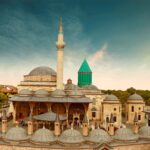
Konya, one of Turkey’s oldest cities, is renowned for its historical significance and rich cultural heritage. As the home of the famous Sufi poet Rumi, visitors can explore the Mevlana Museum, dedicated to his life and teachings. The city boasts stunning Seljuk architecture, including the Alaeddin Mosque and the Karatay Medrese, making it a treasure trove for history enthusiasts.
The destination guide
Konya

At a glance
Currency₺ TRYCode: TRY
Time zoneTurkey Time
Languages
- Turkish
Setting
- Anatolian plateau
- Seljuk heritage
- Sufi culture
- Steppe landscape
Known for
- Islamic history
- Sufi culture
- Seljuk architecture
- Turkish heritage
Population1.4M1,390,051 residents
VisaDuration: Up to 90 days within any 180-day period · Documents: Valid U.S. passport with at least 6 months validity beyond date of entry and space for entry and exit stamps
How Konya scores
6/10OverallFair
Weather6/10
Value for money7/10
Safety7/10
Food & cuisine7/10
Culture & arts6/10
Cultural experience9/10
History9/10
Nature & outdoors5/10
Adventure4/10
Nightlife4/10
Shopping6/10
Family friendly5/10
Romance6/10
Character
Photography score7/10
Authenticity score10/10
Off-the-beaten-path score8/10
Editorial scores on a 10-point scale, weighed against destinations of the same kind.
Travel safety snapshot
Overall72/100Moderate rating
Women travellers60/100
LGBTQ+ travellers20/100
Theft68/100
Medical care70/100
Physical harm70/100
Political freedom40/100
SafePlace indicators use their source 100-point scale; higher is more favourable. Planning context, not a live travel advisory — check official government guidance before you go.
When to go
Best months to visit: April, May, June, September and October.
- January: -2.4 to 4.8 degrees Celsius, 16 millimetres of rain, best-time score 2 out of 5.
- February: -0.5 to 6.3 degrees Celsius, 16.2 millimetres of rain, best-time score 2 out of 5.
- March: 1.8 to 9.1 degrees Celsius, 16.2 millimetres of rain, best-time score 3 out of 5.
- April: 6.9 to 16.7 degrees Celsius, 17.8 millimetres of rain, best-time score 5 out of 5.
- May: 11.8 to 22.5 degrees Celsius, 5.7 millimetres of rain, best-time score 5 out of 5.
- June: 15.1 to 24.5 degrees Celsius, 9.5 millimetres of rain, best-time score 4 out of 5.
- July: 18.6 to 29.2 degrees Celsius, 0.2 millimetres of rain, best-time score 2 out of 5.
- August: 19.3 to 30.1 degrees Celsius, best-time score 2 out of 5.
- September: 15.6 to 25.6 degrees Celsius, 11.1 millimetres of rain, best-time score 5 out of 5.
- October: 11.1 to 19.9 degrees Celsius, 0.2 millimetres of rain, best-time score 5 out of 5.
- November: 5.3 to 12.9 degrees Celsius, 15.4 millimetres of rain, best-time score 3 out of 5.
- December: -0.1 to 6.9 degrees Celsius, 8.6 millimetres of rain, best-time score 3 out of 5.
Month-by-month conditions and packing advice
- January
- Cold weather, mostly dry January in Konya: the coldest month with freezing temperatures and snow, quiet apart from indoor cultural sites. Crowds: Travelers visiting Konya in January should expect a subdued, off-peak atmosphere. The cold discourages casual tourists, which means fewer crowds at major cultural sites like the Mevlana Museum and less competition for accommodations, often translating into lower hotel rates. While outdoor walking tours may be brisk, this is an excellent time for travelers seeking a reflective, less hurried experience of Konya’s spiritual and cultural legacy. Winter concerts and religious gatherings carry on indoors, allowing visitors to connect with the city’s traditions without the crush of peak-season tourism. However, outdoor excursions to nearby plains or archaeological sites may be limited by the chill. Booking flexibility is high, making this a favorable time for budget-conscious and culturally focused travelers. Pack: Insulated winter coat suitable for below-freezing nights; Thermal base layers for layering under clothing; Warm hat, scarf, and gloves for outdoor walking; Comfortable waterproof boots for icy streets; Modest attire for visiting mosques and religious sites; Travel thermos for hot drinks during city walks
- February
- Cold weather, mostly dry February in Konya: still cold and wintry with low temperatures, though crowds are thin and prices low. Crowds: Visiting Konya in February means embracing its off-season atmosphere. The cold temperatures discourage large crowds, so major attractions such as the Mevlana Museum, Alaeddin Hill, and historic mosques are far less busy, offering travelers more immersive experiences. Accommodation prices are noticeably lower compared to the high summer season, making it budget-friendly. Outdoor exploration can be limited due to the chill, though short city walks and indoor cultural activities remain rewarding. This is not the ideal time for countryside excursions, but for those drawn to Konya’s Sufi traditions and historical heritage, the subdued winter atmosphere can feel deeply authentic. Travelers should prepare for short daylight hours and chilly evenings, and book indoor-focused itineraries. Advance booking is not typically necessary, but layered clothing is essential for comfort during exploration. Pack: Insulated winter coat for cold daytime and evening temperatures; Thermal base layers for extended outdoor walks; Water-resistant boots suitable for light snow or rain; Wool scarf, hat, and gloves for added warmth; Modest clothing layers for visiting mosques and religious sites; Portable thermos for hot drinks during cold city strolls
- March
- Cool weather, mostly dry March in Konya: chilly early spring gradually warms, with thin crowds and improving sightseeing conditions. Crowds: March marks the shoulder season in Konya, attracting fewer international visitors compared to summer or autumn. The cool temperatures make city walking tours comfortable, though evenings require warm layers. This period is ideal for travelers seeking quieter museums and mosques, including the Mevlana Museum, without the bustle of peak tourist crowds. Accommodation prices remain more affordable than in later months, though options may be limited in smaller guesthouses still preparing for spring. Outdoor activities like exploring the city’s bazaars or day trips across the plateau are possible with minimal rain interruptions. Travelers should plan for variable conditions, as temperatures can swing sharply between daytime and evening. Advance bookings are not essential, making March well-suited for more spontaneous cultural exploration. Pack: Warm jacket suitable for early spring evenings; Layered clothing for fluctuating day-to-night temperatures; Comfortable walking shoes for cobblestone streets; Light gloves and scarf for chilly mornings; Modest attire for visiting mosques and cultural sites; Compact umbrella for occasional showers
- April
- Cool weather, mostly dry April in Konya: mild, dry spring weather is ideal for exploring Seljuk architecture and the Mevlana Museum. Crowds: April offers favorable conditions for sightseeing, with comfortable cool weather that supports full-day exploration without fatigue. This is shoulder season in Konya: crowds are moderate, allowing for easier access to cultural sites and fewer queues compared to the busy summer months. Accommodation prices tend to be more reasonable than peak season, though early reservations remain wise as local spring festivals can increase demand. Outdoor activities such as walking tours, archaeological site visits, and photography sessions benefit from bright light and moderate humidity. The primary limitation is cooler evenings, which may restrict extended outdoor dining or late-night exploration unless properly dressed. For travelers seeking both cultural immersion and budget-conscious travel, April strikes an ideal balance. Pack: Layered clothing including light sweaters and shirts; Comfortable closed-toe walking shoes; Water-resistant jacket for unexpected showers; Scarf or light shawl for cooler evenings; Modest attire for religious and cultural sites; Sunglasses to handle bright spring sunlight
- May
- Warm and pleasant, mostly dry May in Konya: warm, pleasant late-spring days with minimal rain make it one of the best times to visit. Crowds: May marks the beginning of Konya’s prime travel season. Comfortable daytime warmth paired with minimal rainfall makes this month highly suitable for city walks, cultural site visits, and regional excursions. Tourist numbers increase as spring transitions toward summer, though Konya remains less crowded compared to Istanbul or Cappadocia. Accommodation and tour pricing begin to rise but remain reasonable, offering good value for travelers. The stable conditions make it possible to plan outdoor activities with little concern for weather disruptions. It’s an especially good time for those interested in cultural festivals and quieter experiences at religious sites before the peak summer influx. Travelers who book accommodations early can secure centrally located stays and enjoy a balance of favorable weather with manageable visitor levels. Pack: Light jacket or cardigan for cool evenings; Breathable long-sleeve shirts for sun protection; Comfortable walking shoes for cobblestone streets; Modest attire for visiting mosques and religious sites; Sunglasses and SPF 30+ sunscreen for bright days; Light scarf for both style and cultural respect
- June
- Warm and pleasant, mostly dry June in Konya: warm and dry early summer is good for sightseeing before the peak summer heat sets in. Crowds: June represents the beginning of Konya’s busy summer travel season, where warm, dry conditions make cultural sightseeing and outdoor excursions particularly comfortable. This period coincides with longer daylight hours, giving travelers ample time to explore both the historic city and nearby landscapes. Crowd levels rise moderately as domestic tourism increases, though Konya remains less saturated than Turkey’s coastal resorts. Prices for accommodation and guided tours see a slight uptick compared to spring, but they remain reasonable. The dry weather ensures reliable conditions for visiting landmarks such as the Mevlana Museum, Alaeddin Hill, and surrounding archaeological sites. Travelers should be prepared for warm afternoons, though cooler evenings provide relief. Advance booking for central hotels is recommended to secure better rates during this shoulder-to-high season transition. Pack: Lightweight long-sleeve shirts for sun protection; Comfortable walking shoes for historic sites; Broad-brimmed hat and high-SPF sunscreen; Light jacket or shawl for cooler evenings; Modest attire for mosques and religious sites; Breathable cotton or linen trousers
- July
- Warm and pleasant, mostly dry July in Konya: hot, dry summer heat is draining and many mosques and museums lack air-conditioning. Crowds: July represents the peak of Konya’s summer, bringing hot, dry conditions that influence how visitors plan their days. Tourism remains steady but never reaches the mass levels of Turkey’s coastal resorts, making the city comparatively calm. Prices for accommodation remain moderate, though booking ahead is wise due to seasonal demand from domestic travelers. Sightseeing is best timed for mornings and late afternoons, when cooler temperatures and softer light make visiting landmarks like the Mevlana Museum or Alaeddin Hill more comfortable. Midday hours are best reserved for shaded cafés, museum interiors, or quiet breaks in traditional tea gardens. The dryness means outdoor exploration is not hindered by rain, but sun exposure is intense, and hydration becomes essential. Overall, July offers rewarding experiences for travelers seeking cultural depth, with manageable crowds but strong seasonal weather considerations. Pack: Breathable cotton or linen clothing to handle dry heat; Wide-brimmed hat and high-SPF sunscreen for strong sun; Reusable water bottle to stay hydrated during long walks; Comfortable sandals or walking shoes for city exploration; Light scarf or shawl for modesty at religious sites; Light evening layer for cooler post-sunset temperatures
- August
- Warm and pleasant, mostly dry August in Konya: persistently hot summer weather makes daytime sightseeing uncomfortable in central Anatolia. Crowds: August in Konya falls within Turkey’s broader summer tourism season, though the city itself attracts fewer international crowds than coastal destinations. The dry and reliably warm conditions make it an excellent time for outdoor exploration, particularly for visiting the Mevlana Museum, Alaeddin Hill, or venturing to nearby archaeological sites. However, the midday heat can be intense, encouraging travelers to plan sightseeing for mornings and evenings while reserving afternoons for shaded cafés or indoor cultural experiences. Hotel prices remain moderate compared to coastal resorts, and availability is typically good. While festivals in Konya are more prominent in December around Rumi commemorations, August still offers a lively local scene with bustling markets and evening promenades. Early bookings for accommodation are recommended if coinciding with regional holidays or domestic travel surges. Pack: Lightweight linen or cotton clothing for hot daytime conditions; A wide-brimmed hat and high-SPF sunscreen for sun protection; Comfortable sandals or breathable walking shoes for city touring; A light jacket or shawl for cooler evenings; Modest attire suitable for visiting mosques and religious sites; Reusable water bottle to stay hydrated in dry conditions
- September
- Warm and pleasant, mostly dry September in Konya: warm, dry early autumn returns ideal sightseeing weather with comfortable temperatures. Crowds: September is one of the best times to visit Konya, offering comfortable weather for outdoor exploration without the extremes of summer heat or winter chill. The shoulder season atmosphere means fewer crowds compared to peak summer, but tourism activity remains lively, particularly around cultural festivals and events marking the beginning of autumn. Accommodation and flight prices are generally moderate—lower than high summer yet not as cheap as winter. Travelers can comfortably enjoy full-day itineraries, including walking tours of historic mosques, leisurely visits to bazaars, and day trips into surrounding landscapes. The mild daytime heat is perfect for photography and sightseeing, while the cooler nights encourage a relaxed pace and café culture experiences. Booking ahead is wise for accommodations near major cultural sites but not strictly necessary as availability is broader than in July or August. Pack: Lightweight long-sleeve shirts for daytime comfort; A medium-weight jacket or cardigan for cool evenings; Comfortable walking shoes for city and site exploration; Sun hat and high-SPF sunscreen for daytime outings; Modest clothing suitable for mosques and religious sites; A scarf or light shawl for layering and cultural appropriateness
- October
- Warm and pleasant, mostly dry October in Konya: mild, pleasant autumn days are perfect for touring the city before winter cold arrives. Crowds: October offers some of the best travel conditions in Konya, sitting squarely in the shoulder season when temperatures are mild and rainfall nearly absent. This month avoids the extremes of both summer heat and winter cold, making it ideal for sightseeing, cultural immersion, and walking tours without discomfort. Tourist numbers remain lower compared to summer, meaning fewer crowds at highlights like the Mevlana Museum and Alaeddin Hill. Accommodation prices are generally more moderate, offering good value while still delivering high-quality services. Day trips to nearby landscapes, such as Sille village or the Cappadocia border region, are especially enjoyable in this weather. Advance booking for key heritage sites is rarely necessary, though evenings call for planning indoor dining as the cooler night air settles quickly. Pack: Layered clothing to adapt from cool mornings to mild afternoons; Comfortable walking shoes for exploring cobbled streets and heritage sites; A light jacket or sweater for evening chill; Modest attire suitable for mosque and cultural site visits; Reusable water bottle to stay hydrated in the dry air; Camera with extra battery for capturing clear autumn light
- November
- Cool weather, mostly dry November in Konya: cooling late autumn brings crisper days and thinning crowds ahead of winter. Crowds: Travelers visiting Konya in November will find fewer crowds, as this shoulder season falls outside both summer’s domestic travel surge and December’s pilgrimage for the Mevlana Festival. Hotel rates are more affordable, and cultural sites remain comfortably accessible. The cool but dry weather makes city exploration manageable, though early sunsets mean shorter sightseeing windows. Outdoor excursions such as visiting Sille Village or exploring ancient caravanserais are pleasant during daylight hours, but evenings favor indoor cultural experiences like whirling dervish performances. Travelers should plan museum and mosque visits earlier in the day to maximize natural light. With mild tourism traffic and balanced costs, November offers a calm atmosphere for travelers seeking authenticity over spectacle. Pack: Warm jacket for chilly mornings and evenings; Layered sweaters and long-sleeve shirts; Comfortable walking shoes with good grip for cobbled streets; Scarf or shawl for both warmth and mosque visits; Compact umbrella or rain jacket for occasional showers; Modest clothing covering shoulders and knees for cultural sites
- December
- Cold weather, mostly dry December in Konya: cold and often snowy, but the Seb-i Arus Rumi festival draws huge crowds in mid-December. Crowds: December marks the low season for tourism in Konya, primarily due to the cold temperatures and shorter days. Accommodation rates and airfares are typically more affordable, and the city’s major attractions, such as the Mevlana Museum, are far less crowded. For travelers, the chilly air and occasional frost mean outdoor explorations should be shorter and layered with warm clothing, but the winter calm enhances the contemplative ambiance of Konya’s religious and historic landmarks. The highlight of December is the Şeb-i Arus festival, drawing spiritual pilgrims and culturally curious visitors, though even then crowds remain manageable compared to peak summer. Those seeking cultural depth rather than warm-weather leisure will find December rewarding. Advance booking is recommended for festival-related events, but otherwise flexibility in lodging and dining is easy to enjoy. Pack: Insulated winter coat for sub-zero nights; Layered sweaters and thermal tops; Comfortable waterproof boots for frosty streets; Warm hat, gloves, and scarf; Modest attire for religious and cultural sites; Travel thermos for hot drinks during walks
Peak season
- June
- July
- May
- August
- September
Off-peak
- December
- January
- February
- March
- April
- October
- November
Know before you go
About
Konya, in Turkey’s Central Anatolia region, is a historic city of roughly 1.4 million people that served as the capital of the medieval Seljuk Sultanate of Rum. Settled since antiquity, when it was known as Iconium, it is best known today as the spiritual home of the 13th-century poet and mystic Rumi, who died here in 1273. His tomb anchors the Mevlana Museum, the most-visited site in the city and a place of pilgrimage for followers of the Mevlevi, or Whirling Dervish, Sufi order founded by his disciples. Other landmarks include the hilltop Aladdin Mosque and the Ince Minare Medrese, with its richly carved Seljuk portal. Konya remains one of Turkey’s most devout cities and the place to witness the sema, the dervishes’ meditative whirling ceremony.
Best time to visit
The best time to visit Konya is during the spring (April to June) and fall (September to November) when temperatures are mild and pleasant. Summer can be quite hot, while winter brings colder weather, but also the beauty of snow-covered landscapes.
Getting there and around
Getting there
Konya Airport (KYA) located 18km north of city receives three daily flights from Istanbul Airport (IST) via Turkish Airlines/AnadoluJet and Sabiha Gokcen Airport (SAW) via Pegasus Airlines. High-speed train (YHT) connects Ankara-Konya with modern comfortable service. Intercity buses frequent from major Turkish cities including Istanbul (8 hours), Ankara (3 hours), Antalya (4 hours). From airport, taxi approximately 30-40 minutes to city center. Bus connections available but limited schedule. Most central attractions within 1km walking distance making exploration on foot ideal. Car rental available but unnecessary for city sightseeing. Selçuklu YHT station connects to city center via tram Line 1.
Getting around
Getting around Konya is surprisingly efficient thanks to its modern and affordable public transportation system, anchored by the Konya Tram (especially useful for tourists connecting sites like Alaaddin Hill and the Mevlana Museum) and a network of city buses managed by the Konya Metropolitan Municipality. The city is highly walkable in the historic center, especially around the Seljuk-era landmarks, but the distances between newer districts may require supplemental transit. Taxis are readily available and affordable, though rideshare services like Uber are not yet prevalent; instead, local apps such as iTaksi or KonyaKart Mobile help navigate transit and top up fares. For frequent travel, purchasing a KonyaKart smart card is not only cheaper than single tickets but also saves time with seamless transfers between buses and trams.
Worth booking ahead in Konya
Hand-picked from the operators our guides already send readers to. Prices and availability are live on the partner site.
BrowseViator
Tours and tickets in Konya on Viator (opens Viator in a new tab)
Viator's full list of bookable tours and tickets in Konya.
BrowseGetYourGuide
Experiences in Konya on GetYourGuide (opens GetYourGuide in a new tab)
Everything GetYourGuide sells in Konya, with the cancellation terms on each listing.
Where to stayBooking.com
Stays in Konya (opens Booking.com in a new tab)
Live rates and availability for Konya on Booking.com; filter by neighbourhood once you know where your days start.
We earn a commission if you book through these links, at no extra cost to you. It is how we keep the guides free and independent.
Where to stay
Hilton Garden Inn Konya
Aladdin Cad. No: 1, 42030 Konya, Turkey
Five-star hotel with Seljuk-inspired architecture near Aladdin Hill with panoramic city views, a Turkish hammam, spa, indoor pool, and rooftop restaurant.
Rumi Hotel
Mevlana Caddesi 65, 42030 Konya, Turkey
Centrally located luxury hotel steps from the Mevlana Museum with spacious rooms, a restaurant, and traditional Turkish hospitality.
Hich Hotel Konya
Aziziye Mah. Hükümet Cad. No: 3, 42030 Konya, Turkey
Boutique hotel in a restored Ottoman-era konak in the historic quarter with individually decorated rooms, a courtyard, and authentic period details.
Editor-curated stays carried over from our original guide. Where we have reviewed the hotel, the card links to the review.
Tips from the field
Highlights
- Mevlana Museum
- Alaaddin Hill Park
- Karatay Madrasa
- Selimiye Mosque
- Kyoto Japanese Park
Best activities
- Visit the Mevlana Museum
- Explore Alaaddin Hill Park
- Tour the Karatay Madrasa
- See the Konya Archeological Museum
- Experience the Konya Tropical Butterfly Garden
Practical tips
- Many museums are free or have very reasonable entry fees
- Dress modestly when visiting religious sites
- Learn basic Turkish phrases for better interaction with locals
Keeping it authentic
- Home to the famous Sufi poet Rumi and his tomb
- Rich in Seljuk architecture and Islamic heritage
Culture, customs and safety
Cultural heritage
Konya serves as the spiritual heart of Sufi Islamic mysticism, where the tomb and teachings of Rumi created one of Islam most important pilgrimage destinations and centers of mystical philosophy. The city preserves the legacy of the Whirling Dervishes, traditional Islamic architecture, and Sufi spiritual practices while maintaining its role as guardian of Anatolian cultural traditions. Konya cultural heritage encompasses Sufi mystical traditions, Islamic architectural achievement, traditional Anatolian crafts, and contemporary Islamic spiritual practice that continues to influence global Islamic culture and interfaith spiritual understanding through Rumi universal message of love and tolerance.
Local customs & etiquette
Konya ranks among Turkey’s most religiously conservative cities requiring respectful dress and behavior. Women must cover heads and dress modestly – revealing clothing not appreciated. Cover hair when entering Mevlana Museum and religious sites. Men and women seated separately during Whirling Dervish ceremonies. Remove shoes before entering performance areas, maintain silence, turn off electronic devices during spiritual ceremonies. No flash photography during dervish performances – disrupts sacred atmosphere. Turkish spoken predominantly with limited English in tourist areas. Greeting “Merhaba” (hello) and “Teşekkür ederim” (thank you) appreciated. Authentic religious gatherings rather than tourist shows – approach with reverence. December Şeb-i Arûs festival draws 100,000 mostly Turkish visitors creating authentic spiritual atmosphere.

Activities