Warsaw, the capital of Poland, is a city that beautifully blends history with modernity. Known for its stunning architecture, vibrant cultural scene, and rich history, Warsaw offers visitors a chance to explore its historic Old Town, a UNESCO World Heritage Site, as well as contemporary attractions like the Warsaw Uprising Museum. The city is a testament to resilience, having rebuilt itself after the devastation of World War II.
The destination guide
Warsaw
Travel guides for Warsaw
Things to do (1)
Destination stories (1)
More guides featuring Warsaw (6)
At a glance
CurrencyPLN
Time zoneCentral European Time
Languages
- Polish
Setting
- Urban cityscape
- Vistula River
- Royal castle
- Parks and gardens
Population1.8M1,793,579 residents
VisaDuration: Up to 90 days within any 180-day period in the Schengen Area · Documents: Valid passport issued within the last 10 years and valid for at least 3 months after planned departure, plus proof of accommodation, onward or return travel, and sufficient funds if requested
How Warsaw scores
8/10OverallExcellent
Weather6/10
Value for money8/10
Food & cuisine7/10
Culture & arts8/10
Cultural experience8/10
Nature & outdoors6/10
Adventure6/10
Nightlife7/10
Shopping7/10
Family friendly5/10
Romance6/10
Editorial scores on a 10-point scale, weighed against destinations of the same kind.
Travel safety snapshot
Overall80/100High rating
Women travellers76/100
LGBTQ+ travellers75/100
Theft70/100
Medical care82/100
Physical harm78/100
Political freedom77/100
SafePlace indicators use their source 100-point scale; higher is more favourable. Planning context, not a live travel advisory — check official government guidance before you go.
When to go
Best months to visit: April, May, June, July, August, September, October and December.
- January: -2.4 to 0.8 degrees Celsius, 23.8 millimetres of rain, best-time score 2 out of 5.
- February: -2.5 to 2.3 degrees Celsius, 5.2 millimetres of rain, best-time score 2 out of 5.
- March: 0.3 to 6.4 degrees Celsius, 9.7 millimetres of rain, best-time score 3 out of 5.
- April: 5.1 to 12.7 degrees Celsius, 24.1 millimetres of rain, best-time score 4 out of 5.
- May: 8 to 17 degrees Celsius, 23.3 millimetres of rain, best-time score 5 out of 5.
- June: 12.3 to 22.2 degrees Celsius, 4.8 millimetres of rain, best-time score 5 out of 5.
- July: 15.4 to 25.3 degrees Celsius, 32.1 millimetres of rain, best-time score 4 out of 5.
- August: 16.1 to 26 degrees Celsius, 7.9 millimetres of rain, best-time score 4 out of 5.
- September: 12.4 to 20.9 degrees Celsius, 9 millimetres of rain, best-time score 5 out of 5.
- October: 7.1 to 13.6 degrees Celsius, 5.4 millimetres of rain, best-time score 4 out of 5.
- November: 3.6 to 7.6 degrees Celsius, 5.7 millimetres of rain, best-time score 3 out of 5.
- December: -1.7 to 1.5 degrees Celsius, 4.9 millimetres of rain, best-time score 4 out of 5.
Month-by-month conditions and packing advice
- January
- Cold weather, mostly dry January in Warsaw: deep winter cold makes walking-heavy sightseeing less comfortable. Crowds: Winter months in Warsaw are less crowded, offering a peaceful experience for exploring museums, historical sites, and winter markets. Accommodation rates are lower, and public transport is efficient despite the cold. Visitors should dress warmly in layers, with waterproof outerwear for unexpected snow showers. The city's cultural scene thrives in winter, with numerous festivals and exhibitions. Pack: Warm winter coat; Thermal layers; Waterproof boots; Scarf and gloves; Thermal socks; Hand and face warmers
- February
- Cold weather, mostly dry February in Warsaw: deep winter cold makes walking-heavy sightseeing less comfortable. Crowds: Winter tourist season with moderate crowd levels and stable pricing patterns. While temperatures drop below freezing, the city remains vibrant with cultural events and holiday markets. Ideal for winter sports and ice skating, but travelers should be cautious of icy sidewalks and cold weather gear. Booking accommodations in advance is recommended due to potential holiday surges. Pack: Warm winter coat for temperature variation; Insulated gloves and scarf for cold weather; Waterproof boots for icy conditions; Thermal layers for warmth; Hats and beanies for cold exposure; Waterproof gloves for outdoor activities
- March
- Cold weather, mostly dry March in Warsaw: transition weather can be cool and changeable. Crowds: Peak tourist season with excellent conditions for winter activities including ice skating, cultural museum visits, and city tours. Hotel rates and crowd levels are highest during this period. While temperatures are low, the dry conditions and clear skies make outdoor activities enjoyable. Booking in advance is recommended to secure accommodations. Pack: Warm winter coat for temperature variation; Insulated gloves for cold weather; Waterproof boots for snowy conditions; Scarf and hat for warmth; Layered clothing for temperature fluctuations; Waterproof jacket for occasional rain
- April
- Cool weather, mostly dry April in Warsaw: summer, autumn, or festive winter timing can work with crowd or cold planning. Crowds: Peak tourist season with excellent conditions for cultural site visits, winter sports, and city walking tours. Hotel rates and crowd levels are highest during this period. UV levels remain moderate despite cooler temperatures. Pack: Lightweight layers for temperature variation; Comfortable walking shoes for city exploration; Warm hat and scarf for cold mornings; Waterproof jacket for occasional snow showers; Thermal gloves for winter activities; Modest clothing for cultural sites and mosques; Breathable cotton/linen fabrics
- May
- Cool weather, mostly dry May in Warsaw: parks, old-town walks, museums, food halls, riverfronts, and day trips balance milder weather and city energy. Crowds: Peak tourist season with excellent conditions for cultural exploration, winter sports, and city tours. Hotel rates and crowd levels are highest during this period. Outdoor activities are enjoyable despite cooler temperatures. Pack: Lightweight layers for temperature variation; Warm winter boots for snow and ice; Waterproof jacket for occasional snow showers; Thermal gloves and scarf; Comfortable winter boots for city exploration; Warm hat and beanie
- June
- Warm and pleasant, mostly dry June in Warsaw: parks, old-town walks, museums, food halls, riverfronts, and day trips balance milder weather and city energy. Crowds: June marks the peak tourist season in Warsaw, with optimal conditions for a variety of activities including city tours, river cruises, and cultural festivals. Hotel prices and crowd levels are at their highest, with high UV levels persisting despite cooler temperatures. Visitors are encouraged to plan activities during the day to avoid midday heat. Pack: Lightweight layers for temperature variation; Comfortable walking shoes for city exploration; Broad-brimmed hat and SPF 50+ sunscreen; Light cardigan for air-conditioned spaces; Modest clothing for cultural sites and mosques; Breathable cotton/linen fabrics
- July
- Warm and pleasant, some rain July in Warsaw: summer, autumn, or festive winter timing can work with crowd or cold planning. Crowds: July marks the peak tourist season in Warsaw, with excellent weather conditions for sightseeing, cultural tours, and outdoor events. The city's attractions, including historic sites and parks, are most accessible during this period. Hotel prices and crowd levels are at their highest, so early booking is recommended. Despite the warm temperatures, UV levels remain manageable, making it suitable for outdoor activities. Pack: Lightweight layers for temperature variation; Comfortable walking shoes for city exploration; Broad-brimmed hat and SPF 50+ sunscreen; Light cardigan for air-conditioned spaces; Modest clothing for cultural sites and mosques; Breathable cotton/linen fabrics
- August
- Warm and pleasant, mostly dry August in Warsaw: summer, autumn, or festive winter timing can work with crowd or cold planning. Crowds: August marks the peak tourist season in Warsaw, with excellent weather conditions for a variety of activities including hiking, cycling, and exploring historical sites. Hotel prices and crowd levels are at their highest, with high UV levels persisting despite cooler temperatures. Ideal for photography and cultural experiences, visitors should plan accordingly for accommodation and activities. Pack: Lightweight layers for temperature variation; Comfortable walking shoes for city exploration; Broad-brimmed hat and SPF 50+ sunscreen; Light cardigan for air-conditioned spaces; Modest clothing for cultural sites and mosques; Breathable cotton/linen fabrics
- September
- Warm and pleasant, mostly dry September in Warsaw: parks, old-town walks, museums, food halls, riverfronts, and day trips balance milder weather and city energy. Crowds: September marks the peak tourist season in Warsaw, with excellent weather conditions for outdoor activities including hiking, river cruises, and city tours. Hotel rates and crowd levels are at their highest, with high UV levels due to the clear skies. Visitors can enjoy cultural events and festivals, while the weather remains conducive for both daytime and evening activities. Pack: Lightweight layers for temperature variation; Comfortable walking shoes for city exploration; Broad-brimmed hat and SPF 50+ sunscreen; Light cardigan for air-conditioned spaces; Modest clothing for cultural sites and mosques; Breathable cotton/linen fabrics
- October
- Cool weather, mostly dry October in Warsaw: summer, autumn, or festive winter timing can work with crowd or cold planning. Crowds: Peak tourist season with excellent conditions for cultural exploration, including museum visits, historical tours, and winter markets. Hotel rates and crowd levels are highest during this period. While temperatures are cool, UV levels remain manageable, making it suitable for outdoor activities. Booking in advance is recommended to secure accommodations and popular attractions. Pack: Lightweight layers for temperature variation; Warm winter coat for indoor attractions; Waterproof jacket for unexpected rain; Comfortable walking shoes for city exploration; Thermal gloves and scarf for cooler evenings; Warm hat for cultural sites and outdoor events
- November
- Cool weather, mostly dry November in Warsaw: transition weather can be cool and changeable. Crowds: Peak tourist season with excellent conditions for cultural exploration, winter sports, and city tours. Hotel rates and crowd levels are highest during this period. While temperatures are cool, the city's attractions remain accessible and enjoyable. Visitors should be prepared for occasional rain showers, which can enhance the experience of winter festivals and outdoor markets. Pack: Warm layers for temperature variation; Waterproof jacket for occasional rain; Comfortable winter boots for city exploration; Umbrella for unexpected showers; Thermal socks for cold nights; Waterproof gloves for winter activities
- December
- Cold weather, mostly dry December in Warsaw: summer, autumn, or festive winter timing can work with crowd or cold planning. Crowds: Peak tourist season with excellent conditions for winter activities including ice skating, cultural museum visits, and festive holiday markets. Hotel rates and crowd levels are highest during this period. UV levels remain low despite cooler temperatures. Pack: Warm winter coat for temperature variation; Insulated gloves for cold weather; Waterproof boots for snowy conditions; Scarf and hat for warmth; Waterproof camera cover for rainy days; Layered clothing for temperature fluctuations
Peak season
- July
- August
- May
- June
- September
Off-peak
- January
- February
- November
- December
- March
- April
Know before you go
Best time to visit
May through September for warm weather and outdoor café culture. June-August are peak months. December for magical Christmas markets across the city.
Season by season
Summer (June-Aug):
Weather: 20-30°C, sunny
Highlights: Chopin Concerts in park
Best For: Parks
Fall (Sept-Oct):
Weather: 10-18°C, golden
Highlights: Warsaw Film Festival
Best For: Walking
Winter (Dec-Feb):
Weather: -5 to 2°C, grey/snow
Highlights: City lights
Best For: Museums
Spring (April-May):
Weather: 10-20°C, blooming
Highlights: Jewish Film Festival
Best For: Sightseeing
Crowds
Warsaw sees peak visitation in summer (June–August) and during cultural festivals (e.g., Chopin competitions), with Old Town and museums busiest then; quietest in winter (December–February) aside from holiday periods, leaving overall moderate tourist volumes.
Getting there and around
Getting there
Fly into Warsaw Chopin Airport (WAW) with direct flights from most European capitals. The airport is 10 km from the center, reachable by train (20 min) or bus. Warsaw Modlin (WMI) serves budget airlines.
Top experiences in Warsaw
Old Town (Stare Miasto)
A UNESCO World Heritage site. It was completely destroyed in WWII and rebuilt brick by brick based on old paintings (Canaletto). It is a colorful, charming miracle of reconstruction. The Market Square (Rynek) is the heart of it.
Palace of Culture and Science
The massive Stalinist skyscraper given as a ‘gift’ from the USSR. Locals have a love-hate relationship with it. It dominates the skyline. The viewing terrace on the 30th floor offers the best panorama of the city. It houses theaters and museums.
Łazienki Park (Royal Baths)
A sprawling park and palace complex. It was the summer residence of the last Polish king. It has peacocks roaming free, a Classical palace on the water, and free Chopin concerts by the monument on Sundays in summer.
Warsaw Uprising Museum
One of the best museums in Poland. It honors the 1944 Uprising against the Nazis. It is interactive, immersive, and deeply moving. It explains the tragedy and heroism that defined the city. A must-visit to understand Warsaw.
Royal Castle
The residence of Polish monarchs. Like the Old Town, it was rebuilt after the war. The opulent interiors (Great Hall, Throne Room) are stunning. It stands at the entrance to the Old Town and houses paintings by Rembrandt.
Editor-curated picks carried over from our original guide. Where a full place guide exists, the card links to it.
Worth booking ahead in Warsaw
Hand-picked from the operators our guides already send readers to. Prices and availability are live on the partner site.
BrowseViator
Tours and tickets in Warsaw on Viator (opens Viator in a new tab)
Viator's full list of bookable tours and tickets in Warsaw.
BrowseGetYourGuide
Experiences in Warsaw on GetYourGuide (opens GetYourGuide in a new tab)
Everything GetYourGuide sells in Warsaw, with the cancellation terms on each listing.
Where to stayBooking.com
Stays in Warsaw (opens Booking.com in a new tab)
Live rates and availability for Warsaw on Booking.com; filter by neighbourhood once you know where your days start.
We earn a commission if you book through these links, at no extra cost to you. It is how we keep the guides free and independent.
Where to stay
Hotel Bristol, a Luxury Collection Hotel
Krakowskie Przedmieście 42/44, 00-325 Warszawa, Poland
Opened in 1901, it is a Warsaw legend next to the Presidential Palace. It survived the war intact. It is an Art Nouveau masterpiece. Paderewski and Curie stayed here. It is old-world elegance defined.
Raffles Europejski Warsaw
Krakowskie Przedmieście 13, 00-071 Warszawa, Poland
A restored 19th-century classic. It is ultra-luxurious, housing a curated Polish art collection. The rooms are massive and chic. The Lourdès patisserie is famous. It represents the modern, confident face of Warsaw.
H15 Boutique Hotel
Poznańska 15, 00-680 Warszawa, Poland
Located in a historic 19th-century building that was once the Soviet embassy. It is a stylish boutique hotel with bold design. The courtyard is lovely. It is located in the vibrant city center, close to restaurants and bars.
Editor-curated stays carried over from our original guide. Where we have reviewed the hotel, the card links to the review.
Tips from the field
Highlights
- Resilience – Phoenix City
- Chopin – Music heart
- Old Town – Rebuilt UNESCO
- Pierogi – Dumplings
- History – Uprising Museum
- Parks – Greenest city
- Nightlife – Vibrancy
- Skyline – Modern skyscrapers
Best activities
- Wander the reconstructed Old Town. Visit the moving Warsaw Uprising Museum. Listen to a free Chopin concert in Łazienki Park (Sunday). Eat Pierogi at a 'Bar Mleczny' (Milk Bar). Go up the Palace of Culture for the view. Walk along the Vistula Boulevards.
Practical tips
- Currency: Polish Złoty (PLN). Cards widely accepted.
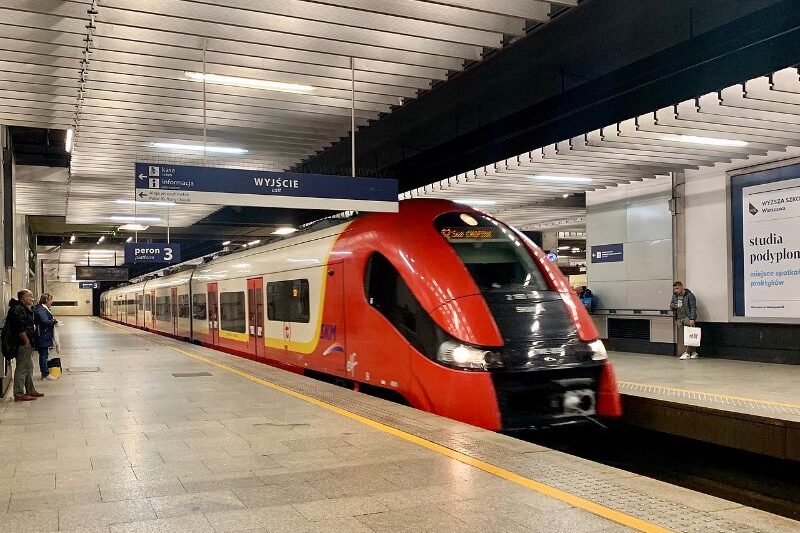
- Getting There: Warsaw Chopin Airport (WAW) via bus 175/188 or ZTM trains to center (~5 PLN, 25 minutes).
- Transportation: ZTM metro, trams, and buses. Single ticket 4.40 PLN. Walking great in Old Town. Veturilo bike-share.
- Dining: Pierogi, żurek soup, bigos. Extremely affordable — meals 25-60 PLN. Hala Koszyki food hall. Milk bars (bar mleczny) for budget traditional food.
- Free Attractions: Old Town Market Square, Royal Route walking, Łazienki Park, Warsaw Uprising Museum (free Sundays), Vistula riverside.
- Tipping: 10% at restaurants
- Electricity: 230V/50Hz, Type C/E plugs
Photography tips
- Golden Hour: Sunset over the Vistula River with the National Stadium.
- Iconic Shots:
- The colorful facades of the Old Town Market Square.
- The Palace of Culture and Science (from a distance).
- The Palace on the Isle in Łazienki Park (reflections).
- The Mermaid Statue (Syrenka).
- The neon signs of Warsaw (Neon Museum).
- Technique: Warsaw is a mix of old and modern; capture the contrast between skyscrapers and the reconstructed Old Town.
Timing
- Peak Season (June-Aug):
- Warm, outdoor events
- Shoulder Season (May, Sept):
- Best weather
- Low Season (Nov-Feb):
- Cold, cheap
Keeping it authentic
- Warsaw is dynamic and fast-paced. It is not a museum city like Krakow
- it is a modern metropolis. The 'Milk Bars' (cafeterias from the communist era) are authentic and cheap. Poles are resilient and proud of their capital's rebirth.
Culture, customs and safety
Cultural heritage
Warsaw demonstrates remarkable cultural resilience through meticulous reconstruction after WWII destruction, preserving Polish identity through architecture, music, and resistance memory. The Old Town UNESCO site represents determination to rebuild cultural heritage from rubble using Canaletto paintings as reference. Royal Castle and Route showcase monarchical legacy while Palace of Culture symbolizes Soviet period. Chopin heritage permeates through concerts and monuments. Warsaw Uprising Museum documents resistance heroism. The city embodies Polish perseverance, maintaining cultural continuity despite historical trauma.
Safety notes
Warsaw is very safe — one of Europe’s safest capitals.
General Safety:
• Old Town, Nowy Świat, and Łazienki area are safe at all hours
• Very low crime for tourists
Emergency: 112

Activities