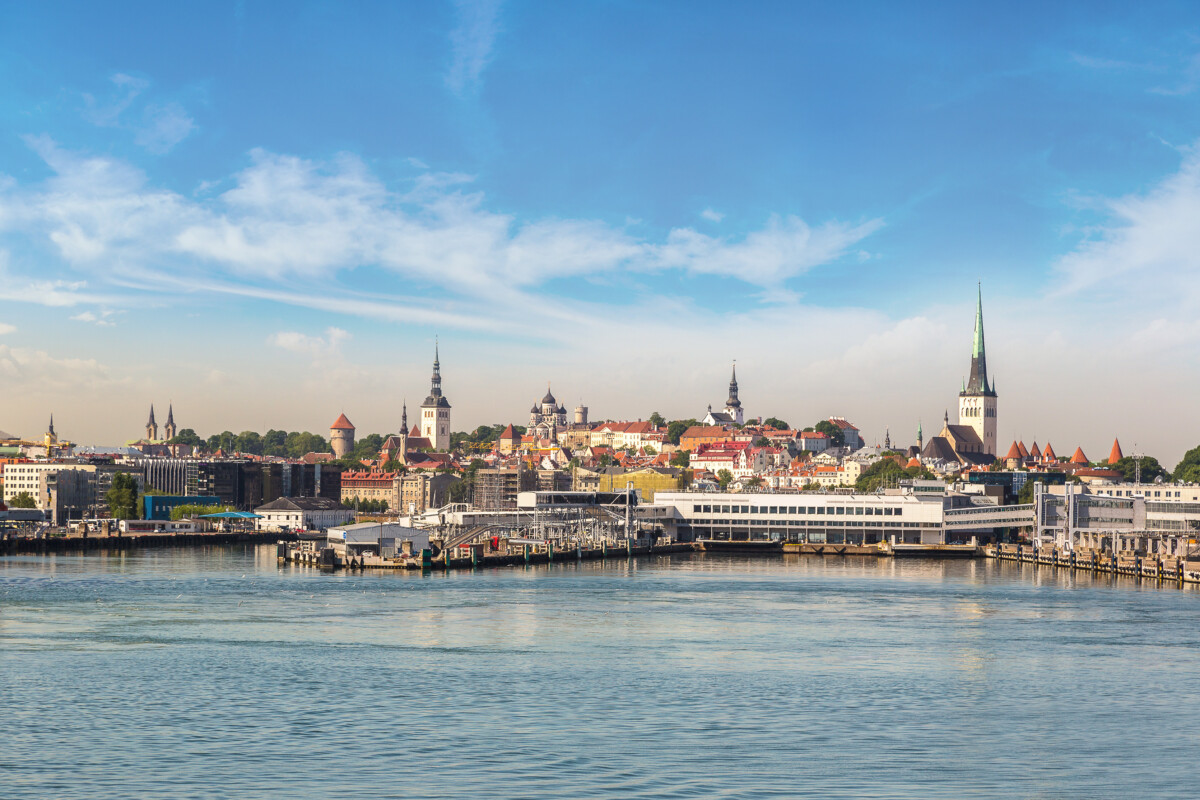
Estonia captivates visitors with its blend of medieval charm and digital innovation. Tallinn’s UNESCO-listed Old Town transports you through time with its preserved medieval walls, cobblestone streets, and gothic spires, while the city’s cutting-edge tech scene earned it the nickname “Europe’s Silicon Valley.” Beyond the capital, discover pristine forests, bogs, and over 2,000 islands dotting the Baltic coastline. In the cultural hub of Tartu, Estonia’s university town, experience the vibrant arts scene amid historic architecture. Throughout this compact nation, visitors find an appealing mix of Scandinavian efficiency, Baltic history, and digital advancement where ancient traditions coexist with Estonia’s pioneering e-residency program and widespread digital services.
Estonia
Tallinn’s Old Town is medieval Europe at its most intact — and somehow Estonia also runs one of the world’s most advanced digital governments.
At a glance
- Italian
- Medieval old town
- Baltic coast
- Limestone cliffs
- Boreal forests
How Estonia scores
Editorial scores on a 10-point scale, weighed against destinations of the same kind.
Travel safety snapshot
SafePlace indicators use their source 100-point scale; higher is more favourable. Planning context, not a live travel advisory — check official government guidance before you go.
When to go
Best months to visit: April, May, June, July, August, September and October.
- January: -5.8 to -1.3 degrees Celsius, 64.8 millimetres of rain, best-time score 2 out of 5.
- February: -5 to -0.3 degrees Celsius, 50.8 millimetres of rain, best-time score 2 out of 5.
- March: -3.5 to 3.6 degrees Celsius, 38.8 millimetres of rain, best-time score 3 out of 5.
- April: 0.6 to 9.7 degrees Celsius, 45 millimetres of rain, best-time score 4 out of 5.
- May: 5.7 to 16.2 degrees Celsius, 45.8 millimetres of rain, best-time score 5 out of 5.
- June: 11.4 to 20.9 degrees Celsius, 70 millimetres of rain, best-time score 5 out of 5.
- July: 13.6 to 22 degrees Celsius, 83.4 millimetres of rain, best-time score 5 out of 5.
- August: 12.8 to 20.7 degrees Celsius, 107.4 millimetres of rain, best-time score 5 out of 5.
- September: 9.4 to 16.4 degrees Celsius, 62.4 millimetres of rain, best-time score 5 out of 5.
- October: 4.2 to 9.5 degrees Celsius, 72.8 millimetres of rain, best-time score 4 out of 5.
- November: 0.3 to 4 degrees Celsius, 59 millimetres of rain, best-time score 2 out of 5.
- December: -3.2 to 0.6 degrees Celsius, 50.9 millimetres of rain, best-time score 3 out of 5.
Month-by-month conditions and packing advice
- January
- Very cold, occasional rain Cold winter weather, few tourists. Crowds: January in Estonia is best for winter-ready travelers; outdoor plans need warm gear, shorter daylight expectations, and weather-aware transport planning. Pack: Pack insulated layers, warm footwear, gloves, and a serious winter coat.
- February
- Very cold, occasional rain Chilly and quiet, good for museums. Crowds: February in Estonia is best for winter-ready travelers; outdoor plans need warm gear, shorter daylight expectations, and weather-aware transport planning. Pack: Pack insulated layers, warm footwear, gloves, and a serious winter coat.
- March
- Cold, occasional rain Beginning to warm up, spring blossoms. Crowds: March in Estonia is workable with normal seasonal planning; build in layers, weather checks, and a mix of indoor and outdoor activities. Pack: Pack warm layers, a coat, and comfortable shoes for cold mornings and evenings.
- April
- Cold, occasional rain Pleasant spring weather, great for walking. Crowds: April in Estonia is workable with normal seasonal planning; build in layers, weather checks, and a mix of indoor and outdoor activities. Pack: Pack warm layers, a coat, and comfortable shoes for cold mornings and evenings.
- May
- Cool to mild, occasional rain Excellent weather before the summer crowds. Crowds: May in Estonia is workable with normal seasonal planning; build in layers, weather checks, and a mix of indoor and outdoor activities. Pack: Pack layered clothing and comfortable walking shoes.
- June
- Mild to warm, occasional rain Warm, sunny, and lively. Crowds: June in Estonia is comfortable for sightseeing, neighborhoods, food stops, day trips, and outdoor time with limited weather friction. Pack: Pack layered clothing and comfortable walking shoes.
- July
- Mild to warm, some rain Peak summer heat and peak tourist season. Crowds: July in Estonia is workable with normal seasonal planning; build in layers, weather checks, and a mix of indoor and outdoor activities. Pack: Pack layered clothing and comfortable walking shoes. Add a rain jacket or compact umbrella.
- August
- Mild to warm, some rain Very warm, many festivals and outdoor dining. Crowds: August in Estonia is workable with normal seasonal planning; build in layers, weather checks, and a mix of indoor and outdoor activities. Pack: Pack layered clothing and comfortable walking shoes. Add a rain jacket or compact umbrella.
- September
- Cool to mild, occasional rain Perfect shoulder season with great weather. Crowds: September in Estonia is workable with normal seasonal planning; build in layers, weather checks, and a mix of indoor and outdoor activities. Pack: Pack layered clothing and comfortable walking shoes.
- October
- Cold, some rain Crisp autumn air and beautiful colors. Crowds: October in Estonia is workable with normal seasonal planning; build in layers, weather checks, and a mix of indoor and outdoor activities. Pack: Pack layered clothing and comfortable walking shoes. Add a rain jacket or compact umbrella.
- November
- Cold, occasional rain Cooling down rapidly, often rainy. Crowds: November in Estonia is workable with normal seasonal planning; build in layers, weather checks, and a mix of indoor and outdoor activities. Pack: Pack warm layers, a coat, and comfortable shoes for cold mornings and evenings.
- December
- Very cold, occasional rain Cold but festive holiday atmosphere. Crowds: December in Estonia is workable with normal seasonal planning; build in layers, weather checks, and a mix of indoor and outdoor activities. Pack: Pack warm layers, a coat, and comfortable shoes for cold mornings and evenings.
Know before you go
About
Estonia captivates visitors with its blend of medieval charm and digital innovation. Tallinn’s UNESCO-listed Old Town transports you through time with its preserved medieval walls, cobblestone streets, and gothic spires, while the city’s cutting-edge tech scene earned it the nickname “Europe’s Silicon Valley.” Beyond the capital, discover pristine forests, bogs, and over 2,000 islands dotting the Baltic coastline. In the cultural hub of Tartu, Estonia’s university town, experience the vibrant arts scene amid historic architecture. Throughout this compact nation, visitors find an appealing mix of Scandinavian efficiency, Baltic history, and digital advancement where ancient traditions coexist with Estonia’s pioneering e-residency program and widespread digital services.
Neighbourhoods
Tallinn, Tartu, Pärnu, Kuressaare
Best time to visit
Summer (June-August) is magical for the ‘White Nights’ when the sun barely sets. Temperatures are mild (65-75°F). December is enchanting for the world-famous Christmas Market.
Shoulder Season (May, September) offers fewer crowds and crisp weather, perfect for photography. Winter can be dark and slushy outside of December.
Season by season
Spring: Bird migration in Matsalu National Park.
Summer: White Nights, Song Festivals (every 5 years), beach days in Pärnu.
Fall: Mushroom picking in forests, golden light in Old Town.
Winter: Christmas markets, ice skating on Harju Street, cozy glögg drinking.
Crowds
Estonia concentrates visitors in Tallinn with peak crowds in June–August and during midsummer (Jaanipäev) celebrations; quietest in November–March when cold limits sightseeing, though winter in Tallinn draws modest Christmas‑market traffic.
Getting there and around
Getting there
Estonia, an EU and Schengen Area member, is accessed via Tallinn Airport (TLL) just 4km from city center. Airlines like airBaltic, Ryanair, and Wizz Air offer direct flights from London and European hubs. No direct U.S. flights – travelers must connect through Europe. Baltic Sea location makes ferry travel popular with frequent services from Helsinki, Finland (2-2.5 hours) and overnight ferry from Stockholm, Sweden. International buses from LuxExpress and Flixbus connect with other Baltic states and Central Europe. Daily train service links Tallinn with Riga, Latvia.
Getting around
Getting around Estonia is refreshingly efficient and scenic, especially in and around Tallinn where public transport is exceptionally well-developed. Tallinn offers a seamless network of buses, trolleys, and trams—all free for registered residents but easily accessible for visitors through contactless payment or the Ühiskaart transit card, which can be topped up and used across systems. While there’s no metro, long-distance buses connect towns nationwide with impressive punctuality, and most city centers, especially Tallinn and Tartu, are highly walkable with charming cobblestone streets and pedestrian-only zones. Taxis are widely available, though locals tend to prefer Bolt, an Estonian-based rideshare app that offers affordable and reliable service—just be cautious about hailing taxis off the street, as they may charge higher fares without clear pricing.
Top experiences in Estonia
Tallinn Old Town (Vanalinn)
Tallinn’s Old Town is one of the best-preserved medieval cities in Europe and a UNESCO World Heritage site. Its winding cobblestone streets are lined with merchant houses, gothic spires, and hidden courtyards. Highlights include the Town Hall Square (Raekoja Plats), the oldest functioning pharmacy in Europe (Raeapteek), and the medieval city walls which visitors can walk along.
Toompea Hill & Alexander Nevsky Cathedral
Toompea Hill is the upper part of Old Town, historically the seat of power. It offers stunning viewing platforms (Patkuli and Kohtuotsa) with red-roofed panoramas. The Alexander Nevsky Cathedral, an opulent Russian Orthodox church with onion domes, stands across from the pink baroque Toompea Castle, which houses the Estonian Parliament.
Lahemaa National Park
Lahemaa National Park, an hour east of Tallinn, offers a pristine escape into Estonian nature. It features rugged coastlines, giant glacial boulders, and serene bogs like Viru Bog, where visitors can walk on wooden boardwalks over the wetlands. The park is also home to restored historic manors like Palmse and Sagadi, offering a glimpse into Baltic German history.
Telliskivi Creative City
Telliskivi Creative City is the industrial-chic heart of modern Tallinn. Located in a reclaimed factory complex, it is filled with street art, design shops, artisan studios, and trendy cafes. It is home to Fotografiska Tallinn, a world-class photography museum, and a vibrant Saturday flea market, showcasing the city’s youthful and innovative spirit.
Kadriorg Park & Palace
Kadriorg Park was built by Tsar Peter the Great for his wife Catherine I. This baroque park features perfectly manicured gardens, fountains, and the peach-colored Kadriorg Palace, which houses the foreign art collection of the Art Museum of Estonia. Nearby is the futuristic Kumu Art Museum, showcasing Estonian art from the 18th century to today.
Editor-curated picks carried over from our original guide. Where a full place guide exists, the card links to it.
Where to stay
Schlössle Hotel
Pühavaimu 13/15, 10123 Tallinn, Estonia
Schlössle Hotel is a 5-star boutique hotel nestled in the heart of Tallinn’s Old Town. Housed in a 13th-century merchant’s house, it features massive wooden beams, stone walls, and antique furnishings that transport guests back to the Hanseatic era. Despite its medieval charm, it offers modern luxury and an award-winning restaurant, making it a favorite for dignitaries and romantic getaways.
Hotel Telegraaf, Autograph Collection
Vene 9, 10123 Tallinn, Estonia
Hotel Telegraaf, Autograph Collection, is located in the historic former central exchange station of the Estonian Telegraph, dating back to 1878. Just steps from Town Hall Square, it blends historic elegance with modern style. The hotel features a tranquil Elemis spa and a glass-roofed courtyard restaurant, offering a quiet sanctuary in the middle of the bustling Old Town.
Swissôtel Tallinn
Tornimäe 3, 10145 Tallinn, Estonia
Swissôtel Tallinn is the tallest building in the city, offering unrivaled panoramic views of the Old Town and the Baltic Sea. Located in the business district, it provides sleek, contemporary luxury with floor-to-ceiling windows. The rooftop bar and Pürvel spa are highlights, perfect for travelers who prefer modern amenities and vast vistas over historic creakiness.
Editor-curated stays carried over from our original guide. Where we have reviewed the hotel, the card links to the review.
Tips from the field
Highlights
- Tallinn Old Town – UNESCO-listed medieval marvel
- Alexander Nevsky Cathedral – Iconic Russian Orthodox church
- Lahemaa National Park – Bogs, forests, and manor houses
- Telliskivi Creative City – Hipster hub with Fotografiska
- Kadriorg Palace – Baroque grandeur and art museum
- Seaplane Harbour Museum – Massive maritime hangars
- Viru Bog – Boardwalk hike over wetlands
- Christmas Market – Voted best in Europe multiple times
Best activities
- Walking Tours: Get lost in the medieval maze of Old Town. Bog Walking: Take a day trip to Viru Bog for a uniquely Estonian nature experience.
- Sauna: Visit a local public sauna (like Kalma Saun) to embrace the heat. Digital Nomad: Work from a cafe in Telliskivi to feel the startup vibe. Island Hopping: Take a ferry to Prangli or Naissaar for secluded beaches and pine forests.
Practical tips
- Transport: Public transport is free for residents, cheap for visitors (use contactless card). Uber/Bolt are very affordable.
- Connectivity: WiFi is almost a human right here; it's fast and free everywhere, even in forests.
- Greeting: 'Tere' means hello. Estonians are reserved; don't expect small talk, but they are helpful.
- Language: English is widely spoken by nearly everyone under 40.
Photography tips
- The Times: Sunrise in summer (4 AM) is the only time Old Town is empty.
- Viewpoints: Kohtuotsa viewing platform contains the famous 'The Times We Had' wall (sometimes painted over).
- Doors: Pikk and Lai streets have incredible medieval doors (red, green, studded).
- Bogs: Drone photography in Lahemaa (check regulations) or low-angle boardwalk shots catch the reflection of the sky in the dark bog pools.
Keeping it authentic
- Authentic Estonia is found in the quiet connection to nature
- forest bathing' and bog walking are national pastimes, not just tourist activities. The sauna tradition is sacred here (UNESCO-listed smoke saunas in the south) and is the place for clearing both body and mind. Estonians are technologically advanced (birthplace of Skype) yet deeply rooted in pagans traditions, celebrating midsummer (Jaanipäev) with bonfires.
Culture, customs and safety
Cultural heritage
Estonia bridges Nordic and Slavic worlds through its remarkably preserved medieval heritage, where Tallinn’s UNESCO-listed Old Town showcases centuries of Hanseatic League prosperity. The nation’s soul resonates in its legendary Song Festivals, where 30,000 voices unite in traditions that peacefully reclaimed independence from Soviet rule. This Baltic state weaves together Finno-Ugric roots, Baltic German nobility, and Russian influences into a unique tapestry, while Gothic spires and cobblestone streets recall its medieval trading wealth.
Local customs & etiquette
Estonian culture blends Nordic and Baltic influences, characterized by reserved nature, deep connection to natural world, and strong choral tradition. Estonians are initially formal and quiet, valuing calm without loud conversations or emotional public displays. Firm handshakes are standard greetings with formal titles and surnames until invited to use first names. Punctuality expected for all appointments. The sauna is a cherished cultural tradition integral to social and family life for relaxation and connection. When visiting homes, bring small gifts like chocolates or odd-numbered flowers and remove shoes upon entering. Tipping not compulsory but 10% appreciated for good restaurant service.
Safety notes
Estonia is very safe.
Reflectors: By law, pedestrians must wear a reflector at night in rural (and increasingly urban/dark) areas.
Pickpockets: Rare, but watch bags in Town Hall Square and crowded trams.
Nature: In forests, check for ticks in summer.
Alkohol: Strict laws on public drinking in non-designated zones.