Centro Histórico Oaxaca is the UNESCO-recognized colonial heart of Oaxaca City, Oaxaca state, Mexico. The district is built on a grid of pedestrian-friendly streets radiating from the Zócalo, lined with cantera-green stone facades, 16th- and 17th-century churches, and open-air markets. It functions simultaneously as the city’s civic, culinary, and cultural center.
What is Centro Histórico Oaxaca known for?
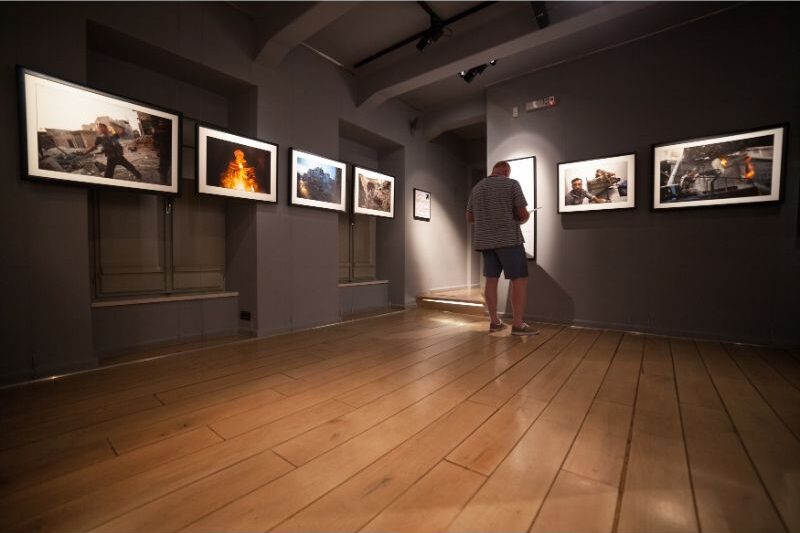
Centro Histórico is known for its concentration of colonial-era architecture, particularly the Templo de Santo Domingo de Guzmán and its adjoining ex-convent housing the Museo de las Culturas de Oaxaca, alongside the main Zócalo plaza, the 16th-century Catedral de Oaxaca, and a living craft and food tradition rooted in Zapotec and Mixtec heritage. The neighborhood also serves as the gateway to the Monte Albán archaeological zone, roughly 9 km west of the city center.
Best things to do in Centro Histórico Oaxaca
The district rewards slow exploration on foot across its compact grid, with major draws including the Templo de Santo Domingo, the Andador Turístico pedestrian corridor on Macedonio Alcalá street, the Museo Textil de Oaxaca, and the Jardín Etnobotánico inside the former Dominican convent grounds. Cultural highlights include:
- Touring the Museo de las Culturas de Oaxaca inside the ex-Convento de Santo Domingo
- Walking Calle Macedonio Alcalá (the Andador Turístico) from the Zócalo to Santo Domingo
- Visiting the Jardín Etnobotánico, one of Mexico’s premier ethnobotanical gardens
- Attending a Guelaguetza folk dance performance at the Teatro Macedonio Alcalá
- Browsing alebrijes and black barro negro pottery at Mercado de Artesanías
Where to eat in Centro Histórico Oaxaca
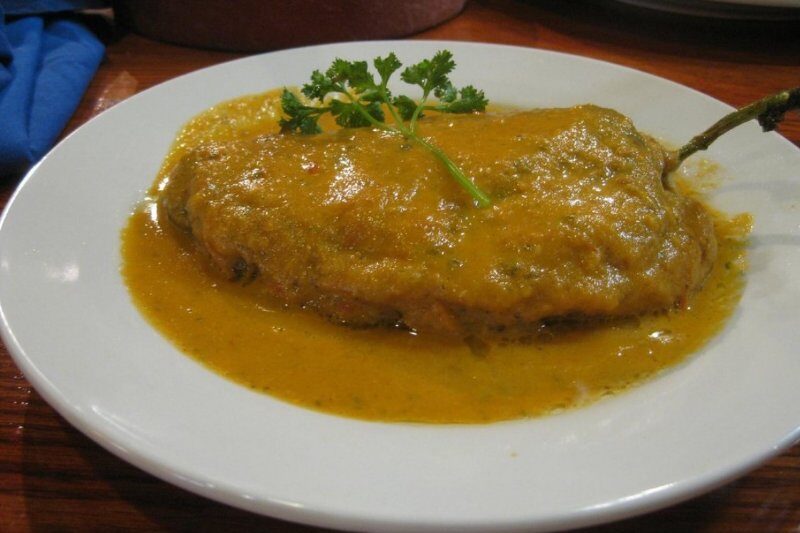
Centro Histórico concentrates Oaxaca’s celebrated mole-driven cuisine, tlayudas, chapulines, and mezcal within a few walkable blocks, with sit-down restaurants on Calle García Vigil and Calle Murguía and market stalls inside Mercado Benito Juárez and Mercado 20 de Noviembre. Mercado 20 de Noviembre is the most direct place to eat mole negro, tasajo, and chorizo Oaxaqueño grilled to order at the Pasillo de Humo smoke corridor. Notable options include:
- Mercado Benito Juárez for tlayudas, empanadas de amarillo, and fresh tejate
- Mercado 20 de Noviembre’s Pasillo de Humo for grilled meats and mole
- Chocolate-grinding shops on Calle Mina for drinking chocolate and mole paste
- Street stalls on the Zócalo perimeter for memelas and garnachas in the evening
Where to walk in Centro Histórico Oaxaca
The most rewarding walk in the neighborhood runs north from the Zócalo along the pedestrianized Andador Macedonio Alcalá past art galleries, mezcal bars, and craft shops to the Templo de Santo Domingo, a route of roughly 800 meters that anchors most visitor itineraries. A secondary loop heads south from the Zócalo along Calle Independencia and Calle García Vigil, passing the Basílica de la Soledad and the Mercado de Artesanías before looping back through Calle Porfirio Díaz.
How to get to Centro Histórico Oaxaca
Centro Histórico is reachable by colectivo taxi and city bus from the first-class ADO bus terminal on Calzada Niños Héroes de Chapultepec, roughly 1 km north of the Zócalo, and from the second-class terminal near the Central de Abastos market on the city’s western edge. Oaxaca International Airport (OAX) sits about 9 km south, served by authorized airport taxis and Uber. Local colectivos run fixed routes along major arteries including Calle Tinoco y Palacios and Avenida Independencia.
Best time to visit Centro Histórico Oaxaca
The dry season from October through April offers the most stable weather for walking the neighborhood, while the Guelaguetza festival in July and Día de Muertos celebrations in late October and early November transform the Zócalo and surrounding streets into major cultural events drawing visitors from across Mexico and abroad. December’s Noche de Rábanos on December 23 is a uniquely Oaxacan radish-carving festival held directly on the Zócalo.