Centro Storico Messina is the historic heart of Messina, a port city on Sicily’s northeastern tip facing the Strait of Messina toward Calabria. The neighborhood was almost entirely rebuilt after the catastrophic 1908 earthquake, giving it a distinctive early-20th-century Neoclassical and Liberty-style urban fabric layered over a much older Norman and Baroque foundation. Key monuments, broad boulevards like Via Garibaldi, and the active waterfront make it the city’s civic and cultural center.
What is Centro Storico Messina known for?
Centro Storico Messina is best known for the Duomo di Messina, a Norman-Arab cathedral originally founded in the 12th century by Roger II, and for its adjacent bell tower housing the Orologio Astronomico, widely cited as the world’s largest astronomical clock, which performs an animated mechanical show daily at noon. The neighborhood is also known as a city rebuilt almost from scratch after the 1908 earthquake, one of Europe’s deadliest, making its surviving and reconstructed monuments historically significant. Piazza del Duomo and the nearby Fontana di Orione, a 16th-century Mannerist marble fountain by Giovanni Angelo Montorsoli, anchor the monumental core.
Best things to do in Centro Storico Messina
- Watch the noon mechanical animation of the Orologio Astronomico at the Duomo bell tower.
- Examine the Fontana di Orione and the Fontana del Nettuno, both Renaissance-era sculptural landmarks near the waterfront.
- Visit the Museo Regionale di Messina on Viale della Libertà, which holds Caravaggio’s Adoration of the Shepherds and Raising of Lazarus.
- Walk along Via Garibaldi, the main historic boulevard connecting the port area to the city’s central piazzas.
- Explore the Santissima Annunziata dei Catalani, a rare surviving Norman-Arab church predating the 1908 earthquake.
Where to eat in Centro Storico Messina
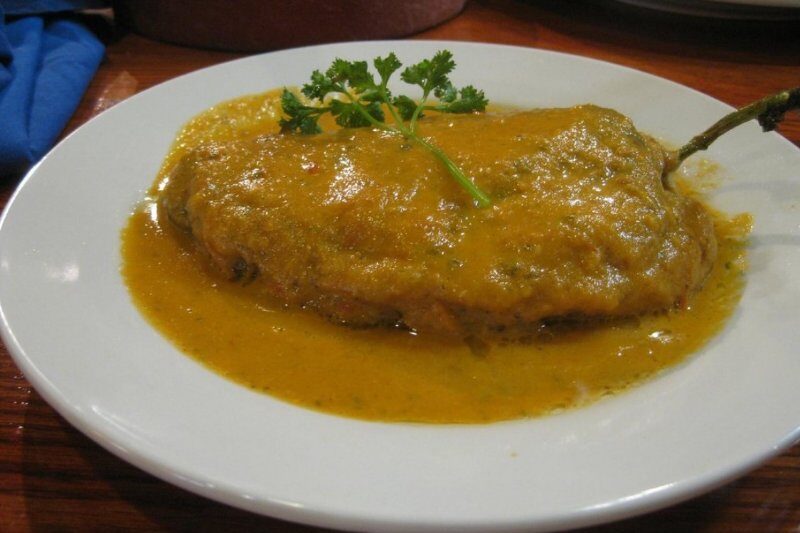
The centro storico and surrounding streets offer Messina’s most distinctive street food and seafood, including pesce spada alla messinese (swordfish Messina-style with capers, olives, and tomatoes), granita con brioche col tuppo eaten for breakfast, and arancini. The Mercato di Viale Giostra and vendors near Via Tommaso Cannizzaro supply fresh swordfish and local produce. Bars and pasticcerie along Corso Cavour and the streets radiating from Piazza del Duomo serve the local granita, which is notably more liquid and fruit-forward than the Catania style.
Where to walk in Centro Storico Messina
The most rewarding walk in the centro storico runs from the Porto di Messina waterfront north along Via della Libertà past the Fontana del Nettuno, turning inland on Via Garibaldi to Piazza del Duomo, then continuing to the Santissima Annunziata dei Catalani and the Teatro Vittorio Emanuele II, Messina’s main opera house. Side streets such as Via Cesare Battisti and the area around Piazza Cairoli reveal the Liberty-style architecture that defines post-1908 reconstruction Messina.
How to get to Centro Storico Messina
Centro Storico Messina is directly accessible from Stazione Centrale Messina, the main railway station served by Trenitalia intercity and regional trains from Palermo, Catania, and mainland Italy via the Villa San Giovanni ferry connection. ATM Messina city buses run multiple lines through Via Garibaldi and Piazza Cairoli. The Stretto di Messina ferry terminal (Caronte and RFI ferry services) connects to Villa San Giovanni in Calabria and is a short walk or bus ride from the historic center.
Best time to visit Centro Storico Messina
The best time to visit Centro Storico Messina is late spring (May–June) or early autumn (September–October), when temperatures are moderate, the Feast of the Madonna della Lettera processions animate the streets in early June, and summer ferry and tourist crowds are manageable. August brings the Vara and Giganti festivals, featuring the iconic processional floats of the Giants Mata and Grifone, a UNESCO-recognized tradition unique to Messina.