Centro Storico Pisa is the historic urban core of Pisa, a Tuscan city on the Arno River roughly 80 kilometers west of Florence. The neighborhood contains the UNESCO-listed Piazza dei Miracoli complex in its northern section, the elegant Lungarni embankments along the Arno, and a dense fabric of medieval streets, Romanesque churches, and university buildings that have shaped the city since the 11th century. Pisa’s historic center is compact and walkable, enclosed largely by the medieval city walls.
What is Centro Storico Pisa known for?
Centro Storico Pisa is internationally known for the Piazza dei Miracoli — the Campo dei Miracoli — which contains the Leaning Tower of Pisa, the Duomo di Pisa (Cathedral of Santa Maria Assunta), the Baptistery of San Giovanni, and the Camposanto Monumentale cemetery, all of which together form a UNESCO World Heritage Site recognized since 1987. Beyond Piazza dei Miracoli, the neighborhood is also defined by the medieval Lungarni embankments, the university district around the Università di Pisa (one of Europe’s oldest universities, founded 1343), and significant churches including Santa Maria della Spina on the riverbank and the Romanesque San Michele in Borgo on Borgo Stretto.
Best things to do in Centro Storico Pisa
Climbing the Leaning Tower’s 294 steps to its open-air belfry terrace is the single most visited activity, offering panoramic views over the Arno plain, and advance timed tickets are required. Beyond the tower, visitors should allocate time to the Baptistery’s extraordinary acoustics, the Camposanto’s frescoed cloister, and the Museo dell’Opera del Duomo, which houses original sculptures from the cathedral complex including works by Giovanni Pisano.
- Visit the Duomo di Pisa and its Romanesque bronze south doors by Bonanno Pisano
- Walk the Lungarno Mediceo and Lungarno Gambacorti along the Arno River
- Browse Borgo Stretto, the historic arcaded pedestrian shopping street
- See the Gothic church of Santa Maria della Spina on the Lungarno Gambacorti
- Explore Piazza dei Cavalieri, the civic square redesigned by Giorgio Vasari for the Knights of St. Stephen
Where to eat in Centro Storico Pisa
The neighborhood around Borgo Stretto and the university district along Via Santa Maria supports a dense concentration of trattorias, wine bars, and cafes serving Tuscan staples such as ribollita, pappa al pomodoro, cecina (Pisan chickpea flatbread), and bistecca alla fiorentina. The Mercato delle Vettovaglie covered food market on Piazza delle Vettovaglie, active since the 16th century, is the authentic local provisioning market and a practical stop for fresh produce, cheese, and Tuscan cured meats.
- Piazza delle Vettovaglie market for local produce and street food
- Trattorias on Via Domenico Cavalca and streets near Piazza dei Cavalieri
- Cecina and farinata available at traditional Pisan bakeries and street counters
Where to walk in Centro Storico Pisa
The primary walking route runs south from Piazza dei Miracoli along Via Santa Maria through the university district to Piazza dei Cavalieri, continuing down to Borgo Stretto and the Arno, then west along the Lungarni to Santa Maria della Spina — a continuous route of roughly two kilometers covering the neighborhood’s main historic layers. The medieval city walls on the northern and western perimeter, the Mura di Pisa, offer a separate elevated walkway with views over the Arno plain.
How to get to Centro Storico Pisa
Pisa Centrale railway station, served by Trenitalia regional and Intercity trains from Florence (approximately 1 hour), Lucca (30 minutes), and Livorno (15 minutes), sits about 1.5 kilometers south of Piazza dei Miracoli and is walkable to most of the centro storico. Pisa Internazionale Galileo Galilei Airport is directly connected to Pisa Centrale by the PisaMover automated shuttle (5 minutes), making the city highly accessible for international arrivals. LAM Rossa and LAM Verde city bus lines operated by CPT/Autolinee Toscane connect the train station to Piazza dei Miracoli.
Best time to visit Centro Storico Pisa
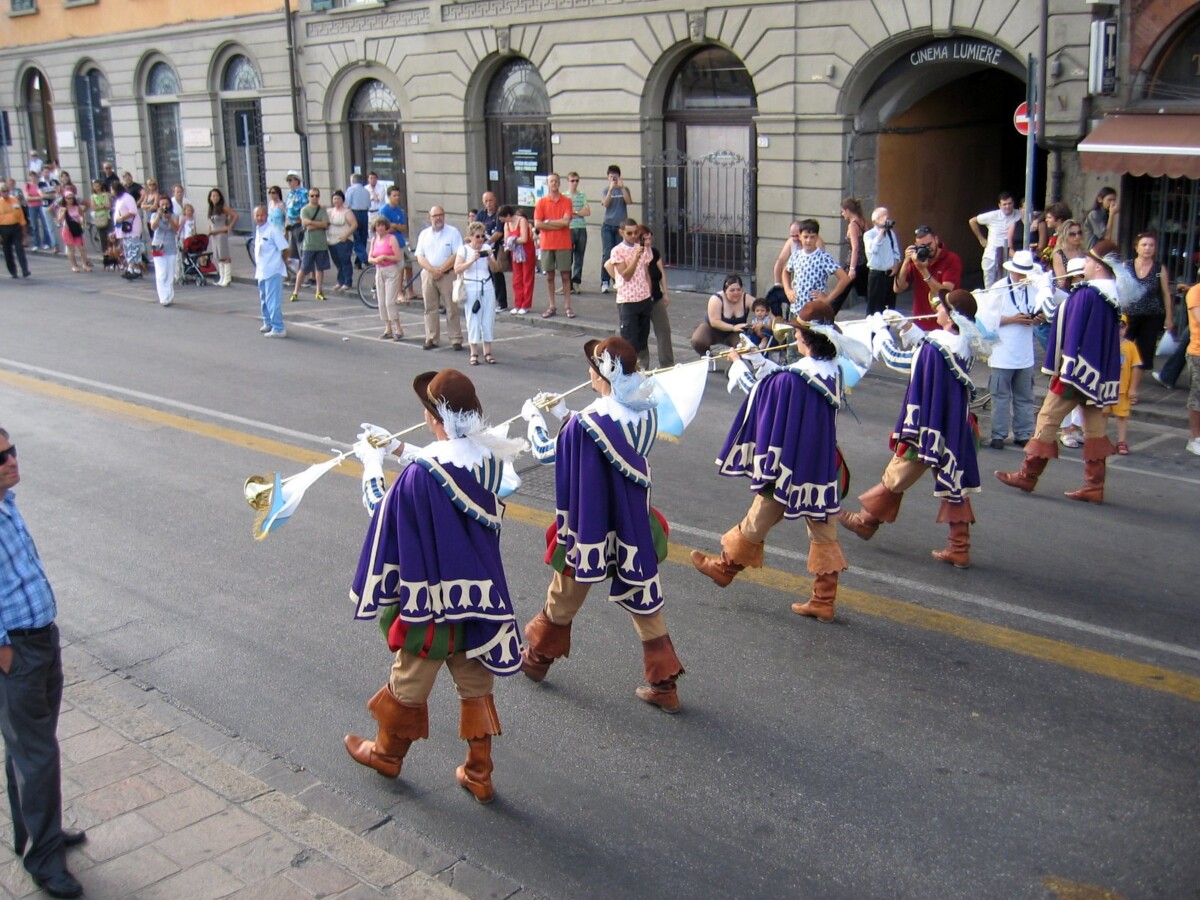
April through June and September through October offer the most favorable conditions — mild temperatures between 15°C and 25°C, lower crowd density compared to July and August, and good natural light for photography of the white marble monuments on Piazza dei Miracoli. The Giugno Pisano festival in June includes the Luminara di San Ranieri on June 16, when thousands of candles illuminate the Lungarni, and the historic Gioco del Ponte battle on the Ponte di Mezzo bridge on the last Sunday of June.