Haidhausen sits on the east bank of the Isar River, roughly two kilometers from Marienplatz, and is one of Munich’s most architecturally intact 19th-century residential districts. Once a working-class settlement outside the city walls, it was transformed during the Gründerzeit building boom into a neighborhood of ornate stucco facades, leafy courtyards, and broad cobblestone streets. Today it balances a genuine local residential character with a dense concentration of restaurants, independent cafés, and cultural venues.
What is Haidhausen known for?
Haidhausen is best known for the so-called French Quarter (Franzosenviertel), a grid of streets named after French battlefields of the Franco-Prussian War — including Rue de Metz, Weißenburger Straße, and Orleansstraße — lined with well-preserved late-19th-century townhouses, independent boutiques, and wine bars. The neighborhood is also recognized for Wiener Platz, its central square anchored by a weekly farmers market, and for the Gasteig cultural center on the Isar riverbank. The Maximilianeum, seat of the Bavarian state parliament, marks its northwestern edge along Maximilianstraße.
Best things to do in Haidhausen
Visitors can spend a morning browsing the fresh-produce and flower stalls at Wiener Platz market, attend a concert or event at the Gasteig HP8 interim venue in Sendling while the main Gasteig building on Rosenheimer Straße undergoes renovation, and explore the ornate stucco facades along Weißenburger Straße and Pariser Straße on foot.
- Walk the Franco-Prussian War street grid of the Franzosenviertel
- Visit Wiener Platz market on weekday mornings and Saturday
- Explore the Müllersches Volksbad, a Jugendstil public swimming hall on Rosenheimer Straße
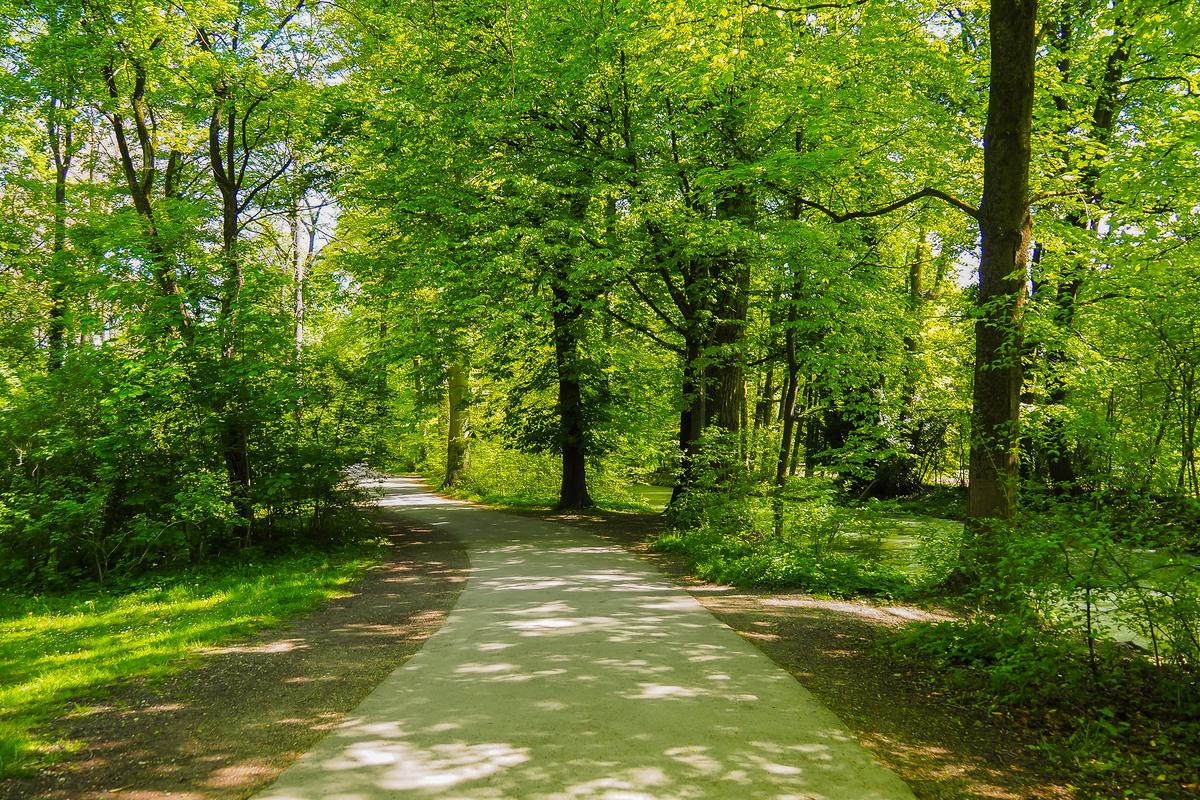
- Stroll the Isar riverbank paths near Maximiliansbrücke and Ludwigsbrücke
- Browse independent shops and vintage stores along Pariser Straße
Where to eat and drink in Haidhausen
Haidhausen offers a wide range of dining from traditional Bavarian to international, concentrated along Weißenburger Straße, Pariser Straße, and the streets around Wiener Platz, where neighborhood restaurants serve Bavarian staples such as Schweinsbraten, Obatzda, and Weißwurst alongside Italian, Middle Eastern, and modern European menus.
- Bavarian beer gardens and Wirtshäuser cluster near Wiener Platz
- Independent wine bars and coffee roasters line Pariser Straße
- Weekend brunch culture is strong around the Franzosenviertel streets
- Street food and snacks available at Wiener Platz market stalls
How to get to Haidhausen
Haidhausen is directly accessible by U-Bahn and S-Bahn from Munich city center, with the journey from Marienplatz taking under five minutes; the primary transit hub serving the neighborhood is Ostbahnhof, and the U4 and U5 lines stop at Max-Weber-Platz and Ostbahnhof, while S-Bahn lines S1 through S8 serve Ostbahnhof and Rosenheimer Platz.
- U4/U5 to Max-Weber-Platz for Wiener Platz and the Franzosenviertel
- S-Bahn or U-Bahn to Ostbahnhof for the eastern section
- Tram line 16 and 18 run along Rosenheimer Straße through the district
- Bicycle access via Isar riverbank paths from the city center
Where to walk in Haidhausen
The most rewarding walking route in Haidhausen runs from Maximilianstraße across Maximiliansbrücke, south along the Isar embankment past the Gasteig to Rosenheimer Platz, then north through the Franzosenviertel streets — Weißenburger Straße, Pariser Straße, and Orleansstraße — back to Wiener Platz, covering the neighborhood’s architectural and commercial highlights in roughly 45 minutes.
Best time to visit Haidhausen
Haidhausen rewards visitors year-round, but late spring through early autumn (May to September) is ideal for combining the Isar riverbank, open-air seating at beer gardens and café terraces around Wiener Platz, and the neighborhood’s street life at its most active; Saturday mornings are particularly lively when the Wiener Platz market draws locals for fresh produce, flowers, and breakfast.