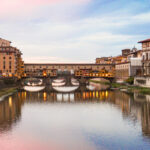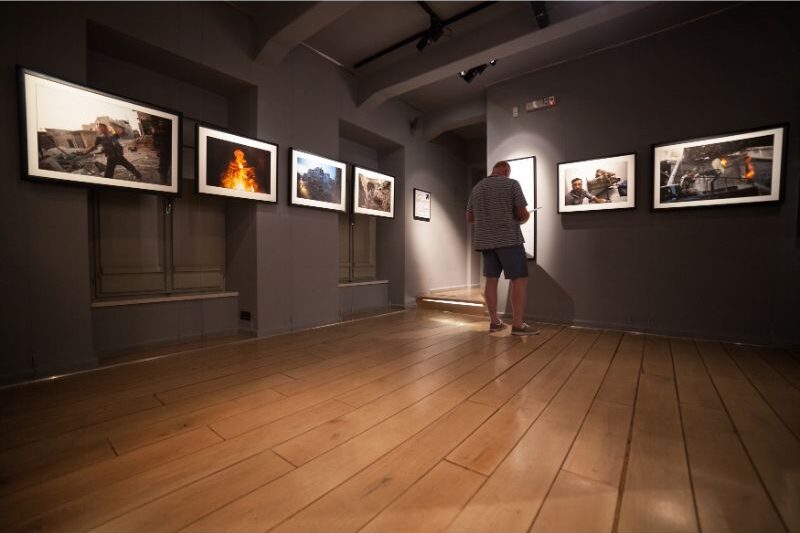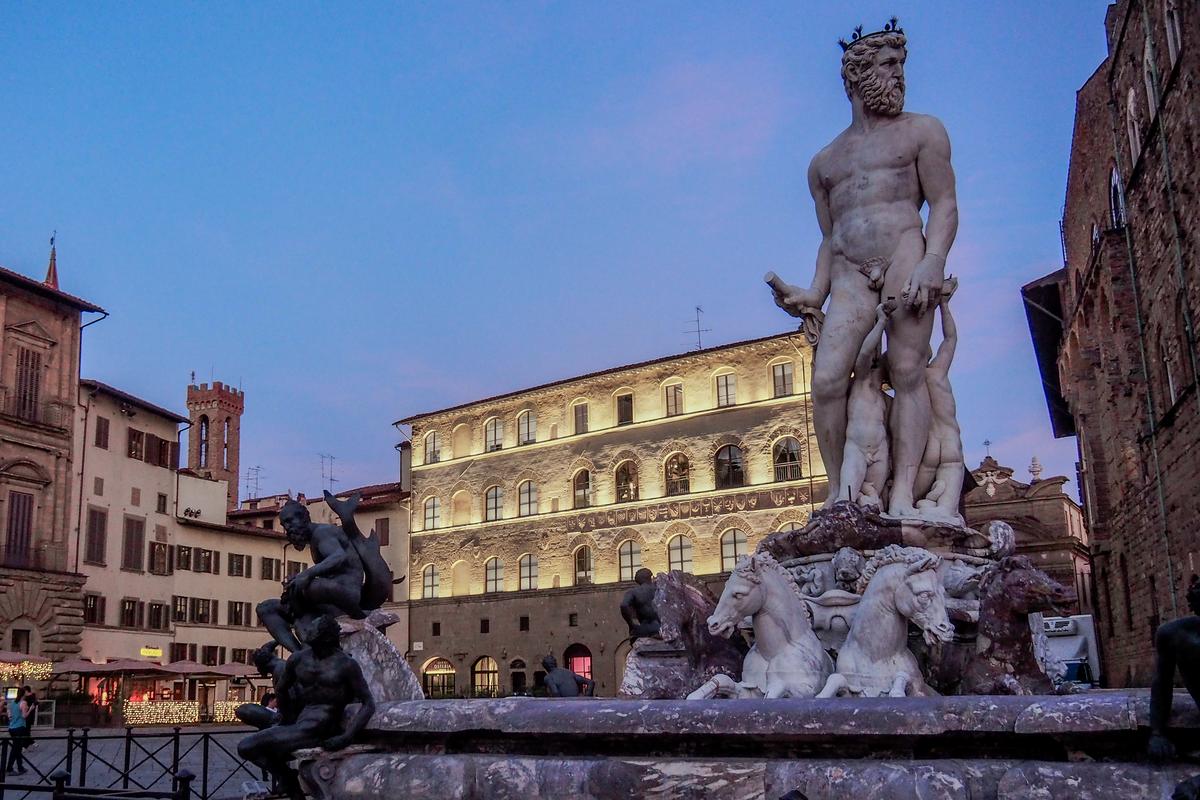
Oltrarno occupies the southern bank of the Arno River in Florence, directly across Ponte Vecchio from the historic center. The neighborhood encompasses distinct sub-quarters including Santo Spirito, San Frediano, and the area surrounding Palazzo Pitti, each with its own character ranging from lively piazzas to quiet craft streets. Together they form one of Florence’s most intact medieval urban fabrics, still populated by gilders, bookbinders, furniture restorers, and leather workers.
What is Oltrarno known for?
Oltrarno is known primarily for Palazzo Pitti, the largest palace complex in Florence, which houses multiple museums including the Palatine Gallery with works by Raphael and Titian, as well as the Boboli Gardens stretching up the hillside behind it; the neighborhood is equally recognized for its surviving concentration of traditional Florentine artisan botteghe, particularly along Via Maggio, Borgo San Jacopo, and Borgo San Frediano. The Brancacci Chapel inside Santa Maria del Carmine contains Masaccio and Masolino frescoes considered foundational works of Renaissance painting.
Best things to do in Oltrarno
Visiting the Brancacci Chapel, touring the Palatine Gallery inside Palazzo Pitti, and walking the Boboli Gardens are the three highest-priority activities, together requiring at least half a day; Santo Spirito square hosts a daily morning market and an antiques market on the second Sunday of each month.
- Tour the Palatine Gallery and Royal Apartments inside Palazzo Pitti
- Walk the formal terraces and grotto of the Boboli Gardens
- See Masaccio’s Expulsion from Paradise in the Brancacci Chapel
- Browse artisan workshops on Via Maggio and Sdrucciolo dei Pitti
- Attend the weekly antiques market at Piazza Santo Spirito
Where to eat and drink in Oltrarno
Oltrarno supports a full range of eating from street-level lampredotto and schiacciata vendors to sit-down trattorias around Piazza Santo Spirito and wine bars along Via de’ Serragli; the neighborhood’s buca-style restaurants and enotecas draw local Florentines rather than tour-group crowds. Look for ribollita, bistecca, and crostini neri on menus throughout the quarter.
- Piazza Santo Spirito and its surrounding streets for trattorias and aperitivo bars
- Via de’ Serragli for independent wine bars and casual dining
- Borgo San Frediano for neighbourhood cafes and sandwich counters
- Gelaterias near Ponte Vecchio approach along Borgo San Jacopo
Where to walk in Oltrarno
The most rewarding walk in Oltrarno begins at Ponte Vecchio, follows Borgo San Jacopo westward past medieval tower remnants, continues through Piazza Santo Spirito, then threads north along Via dei Serragli before looping back via Borgo San Frediano toward the Carmine church; a second excellent route climbs from the Boboli Gardens up to Piazzale Michelangelo via the Costa San Giorgio lane for panoramic views over the city.
How to get to Oltrarno
Oltrarno is accessible on foot from central Florence via Ponte Vecchio, Ponte Santa Trinita, or Ponte alla Carraia in five to ten minutes; ATAF buses including lines 11 and 36 serve Piazza della Calza and the Palazzo Pitti stop, while the Santa Maria Novella train station is roughly a fifteen-minute walk across the river. There is no metro in Florence, so walking and bus are the primary options.
Best time to visit Oltrarno
Spring months of April and May and autumn months of September and October offer the most comfortable temperatures for walking the Boboli Gardens and exploring artisan streets, while summer mornings before 10 a.m. allow visits to Palazzo Pitti and the Brancacci Chapel before crowds peak; the neighborhood retains local activity year-round because residents rely on its markets and workshops daily.