


Washington D.C. Sightseeing Pass Review: Is it Worth it?
The D.C. Sightseeing Pass sounds like a no-brainer — one price, dozens of attractions. Whether it actually saves you money is a different question.
North America travel guides covering the United States, Canada, Mexico, and beyond — national parks, road trips, big-city food scenes, and ski destinations from Banff to the Sierra Madre. Includes cross-border logistics, ESTA and eTA rules for visiting travelers, and seasonal pricing on flights, hotels, and rental cars.
The D.C. Sightseeing Pass sounds like a no-brainer — one price, dozens of attractions. Whether it actually saves you money is a different question.
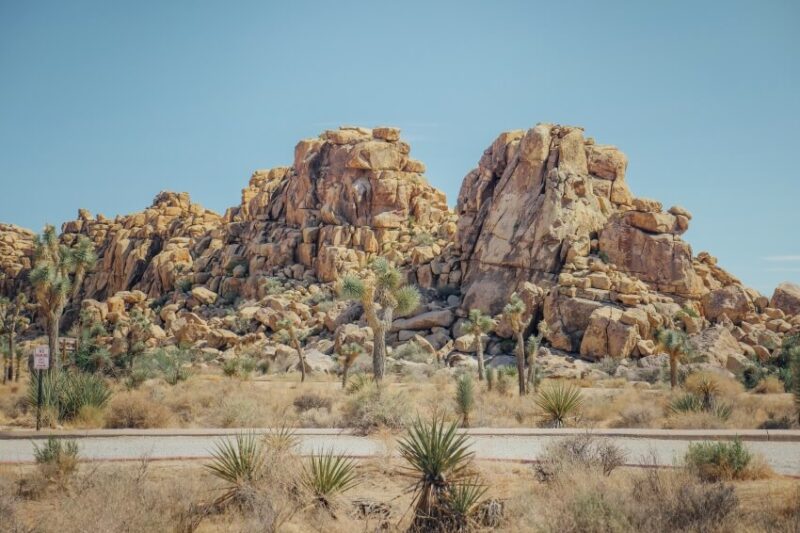
Joshua Tree has no lodging inside the park itself — your choice of base camp shapes the entire trip more than most people realize.

Pierre punches above its weight for a capital city of 14,000. La Framboise Island alone is worth the detour.

Sedona’s red rocks look good from the road. They look completely different from inside a Jeep on a backcountry trail at sunrise.
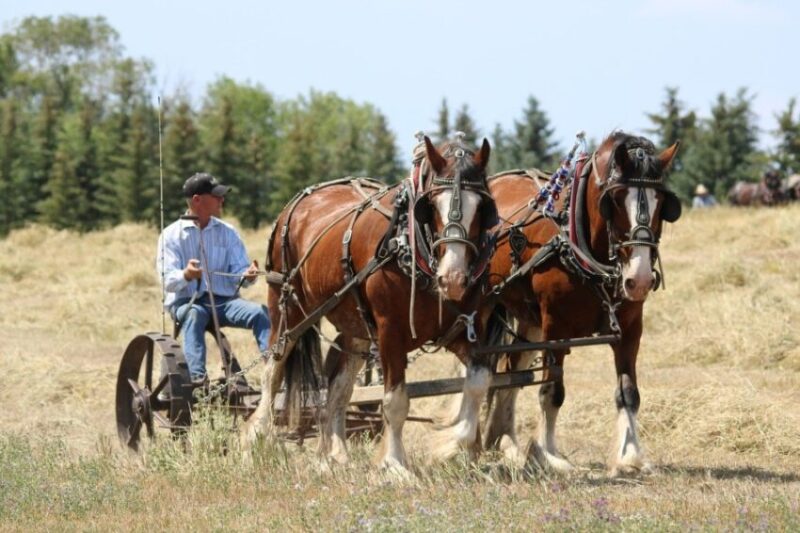
Grand Forks doesn’t make most people’s North Dakota shortlist. It should — the park system alone justifies the detour.

Alaska skeptics, take note: glaciers you can walk on, bears in the wild, and kids who forget their screens exist.

Iowa isn’t all cornfields — the state has glacial valleys, cave systems, and prairie landscapes most people never think to visit.
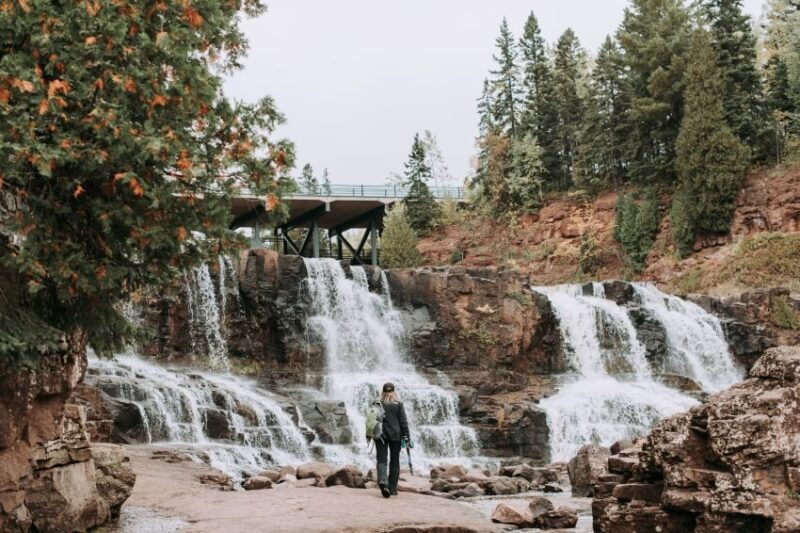
Lake Three Falls has a sandy beach at the bottom and a kayak launch. Most people never make it past the trailhead.
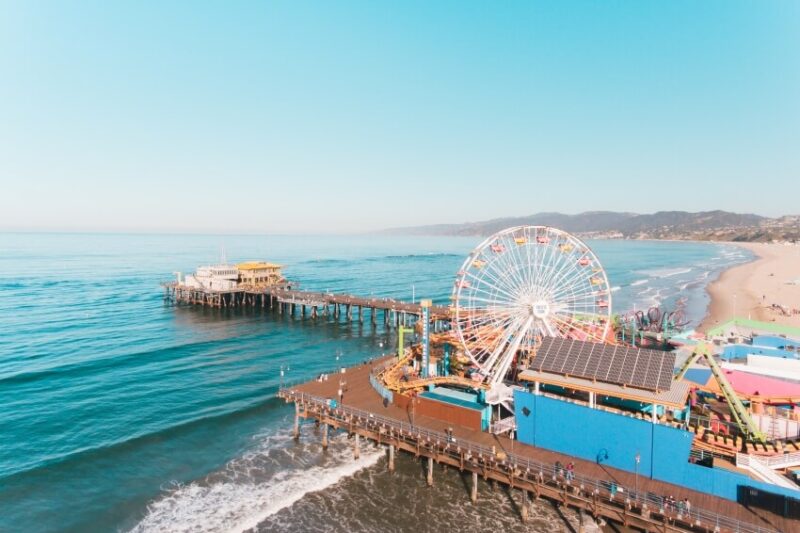
California’s best-known landmarks include the Golden Gate Bridge, Hollywood Sign, Yosemite, Alcatraz, Disneyland, Big Sur, and Lake Tahoe. Compare regions, visit times, reservations, fees, and practical planning notes for 2026.

The Corolla wild horses roam a 4WD-only sanctuary — your hotel choice determines whether you actually see them.

Hike Palm Springs’ 1.8-mile Tahquitz Canyon Trail to a seasonal 60-foot waterfall, with current hours, fees, water rules, and safety tips.
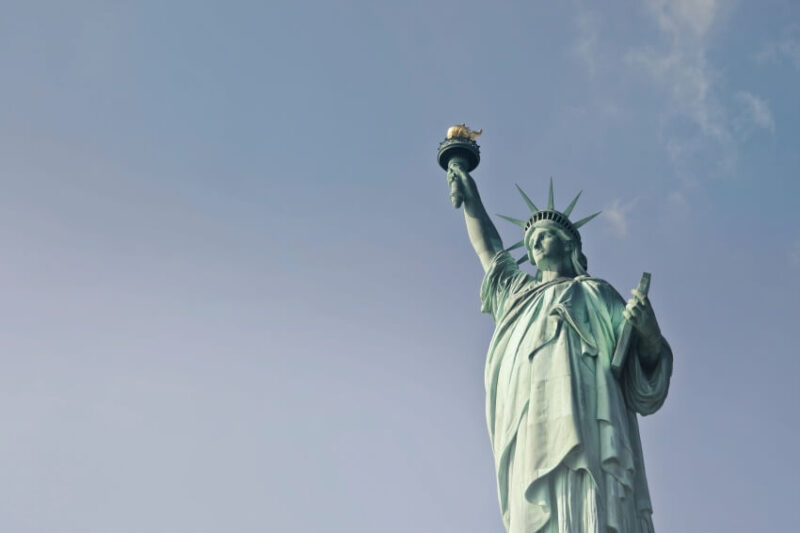
There are 130+ national monuments in the US, and some are easier to visit than you think — others are 500,000 square miles of open ocean.
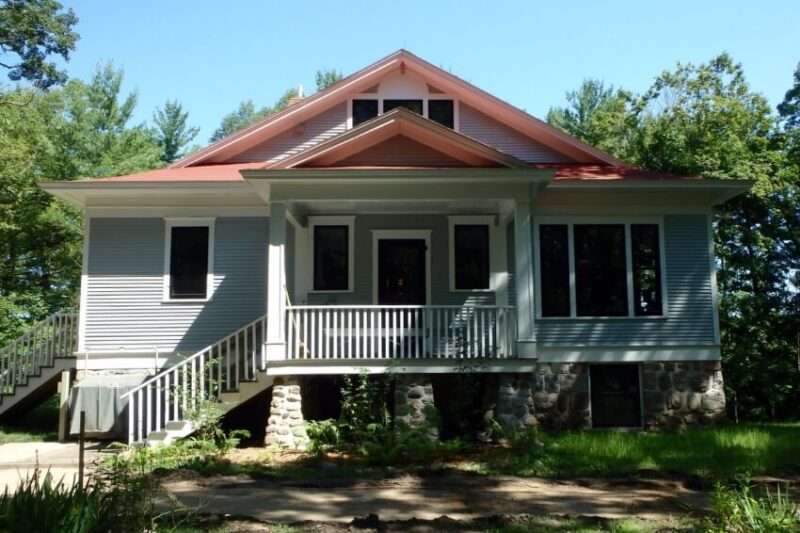
Little Falls has 10-mile car-free trails, Lindbergh’s actual childhood home, and a riverfront most Minnesotans haven’t visited yet.
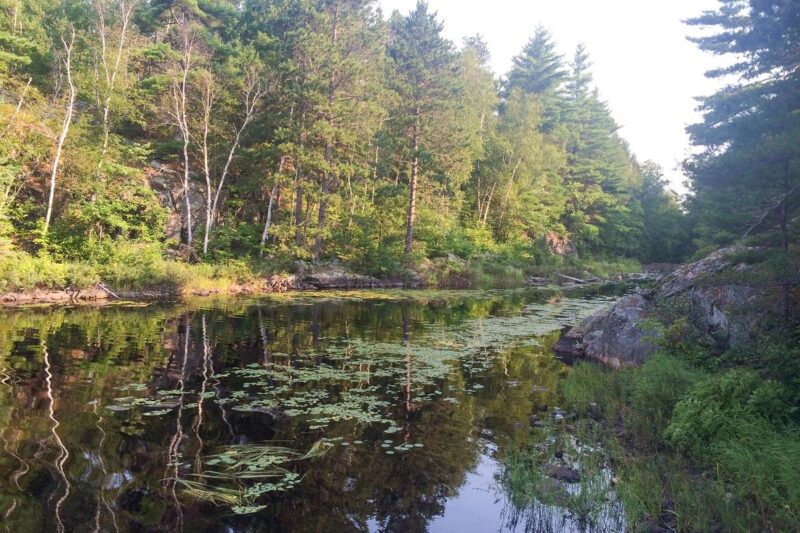
Minnesota has one national park — but Voyageurs, Grand Portage, and Pipestone alone make a strong case for a dedicated road trip.

Charleston’s best tour isn’t the carriage ride — it’s the Lost Stories of Black Charleston walking tour most visitors never book.
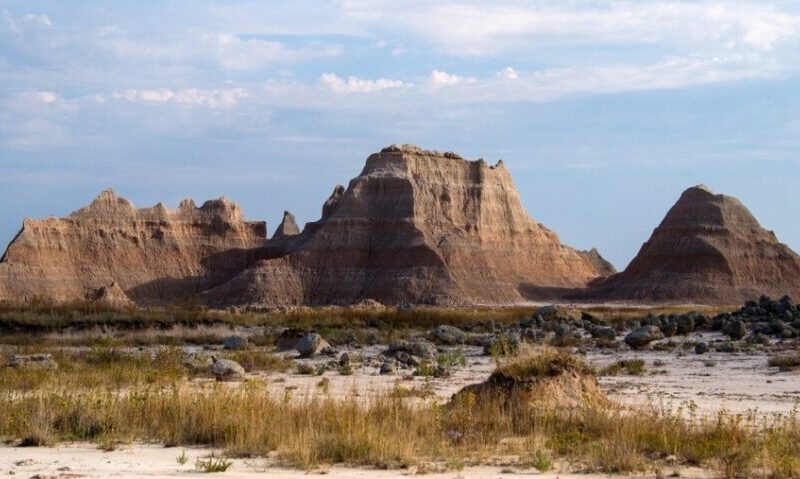
Minot surprised me. The zoo, the air museum, and a state fair that draws half the region — North Dakota’s “Magic City” earns the nickname.
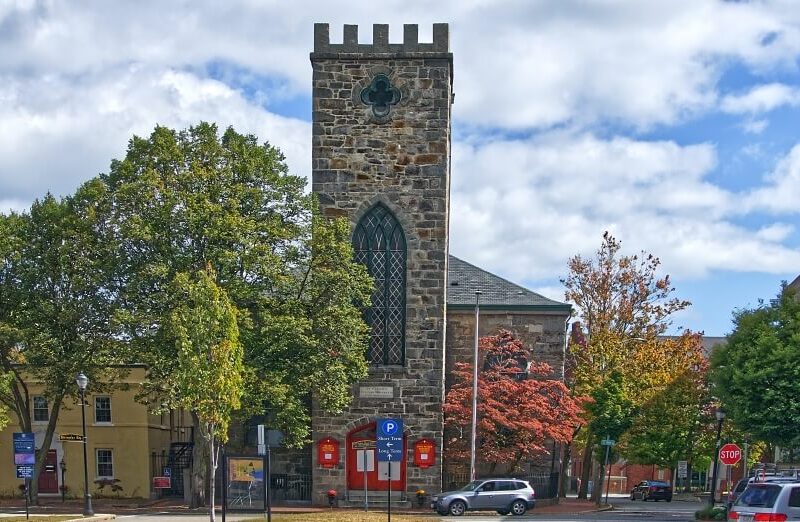
Skip October in Salem — the crowds aren’t worth it. The witch lore is just as good in April, and you’ll actually enjoy it.
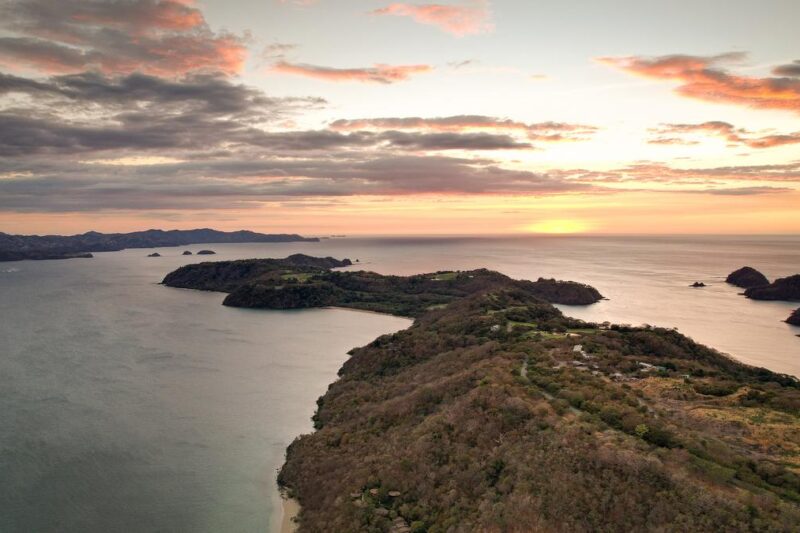
Costa Rica holds 5% of the world’s biodiversity in a country smaller than West Virginia. Arenal alone could fill a week.

Yankton sits where the Dakota and Missouri Rivers meet — and that geography shapes everything worth doing here.

Boston’s Freedom Trail is 2.5 miles of the best American history you can walk — but the food and craft beer tours are what locals actually do.

Medora has 129 people and a national park that rivals anything out West. Most travelers drive past it — that’s their loss.
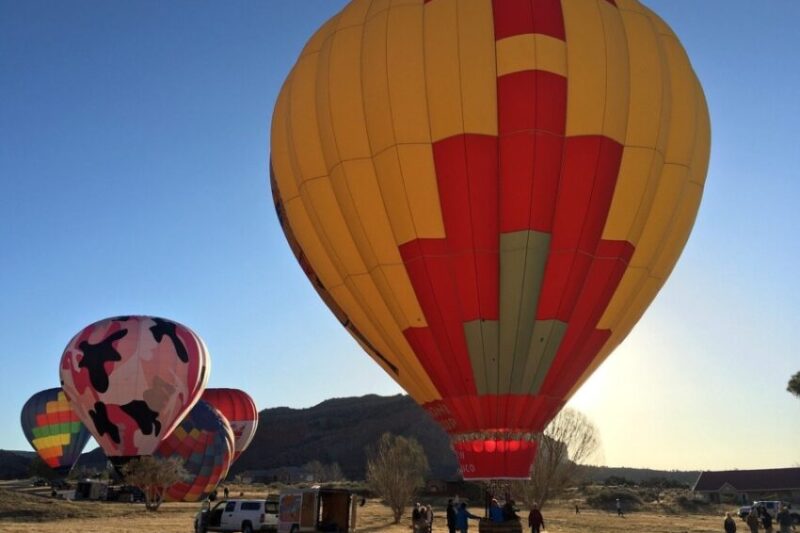
Kanab sits an hour from the Grand Canyon and next to the world’s longest slot canyon. Two days here is enough — and worth rearranging your route for.
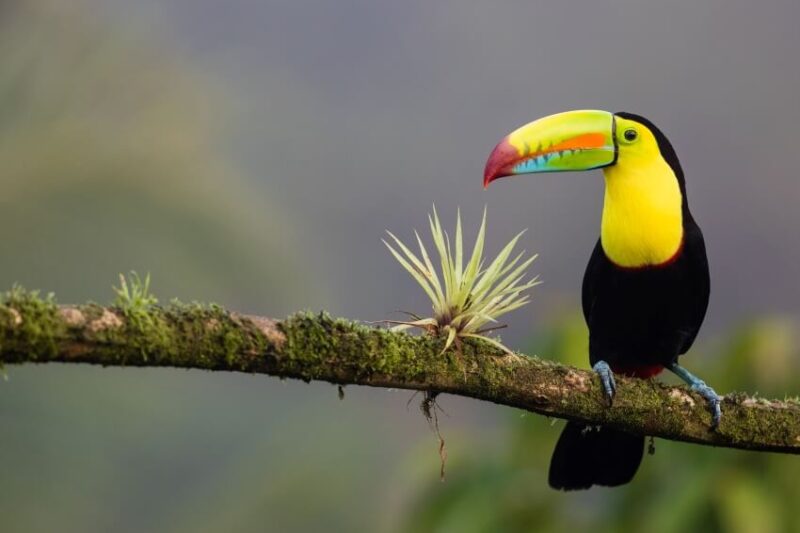
Sloths, monkeys, macaws, and poison dart frogs — often all in one day. Costa Rica delivers on wildlife in a way few places on earth actually do.

Winona sits on a Mississippi River sandbar between limestone bluffs and bald eagle territory — and most travelers drive right past it.