MenuClose

A place worth knowing

Fort Snelling

Culture · Historic site in St. PaulUpdated

  • Google rating4.7/5
  • Typical visit1-3 hours (longer for extensive trail exploration or specific historical exhibits)
  • EntranceAdmission required — check https://www.mnhs.org/fortsnelling for tickets
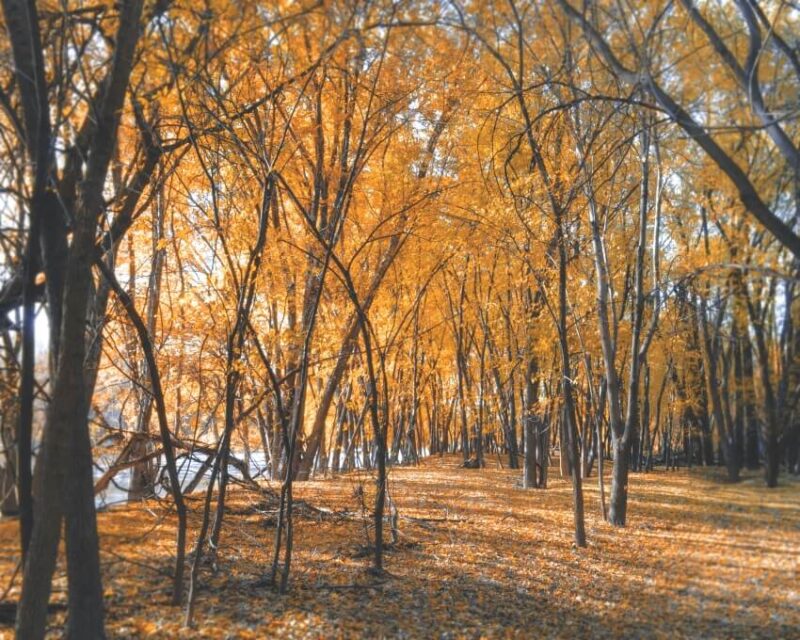
Trail and Autumn Trees
  • Today (Tuesday)8:00 AM – 10:00 PM
  • Typical visit1-3 hours (longer for extensive trail exploration or specific historical exhibits)
  • EntranceAdmission required — check https://www.mnhs.org/fortsnelling for tickets
  • Google rating4.7/5
  • WebsiteOfficial site ↗
  • TicketsCheck availability ↗
Opening hours all week
Monday
8:00 AM – 10:00 PM
Tuesday
8:00 AM – 10:00 PM
Wednesday
8:00 AM – 10:00 PM
Thursday
8:00 AM – 10:00 PM
Friday
8:00 AM – 10:00 PM
Saturday
8:00 AM – 10:00 PM
Sunday
8:00 AM – 10:00 PM
Trail and Autumn Trees
The short answer

Why it matters

Among the Metropolitan crescendo of St. Paul, 101 Snelling Lake Road emerges as a sanctuary where the wild heart of Minnesota pulses vividly. Cocooned in Fort Snelling State Park, it offers a canvas of natural splendor and deep-rooted history. It’s a crossroads of vibrant ecosystems and ages-old stories, where trails lead to reflections by calm waters and skies dance with migratory birds. Activities abound, from hiking and bird-watching to delving into the area’s diverse cultural heritage. A journey here varies from brief encounters to lingering dusk, all while fostering an intimate bond with the spirit of the land.

Hidden within the bustling urbanscape of St. Paul, 101 Snelling Lake Rd is a serene escape into Minnesota’s pristine wilderness. Nestled within the Fort Snelling State Park, this idyllic haven invites travelers to commune with nature’s untouched beauty. Wander through historic trails, where echoes of past narratives and diverse cultural crossroads enrich every step. Here, one can indulge in tranquil moments by the lake, witness the seasonal symphony of bird migrations, and embrace outdoor adventure. Whether soaking in the restorative peace or exploring the depths of local history, a visit here—a timeless interlude from minutes to sunset—reconnects soul with earth.

Cultural Context

Historic fort embodying complex intersection of U.S. military expansion, Native American displacement, and Minnesota’s multicultural development, site of profound historical trauma and resilience for Dakota and Ho-Chunk peoples

Historical Context

Built 1820-1825 at Mississippi-Minnesota confluence on Dakota homeland purchased controversially by Pike 1805, served as concentration camp for Dakota non-combatants 1862-1863, military post through WWII decommissioned 1946

Context

Story and significance

About

Hidden within the bustling urbanscape of St. Paul, 101 Snelling Lake Rd is a serene escape into Minnesota’s pristine wilderness. Nestled within the Fort Snelling State Park, this idyllic haven invites travelers to commune with nature’s untouched beauty. Wander through historic trails, where echoes of past narratives and diverse cultural crossroads enrich every step. Here, one can indulge in tranquil moments by the lake, witness the seasonal symphony of bird migrations, and embrace outdoor adventure. Whether soaking in the restorative peace or exploring the depths of local history, a visit here—a timeless interlude from minutes to sunset—reconnects soul with earth.

Historical significance

The fort is historically significant as a strategic military installation that influenced regional settlement patterns, U.S. government relations with Native peoples, and frontier governance. Its layered history includes military, social and political roles that are central to Minnesota’s territorial and state development.

Historical context

Originally established in the early 19th century as a military outpost, the fort was part of U.S. frontier expansion and federal control over the Upper Midwest after the War of 1812. It served military, logistical and administrative roles across the 19th century, witnessed changes in garrison life, and later became a site of historic preservation and interpretation.

Cultural context

Fort Snelling functions today as a historic site and regional landmark at the confluence of the Minnesota and Mississippi rivers, visited by school groups, locals and tourists interested in military and frontier history. The site hosts reenactments, educational programs and commemorations that engage diverse audiences with layers of military, indigenous and immigrant histories tied to the region.

Architecture

Fort Snelling’s surviving buildings reflect 19th-century military construction with stone and brick structures, blockhouses and barracks arranged in formal barracks and parade-ground layouts. The site preserves masonry fortifications and utilitarian military architecture rather than ornamental styles, offering concrete examples of frontier military planning and durable construction methods of the era.

Local significance

Fort Snelling is a prominent historical site in the Twin Cities region, anchoring local memory of military, territorial and Indigenous histories. For many residents it is a place of education and reflection: schools visit for programs about frontier life, military history and the complex relationships between the U.S. government and Native nations. The fort steeps local identity in layered narratives of settlement, defense and remembrance, and its riverside location is also valued as open public land for recreation.

Updated Data: Editorial research · Google Places ratings