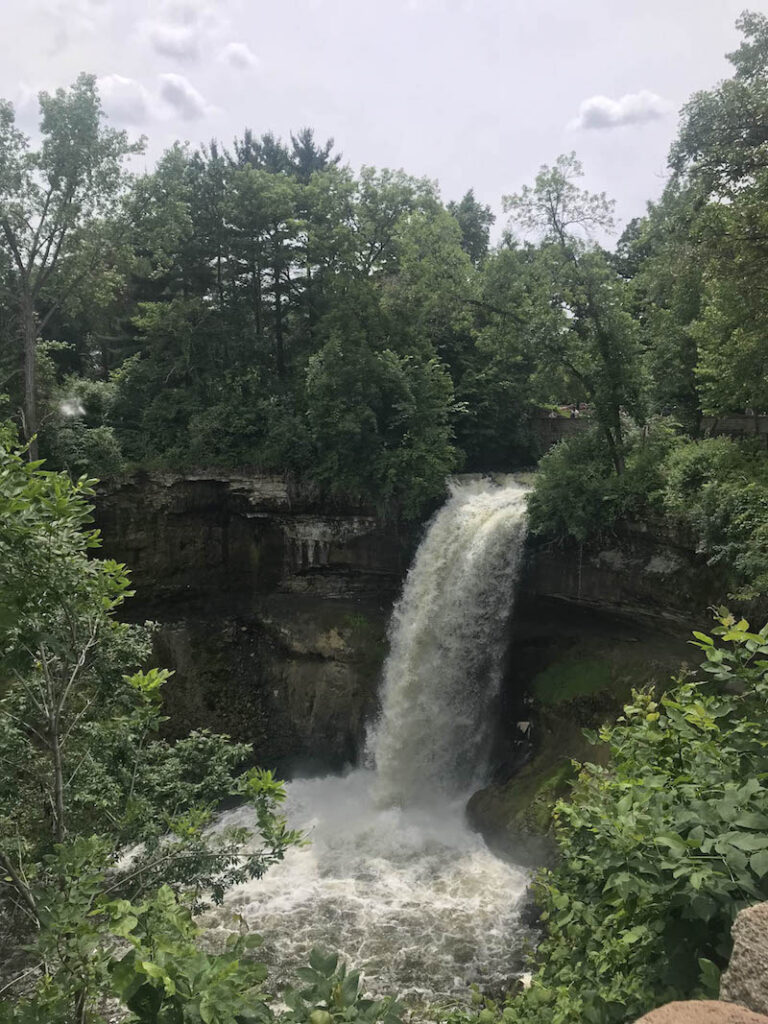
Nestled in the heart of Minneapolis, Minnehaha Regional Park is a 193-acre sanctuary where nature, culture, and history blend harmoniously. Celebrated in Longfellow’s verse, its majestic waterfall cascades into the Minnehaha Creek, creating a mesmerizing spectacle that draws visitors into its serene embrace. Beyond the falls, miles of winding trails invite exploration among lush landscapes, revealing hidden nooks and panoramic vistas. Here, one finds more than natural beauty; it’s a place where cultural significance breathes life into the environment, making every visit a profound journey. Spend 45 minutes or an eternity; Minnehaha’s enchanting allure guarantees memories to cherish.
Cultural Context
Minnehaha Regional Park holds a rich cultural significance rooted in both Native American heritage and contemporary community life. The park is named after Minnehaha Falls, a 53-foot waterfall immortalized in Henry Wadsworth Longfellow’s 1855 poem “The Song of Hiawatha,” which draws on Ojibwe legends and stories. This connection to Indigenous culture highlights the importance of water, nature, and storytelling in the region’s original inhabitants’ traditions. Today, the park serves as a vibrant gathering place for diverse communities in Minneapolis, hosting seasonal celebrations such as the annual Minnehaha Festival, which honors local music, art, and food traditions. The park’s trails and open spaces are also used for cultural events, including Native American powwows and educational programs that promote awareness of Indigenous history and environmental stewardship. Local artists often draw inspiration from the park’s natural beauty and cultural layers, contributing murals and sculptures that reflect the area’s multicultural identity. Visitors can experience a blend of past and present cultural expressions, making Minnehaha Regional Park a living testament to the ongoing dialogue between history, nature, and community life. The park’s cultural resonance continues to evolve, fostering respect and appreciation for the diverse narratives that shape the Minneapolis region.
Historical Context
Minnehaha Regional Park’s history is deeply intertwined with the development of Minneapolis and the broader Minnesota region. The park was officially established in 1889, making it one of the oldest regional parks in the Minneapolis park system. Its centerpiece, Minnehaha Falls, was a landmark long before European-American settlement, revered by the Dakota people who inhabited the area for centuries. The falls and surrounding land were part of the Dakota homeland, serving as a site for fishing, gathering, and spiritual practices. With the arrival of settlers in the 19th century, the area became a popular destination for recreation and inspiration, especially after Longfellow’s poem popularized the falls nationally. The park’s development included landscaping efforts led by the Olmsted Brothers, renowned landscape architects who shaped many American parks, emphasizing naturalistic design and accessibility. Over time, the park expanded to include picnic areas, walking trails, and historic structures such as the Minnehaha Depot, a restored train station dating to 1875. Throughout the 20th century, the park adapted to changing recreational trends, adding playgrounds and hosting community events. Its history reflects broader themes of cultural exchange, urban growth, and environmental conservation, preserving a space where natural beauty and historical memory coexist for future generations.