

Minneapolis, known for its vibrant arts scene and beautiful lakes, is a city that seamlessly blends urban life with nature. Its theaters, museums, and music venues reflect the city’s arts heritage. Mall of America is in nearby Bloomington. Visitors can enjoy outdoor activities in its many parks and lakes while also experiencing the city’s dynamic culinary landscape.
The destination guide
Minneapolis

City in United States, North AmericaUpdated
- Overall6/10
- Best forAdventure seekers, Solo travelers
- PeakJan–Apr
- CurrencyUSD
Lakeside trails, live music, and an arts scene along the Mississippi.
Travel guides for Minneapolis
Itineraries & day trips (2)
Things to do (7)
Where to stay (2)
Food & drink (4)
Travel tips & costs (1)
Destination stories (6)
More guides featuring Minneapolis (108)
At a glance
Currency$ USDCode: USD
Time zoneCentral Standard Time
Languages
- English
Setting
- Mississippi River
- Twin Cities metro
- Chain of Lakes
- Prairie edge
Known for
- Lakes
- Art & Culture
- Music (Prince)
- Cycling
- Brewing
- Food
- Urban Parks
- Winter Activities
Population421K421,385 residents
VisaDocuments: For domestic U.S. air travel, travelers age 18 and older must present a REAL ID-compliant driver's license or another TSA-accepted ID such as a valid passport
How Minneapolis scores
6/10OverallFair
Weather6/10
Value for money7/10
Safety7/10
Food & cuisine7/10
Culture & arts6/10
Cultural experience7/10
History6/10
Nature & outdoors8/10
Adventure4/10
Nightlife7/10
Shopping10/10
Family friendly5/10
Romance6/10
Character
Photography score7/10
Authenticity score9/10
Off-the-beaten-path score8/10
Editorial scores on a 10-point scale, weighed against destinations of the same kind.
Travel safety snapshot
Overall70/100Moderate rating
Women travellers70/100
LGBTQ+ travellers75/100
Theft60/100
Medical care85/100
Physical harm65/100
Political freedom85/100
SafePlace indicators use their source 100-point scale; higher is more favourable. Planning context, not a live travel advisory — check official government guidance before you go.
When to go
Best months to visit: May, June, July, August, September and October.
- January: -27 to 39 degrees Celsius, 0 millimetres of rain, best-time score 2 out of 5.
- February: 0.1 millimetres of rain, best-time score 2 out of 5.
- March: 0 millimetres of rain, best-time score 2 out of 5.
- April: 0.2 millimetres of rain, best-time score 3 out of 5.
- May: 0.4 millimetres of rain, best-time score 4 out of 5.
- June: 0.2 millimetres of rain, best-time score 5 out of 5.
- July: 0.1 millimetres of rain, best-time score 5 out of 5.
- August: 0.1 millimetres of rain, best-time score 5 out of 5.
- September: 0.3 millimetres of rain, best-time score 5 out of 5.
- October: 0.1 millimetres of rain, best-time score 4 out of 5.
- November: 0.1 millimetres of rain, best-time score 3 out of 5.
- December: 0.1 millimetres of rain, best-time score 3 out of 5.
Month-by-month conditions and packing advice
- January
- Warm and pleasant, mostly dry January in Minneapolis: deep winter cold and snow limit casual outdoor sightseeing unless winter activities are the goal. Crowds: Travelers visiting Minneapolis in January encounter a season defined by extreme cold but also by unique winter charm. Tourism levels are moderate—much lower than summer’s lakeside season—meaning hotel prices and crowding are manageable. While frigid conditions restrict long outdoor walks, this is the prime time for winter-specific activities such as ice skating at Loring Park, attending the Saint Paul Winter Carnival, or experiencing themed light festivals. Visitors should prepare for significant temperature swings between indoor and outdoor environments. The city’s infrastructure is well-adapted to snow, so transportation runs smoothly compared to less winter-ready regions. For those seeking cultural experiences with fewer crowds, January provides a quieter atmosphere, but advance booking is still advised for special events or indoor attractions like museums and theaters. Pack: Thermal base layers for extreme cold; Insulated winter coat with hood; Waterproof snow boots with traction; Wool hats, scarves, and gloves; Moisturizing skincare for dry air; Dressier warm layers for indoor dining and cultural events
- February
- Warm and pleasant, mostly dry February in Minneapolis: deep winter cold and snow limit casual outdoor sightseeing unless winter activities are the goal. Crowds: February is solidly within Minneapolis’s off-peak season. The frigid weather deters most casual tourists, meaning crowd levels are very low and hotel rates are often discounted. This creates an opportunity for travelers who embrace winter conditions and want authentic, uncrowded access to the city’s cultural institutions. However, the cold severely limits outdoor activities—long walks, cycling, or casual park visits are uncomfortable unless properly outfitted. Instead, visitors can enjoy winter-only activities such as ice skating at Loring Park, snowshoeing in the Chain of Lakes, or attending winter festivals like the Luminary Loppet. Travel disruptions are possible due to snowstorms, so flexible itineraries are essential. Those who can adapt will find a quieter Minneapolis, rich in warm indoor experiences and starkly beautiful winter scenery. Pack: Heavy insulated winter coat rated for subzero temperatures; Thermal base layers for warmth retention; Waterproof boots with strong traction for icy sidewalks; Wool hat, scarf, and insulated gloves; Hand and foot warmers for extended outdoor activities; Smart casual layers suitable for indoor cultural venues
- March
- Hot and sunny, mostly dry March in Minneapolis: deep winter cold and snow limit casual outdoor sightseeing unless winter activities are the goal. Crowds: March is shoulder season in Minneapolis—too late for consistent winter sports yet too early for spring festivals to fully take hold. Travelers benefit from smaller crowds at cultural attractions like the Walker Art Center and Mill City Museum, while hotel prices remain lower than in peak summer months. Outdoor exploration is possible but unpredictable: some days invite riverside walks, while others still feel locked in winter’s grip. This variability demands flexibility in planning and may discourage those seeking guaranteed warmth. For those who appreciate the shifting character of a city in transition, March offers authentic glimpses into local life without tourist bustle. Advance bookings are not critical, though keeping itineraries adaptable is key to maximizing the experience. Pack: Insulated winter coat for freezing mornings; Light sweater or fleece for warmer afternoons; Waterproof boots for slush and melting snow; Warm hat and gloves for cold nights; Compact umbrella for unpredictable showers; Layered clothing to adapt to wide temperature swings
- April
- Hot and sunny, mostly dry April in Minneapolis: indoor culture, sports, and holiday events help balance cooler or changeable weather. Crowds: Travelers in April will encounter a shoulder-season atmosphere where winter crowds have dissipated but summer’s influx has yet to arrive. This period offers affordable hotel rates and more relaxed access to cultural institutions like the Walker Art Center or Guthrie Theater. The weather demands flexibility: cool mornings make layering essential, while afternoon warmth invites lakeside walks or bike rides along the Midtown Greenway. Some outdoor attractions may still be transitioning from winter closures, and lake activities remain limited until later spring. However, the lower visitor numbers and energized local atmosphere provide an intimate view of Minneapolis waking up after winter. Travelers should plan for variable conditions, booking accommodations with both heating and good ventilation. Pack: Layered clothing including a warm sweater and light jacket; Comfortable walking shoes suitable for varied terrain; Compact umbrella or lightweight rain jacket; Sunglasses for bright afternoon sun; Scarf and gloves for chilly mornings or evenings; Reusable water bottle for longer city explorations
- May
- Hot and sunny, mostly dry May in Minneapolis: spring color or fall foliage makes parks and neighborhoods appealing with fewer peak-summer crowds. Crowds: May is an excellent shoulder-season month for visiting Minneapolis, offering far fewer crowds than the summer peak yet providing warm, sunny days for outdoor activities. This is an ideal time to cycle along the city’s famed Grand Rounds Scenic Byway, explore the Chain of Lakes, or enjoy patio dining before summer tourist numbers surge. Hotel prices remain moderate compared to peak June–August, though popular weekend events can push up rates. Travelers should be aware of the strong UV levels during sunny days and the potential for late-season frost at night. Overall, May delivers the perfect balance of affordability, cultural vibrancy, and comfortable exploration—provided you pack for both warm afternoons and unexpectedly chilly evenings. Pack: Lightweight layers to adjust between cool mornings and hot afternoons; Breathable cotton shirts for daytime heat; A light jacket or sweater for chilly nights; Comfortable walking shoes for parks and trails; High-SPF sunscreen and sunglasses; Reusable water bottle to stay hydrated outdoors
- June
- Hot and sunny, mostly dry June in Minneapolis: lakes, trails, festivals, patios, and riverfront walks are at their strongest. Crowds: June marks the beginning of peak travel season in Minneapolis, with ideal conditions for outdoor exploration. The hot afternoons make it perfect for water activities like kayaking on Lake Harriet or enjoying summer concerts at outdoor venues. Tourism volume increases sharply as festivals such as the Stone Arch Bridge Festival and Pride celebrations draw both locals and visitors, leading to higher accommodation rates and limited availability. While the warmth is inviting, the midday heat can be intense, so visitors often plan excursions for mornings or evenings when temperatures are milder. Travelers will find the city buzzing with energy, but should book hotels, event tickets, and restaurants well in advance to secure the best options. For those who enjoy lively atmospheres and cultural vibrancy, June is one of the most rewarding months to visit Minneapolis. Pack: Lightweight, breathable summer clothing for hot afternoons; Reusable water bottle to stay hydrated during outdoor activities; Comfortable sandals or sneakers for long city walks and festivals; Wide-brimmed hat and high SPF sunscreen for strong sun exposure; Light jacket or sweater for cooler mornings and evenings; Compact rain poncho for unexpected summer showers
- July
- Hot and sunny, mostly dry July in Minneapolis: lakes, trails, festivals, patios, and riverfront walks are at their strongest. Crowds: July represents Minneapolis’ peak tourist season, driven by its reliably warm weather and packed events calendar. Outdoor festivals, concerts, and lakefront activities dominate the month, drawing both locals and visitors. Expect higher hotel rates and busy restaurants, particularly near Uptown and the Chain of Lakes. Conditions are excellent for biking, kayaking, or attending open-air cultural events, though the intense daytime heat makes mid-afternoon breaks essential. Travelers should plan key activities for mornings or evenings when temperatures are most comfortable. Booking accommodations in advance is strongly recommended, as demand is at its highest. While the weather is ideal for maximizing time outdoors, travelers should be mindful of sun exposure and occasional heat advisories. Pack: Breathable cotton or linen clothing for hot days; Wide-brimmed hat and polarized sunglasses; Refillable water bottle to stay hydrated; Light jacket for cooler evenings; Comfortable sandals or breathable walking shoes; High SPF sunscreen and lip balm with UV protection
- August
- Hot and sunny, mostly dry August in Minneapolis: lakes, trails, festivals, patios, and riverfront walks are at their strongest. Crowds: August offers ideal conditions for enjoying Minneapolis’s renowned lakes, bike trails, and open-air events. This period represents late high season, when outdoor activities dominate but the peak tourist crowds of June and July start to ease. Accommodation rates can remain elevated due to demand from summer festivals and family travel, though late-month bookings may be slightly more affordable. The warm, dry weather makes it perfect for kayaking on the Chain of Lakes, catching a baseball game at Target Field, or attending cultural fairs like the Minnesota State Fair. The only limitation is the intensity of afternoon heat combined with humidity, which can be draining during long walks. Visitors should plan outdoor sightseeing in the morning or evening and reserve shaded cafés or indoor museums for midday breaks. Overall, August is one of the most active months to experience the city’s cultural pulse before the cooler fall transition begins. Pack: Breathable cotton or linen shirts; Comfortable sandals and walking shoes; Wide-brimmed hat or baseball cap; Reusable water bottle for hydration; Light jacket for cool evenings near lakes; Sunscreen and sunglasses for daytime outings
- September
- Hot and sunny, mostly dry September in Minneapolis: lakes, trails, festivals, patios, and riverfront walks are at their strongest. Crowds: September brings shoulder-season dynamics to Minneapolis, offering quieter attractions and reduced hotel rates compared to the crowded summer months. While occasional hot days still allow for kayaking, biking the Chain of Lakes, or patio dining, the cooler evenings signal the city’s preparation for fall events and harvest festivals. Travelers benefit from fewer lines at major museums and more availability for culinary tours, though dressing properly for shifting conditions is essential. The blend of warm afternoons and brisk nights creates ideal conditions for layered outdoor adventures. Photographers in particular will find the combination of crisp air and slanted light rewarding. Advance booking is less critical than midsummer, though prime downtown accommodations during festival weekends may still sell out. Pack: Layered clothing including t-shirts and a warm jacket; Comfortable walking shoes for city and park exploration; Reusable water bottle for warm daytime outings; Light scarf or shawl for cooler evenings; Sunglasses and SPF 30+ sunscreen for sunny days; Casual yet neat attire suitable for breweries and cultural venues
- October
- Hot and sunny, mostly dry October in Minneapolis: spring color or fall foliage makes parks and neighborhoods appealing with fewer peak-summer crowds. Crowds: Travelers visiting Minneapolis in October will find ideal conditions for experiencing the city’s autumn character. Crisp air, brilliant foliage, and sunny skies make this one of the most photogenic months of the year. While it is not peak tourist season, local festivals, apple orchard outings, and brewery events draw steady crowds. Accommodation rates are more moderate compared to the high-summer months, offering good value for visitors. Outdoor walking tours, cycling along the river, or day trips to nearby state parks are highly recommended. The main challenge lies in the wide temperature swings: afternoons may feel mild, but evenings drop rapidly to below freezing, so flexibility in clothing is key. Travelers should book early for fall-themed events, as locals actively embrace the short-lived season. Pack: Layered clothing for fluctuating temperatures; Warm jacket for frosty mornings and evenings; Comfortable boots suitable for park trails; Light sweater or flannel for daytime outings; Gloves and a beanie for unexpected cold snaps; Camera for capturing peak fall colors
- November
- Hot and sunny, mostly dry November in Minneapolis: indoor culture, sports, and holiday events help balance cooler or changeable weather. Crowds: November represents the shoulder season in Minneapolis, marking the end of fall tourism and the beginning of the quieter winter stretch. While crowd levels are low and accommodation prices typically drop, visitors should prepare for chilly conditions that limit long outdoor excursions. Attractions like the Walker Art Center, Mill City Museum, and the Guthrie Theater become more appealing as indoor cultural escapes. Outdoor activities such as late-season hikes along the Mississippi are possible, though trails can be icy. Those seeking winter ambiance will find early holiday lights appearing downtown. The month offers good value for travelers willing to embrace the cold, but weather unpredictability requires flexible planning. Advance booking isn’t as essential as in summer, yet warmer clothing and readiness for early snow are key to enjoying the city at this time. Pack: Insulated winter coat with wind resistance; Thermal base layers for cold mornings and evenings; Waterproof boots with good traction for icy paths; Wool hat, scarf, and gloves for wind protection; Smart casual attire for theater and museum visits; Reusable insulated water bottle to stay hydrated in dry air
- December
- Warm and pleasant, mostly dry December in Minneapolis: indoor culture, sports, and holiday events help balance cooler or changeable weather. Crowds: December is part of the low tourist season in Minneapolis, largely due to its frigid climate and short days. While accommodation rates tend to be lower than in summer, certain winter events such as holiday markets, ice skating festivals, and outdoor light displays attract regional visitors, creating pockets of activity. The extreme cold limits casual outdoor exploration, but it opens opportunities for distinctly Minnesotan experiences like ice fishing, cross-country skiing, and bundled-up walks through snow-covered neighborhoods. Travelers who enjoy winter culture will find December rewarding, though it requires thorough preparation. Expect fewer crowds at museums and indoor cultural attractions, and plan for indoor–outdoor balance to maximize comfort. Early bookings for cozy boutique stays or holiday dining events are recommended since festive venues fill quickly despite the season’s overall quieter tourism profile. Pack: Thermal base layers for insulation; Heavy-duty parka with wind protection; Waterproof insulated boots for snow; Wool hat, scarf, and lined gloves; Moisturizer and lip balm to combat dry air; Casual smart attire for indoor cultural events
Peak season
- March
- February
- January
- April
Off-peak
- September
- August
- July
- June
Know before you go
About
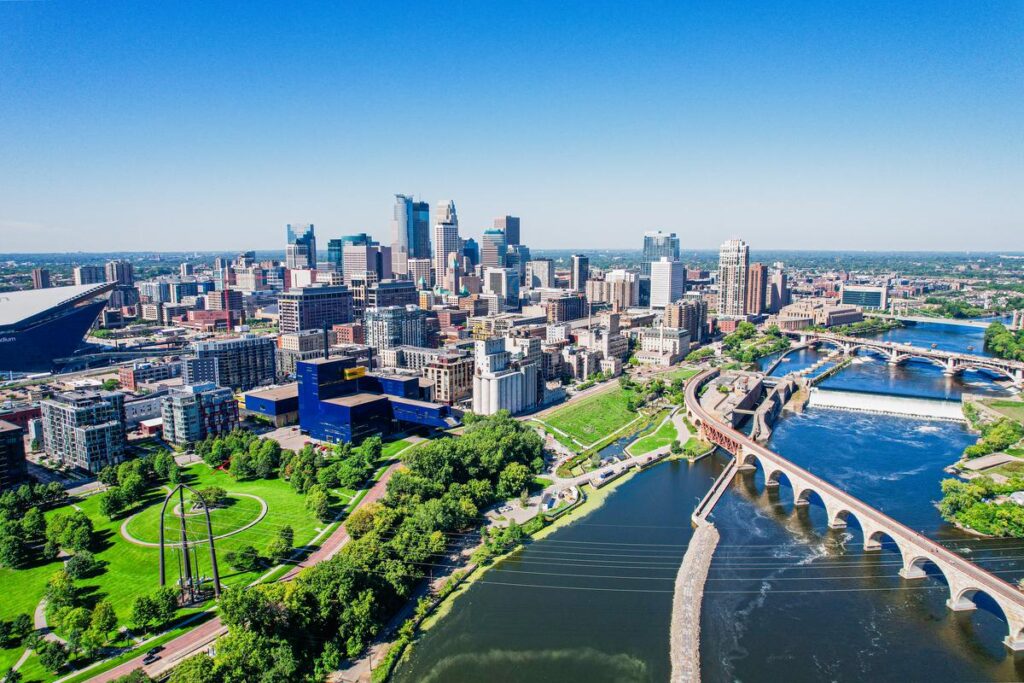
Minneapolis, the largest city in Minnesota, sits at the head of navigation on the Mississippi River and, with neighboring St. Paul, forms the Twin Cities. Founded in 1856 and home to about 430,000 residents, it grew into the 19th-century flour-milling capital of the world, a heritage preserved at the riverside Mill City Museum and the iconic Stone Arch Bridge. Nicknamed the City of Lakes, Minneapolis cradles some 22 lakes and a celebrated chain of parks, with more than 170 green spaces woven through its neighborhoods and trails ringing the water. Visitors paddle and bike the Chain of Lakes in summer, admire Minnehaha Falls, and explore a thriving cultural scene anchored by the Walker Art Center and the Guthrie Theater. The grand Basilica of Saint Mary and a lively food and music legacy—Prince hailed from here—round out the city. Energetic in every season, Minneapolis blends Midwestern friendliness with outdoor life and the arts.
Neighbourhoods
- Northeast Minneapolis: Home to most of the Twin Cities’ best breweries
- Downtown Minneapolis: Incredible bars, live music, theatre, and epic nightlife.
- Lowertown Saint Paul: A hidden gem with great restaurants, seasonal events, and markets.
- West Seventh: Boutique stores, pubs, bars, and cool eateries.
- Nicollet Avenue: Diverse pubs, clubs, restaurants, and bars within a stone’s throw of downtown. Also home to the Holidazzle Winter Parade.
- Lake Street: Important cultural landmark and foodie heaven.
- Dinkytown: Super cute, studenty, chic.
- Minnehaha Park: Gorgeous green spaces, home to the spectacular Minnehaha Falls.
- The Mall of America: The largest mall in the country. A city in its own right.
| Neighborhood/Area | Highlights |
| Northeast Minneapolis | Fair State Brewing, Indeed Brewing, Bauhaus Brewing |
| Downtown Minneapolis | Guthrie Theatre, The Skyway, Mill Park & Mill City Museum |
| Lowertown Saint Paul | Union Depot, the Saints Stadium, Farmers Market |
| West Seventh | Excel Energy Center, Tori Ramen |
| Nicollet Ave | Brit’s Pub, The Dakota, Orchestra Hall, MIA |
| Lake Street | Food, Craft Breweries |
| Dinkytown | Weisman Art Museum, Varsity Theatre, The Main Cinema |
| Minnehaha Park | Minnehaha Falls, Mississippi River Gorge, hiking trails |
| The Mall of America | Shopping, dining, general entertainment |
Best time to visit
June through September for warm 22–30 °C weather, lake activities, and outdoor festivals. Late September through mid-October for spectacular fall foliage. January–February for winter festivals (Luminary Loppet, Great Northern) if you enjoy the cold. Avoid April (grey, muddy ‘mud season’).
Season by season
Spring (Apr–May): 5–18 °C, transition, mud season, Art-A-Whirl (May). Summer (Jun–Aug): 22–32 °C, lakes, festivals, outdoor dining, peak season. Autumn (Sep–Oct): 5–20 °C, stunning fall color, football season, Apple picking. Winter (Nov–Mar): -15 to 0 °C, Skyway culture, winter festivals, cross-country skiing.
Crowds
Moderate in summer; high during Twins/Vikings games and Art-A-Whirl (May); low in winter
Getting there and around
Getting there
Minneapolis-St. Paul International Airport (MSP) serves the Twin Cities with two terminals. Light rail METRO Blue Line provides direct service to downtown (25 minutes, $2-3.25, every 12-15 minutes, 4 AM-11:30 PM). Terminal 1: take tram to Red/Blue Ramps, then escalators to platform. Terminal 2: take escalator to Orange Ramp skyway. Rideshare pickup at Ground Transportation Centers. Taxis cost $39-49 to downtown (12 miles). Airport also connects to Mall of America via Blue Line.
Getting around
Minneapolis offers a reliable and affordable public transportation network through Metro Transit, with extensive bus routes and two light rail lines (Blue and Green) connecting key areas including downtown, the airport, and the University of Minnesota. The city is highly walkable—especially downtown and in neighborhoods like Uptown and the North Loop—and many locals also rely on Nice Ride, a seasonal bike-share program perfect for summer exploration. Rideshare services like Uber and Lyft are widely available, though taxis are less common and usually need to be pre-booked. For the best value, pick up a Go-To Card or download the Metro Transit app to easily pay fares and plan routes, particularly if you plan to use transit multiple times a day or across several days.
In pictures
Kyle Kroeger / ViaTravelers 
Kyle Kroeger / ViaTravelers 
Kyle Kroeger / ViaTravelers 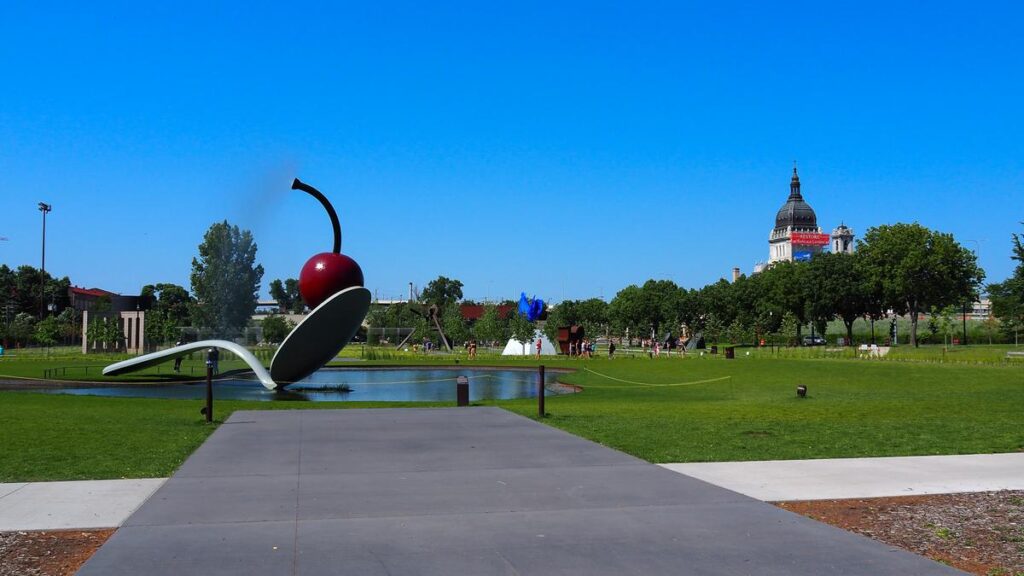
Kyle Kroeger / ViaTravelers 
Kyle Kroeger / ViaTravelers 
Kyle Kroeger / ViaTravelers 
Kyle Kroeger / ViaTravelers 
Kyle Kroeger / ViaTravelers
Top experiences in Minneapolis
Minneapolis Sculpture Garden & Walker Art Center
Read the place guide →One of the largest urban sculpture parks in the US (11 acres), featuring the iconic Spoonbridge and Cherry by Claes Oldenburg and 40+ outdoor works. The adjacent Walker Art Center is one of the top contemporary art museums in the country, with rotating exhibitions and a cinema. Sculpture garden is free; Walker admission ~$15.
Minnehaha Falls
A 53-foot waterfall in a 193-acre park along Minnehaha Creek, 20 minutes from downtown. In winter, the frozen falls create a dramatic ice cathedral. Paved trails, picnic areas, and a short walk to the confluence with the Mississippi River. Free.
Stone Arch Bridge
Read the place guide →A former railroad bridge across the Mississippi River (built 1883), now a pedestrian and cycling path offering the city’s best skyline views. The 2,100-foot span connects the Mill District to the St. Anthony Falls area. Lit at night. Free.
Mill City Museum
Read the place guide →A museum built within the limestone ruins of the Washburn A Mill (once the world’s largest flour mill), telling the story of Minneapolis as the ‘Flour Milling Capital of the World.’ Features an eight-story Flour Tower ride, baking lab, and rooftop observation deck overlooking the river. Admission ~$14.
Chain of Lakes
Four interconnected urban lakes (Cedar Lake, Lake of the Isles, Bde Maka Ska, Lake Harriet) ringed by 13 miles of biking and walking trails. Swimming beaches, canoe/kayak rentals, bandshell concerts at Lake Harriet, and ice skating in winter. Free. Minneapolis’s outdoor heart.
Editor-curated picks carried over from our original guide. Where a full place guide exists, the card links to it.







Worth booking ahead in Minneapolis
Hand-picked from the operators our guides already send readers to. Prices and availability are live on the partner site.
BrowseViator
Tours and tickets in Minneapolis on Viator (opens Viator in a new tab)
Viator's full list of bookable tours and tickets in Minneapolis.
BrowseGetYourGuide
Experiences in Minneapolis on GetYourGuide (opens GetYourGuide in a new tab)
Everything GetYourGuide sells in Minneapolis, with the cancellation terms on each listing.
Where to stayBooking.com
Stays in Minneapolis (opens Booking.com in a new tab)
Live rates and availability for Minneapolis on Booking.com; filter by neighbourhood once you know where your days start.
We earn a commission if you book through these links, at no extra cost to you. It is how we keep the guides free and independent.
Where to stay
Four Seasons Hotel Minneapolis
245 Hennepin Ave, Minneapolis, MN 55401, USA
Minneapolis’s premier luxury hotel, occupying the upper floors of a glass tower downtown with panoramic Mississippi River views, a spa, multiple restaurants, and direct Skyway connection to Target Center and shopping. Opened 2022.
Hewing Hotel
300 Washington Ave N, Minneapolis, MN 55401, USA
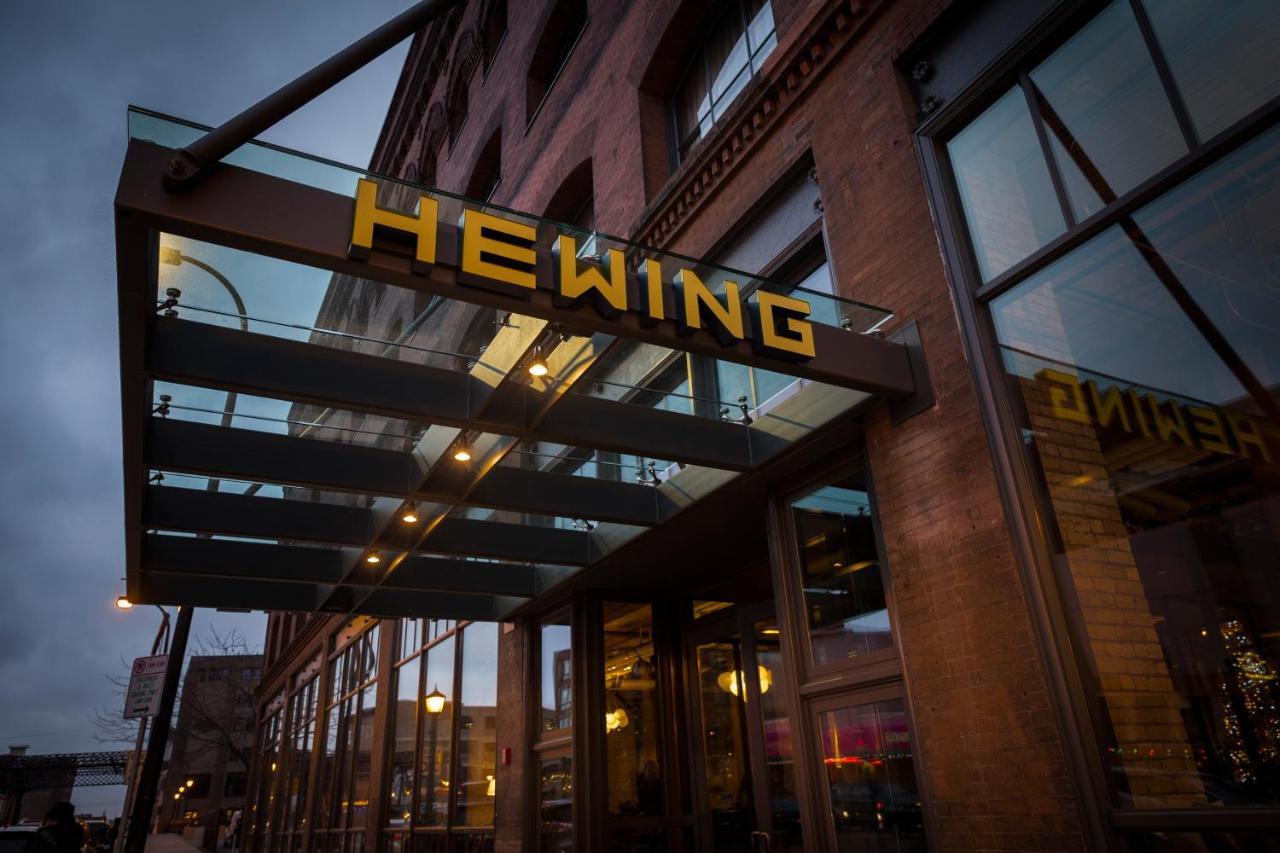
A boutique hotel in the North Loop warehouse district, converted from an 1897 timber-frame building with exposed brick, artisan furnishings, a rooftop bar, and a Nordic-inspired spa. Walking distance to the Stone Arch Bridge and Mill City Museum.
W Minneapolis – The Foshay
821 Marquette Ave, Minneapolis, MN 55402, USA
A luxury boutique hotel in a 1924 Art Deco skyscraper (the former Foshay Tower), with a rooftop observation deck, a prohibition-era speakeasy bar, and rooms blending 1920s glamour with modern design. Connected to the Skyway system.
Editor-curated stays carried over from our original guide. Where we have reviewed the hotel, the card links to the review.
Tips from the field
Highlights
- Minneapolis Sculpture Garden
- Minnehaha Falls
- Stone Arch Bridge
- Mill City Museum
- Chain of Lakes
- First Avenue (Prince)
- Walker Art Center
- Skyway System
Best activities
- Visit the Minneapolis Sculpture Garden and Spoonbridge & Cherry, hike to Minnehaha Falls, walk or bike the Stone Arch Bridge, tour the Mill City Museum, paddle or swim the Chain of Lakes, see a show at First Avenue (Prince's club), attend a Vikings or Twins game, explore the North Loop's restaurants and breweries, shop at the Mall of America, and cross-country ski the lake trails in winter.
Local experiences
- See a show at First Avenue (where Prince filmed Purple Rain), eat at a North Loop brewery or restaurant, bike the Chain of Lakes on a Nice Ride bikeshare, attend the Art-A-Whirl open studio weekend in May, explore the Midtown Global Market for Somali, Hmong, and Mexican food, catch a free concert at Lake Harriet bandshell, or use the Skyway system to explore downtown without going outside in winter.
Practical tips
- Airport: MSP (Minneapolis–Saint Paul International) is 15 min from downtown via the Blue Line light rail.
- Currency: USD. Cards universal.
- Skyway: 11 miles of climate-controlled walkways connecting 80 downtown blocks. Open weekday business hours.
- Biking: Minneapolis is one of the most bike-friendly US cities. Nice Ride bikeshare is available.
- Winter: January averages -13 °C. Pack serious winter gear. The Skyway helps.
- Tipping: 18–20 % at restaurants.
- Twin Cities: Saint Paul is 10 min east — visit the Capitol and Summit Avenue.
Photography tips
- The Stone Arch Bridge at blue hour captures the skyline and Mississippi River bridge reflections — arrive 30 min before sunset. Minnehaha Falls in winter (frozen cascade) is a striking subject. The Spoonbridge & Cherry at the Sculpture Garden is most vivid against green summer trees or autumn foliage. The Mill City Museum ruins frame dramatic architectural compositions. The Chain of Lakes at dawn in summer offers mirror-calm reflections.
Timing
- Allow 3–4 days for Minneapolis (Sculpture Garden + Walker day, Minnehaha Falls + Stone Arch Bridge day, Mill City Museum + lake cycling day). Add a day for Saint Paul. Combine with the North Shore of Lake Superior (4.5 hrs) for a 7-day Minnesota trip.
Keeping it authentic
- Minneapolis is a city of surprising contrasts: Midwestern warmth meets coastal-level cultural ambition. The art scene (Walker Art Center, First Avenue, Guthrie Theater) punches well above the city's size. Prince grew up here and First Avenue remains his spiritual home. The food scene blends Scandinavian heritage (lefse, lutefisk) with Hmong, Somali, and Mexican immigrant cuisine. The Skyway system (11 miles of enclosed walkways connecting 80 blocks of downtown) is a uniquely Minneapolis solution to sub-zero winters. Lake culture defines summer — canoes, picnics, and Dairy Queen.
Culture, customs and safety
Cultural heritage
Minneapolis represents the cultural heart of Scandinavian-American heritage and progressive Midwestern values, where Norwegian and Swedish immigration, flour milling prosperity, and liberal political traditions created one of America most culturally sophisticated Midwestern cities. The city preserves Scandinavian cultural traditions while pioneering American arts funding, environmental consciousness, and social progressivism that defines contemporary Minnesota cultural identity. Minneapolis cultural heritage encompasses Scandinavian-American cultural preservation, American milling industry heritage, progressive political culture, and contemporary Midwestern cultural leadership that continues to influence American regional identity and Scandinavian cultural diaspora.
Local customs & etiquette
Minneapolis locals embrace Minnesota Nice culture with warm, polite interactions and community-minded values. The Twin Cities lifestyle centers around outdoor activities year-round, with lake culture dominating summers (swimming, boating, biking around Chain of Lakes). Winter activities include ice fishing, hockey, and skyway navigation to avoid cold. Food culture features Scandinavian influences, local craft brewing, and communal dining. Prince’s musical legacy deeply influences local pride and identity. Minnesotans appreciate punctuality, environmental consciousness, and genuine interest in local mill city history. Tipping standard (18-20%).
Safety notes
Tourist areas (downtown, Mill District, Uptown, Chain of Lakes, North Loop) are generally safe during the day. Downtown can feel quiet after business hours — stick to well-lit areas near restaurants and entertainment venues. Property crime and car break-ins are common — don’t leave valuables in your vehicle. Some neighborhoods (North Minneapolis, Phillips) have elevated crime rates. Use rideshare at night. Emergency: 911.


Travel Style
Season