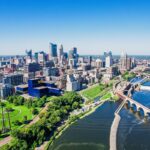
St. Paul is worth at least one full day for its historic architecture, major museums, riverfront parks, neighborhood restaurants, and live sports. First-time visitors should prioritize the Minnesota State Capitol, Cathedral of Saint Paul, Summit Avenue, Como Park Zoo & Conservatory, and either a museum or game that matches their interests.
This guide combines the perspective of editor James Oliver, who lives in Saint Paul, with founder Kyle Kroeger’s experience growing up in Minneapolis and spending years in the Twin Cities. Kyle also attended a Saint Paul Saints game at CHS Field in August 2026, adding a recent firsthand check on one of the city’s best summer outings.
Last fact-checked: August 11, 2026. Prices, hours, tours, event schedules, and bag policies can change, so confirm time-sensitive details on the linked official websites before you leave.
Quick picks for a St. Paul trip
| Trip priority | Best choice | Why it stands out |
|---|---|---|
| First-time landmark | Minnesota State Capitol | Free guided tours, Cass Gilbert architecture, and state history |
| Best free family stop | Como Park Zoo & Conservatory | Animals, gardens, tropical rooms, and no required admission fee |
| Best history museum | Minnesota History Center | Strong exhibits on Minnesota communities, conflicts, and daily life |
| Best architecture walk | Cathedral Hill and Summit Avenue | The cathedral, historic mansions, and an easy route to Grand Avenue |
| Best summer sports outing | Saint Paul Saints at CHS Field | Minor-league baseball, Lowertown access, and a relaxed game-day atmosphere |
| Best winter experience | Rice Park and the Saint Paul Winter Carnival | Ice sculptures, lights, public events, and downtown landmarks close together |
| Best rainy-day option | Science Museum of Minnesota | Large interactive galleries plus an included Omnitheater show with admission |
| Best food stop | Tori Ramen | Pork-free ramen served in a distinctive West 7th railcar setting |
How to plan one day in St. Paul
- Start with a morning tour of the Minnesota State Capitol.
- Walk or take a short ride to the Cathedral of Saint Paul, then continue along Summit Avenue.
- Eat lunch on Grand Avenue, West 7th, or in Lowertown.
- Choose one afternoon anchor: the Minnesota History Center, Science Museum, Como Park, or Minnesota Children’s Museum.
- Finish with a Saints game, Wild or Frost game, Ordway performance, brewery visit, or dinner on West 7th.
Downtown Saint Paul, Lowertown, and the University Avenue corridor are connected by Metro Transit. A car becomes more useful for Como Park, the Gateway State Trail, and the three nearby day trips at the end of this guide. Our comparison of Minneapolis vs. St. Paul explains how the two cities differ, while this guide to getting around the Twin Cities without a car covers the broader transit tradeoffs.
Disclosure: ViaTravelers may earn a commission when you book through some links in this guide, at no extra cost to you. Recommendations are based on location, usefulness, and fit for the trip described.
Best things to do in St. Paul
1. Start at the Minnesota History Center

Address: 345 W Kellogg Blvd, St Paul, MN 55102
The Minnesota History Center is the best introduction to the state beyond postcard-level history. Its permanent and rotating exhibits cover Indigenous history, immigration, severe weather, popular culture, and the communities that shaped modern Minnesota. Families get hands-on elements, while adults can spend more time with archival objects and first-person stories.
Adult admission was $15 when checked in August 2026; youth ages 5-17 were $8, and children four and younger entered free. Allow two to three hours. The museum is close enough to combine with the Capitol and Cathedral Hill, making it a strong first stop for visitors who want context before exploring the city. See our broader guide to the best museums in Minnesota for alternatives across the state.
2. Visit the Cathedral of Saint Paul
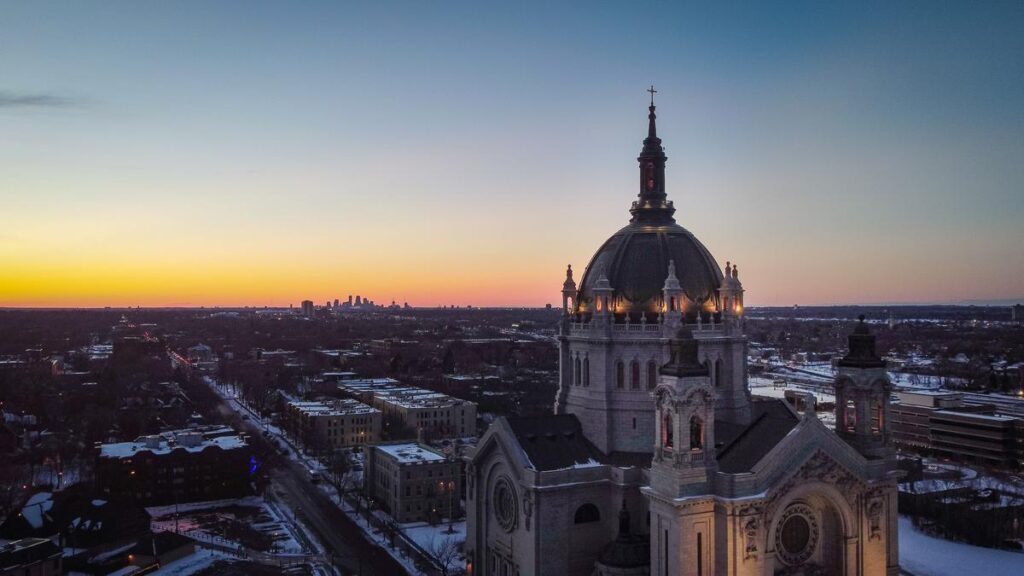
Address: 239 Selby Ave, St Paul, MN 55102
The Cathedral of Saint Paul sits on Cathedral Hill with a clear view toward downtown. The copper dome dominates the skyline, but the interior is the stronger reason to enter: look for the large baldachin above the altar, stained glass, mosaics, and chapels honoring patron saints connected to Minnesota’s immigrant communities.
The cathedral is an active place of worship, so keep voices low and avoid services unless attending. It is generally open daily, and weekday guided tours are usually offered at 1 p.m. with a suggested donation; tours can be canceled for liturgies or special events. Pair the cathedral with Summit Avenue and the James J. Hill House rather than treating it as an isolated photo stop.
3. Walk the historic homes of Summit Avenue

Summit Avenue runs west from Cathedral Hill through one of Saint Paul’s most architecturally significant residential districts. The boulevard mixes Victorian-era mansions, churches, row houses, and later homes in styles ranging from Queen Anne to Richardsonian Romanesque. F. Scott Fitzgerald lived at several addresses in the neighborhood, and the Governor’s Residence stands farther west. Here is the front of the F. Scott Fitzgerald birthplace home.
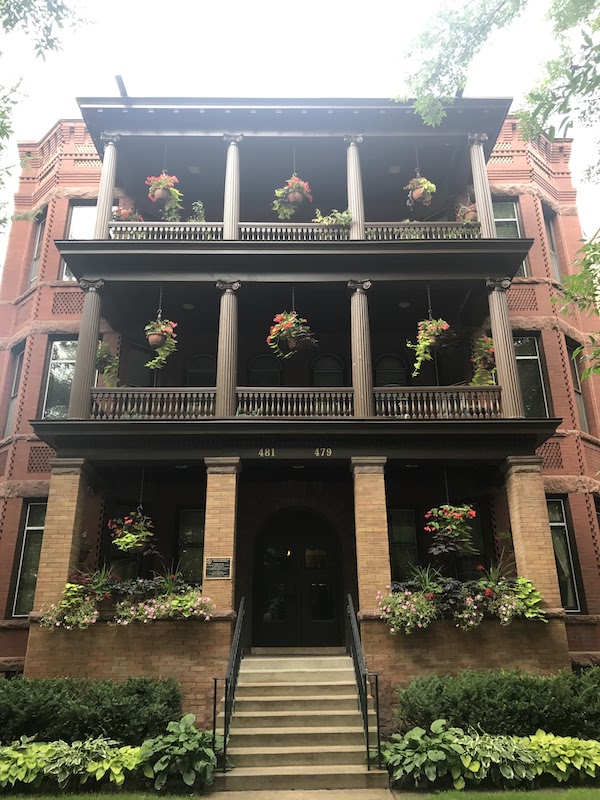
Most houses are private, so enjoy them from the sidewalk and respect residents’ property. For a deeper architectural reading, book an official or locally guided walk rather than trying to identify every building from the curb. This private Summit Avenue walking tour is one option. A practical route starts at the cathedral, passes the James J. Hill House, and turns south toward Grand Avenue for lunch.
4. Tour the James J. Hill House

Address: 240 Summit Ave, St Paul, MN 55102
The James J. Hill House is a 36,000-square-foot Gilded Age mansion built for railroad executive James J. Hill and his family. Guided tours cover the home’s stonework, art glass, mechanical systems, domestic spaces, and the labor required to operate an estate of this scale. The interpretation is strongest when it addresses both the Hill family and the workers whose lives supported the household.
Tours generally last about one hour and were $15 for adults when checked in August 2026. Advance booking is sensible on weekends and during holiday programming. Because the house sits across from the cathedral, the two attractions make an efficient pair without moving your car.
5. Shop and eat along Grand Avenue

Grand Avenue is a long neighborhood commercial street one block south of Summit Avenue. The useful stretch for visitors is not one single downtown-style district; shops, cafes, restaurants, bookstores, and services appear in clusters along the avenue. That makes Grand better for a relaxed meal and browse than a rushed checklist.
Cafe Latte and Bread & Chocolate are longstanding local references, while independent retailers change more frequently. Check current openings before building a trip around a specific store. Grand Old Day brings live music, food, and street activity to the avenue when scheduled, but dates and format vary by year. For more neighborhood context, read our guide comparing Minneapolis and St. Paul.
6. Take a tour inside the Wabasha Street Caves

Address: 215 Wabasha St S, St Paul, MN 55107
The Wabasha Street Caves are mined sandstone caverns rather than natural caves. Over time, the underground rooms were used for mushroom growing, storage, dining, and entertainment. Guides also recount Prohibition-era gangster stories, although some of the most dramatic details belong to local lore rather than a fully documented historical record.
Standard tours typically run about 45 minutes. The caves also host themed events and occasional swing dancing, but the schedule is not uniform year-round. Check the current cave calendar before visiting. Travelers who prefer a bookable option can compare this guided Wabasha Street Caves tour.
7. Try the instruments at the Schubert Club Music Museum

Address: Landmark Center, 75 W 5th St #302, St Paul, MN 55102
The Schubert Club Music Museum is a small, free museum inside Landmark Center. Interactive galleries let visitors experiment with instruments and sound, while display cases hold historic instruments and handwritten material connected to major composers. It works especially well as a 45- to 90-minute stop between Rice Park, the Ordway, and downtown restaurants.
The museum’s limited opening days and hours make advance checking important. When verified in August 2026, it was open Wednesday through Friday and Sunday from noon to 4 p.m., plus Saturday from 10 a.m. to 2 p.m. Admission remained free.
8. Spend a half-day at the Science Museum of Minnesota

Address: 120 W Kellogg Blvd, St Paul, MN 55102
The Science Museum of Minnesota anchors the downtown river bluff with galleries on paleontology, human biology, engineering, natural history, and the Mississippi River. Dinosaur fossils and hands-on experiments make it easy for families, but the collections and temporary exhibitions give adults enough substance to stay for several hours.
St. Paul sits on one of the best drives in the country. the Great River Road follows the Mississippi from the Minnesota headwaters south, and the bluff stretch below the city is the scenic part.
General admission was $34.95 for adults and $24.95 for youth when checked in August 2026, including one Omnitheater film. The museum also participates in reduced-price access programs. Budget at least three hours and reserve more time if you want both the exhibits and theater. It is one of the strongest choices in our roundup of indoor activities in Minnesota.
9. Eat ramen in a railcar at Tori Ramen

Address: 603 7th St W, St Paul, MN 55102
Tori Ramen pairs a compact railcar setting with a pork-free ramen menu. Broths, noodles, toppings, and rotating specials give the restaurant a clear identity beyond the novelty of the room. It is an easy lunch or dinner choice before an event at Grand Casino Arena or after exploring the West 7th neighborhood.
Seating is limited, so peak dinner hours can feel tight. Check the current menu and service schedule before going, especially if your group has dietary restrictions. West 7th has enough bars and restaurants nearby to provide a backup without crossing town.
10. Explore Como Park Zoo & Conservatory

Address: 1225 Estabrook Dr, St Paul, MN 55103
Como Park Zoo & Conservatory combines animal habitats with the glass-domed Marjorie McNeely Conservatory, seasonal flower displays, bonsai, and a Japanese garden. The compact zoo is manageable with younger children, while the conservatory provides a warm indoor retreat during a Minnesota winter.
Admission and parking are free, with suggested donations of $8 per adult and $5 per child when checked in August 2026. Summer hours are longer than the rest of the year. Allow two to four hours, and add Como Town amusement rides only if your family wants a fuller day. This is the standout free choice in our guide to the best parks in St. Paul.
11. See a show at the Fitzgerald Theater

Address: 10 E Exchange St, St Paul, MN 55101
The Fitzgerald Theater opened in 1910 and is Saint Paul’s oldest surviving theater space. The intimate room now hosts concerts, comedy, podcasts, and other touring performances under First Avenue’s management. Its scale gives many events a closer, less arena-like feel than the city’s larger venues.
Check the Fitzgerald Theater calendar before your trip; there is little reason to visit solely for the exterior. The theater is downtown near restaurants, Rice Park, and the Minnesota History Center, so it is easy to build into an evening plan.
12. Tour the Minnesota State Capitol

Address: 75 Rev Dr Martin Luther King Jr Blvd, St Paul, MN 55155
The Minnesota State Capitol is a working government building and one of Cass Gilbert’s defining public projects. Free guided tours explain the legislative chambers, art, architecture, and the Quadriga sculpture above the south entrance. Weather and roof access determine whether a tour can include the upper exterior areas.

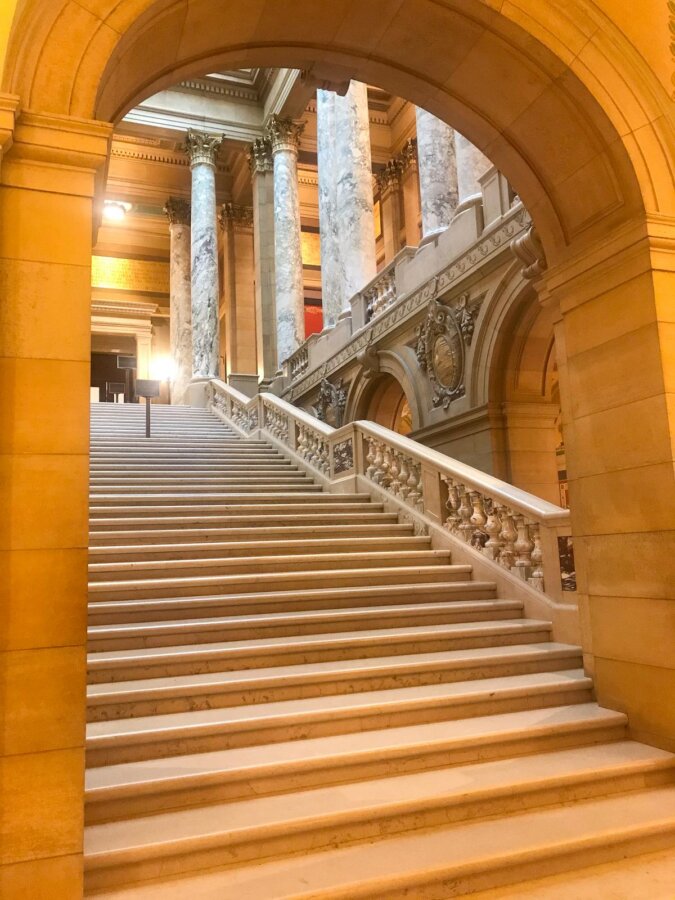
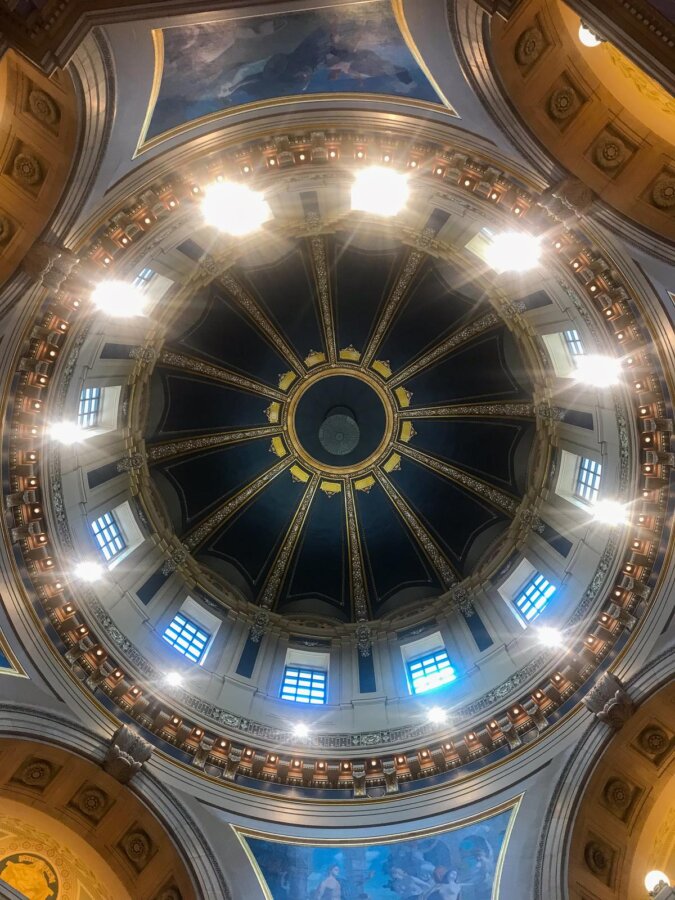
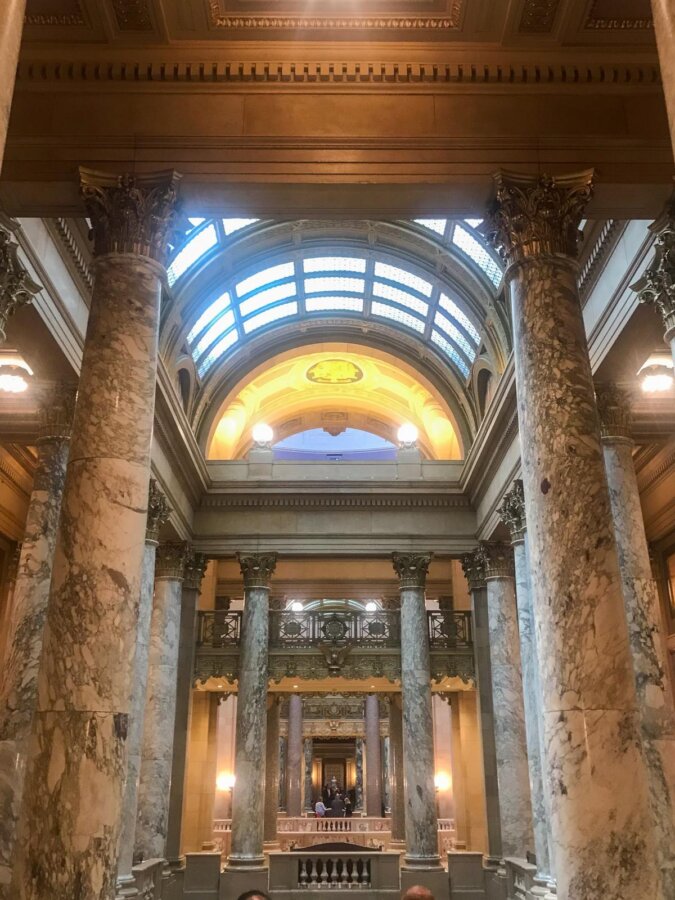
Tours were offered hourly on weekdays from 9 a.m. to 3 p.m. and Saturdays from 10 a.m. to 2 p.m. when checked in August 2026. There is no required admission fee, although a $5 donation is suggested. Watch our night tour of the Minnesota State Capitol and downtown Saint Paul, then use the official schedule to confirm your in-person visit.
13. Sample Saint Paul’s brewery scene

Saint Paul’s breweries are spread across several neighborhoods, so choose by location rather than trying to visit all of them. Summit Brewing is the established local name near West 7th. BlackStack and Can Can Wonderland share a large former industrial complex in Midway, while Barrel Theory works well before or after a Saints game in Lowertown. Bad Weather, Saint Paul Brewing, Lake Monster, Dual Citizen, and Urban Growler cover different parts of the city.
Our guide to the best breweries in St. Paul compares the main taprooms in more detail. Travelers who would rather leave the route planning to someone else can consider a guided Saint Paul bar tour. Use a designated driver, rideshare, or transit when combining stops.
14. Stop for coffee at Claddagh Coffee

Address: 459 7th St W, St Paul, MN 55102
Claddagh Coffee is a practical West 7th break between downtown, the arena district, and the Wabasha Street Caves. The menu includes espresso drinks, house specialties, pastries, soups, and sandwiches rather than whiskey-spiked Irish coffee. Its current ordering page and Visit Saint Paul listing remained active when checked in August 2026.
Use Claddagh’s current menu to confirm hours and available food before visiting. For more options across the state, see our guide to coffee shops in Minnesota.
15. See contemporary wood art at Landmark Center

Address: Landmark Center, 75 W 5th St #222, St Paul, MN 55102
The American Association of Woodturners operates the Gallery of Wood Art inside Landmark Center. Exhibitions focus on turned-wood sculpture, craft techniques, historic lathes, and contemporary artists. The gallery is small enough to pair with the Schubert Club Music Museum, which is in the same building.
Admission is free. When checked in August 2026, the gallery generally opened Wednesday through Friday and Sunday from noon to 4 p.m. Confirm the schedule through Landmark Center, as private events and holidays can affect access.
16. Walk the Mississippi riverfront

The Mississippi National River and Recreation Area is a 72-mile National Park Service corridor covering about 54,000 acres through the Twin Cities. It is not one gated park. In Saint Paul, choose a specific access point such as Harriet Island, Lilydale Regional Park, Wakan Tipi, or the downtown river bluff.
Harriet Island gives the classic skyline view across the river. Lilydale adds trails, floodplain forest, and more room to walk. River conditions change quickly, so use established launches and current safety guidance before paddling. Our guide to things to do along the Mississippi River provides more regional ideas.
17. Let younger kids lead at the Minnesota Children’s Museum

Address: 10 7th St W, St Paul, MN 55102
The Minnesota Children’s Museum is designed around active play rather than quiet display cases. Eleven kid-powered play areas cover climbing, water, movement, building, art, and imaginative role-play. It is best for toddlers through elementary-age children, although adults should expect to participate rather than observe from a bench.
Online admission was $17.95 and walk-up admission was $19.95 for visitors ages 1-101 when checked in August 2026. Reserve two to three hours, bring a change of clothes for children who gravitate toward water play, and consider advance tickets on weekends or school breaks.
18. Pair the Bruce Vento Regional Trail with Wakan Tipi

The Bruce Vento Regional Trail follows a former rail corridor through Saint Paul’s East Side and connects several parks and neighborhoods. For visitors, the most meaningful starting point is Wakan Tipi, a Dakota sacred place within the Bruce Vento Nature Sanctuary. The Native-led Wakan Tipi Center opened in May 2026 with exhibits, gathering space, and programming connected to Dakota history, culture, and the surrounding landscape.
Approach the site as a living cultural place, not simply a recreation backdrop. Follow posted protocols, remain on designated paths, and check Wakan Tipi Center for current hours and events. As of August 11, 2026, the trail section through the Seventh Street Improvement Arches was temporarily closed because of falling-debris risk, with a posted detour along Payne Avenue. Review the City of Saint Paul closure notice before planning a longer ride.
19. See the Wild or Frost at Grand Casino Arena

Address: 199 W Kellogg Blvd, St Paul, MN 55102
Grand Casino Arena, known as Xcel Energy Center until September 2025, is the downtown home of the NHL’s Minnesota Wild and also hosts Minnesota Frost professional women’s hockey, concerts, and touring events. The arena sits beside West 7th, across from several hotels, and within walking distance of Rice Park.
Event-day prices vary widely, so compare the official schedule with reputable resale inventory rather than treating one listing as the market price. Browse tickets for Grand Casino Arena events, and check the arena’s current bag and entry rules before leaving your hotel. Non-event-day public tours may be available on selected Wednesdays.
20. Go to a Saint Paul Saints game at CHS Field
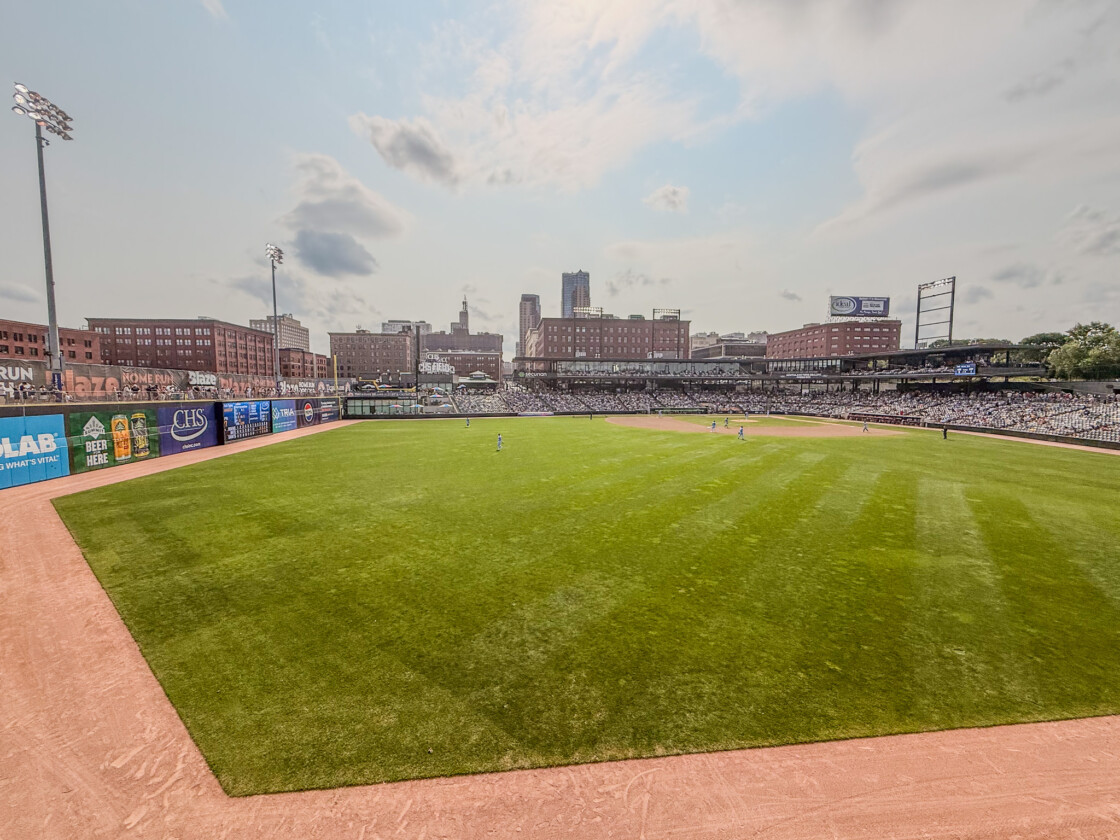
Address: 360 N Broadway St, St Paul, MN 55101
A Saint Paul Saints game gives visitors a reason to spend an evening in Lowertown without the cost or scale of a major-league stadium. CHS Field hosts Triple-A baseball with views of the downtown skyline, between-inning entertainment, local food and drink, and a compact layout that keeps the field close to most seats.
Kyle attended a game here in August 2026 and found it one of the easiest current additions to a summer St. Paul itinerary. Gates generally open about 90 minutes before first pitch, and the stadium is accessible by Green Line light rail and several bus routes. Check the official Saints schedule and ticket page, plus the clear-bag policy, before game day.
21. Attend a performance at the Ordway

Address: 345 Washington St, St Paul, MN 55102
The Ordway Center for the Performing Arts presents touring Broadway productions, concerts, comedy, dance, and community programming. It also anchors the Arts Partnership with the Minnesota Opera, Saint Paul Chamber Orchestra, and Schubert Club, making the building central to Saint Paul’s performing-arts calendar rather than a single-company theater.
Start with the current Ordway event calendar, then plan dinner or drinks around Rice Park. The venue is best experienced during a scheduled performance; daytime exterior sightseeing takes only a few minutes.
22. Watch Minnesota United at Allianz Field

Address: 400 Snelling Ave N, St Paul, MN 55104
Allianz Field is a soccer-specific stadium built to keep spectators close to the pitch. Minnesota United FC home matches bring the strongest atmosphere, particularly around the supporters’ section. The stadium’s translucent exterior and broad canopy also make it one of the city’s most recognizable modern buildings.
The Green Line stops nearby, which is often easier than event parking. Review the latest bag policy and arrival guidance through Minnesota United’s stadium information. Travelers comparing seats and dates can also browse Allianz Field tickets.
23. Visit Rice Park during the Winter Carnival

Address: 109 W 4th St, St Paul, MN 55102
Rice Park is a compact downtown square framed by Landmark Center, the Ordway, the Saint Paul Hotel, and the public library. Its value comes from location and programming rather than size. In warm weather, it is a pleasant pause between attractions; seasonal events can add music, public art, food, or family activities.
Winter is the signature season. The Saint Paul Winter Carnival uses Rice Park and nearby downtown sites for ice sculptures, lights, and public events. Rice Park should not be described as a guaranteed public skating rink: Saint Paul’s maintained outdoor rinks are located at designated recreation sites and depend on weather. Check the Rice Park event page and the Winter Carnival schedule for your dates.
24. Bike or ski the Gateway State Trail

The Gateway State Trail runs 17.8 miles from Saint Paul toward Pine Point Regional Park. The paved route shifts from urban edges into woods, wetlands, and agricultural land, making it a better choice for a longer bike ride than a casual downtown walk.
Winter use varies by segment: the western portion is generally plowed for walking, while other areas can support cross-country skiing when conditions allow. An adjacent horse trail covers part of the eastern route. Bring water and plan a turnaround point; riding the full trail out and back is a substantial outing. The endpoint also puts you near ideas in our guide to the best things to do in Stillwater.
Nearby Twin Cities day trips
The final three attractions are outside Saint Paul proper. They belong here because they are common additions to a Twin Cities trip, but each requires more travel time than the downtown and neighborhood stops above.
25. Spend a day at Mall of America
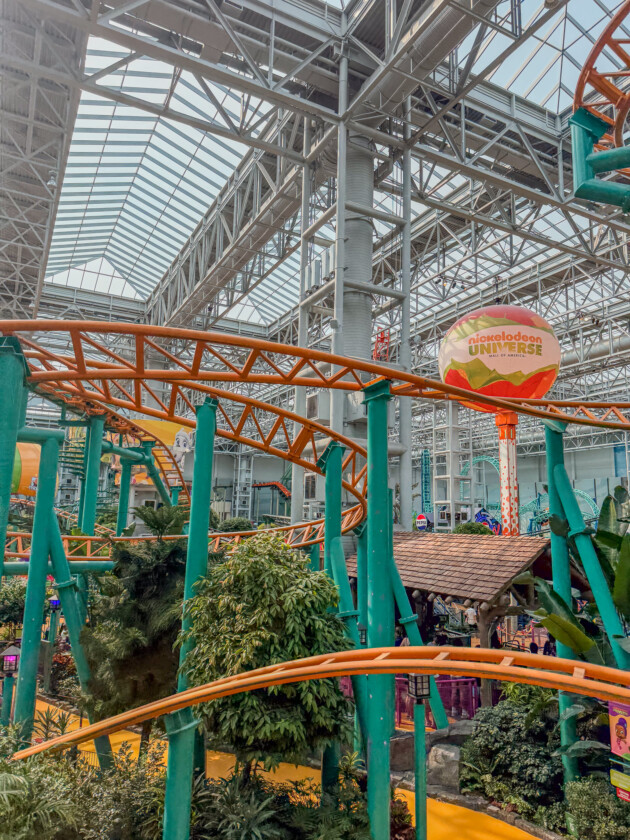
Address: 60 E Broadway, Bloomington, MN 55425
Mall of America is in Bloomington near Minneapolis-Saint Paul International Airport. Shopping is only part of the draw: Nickelodeon Universe has 27 rides and attractions, while SEA LIFE Minnesota Aquarium, mini golf, escape rooms, cinemas, and other ticketed activities can fill a day without entering many stores.
From Saint Paul, Metro Transit’s Route 54 provides a direct limited-stop connection, while driving is faster outside heavy traffic. Families should price attraction tickets before arrival instead of assuming the mall itself is a free day. Compare ideas in our full guide to things to do at Mall of America, including this bookable SEA LIFE Minnesota Aquarium ticket.
26. Learn the full history of Historic Fort Snelling

Address: 200 Tower Ave, St Paul, MN 55111
Historic Fort Snelling stands at Bdote, the confluence of the Mississippi and Minnesota rivers and a place of deep significance to Dakota people. The historic site interprets military, trade, slavery, immigration, and wartime history across a much longer timeline than the fort’s stone walls alone suggest.
A responsible visit must include the aftermath of the U.S.-Dakota War of 1862. More than 1,600 Dakota noncombatants were forcibly confined in a concentration camp below the fort during the winter of 1862-63, and many died from disease, exposure, hunger, and violence. Allow at least two hours, read the interpretation carefully, and confirm seasonal hours before making the trip.
27. Walk the Treetop Trail at the Minnesota Zoo

Address: 13000 Zoo Blvd, Apple Valley, MN 55124
The Minnesota Zoo in Apple Valley is a larger, ticketed counterpart to Como Zoo. Its habitat-based trails include Minnesota wildlife, northern-climate animals, tropical species, marine exhibits, and seasonal programming. The 1.25-mile Treetop Trail follows an elevated former monorail route up to 32 feet above the grounds and is included with zoo admission.
Admission was $25.95 for adults, $23.95 for seniors, and $19.95 for children ages 3-12 when checked in August 2026; children two and younger entered free. The zoo is a full-day outing and is easiest by car. Confirm current exhibits, parking, and hours through the Minnesota Zoo visitor page.
Where to stay in St. Paul
| Hotel | Best for | Location tradeoff |
|---|---|---|
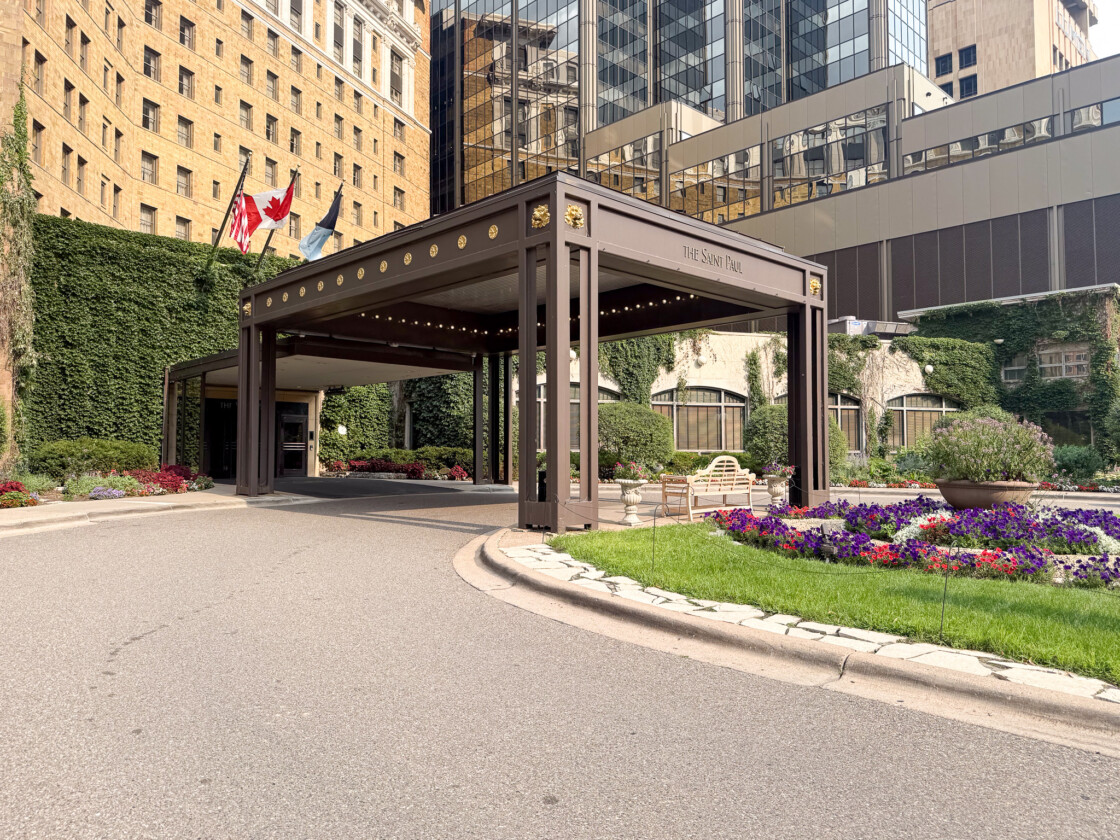
| The Saint Paul Hotel | Rice Park, the Ordway, Landmark Center, and a classic downtown stay | Higher-end pricing; less convenient for Como and suburban day trips |
| Hampton Inn & Suites St. Paul Downtown | Grand Casino Arena, West 7th, and event-focused weekends | Best when the arena district is central to the trip |
| Radisson Blu Mall of America | Airport access and a Mall of America family trip | Located in Bloomington, not Saint Paul |
For a first St. Paul visit, downtown is the most flexible base because the Capitol, Rice Park, museums, performance venues, Lowertown, and West 7th are close together. Compare more Twin Cities options in our guide to the best hotels in Minneapolis.
Build your St. Paul itinerary around one anchor
The easiest way to avoid crossing the city repeatedly is to choose one anchor for each half-day. Pair the Capitol with Cathedral Hill, the Science Museum with West 7th, Rice Park with the Ordway or Landmark Center, Lowertown with a Saints game, and Como Park with a slower family afternoon. Save Mall of America, Fort Snelling, and the Minnesota Zoo for separate outings.
St. Paul works well as a quieter complement to Minneapolis, but it does not need to be treated as an add-on. Its strongest days combine architecture, state history, neighborhood food, and one live event rather than trying to complete all 27 places. For a wider trip, compare our guides to the best things to do in Minneapolis, weekend getaways in Minnesota, and Minnesota road trips.
Frequently asked questions
Is St. Paul worth visiting?
Yes. St. Paul is worth visiting for the Minnesota State Capitol, Cathedral Hill, Summit Avenue, major museums, Como Park, riverfront trails, neighborhood restaurants, and live sports. One full day covers the main landmarks; two days allow time for a museum, neighborhood, or game without rushing.
How many days do you need in St. Paul?
Plan one full day for the Capitol, Cathedral, Summit Avenue, and one museum or event. Two days are better for Como Park, Lowertown, the Mississippi riverfront, and an evening performance or game. Add a third day only if you include Mall of America, Historic Fort Snelling, or the Minnesota Zoo.
What are the best free things to do in St. Paul?
The best free choices are the Minnesota State Capitol tour, Como Park Zoo & Conservatory, Schubert Club Music Museum, Gallery of Wood Art, Rice Park, the Mississippi riverfront, and the Bruce Vento Regional Trail. Donations are encouraged at some free attractions.
What are the best things to do in St. Paul with kids?
Como Park Zoo & Conservatory is the best free family attraction. The Minnesota Children’s Museum works best for toddlers and elementary-age children, while the Science Museum of Minnesota suits a wider age range. A Saint Paul Saints game is a strong summer evening option.
Do you need a car in St. Paul?
You can explore downtown, Lowertown, West 7th, and the Green Line corridor without a car. A car is more convenient for Como Park, the Gateway State Trail, Mall of America, Historic Fort Snelling, and the Minnesota Zoo. Event parking can be expensive, so transit is often easier for Allianz Field and downtown games.
What should you do in St. Paul during winter?
Visit the Saint Paul Winter Carnival and Rice Park, warm up inside the Science Museum or Marjorie McNeely Conservatory, tour the Capitol, see a hockey game at Grand Casino Arena, and check city recreation listings for outdoor skating rinks. Winter schedules and ice conditions are weather-dependent.