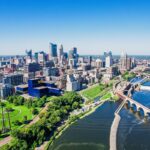
Planning a Minneapolis itinerary for a long weekend? Spend your first day around the Mississippi riverfront and North Loop, your second at Minnehaha Falls, the city lakes, and the Walker Art Center, and your third in Saint Paul and Stillwater. Travelers who prefer shopping or need a weather-proof plan can use the third day for Mall of America instead.
Dinner is the part of an itinerary that dates fastest in this city. where to eat in Minneapolis and St. Paul covers 48 restaurants by neighborhood, with the recently closed ones listed separately.
I grew up in Minneapolis and spent decades calling the Twin Cities home before moving to Amsterdam. That local background shapes this route: each day stays within one part of the metro, so you spend less time crossing town and more time experiencing the neighborhoods, parks, museums, and riverfront that define the city.
This three-day plan is designed for a first visit, but it is easy to shorten. With two days, follow Days 1 and 2. With three days, add Saint Paul and Stillwater or the Mall of America. For a broader list of options, see our guide to the best things to do in Minneapolis.
Last verified August 4, 2026: Museum hours, admission prices, restaurant locations, market schedules, and transit service can change. Follow the official links in this itinerary and check same-day alerts before leaving your hotel.
Minneapolis Itinerary at a Glance
| Day | Best area to stay within | Main stops | Best transport |
|---|---|---|---|
| Day 1 | Downtown, Mill District, North Loop | Spyhouse, Mill City Museum or market, St. Anthony Falls, Stone Arch Bridge, Indigena by Owamni | Walk, bike, or short rideshare |
| Day 2 | South and southwest Minneapolis | Minnehaha Falls, Bde Maka Ska or Lake Harriet, Minneapolis Sculpture Garden, Walker Art Center, First Avenue | Light rail, bus, bike, or car |
| Day 3 | Saint Paul and the St. Croix Valley | Summit Avenue, James J. Hill House, Saint Paul lunch, Stillwater riverfront | Car is most efficient |
| Day 3 alternative | Bloomington | Mall of America, Nickelodeon Universe, SEA LIFE | METRO Blue Line or car |
How Much Time Do You Need?
- One day: Choose the riverfront and North Loop, then add the Sculpture Garden if time permits.
- Two days: Complete Days 1 and 2 for a strong introduction to the city itself.
- Three days: Add Saint Paul and Stillwater for a fuller Minneapolis and Saint Paul experience.
- Four or more days: Add Mall of America, Lake Minnetonka, a performance, or a seasonal day trip.
Current Planning Snapshot
| Attraction | Allow | Admission as of August 2026 | Scheduling note |
|---|---|---|---|
| Minneapolis Sculpture Garden | 45-75 minutes | Free | Open daily, 6 a.m.-midnight |
| Walker Art Center | 1.5-2 hours | $18 adult; ages 18 and under free | Open Wednesday-Sunday; closed Monday-Tuesday |
| Mill City Museum | About 2 hours | $15 adult; $8 ages 5-17 | Currently open Thursday-Sunday; buy general admission on-site |
| Minnehaha Regional Park | 60-90 minutes | Free | Water flow and trail conditions vary by season |
| Stone Arch Bridge | 30-45 minutes | Free | The major restoration project was completed in July 2025 |
| James J. Hill House | 60-90 minutes | $15 adult; $8 ages 5-17 | Check the tour calendar and reserve when available |
Scheduling tip: The Walker is closed Monday and Tuesday, while Mill City Museum currently operates Thursday through Sunday. If your trip begins early in the week, swap museum time for outdoor stops, the Minneapolis Institute of Art, the Weisman Art Museum, or Mall of America.
Minneapolis Travel Video Guide
Day 1: Mississippi Riverfront, Mill District, and North Loop
Day 1 follows a compact route through downtown Minneapolis and the historic milling district. Most stops are walkable once you reach the riverfront, and the route works particularly well Thursday through Sunday when Mill City Museum is open.
8:00 a.m.: Coffee at Spyhouse

Start at Spyhouse Coffee Roasters inside the Emery Hotel at 215 South Fourth Street. The downtown cafe currently opens at 6:30 a.m. daily, making it a practical first stop before the museums and riverfront get busy. Spyhouse has long been one of my preferred local coffee shops, and its downtown location avoids an unnecessary detour.
9:00 a.m.: Choose a Farmers Market

On Saturdays, the Mill City Farmers Market is the route-efficient choice because it sits beside the museum. Its outdoor market runs Saturdays from May through October, with indoor markets on selected Saturdays from November through April.
The larger Minneapolis Farmers Market on East Lyndale Avenue is better for travelers who want a dedicated market visit. Its 2026 main season runs May 2 through October 31, Wednesday through Sunday. It is not on the riverfront walking route, so allow extra transit time.
10:00 a.m.: Explore Mill City Museum

Mill City Museum occupies the ruins of the Washburn A Mill and explains how waterpower, grain, railroads, labor, and flour production shaped Minneapolis. The Minnesota Historical Society recommends allowing at least two hours, including time for the riverfront.
As of August 2026, adult admission is $15, admission for ages 5-17 is $8, and children four and under enter free. General admission is sold on-site. If the museum is closed, walk through Mill Ruins Park and use the extra time for the riverfront or another of the best museums in Minnesota.
12:15 p.m.: See St. Anthony Falls

Walk toward St. Anthony Falls and the lock-and-dam area. The falls are central to the history of Minneapolis: the river’s drop supplied the mechanical power that made large-scale milling possible. This is also the best place in the itinerary to connect the museum exhibits with the actual geography of the Mississippi River.
12:45 p.m.: Cross Stone Arch Bridge

The historic Stone Arch Bridge is open again after a major MnDOT restoration completed in July 2025. Walk at least far enough onto the bridge to see St. Anthony Falls, the mill ruins, and the downtown skyline. Continue to the east bank if you want a longer riverfront loop.
Allow 30-45 minutes for a simple out-and-back walk or about 90 minutes if you continue through the surrounding riverfront parks. Sunset is attractive, but midday is more efficient on this route because dinner returns you to the Mill District.
2:00 p.m.: Lunch and the North Loop
Walk or take a short ride to the North Loop for lunch. Former warehouses now hold restaurants, independent shops, galleries, and hotels, but the neighborhood still makes more sense as a place to wander than as a checklist. Washington Avenue is the main spine; the Mississippi riverfront is only a few blocks away.
Leave some flexibility here. A two-hour lunch and North Loop walk is usually enough, while shoppers or architecture fans may want longer. If you are tired, return to your hotel before dinner rather than adding another cross-town attraction.
6:00 p.m.: Dinner at Indigena by Owamni
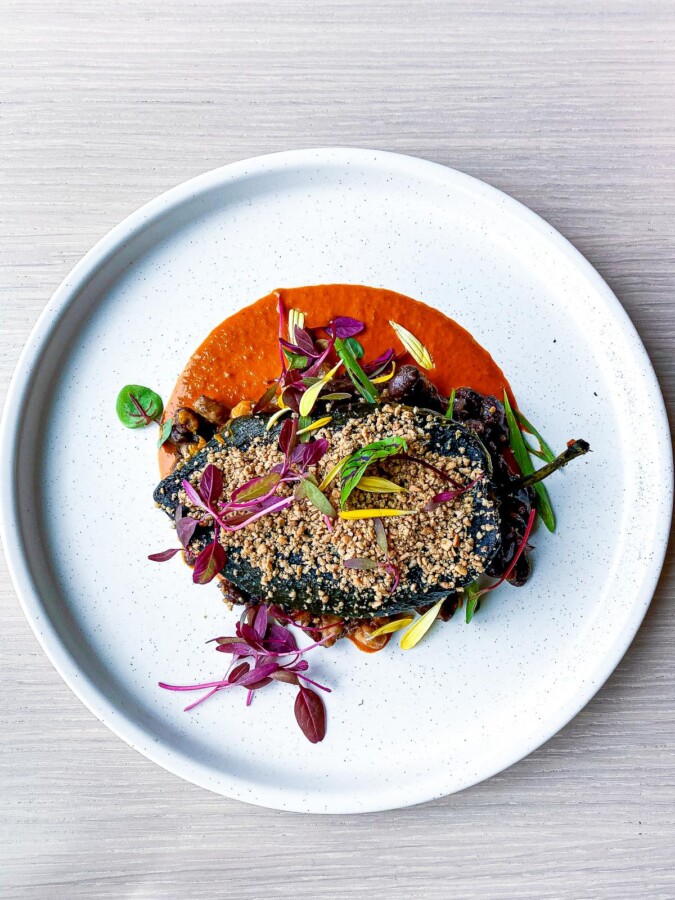
A major update to older Minneapolis guides: Owamni left its original riverfront location and reopened in 2026 as Indigena by Owamni at the Guthrie Theater, 806 South Second Street. The restaurant has a separate entrance in the Guthrie and continues the team’s Indigenous food work with an expanded format.
Current hours are Tuesday through Thursday and Sunday from 11 a.m. to 11 p.m., Friday and Saturday from 11 a.m. to midnight, and closed Monday. Reserve ahead when possible. If your visit falls on Monday, choose another riverfront or North Loop restaurant and keep the rest of the route unchanged.
Day 2: Minnehaha Falls, the Lakes, and Minneapolis Art
Day 2 links the city’s strongest outdoor spaces with its best-known contemporary art campus. Start southeast at Minnehaha Falls, work west toward the Chain of Lakes, and finish near downtown at the Minneapolis Sculpture Garden and Walker Art Center.
8:30 a.m.: Walk at Minnehaha Falls

Begin at Minnehaha Falls, a 53-foot waterfall within Minnehaha Regional Park. The main overlook is close to the parking and transit areas, but the better visit includes part of the trail through the gorge toward the Mississippi River.
Allow 60-90 minutes. Water flow changes substantially with rainfall and season, and lower trails may be icy, muddy, or temporarily closed. Check the Minneapolis Park and Recreation Board before visiting. Travelers extending their Minnesota trip can compare it with other waterfalls in Minnesota.
10:30 a.m.: Walk or Bike the Chain of Lakes
Continue to Bde Maka Ska or Lake Harriet. Bde Maka Ska has roughly 3.1 miles of pedestrian trail and 3.19 miles of bicycle trail around the lake, so a complete loop takes about an hour on foot at a steady pace. In summer, beaches, paddling, and lakeside concessions can turn this into a half-day stop.
For a short visit, walk the north or east shore of Bde Maka Ska, then continue toward Lake of the Isles. For a quieter, more residential atmosphere, choose Lake Harriet. Our guides to the best lakes in Minnesota and Minneapolis beaches offer more seasonal options.
12:30 p.m.: Lunch on Lake Street or Eat Street

Choose lunch based on the next stop rather than crossing the city for a single restaurant. Lake Street works well after Bde Maka Ska, while Nicollet Avenue’s Eat Street corridor positions you closer to the Walker. Both areas reflect the Twin Cities’ immigrant communities and offer far more range than a generic downtown lunch.
Restaurant hours change quickly, so use our current list of Lake Street restaurants and verify the day’s opening time before setting out.
2:00 p.m.: Minneapolis Sculpture Garden

The Minneapolis Sculpture Garden is free and currently open daily from 6 a.m. to midnight. Most first-time visitors spend 45-75 minutes here. Spoonbridge and Cherry is the recognizable landmark, but walking the entire garden gives you a better sense of the collection and sightlines toward downtown.
3:15 p.m.: Walker Art Center

The Walker Art Center sits across from the garden, so these stops should always be paired. The Walker focuses on modern and contemporary art, film, performance, and design. Current gallery hours are Wednesday 10 a.m.-5 p.m., Thursday 10 a.m.-9 p.m., Friday through Sunday 10 a.m.-5 p.m., and closed Monday and Tuesday.
Adult admission is currently $18, seniors pay $16, students pay $12, and visitors 18 and under enter free. Check the official Walker visitor page for exhibitions, free-admission programs, accessibility details, and holiday closures.
Evening: Dinner and a Show at First Avenue

If the calendar lines up, finish at First Avenue. The club opened as a music venue in 1970 inside a building constructed as a Greyhound bus depot in 1937. It has played an important role in the careers of Prince, The Replacements, Husker Du, Soul Asylum, Lizzo, and many other Minnesota artists.
Buy tickets through the official First Avenue calendar, check age restrictions, and arrive early enough for security. No suitable show? Use the evening for a longer dinner, a theater performance, or a return to the riverfront after dark.
Day 3: Saint Paul and Stillwater
The third day expands the itinerary beyond Minneapolis. Saint Paul is the more practical morning stop; Stillwater works best in the afternoon and evening. A car makes this sequence much easier, although you can reach central Saint Paul by METRO Green Line and use a rideshare for the rest.
9:00 a.m.: Summit Avenue and Cathedral Hill

Start near Cathedral Hill and walk a manageable section of Summit Avenue rather than trying to cover the entire street. The concentration of late-19th- and early-20th-century houses makes the avenue rewarding even without a formal tour. Add the Cathedral of Saint Paul or nearby Selby Avenue based on your interests.
Our guide to the best things to do in Saint Paul can help you substitute museums, parks, or family attractions if architecture is not your priority.
10:30 a.m.: James J. Hill House

The James J. Hill House at 240 Summit Avenue is a National Historic Landmark and one of the clearest ways to understand the wealth, industry, and social structure of the Gilded Age in Saint Paul. Adult admission is currently $15, admission for ages 5-17 is $8, and children four and under enter free.
Check tour availability before building the morning around the house. If no tour fits, continue along Summit Avenue and spend more time around Cathedral Hill or Grand Avenue.
Noon: Lunch in Saint Paul
Choose lunch in Cathedral Hill, downtown Saint Paul, or along University Avenue depending on your route toward Stillwater. Rather than relying on a fixed restaurant list that can age quickly, compare current hours and cuisine in our guide to the best Saint Paul restaurants.
2:00 p.m.: Stillwater and the St. Croix River

Drive east to Stillwater, a historic river town on the St. Croix River. Allow at least three hours for the waterfront, Main Street shops, the pedestrian lift-bridge loop, and a meal or drink. Traffic can lengthen the drive on summer weekends and during fall-color season.
Stillwater is most enjoyable when you do not rush back to Minneapolis at a fixed hour. Travelers who want a slower third day can stay overnight in Stillwater and return to the airport or Twin Cities the next morning.
Day 3 Alternative: Mall of America and Bloomington

Mall of America is in Bloomington, not Minneapolis, but it is easy to combine with the airport or use as a cold-weather day. The mall lists more than 500 stores, while Nickelodeon Universe covers seven acres and is described by the mall as the nation’s first indoor Nickelodeon theme park.
Plan four to six hours if shopping is your main goal and a full day if you add rides, SEA LIFE, dining, or a movie. Minnesota generally exempts clothing suitable for everyday use from sales tax, but accessories, sporting equipment, protective gear, and certain other items remain taxable.
The METRO Blue Line connects the airport and Mall of America in about 12 minutes under normal service. From downtown Minneapolis, the ride is longer but still direct. Check Metro Transit alerts for construction, replacement buses, and late-night frequency.
Compare the mall’s options in our guide to things to do at Mall of America. Timed tickets can be useful for SEA LIFE Minnesota Aquarium or a Nickelodeon Universe ride pass. Staying near an early flight? Compare hotels near Mall of America rather than commuting from downtown.
Spending More Than Three Days in Minneapolis?
Use extra days for experiences that require their own neighborhood, event schedule, or drive. These additions are worthwhile, but forcing them into the core itinerary would create unnecessary backtracking.
Explore Minneapolis Breweries by Neighborhood

Northeast Minneapolis has a useful concentration of taprooms, including Indeed Brewing in the Arts District. Surly is a separate destination near the University of Minnesota in Prospect Park, not Northeast, so do not group both into the same walking crawl. Build a responsible route from our guide to the best breweries in Minneapolis, and use transit or a designated driver.
Spend a Day at Lake Minnetonka

Lake Minnetonka is a better full-day outing than a quick city stop. Drive west and choose one lakeside town as your base: Wayzata for a polished lakefront and easy dining, or Excelsior for a compact historic center and access to the southern lake. Summer boat schedules and winter ice conditions require separate planning.
Ski or Snowboard at Afton Alps
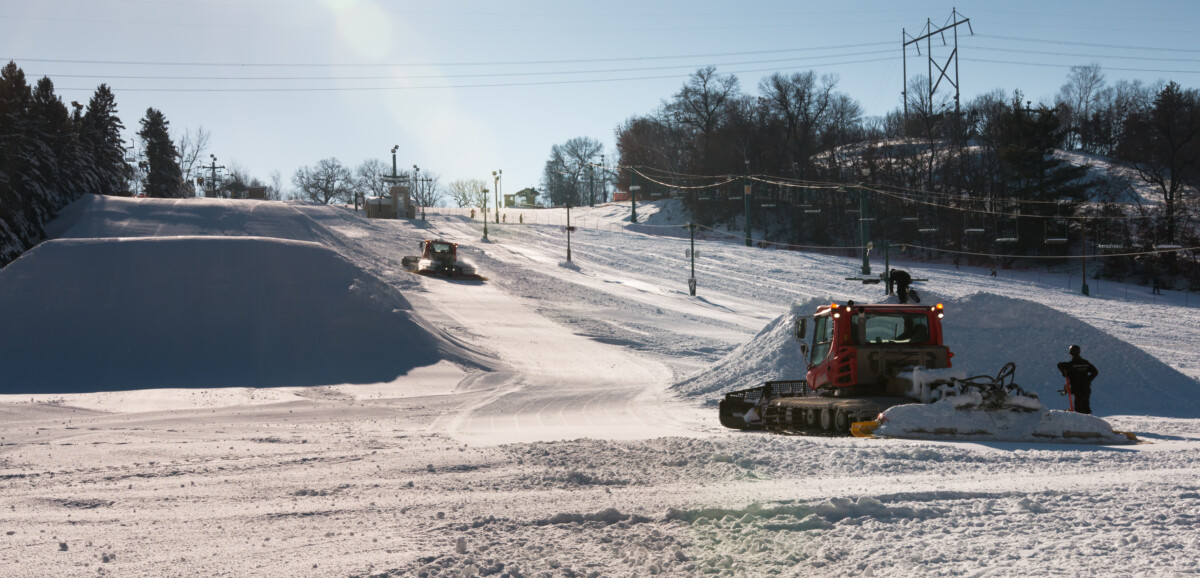
Afton Alps is a practical winter day trip for skiing and snowboarding. Lift operations depend on weather, snowmaking, and the seasonal calendar, so buy tickets only after checking current terrain and hours. It pairs better with a dedicated Minnesota winter trip than with a tightly scheduled first weekend.
Attend a Professional Sports Game

The metro has teams in every major U.S. professional league: the Twins at Target Field, Vikings at U.S. Bank Stadium, Timberwolves and Lynx at Target Center, Wild at Xcel Energy Center, and Minnesota United at Allianz Field. Let the event determine that day’s geography. A baseball game pairs well with the North Loop; a Wild or Loons game pairs better with Saint Paul.
Make the Guthrie a Destination, Not Just a Dinner Stop

The Guthrie Theater deserves an evening when a production matches your dates. Check performance length, age guidance, and curtain time before booking dinner. The Orpheum, State, and Pantages theaters are better choices for many touring productions, while the Guthrie centers its own stage seasons in the Mill District.
Add the Weisman Art Museum

The Weisman Art Museum is a sensible add-on when you are near the University of Minnesota or when the Walker is closed. Its Frank Gehry-designed building is part of the experience, and the museum’s official site should be checked for current gallery hours, exhibitions, and campus access.
Save North Shore State Parks for an Overnight Trip
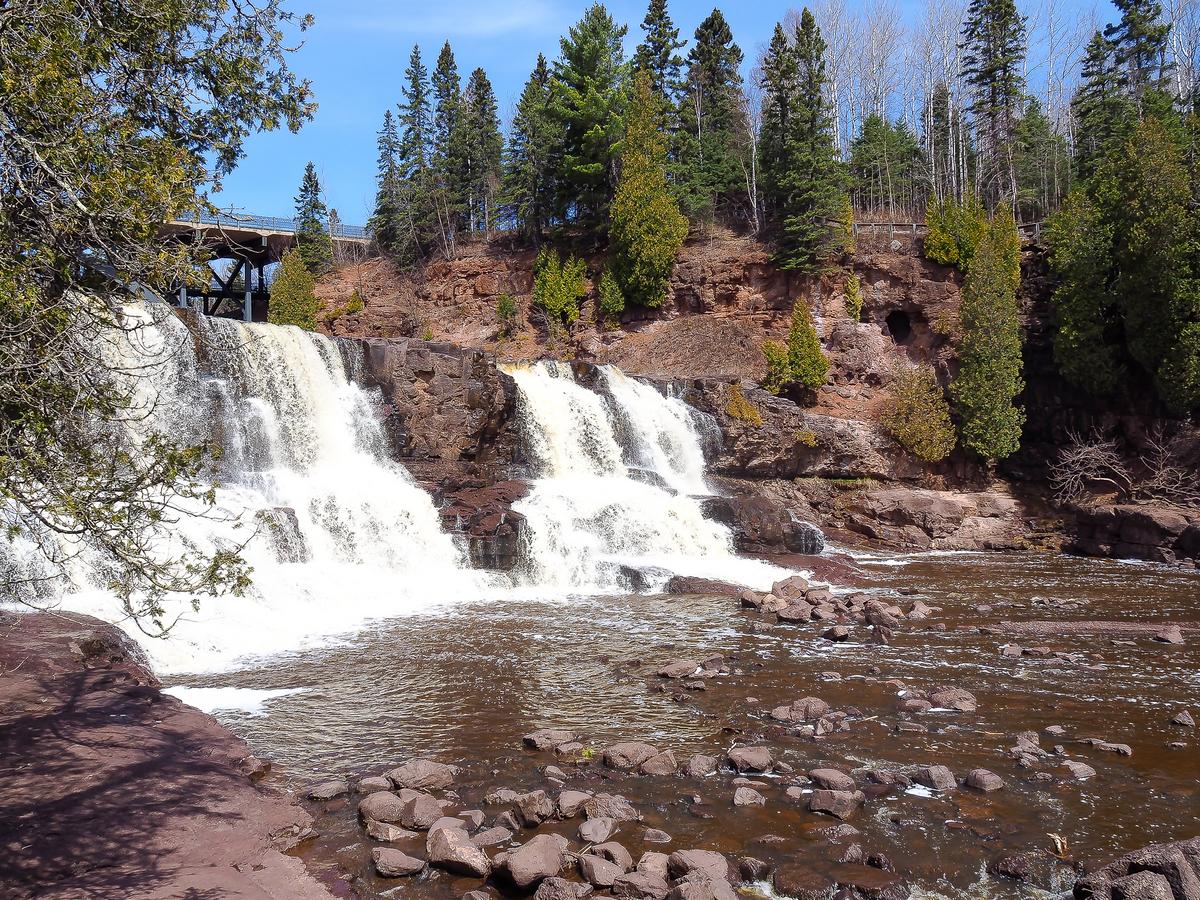
Gooseberry Falls, Tettegouche, and Grand Portage are not practical add-ons to a three-day city break. They are far enough north that the drive deserves at least one night near Duluth or along Lake Superior. Use our guide to Minnesota state parks and the best scenic drives in Minnesota to build a separate North Shore route.
Best Time to Visit Minneapolis

June through September is the easiest period for this outdoor-heavy itinerary. The lakes, riverfront trails, patios, markets, and long daylight hours are at their most useful. Late September into October can be excellent for cooler walks and changing leaves, although daylight shortens and weather becomes less predictable.
| Season | Best for | Main tradeoff | How to adjust this itinerary |
|---|---|---|---|
| Summer | Lakes, biking, patios, markets, festivals | Humidity, thunderstorms, busy weekends | Start outdoor stops early and reserve dinner |
| Early fall | Walking, cooler weather, fall color | Shorter days and variable temperatures | Move Stillwater earlier in the day |
| Winter | Museums, theater, sports, snow activities | Cold, snow, ice, and transit delays | Replace lakes with museums or Mall of America |
| Spring | Waterfalls, lower crowds, emerging park season | Mud, lingering ice, rapid weather changes | Check trail conditions and carry a flexible indoor backup |
Winter can be rewarding, but it is not a lighter version of summer. Pack insulated layers, waterproof footwear, gloves, and a hat; our guide to winter travel clothing covers the practical basics. Build extra time between stops and confirm that outdoor paths have been cleared.
Getting Around Minneapolis

You do not need a car for the first two days if you stay downtown or in the North Loop. The METRO Blue Line connects Minneapolis-Saint Paul International Airport with downtown in under 30 minutes under normal service and links the airport with Mall of America in about 12 minutes. The Green Line connects the downtowns of Minneapolis and Saint Paul.
Check Metro Transit before every rail trip. Construction projects, replacement buses, and event-related service changes can materially affect travel time. Our guide to visiting Minneapolis without a car explains the tradeoffs in more detail.
| Trip segment | Best default | When a car helps |
|---|---|---|
| Airport to downtown | Blue Line or rideshare | Late arrival, heavy luggage, or service disruption |
| Downtown and riverfront | Walk or bike | Usually unnecessary |
| Minnehaha Falls | Blue Line, bike, or car | Useful when pairing with the lakes |
| Walker and Sculpture Garden | Bus, bike, rideshare, or car | Useful in severe weather |
| Saint Paul | Green Line for downtown; bus or rideshare for Summit Avenue | Best for a multi-stop Saint Paul day |
| Stillwater, Lake Minnetonka, Afton Alps | Car | Strongly recommended |
A rental car is most valuable on Day 3 or for regional extensions. You can compare Minneapolis rental-car rates, but do not rent solely because it is winter unless you are comfortable driving on snow and ice. Transit plus rideshares may be safer and simpler during a storm.
Where to Stay in Minneapolis
For this itinerary, the North Loop and downtown are the most efficient bases. The North Loop is stronger for restaurants, independent shops, and river access; downtown is better for light rail, stadiums, and theater. Staying near Mall of America makes sense mainly for an airport stopover, shopping-focused trip, or very early flight.
Compare neighborhoods in our full guide to where to stay in Minneapolis.
Hewing Hotel: Best for the North Loop
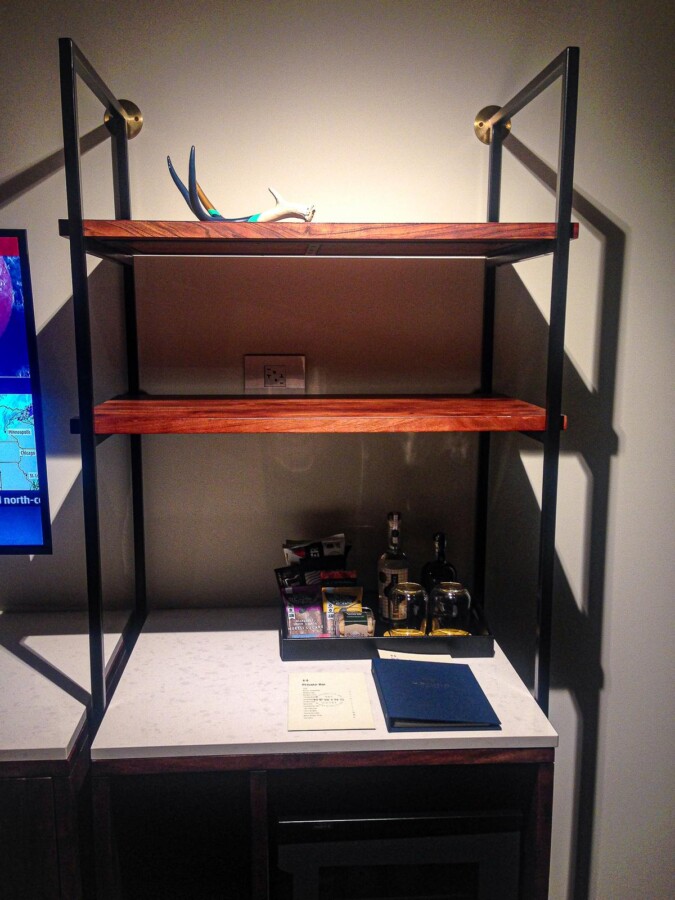
Hewing Hotel occupies a converted warehouse at 300 North Washington Avenue. Its exposed brick and timber suit the North Loop setting, while the rooftop spa pool and lounge distinguish it from standard downtown hotels. The location is walkable to Target Field, Washington Avenue restaurants, and the riverfront.
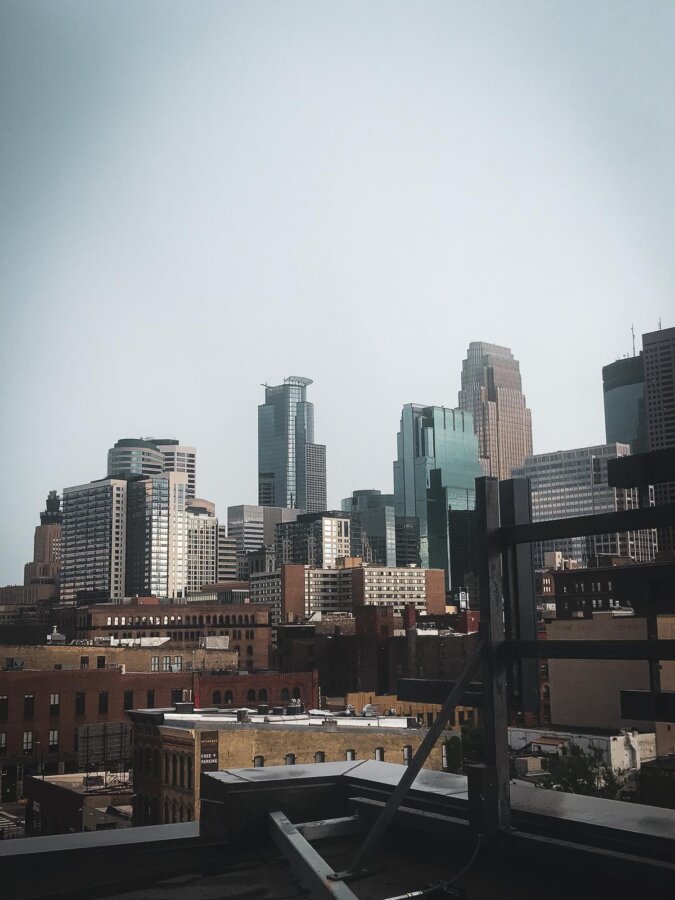
I have stayed here, and the neighborhood location is the main reason I recommend it for this route. See my full Hewing Hotel review for the room, amenities, and practical tradeoffs.
Hotel Ivy: Best for Downtown Luxury and Spa Access

Hotel Ivy combines a historic Art Deco tower with modern rooms, the Anda Spa, multiple restaurants and bars, and a direct connection to the Minneapolis Skyway. It is a better fit than the Hewing for travelers prioritizing a full-service luxury hotel, spa time, the convention center, or downtown theater.
Minneapolis Itinerary FAQ
How many days do you need in Minneapolis?
Two days are enough for the Minneapolis riverfront, Minnehaha Falls, the city lakes, and the Walker Art Center. Three days are better because you can add Saint Paul and Stillwater or spend a separate day at Mall of America.
Can you visit Minneapolis without a car?
Yes. A downtown or North Loop base makes the riverfront walkable, and light rail connects the airport, downtown, Minnehaha Falls, Saint Paul, and Mall of America. A car is most useful for Stillwater, Lake Minnetonka, Afton Alps, and state-park trips.
What should first-time visitors not miss in Minneapolis?
Prioritize the Mississippi riverfront and Stone Arch Bridge, Minnehaha Falls, one city lake, the Minneapolis Sculpture Garden, and the Walker Art Center. These stops show the city’s relationship with water, parks, industry, and contemporary art.
Is Mall of America in Minneapolis?
No. Mall of America is in Bloomington, south of Minneapolis and close to the airport. The METRO Blue Line connects the mall with both airport terminals and downtown Minneapolis.
What is the best area to stay for a Minneapolis weekend?
The North Loop is best for restaurants, shops, river access, and a neighborhood feel. Downtown is best for light rail, sports venues, theater, and straightforward airport access.
What is the best time of year for this Minneapolis itinerary?
June through September is easiest for lakes, biking, markets, patios, and long daylight. Early fall is good for cooler walks. In winter, replace some outdoor time with museums, theater, sports, or Mall of America and leave extra time for weather.
Final Planning Advice
The best Minneapolis itinerary is not the one with the most stops. Keep the riverfront together, pair Minnehaha Falls with the lakes, visit the Walker and Sculpture Garden on the same afternoon, and reserve the third day for Saint Paul and Stillwater or Mall of America. That structure gives you a real sense of the Twin Cities without spending the weekend in traffic.
For neighborhood guides, seasonal ideas, and current trip-planning resources, continue with our Minneapolis travel guide.