For a first trip, the best places to visit in Minnesota are Minneapolis and Saint Paul, followed by either the North Shore of Lake Superior or a northern lake-and-wilderness region. A long weekend is enough for one area. Five to seven days lets you combine the Twin Cities with Duluth and several North Shore stops without spending most of the trip in the car.
I grew up in the Twin Cities, and this list combines places I know firsthand with current visitor information from park agencies, tourism offices, and attraction operators. It is organized by region rather than as a strict ranking, so you can turn it into a realistic route. For broader planning, use our Minnesota travel guide and our guide to the best lakes in Minnesota.
Last fact-checked: August 11, 2026. Hours, trail conditions, fishing rules, wildfire closures, and seasonal operations can change. Check the linked official source before making a long drive.
ViaTravelers may earn a commission from qualifying bookings made through links on this page, at no extra cost to you.
Minnesota places at a glance
| Place | Best for | Region | Time to allow |
|---|---|---|---|
| Minneapolis | Art, food, parks, riverfront | Twin Cities | 1-2 days |
| Saint Paul | History, architecture, museums | Twin Cities | 1 day |
| Cathedral of Saint Paul | Architecture and photography | Saint Paul | 1-2 hours |
| Historic Schmidt Brewery district | Industrial architecture and local art | Saint Paul | 1-2 hours |
| Como Park Zoo & Conservatory | Free family outing and indoor gardens | Saint Paul | 2-4 hours |
| Mall of America | Indoor attractions, shopping, families | Bloomington | Half to full day |
| Stillwater | Riverfront, fall color, historic Main Street | East metro | Half to full day |
| St. Croix River | Paddling, cliffs, fishing | Eastern Minnesota | 1-2 days |
| Mississippi River and Great River Road | Scenic drives, biking, river towns | Central and southeast | 1-4 days |
| Mill Ruins Park and Stone Arch Bridge | Public industrial history and walking | Minneapolis | 1-3 hours |
| Duluth | Lake Superior, ships, family attractions | Northeast | 1-2 days |
| North Shore Scenic Drive | Road trips, waterfalls, lighthouses | Northeast | 3-5 days |
| Lake Superior shoreline | State parks, beaches, rugged scenery | Northeast | 1-3 days |
| Grand Marais | Harbor town and outdoor base | North Shore | 1-2 days |
| Lutsen Mountains | Skiing, gondola rides, alpine recreation | North Shore | 1-2 days |
| Spirit Mountain | Four-season recreation near Duluth | Duluth | Half to full day |
| Banning State Park | Waterfall hike and quarry history | East-central | Half day |
| Boundary Waters | Canoeing, camping, remote wilderness | Northeast | 3-7 days |
| Voyageurs National Park | Boating, island camping, dark skies | Far north | 2-4 days |
| International Wolf Center | Wildlife education and wolf viewing | Ely | 2-3 hours |
| Itasca State Park | Mississippi headwaters and old-growth forest | North-central | 1-2 days |
| Leech Lake | Fishing, boating, cabin trips | North-central | 2-3 days |
| Mille Lacs Lake | Fishing and easy lake weekends | Central | 1-2 days |
| Pipestone National Monument | Indigenous history, prairie, short walks | Southwest | 2-3 hours |
How to plan a Minnesota trip
Minnesota is larger than many visitors expect. The strongest itineraries stay within one geographic cluster instead of trying to collect distant attractions. A three-day city trip can cover Minneapolis, Saint Paul, and Stillwater. A North Shore trip works best with Duluth as the first stop and Grand Marais as a second base. Itasca, Voyageurs, and the Boundary Waters belong on separate northern itineraries unless you have a week or more.
- Late May through September offers the widest range of lake, trail, boat, and outdoor-attraction operations.
- Fall is excellent for road trips, but color timing varies by latitude and weather. Use the Minnesota DNR’s current fall-color map instead of planning around a fixed weekend.
- Winter suits skiing, snowshoeing, ice fishing, museums, conservatories, and indoor family attractions. Driving conditions can add substantial time.
- Spring can be quiet and affordable, though mud, lingering ice, high water, and reduced seasonal hours limit some outdoor plans.
A Minnesota state park vehicle permit currently costs $7 for one day or $35 for a year-round permit. Buy it before leaving home when possible because cell service can be weak at some parks. Browse our guide to Minnesota state parks for more route ideas.
Boundary Waters notice: After lightning-caused wildfires in July 2026, the U.S. Forest Service began reopening the wilderness in phases. Some entry points, campsites, and routes may remain closed, and fire restrictions can change. Check the Superior National Forest alerts page before reserving permits or driving to an entry point.
Twin Cities and eastern Minnesota
1. Minneapolis

Minneapolis is the most practical first base for travelers who want art, restaurants, sports, parks, and Mississippi River scenery in one trip. Start around the riverfront and North Loop, then choose a neighborhood or lake area rather than spending the day moving between distant corners of the city. Our guide to the best things to do in Minneapolis covers the major neighborhoods and seasonal options.
The Minneapolis Institute of Art has free general admission to its permanent collection. The Minneapolis Sculpture Garden is also free and open daily; its best-known work is Spoonbridge and Cherry. For an outdoor break, follow a section of the Mississippi riverfront or visit Minnehaha Falls Regional Park. The falls are most dramatic when water levels are healthy, while the surrounding trails and creek remain worthwhile outside peak flow.
Allow at least one full day, or two for museums, neighborhoods, and lakes without rushing. This Minneapolis itinerary gives you a workable sequence, and our Walker Art Center guide explains what to pair with the sculpture garden.
2. Saint Paul

Saint Paul rewards a slower day than Minneapolis. The state capital has strong concentrations of historic architecture around Summit Avenue and Cathedral Hill, museums and event venues downtown, and river parks along the Mississippi. Use our Saint Paul travel guide to choose a neighborhood-based route.
A good first visit combines the Cathedral of Saint Paul, a walk or drive along Summit Avenue, and one indoor stop such as the Minnesota History Center or Science Museum of Minnesota. Wabasha Street Caves runs scheduled historical tours, while the James J. Hill House offers a more grounded look at Gilded Age wealth and architecture. Families can add Como Park or one of the best parks in Saint Paul.
Plan a full day to cover both Cathedral Hill and downtown. Saint Paul’s attractions are more spread out than they appear on a map, and Summit Avenue alone can absorb a relaxed afternoon.
3. Cathedral of Saint Paul

The Cathedral of Saint Paul is an active Roman Catholic church, a Saint Paul landmark, and one of the strongest architectural stops in the state. Its hilltop position near Summit Avenue gives you clear exterior views, while the interior is defined by its large dome, chapels, mosaics, and Classical Renaissance design.
Visitors may enter outside services and scheduled events, but quiet behavior and appropriate dress are expected. As checked in August 2026, docent tours are generally offered Monday through Friday, last about an hour, require advance booking, and include some steps. The cathedral suggests a donation. Confirm availability on the official tour page, especially around holy days and large liturgies.
Pair the cathedral with Summit Avenue, the James J. Hill House, and lunch on Selby Avenue. Photographers usually get the cleanest exterior composition from the lower approach or the overlook across the avenue.
4. Historic Schmidt Brewery district

The former Schmidt Brewery complex is worth a stop for industrial architecture and Saint Paul brewing history, not as an everyday brewery tour or a guaranteed “haunted” attraction. Parts of the complex were converted into the Schmidt Artist Lofts, and public access is most reliable during scheduled art crawls, open studios, or advertised events.
Check current access before arriving because businesses and event uses within the larger complex have changed over time. The exterior brickwork, signs, and towers can still be viewed from lawful public areas, and the site fits naturally into a West Seventh itinerary. Visit Saint Paul has a concise history of the Schmidt Brewery.
Allow 30 to 60 minutes unless an event is running. Do not enter residential, construction, or restricted areas to pursue ghost stories or abandoned-building photos.
5. Como Park Zoo & Conservatory

Como Park Zoo & Conservatory is one of the easiest family choices in the Twin Cities because admission is free, the grounds combine animals and indoor gardens, and a visit can expand or contract with your schedule. The conservatory is especially useful during cold, wet, or smoky weather.
Current posted hours are 10 a.m. to 6 p.m. from May 1 through Labor Day and 10 a.m. to 4 p.m. during the rest of the year. A voluntary donation is encouraged, and wheelchair and scooter rentals are available. Review the official hours, map, and accessibility information before visiting.
Two to four hours is usually enough for the zoo and conservatory. Weekday mornings are calmer than summer weekends, and the conservatory can become warm and humid even when the weather outside is cool.
6. Mall of America

Mall of America works best when you treat it as an indoor entertainment district rather than a quick shopping stop. The Bloomington complex has more than 500 stores, Nickelodeon Universe, SEA LIFE, restaurants, a cinema, and rotating events. Families can spend most of a day here without covering every floor.
Standard retail hours currently run from 10 a.m. to 9 p.m. Monday through Saturday and 11 a.m. to 7 p.m. Sunday, although individual attractions and restaurants set their own schedules. Check the official hours and directions and use our guide to the best things to do at Mall of America to prioritize.
The mall is connected to Minneapolis-Saint Paul International Airport and downtown Minneapolis by the METRO Blue Line, making it practical without a car. Travelers building a family weekend around the complex can compare hotels near Mall of America after deciding which attractions they will actually use.
7. Stillwater
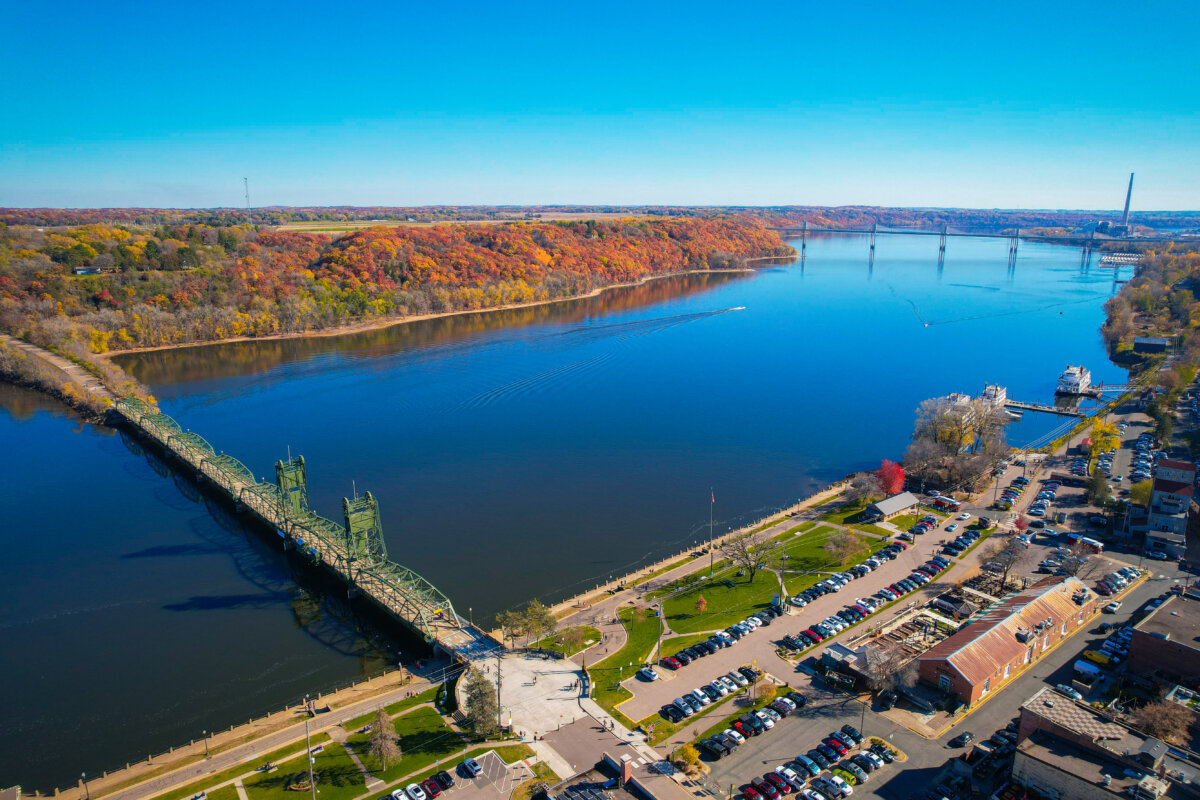
Stillwater is one of my favorite fall day trips from the Twin Cities. Its compact downtown sits beside the St. Croix River, with historic storefronts, hillside streets, river cruises, and the converted lift bridge forming a pedestrian and bicycle connection across the water.
The city is called the Birthplace of Minnesota because the 1848 territorial convention that helped begin Minnesota’s path to statehood was held here. That history is more useful than the vague claim that Stillwater was simply the state’s “first city.” The local tourism office provides background and current event information on its official Stillwater history page.
Allow half a day for Main Street and the riverfront, or a full day if you add a cruise, bike ride, or meal. Parking and restaurant waits are more difficult on peak fall weekends. Our St. Croix River guide adds nearby stops.
8. St. Croix River

The St. Croix and Namekagon rivers form a National Scenic Riverway with more than 200 miles of protected water. On the Minnesota side, the most accessible first stops are Stillwater and Taylors Falls. Paddlers can find quiet stretches, faster water, campsites, and outfitters, while hikers get river overlooks from Interstate State Park.
Water levels, currents, boat traffic, and launch access vary by section. Consult the National Park Service riverway guide before paddling. Anglers also need to check current Minnesota-Wisconsin boundary-water rules rather than applying ordinary inland-lake regulations.
A day trip is enough for Taylors Falls or Stillwater, but a weekend gives you time to paddle, hike, and stay in a river town. See our guide to things to do in Taylors Falls for trail and town ideas.
9. Mississippi River and Great River Road
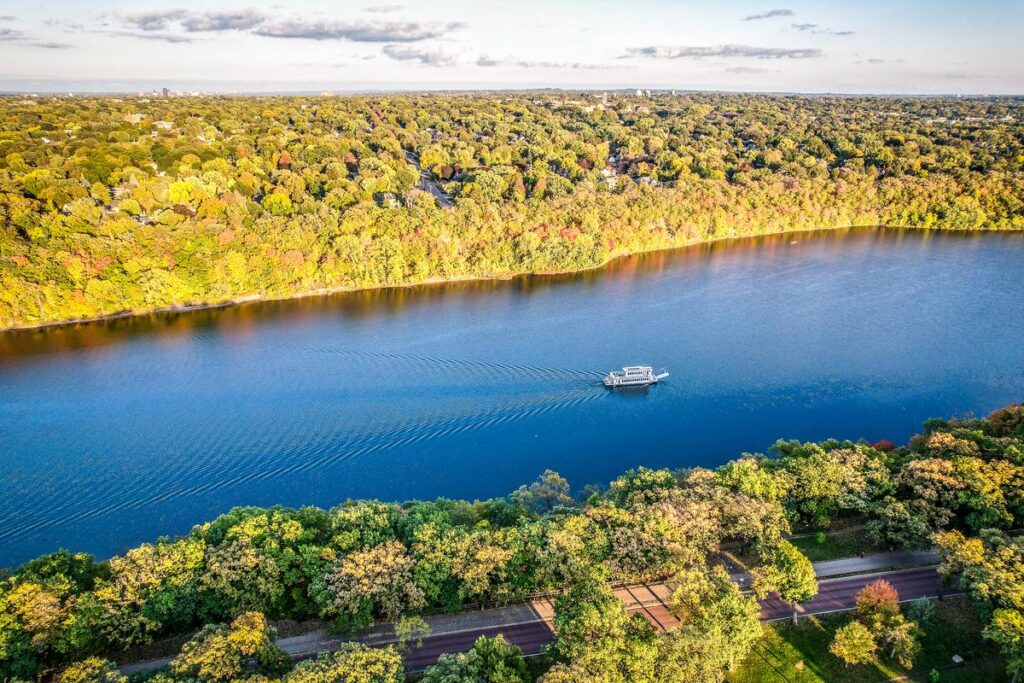
The Mississippi begins at Lake Itasca and crosses very different parts of Minnesota before reaching the Iowa border. In the Twin Cities, the National Park Service manages a 72-mile river corridor with trails, parks, visitor sites, and access points. Farther south, bluff-country towns and overlooks make the river the backbone of one of the state’s strongest road trips.
For a short visit, walk the riverfront in Minneapolis or Saint Paul. For a multi-day trip, follow sections of the Great River Road through places such as Red Wing and Winona. The official Mississippi National River and Recreation Area site is the best starting point for Twin Cities maps and current access information.
Do not try to “complete” the Minnesota river in one rushed drive. Choose an urban section, the headwaters, or the southeastern bluff country and build the trip around that landscape. Our guide to things to do along the Mississippi River provides more options.
10. Mill Ruins Park and Stone Arch Bridge

Mill Ruins Park and the Stone Arch Bridge offer a safe, public way to understand Minnesota’s industrial history. The riverfront preserves flour-mill foundations, canal infrastructure, interpretive features, and views of St. Anthony Falls. The Stone Arch Bridge fully reopened to pedestrians and cyclists in July 2025 after a major preservation project.
Mill Ruins Park remains open, but the park board currently reports construction-related limits in the lower ruins area, including no through access. Review the official Mill Ruins Park access update before your visit. A Minneapolis walking tour can add context to the mills, falls, bridge, and nearby riverfront.
This replaces the old recommendation to drive to abandoned hospitals, mines, stores, and private structures. Access and ownership can change, derelict buildings can be structurally unsafe, and entering restricted property is trespassing. Photograph historic sites only from lawful public areas or on an authorized tour.
Duluth, the North Shore, and northeastern Minnesota
11. Duluth

Duluth is both a destination and the natural gateway to the North Shore. Canal Park, the Aerial Lift Bridge, the Lakewalk, and the harbor give first-time visitors an immediate sense of Lake Superior’s scale. Families can add the Lake Superior Maritime Visitor Center, Great Lakes Aquarium, or Lake Superior Zoo, while architecture and history travelers often choose Glensheen.
Spend at least one night if you are continuing north. That gives you time to watch ships, eat near the waterfront, and leave for state parks before the busiest part of the day. Our Duluth guide covers more neighborhoods and attractions, while these Duluth hotels are useful for choosing a base.
Lake Superior remains cold even in summer, and Duluth beaches can develop dangerous currents. Check local beach flags and weather before swimming at Park Point. The city’s official visitor site, Visit Duluth, carries current attraction and event information.
12. North Shore Scenic Drive
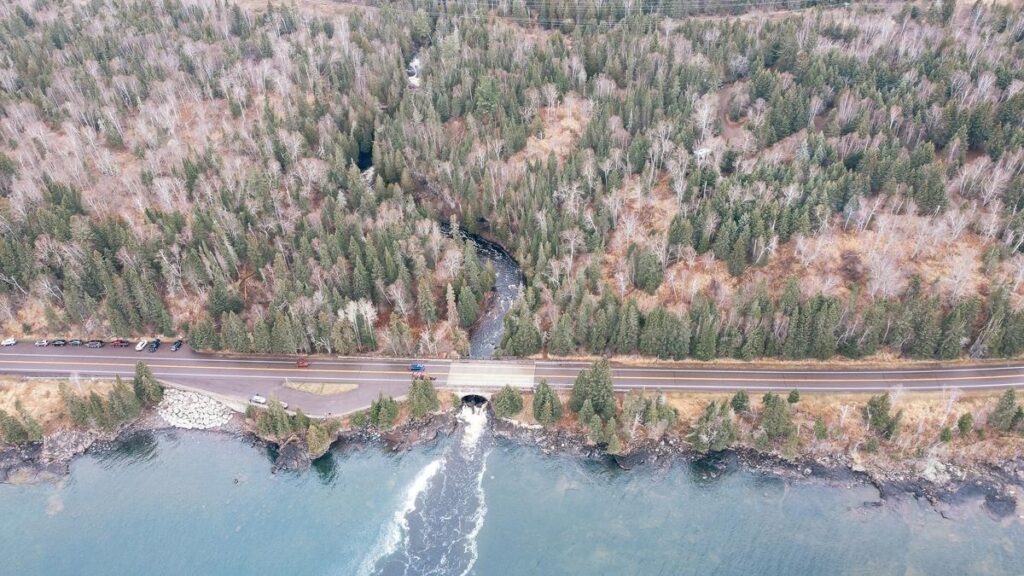
Minnesota’s North Shore Scenic Drive follows Highway 61 for about 154 miles from Duluth to Grand Portage near the Canadian border. The route earns its reputation through a dense sequence of waterfalls, rocky shoreline, lighthouses, trailheads, and small towns. Highway 61 continues toward Thunder Bay, but the Minnesota scenic route itself ends near the border.
Three days is the practical minimum for Duluth, two major state parks, and Grand Marais. Five days allows slower hikes and weather flexibility. Popular stops include Gooseberry Falls, Split Rock Lighthouse, Tettegouche State Park, Cascade River, and Grand Portage. Check the official North Shore itinerary for route context.
Parking fills at headline stops on summer and fall weekends. Start early, use lesser-known pullouts between major parks, and avoid treating the shoulder as a parking lane. Our guide to Gooseberry Falls State Park can help you plan the first major stop north of Duluth.
13. Lake Superior shoreline and state parks

Lake Superior is the largest of the five Great Lakes by surface area. Its Minnesota shore feels more like a cold inland sea than a typical lake, with cliffs, cobble beaches, changing weather, and powerful waves. The most useful way to experience it is through a sequence of public shoreline stops rather than one viewpoint.
Gooseberry Falls, Split Rock Lighthouse, Tettegouche, Temperance River, Cascade River, and Judge C. R. Magney state parks each offer a different combination of shoreline, river gorge, waterfall, and forest. Conditions can change sharply within a day, so carry a layer and rain protection even when Duluth is sunny.
Do not climb onto wet shoreline rocks during high waves, and keep children well back from cliff edges and fast water. Travelers who want sunrise access and less driving can compare these cabins on Lake Superior.
14. Grand Marais

Grand Marais is the best North Shore base for travelers who want a walkable harbor town close to trailheads, state parks, and the Gunflint Trail. Artist’s Point, the breakwater, small galleries, bakeries, and lakefront views make the town worthwhile even when weather limits hiking.
Allow one night for the harbor and nearby parks, or two to three if you plan a Gunflint Trail day. The official Grand Marais visitor guide is useful for seasonal businesses and events. Our guide to things to do in Grand Marais adds practical stops.
The area can produce excellent aurora viewing, but the Northern Lights are never guaranteed. Check cloud cover and aurora forecasts, drive cautiously on dark roads, and do not stop in traffic lanes. For a more remote stay, compare our recommended Gunflint Trail resorts.
15. Lutsen Mountains

Lutsen Mountains is the North Shore’s major alpine recreation destination. The resort lists 95 ski runs across four peaks and operates the Midwest’s only gondola. Lake Superior views distinguish it from smaller ski areas farther south.
Winter is the main season, but summer and fall can bring gondola rides, hiking access, and an alpine slide. Operations depend on weather, maintenance, and season, so confirm the current mountain statistics and operating information before building a day around one activity.
Lutsen is a better fit for travelers who want a resort day than for visitors trying to maximize waterfalls and roadside stops. Compare it with other Minnesota ski areas before committing to the longer North Shore drive.
16. Spirit Mountain

Spirit Mountain is the easier alpine stop when your base is Duluth. Winter brings downhill and Nordic skiing, while warmer months shift toward mountain biking, a scenic chairlift, an adventure park, disc golf, and camping. Views reach across Duluth, the St. Louis River, and Lake Superior.
The attraction mix changes seasonally, and individual rides or trails can close for weather. Review the official Spirit Mountain site on the day of your visit. Families should check height, age, and footwear requirements before buying activity tickets.
Choose Spirit Mountain over Lutsen when you have only a half day, want to stay close to Duluth, or need a four-season activity without driving farther up the shore.
17. Wolf Creek Falls in Banning State Park

Banning State Park combines a forceful stretch of the Kettle River, sandstone quarry remains, and a manageable waterfall hike. The Minnesota DNR describes the route to 12-foot Wolf Creek Falls as a 3.4-mile round trip using portions of several park trails.
The route includes roots, rocks, elevation changes, and potentially slippery surfaces. Wear shoes with reliable traction and check official trail information before leaving. River currents and rapids are not casual swimming areas.
Banning is a realistic half-day stop between the Twin Cities and Duluth. It also works as one of the more active day trips from Minneapolis if you are comfortable with the drive.
18. Boundary Waters Canoe Area Wilderness

The Boundary Waters is Minnesota’s defining canoe-country experience, but it requires more planning than an ordinary park visit. Visitors move between lakes by canoe and portage, camp at designated sites, filter or treat water, store food securely, and carry out all trash. Cell service is unreliable or absent across much of the wilderness.
Permits are required year-round. From May 1 through September 30, quota permits are required for overnight paddle, hiking, and motor trips, as well as motorized day use. Non-motorized day visitors use self-issued permits. Review the Forest Service permit rules and current alerts before selecting an entry point.
First-time visitors should use an outfitter or travel with someone who understands portaging, navigation, weather, food storage, and emergency planning. A day paddle near an accessible entry point can provide a taste of the area, but a three- to five-night trip reveals why people return. Our guide to Boundary Waters waterfalls adds route context.
19. Voyageurs National Park

Voyageurs is a water-based national park where boats connect islands, campsites, historic sites, and broad lake views. There is no entrance fee, and the park remains open year-round, but tent campsites require reservations and fees. Many of the experiences that distinguish Voyageurs require a boat, water taxi, guided tour, or paddling plan.
Summer offers the broadest access for boating, camping, fishing, and ranger programs. Autumn can be quieter, while winter changes the park into a snow-and-ice destination when conditions are safe. Use the National Park Service permit and reservation page for current requirements.
Allow two to four days if the park is the focus of your trip. One day can work for a visitor center, short trail, and guided outing, but it will not show the park’s water-based character. Our guide to things to do in Voyageurs National Park can help narrow the options.
20. International Wolf Center
The International Wolf Center in Ely combines exhibits, programs, and observation windows overlooking an outdoor enclosure for its ambassador wolves. As of 2026, the exhibit pack includes five wolves, though the pack changes as animals age and new wolves are introduced.
Summer hours currently run daily from late May into October, while winter hours are limited to selected days. Check the official plan-your-visit page before driving to Ely. Wolf visibility is not guaranteed at every moment, so leave time for exhibits and scheduled programs rather than treating the visit as a quick photo stop.
Two to three hours is appropriate for most visitors. Pair the center with other things to do in Ely or use the town as a staging point for a Boundary Waters trip.
Central and northern lake country
21. Itasca State Park

Established in 1891, Itasca is Minnesota’s oldest state park. It covers more than 32,000 acres, contains more than 100 lakes, and protects the headwaters of the Mississippi River at Lake Itasca. The headwaters are the headline stop, but the old-growth pines, trails, scenic drive, and historic park buildings justify a longer visit.
Summer and early fall provide the easiest access to the full park. Winter is worthwhile for cross-country skiing and snowshoeing, but roads, buildings, and services operate differently. Check the official Itasca State Park page for alerts and seasonal details.
One full day covers the headwaters and major drives. Stay overnight for multiple hikes, dawn wildlife viewing, or a slower family visit. Itasca also anchors one of the stronger weekend getaways in Minnesota.
22. Leech Lake

Leech Lake covers about 112,000 acres and is the third-largest lake located entirely within Minnesota. It is a major fishing destination for walleye, muskellunge, northern pike, bass, perch, and panfish, but cabin stays, boating, beaches, and the town of Walker make it useful for non-anglers too.
Choose a base according to the activity rather than assuming every part of the lake is interchangeable. Its irregular shoreline and large bays create meaningful differences in wind exposure, boat travel, and access. The Minnesota DNR’s Leech Lake management page provides current fishery information.
Two or three nights makes sense for a lake trip. Travelers continuing north can pair it with Bemidji or Itasca rather than adding a distant North Shore detour. You can also compare lodging around Leech Lake.
23. Mille Lacs Lake

Mille Lacs covers 132,516 acres and is Minnesota’s second-largest inland lake. Its proximity to the Twin Cities makes it easier to use for a one- or two-night fishing and cabin trip than the larger northern destinations.
Walleye made the lake famous, but smallmouth bass, muskellunge, northern pike, and winter fishing broaden its appeal. Mille Lacs has special fishing regulations that change during the year, so check the current Minnesota DNR rules before keeping fish. Do not rely on a blog post, old sign, or previous season’s limit.
A weekend is enough for most visitors. Non-anglers can use the shoreline, nearby state parks, trails, and small towns as the trip’s structure. Our guide to the best fishing spots provides alternatives if current Mille Lacs rules or weather do not fit your plans.
Southwestern Minnesota
24. Pipestone National Monument

Pipestone National Monument protects a sacred quarry landscape where Indigenous people have obtained red pipestone for more than 3,000 years to make pipes used in prayer and ceremony. Quarrying continues today and is reserved for enrolled members of federally recognized Tribal Nations. Visitors should approach the site as a living cultural and spiritual place, not simply a geology stop.
The monument currently charges no entrance fee. The visitor center, cultural demonstrations when available, and the paved three-quarter-mile Circle Trail can fill two to three hours. Stay on the path, do not remove stone or plants, and do not touch petroglyphs. Swimming and wading are not allowed in Pipestone Creek because of water-quality concerns.
Read the National Park Service visitor information before arriving, and use our guide to things to do in Pipestone if you are staying overnight. The monument is also a strong anchor for a broader southern Minnesota road trip.
Which Minnesota destinations should you choose?
For a first visit, combine Minneapolis and Saint Paul with either Duluth and the North Shore or one northern lake region. Families with limited time can stay in the Twin Cities and add Mall of America, Como Park, Stillwater, and the Mississippi riverfront. Travelers who want a remote trip should choose the Boundary Waters or Voyageurs and give that choice enough time rather than adding it to a packed statewide loop.
For more towns in the vein of Stillwater, see our list of the best small towns in Minnesota.
Use our step-by-step itinerary guide to organize the stops by region, or browse more things to do in Minnesota before deciding where to stay.
Frequently asked questions
What is the best place to visit in Minnesota for a first trip?
Start with Minneapolis and Saint Paul for the easiest mix of museums, restaurants, parks, and major attractions. With five or more days, add Duluth and the North Shore. Choose Itasca, Voyageurs, or the Boundary Waters instead when outdoor recreation is the main purpose of the trip.
How many days do you need to visit Minnesota?
Allow two to three days for one region and five to seven days for two regions. A Twin Cities and North Shore trip generally needs at least five days. Remote trips to Voyageurs or the Boundary Waters deserve several days of their own.
What is the best time of year to visit Minnesota?
Late May through September offers the broadest access to lakes, trails, boat trips, and seasonal attractions. Fall is best for scenic drives, while winter suits skiing, snowshoeing, ice fishing, museums, and indoor family attractions. Spring is quieter but can bring mud, ice, high water, and reduced hours.
What are the best places in Minnesota for families?
Mall of America, Como Park Zoo and Conservatory, Minneapolis, Duluth, Itasca State Park, and Voyageurs National Park are strong family choices. Match the destination to the children’s ages, swimming ability, hiking tolerance, and comfort with long drives.
Which Minnesota attractions are free?
Como Park Zoo and Conservatory, the Minneapolis Institute of Art’s permanent collection, the Minneapolis Sculpture Garden, Mill Ruins Park, Stone Arch Bridge, and Pipestone National Monument have free general entry. Voyageurs National Park has no entrance fee, although camping, boat transport, rentals, and tours can cost extra.
Can you visit the Boundary Waters without an overnight canoe trip?
Yes. Non-motorized day visitors can use a self-issued permit, subject to current closures and entry-point rules. An outfitted day paddle is the safest introduction for beginners. Quota permits are required for overnight trips during the May 1 to September 30 season.