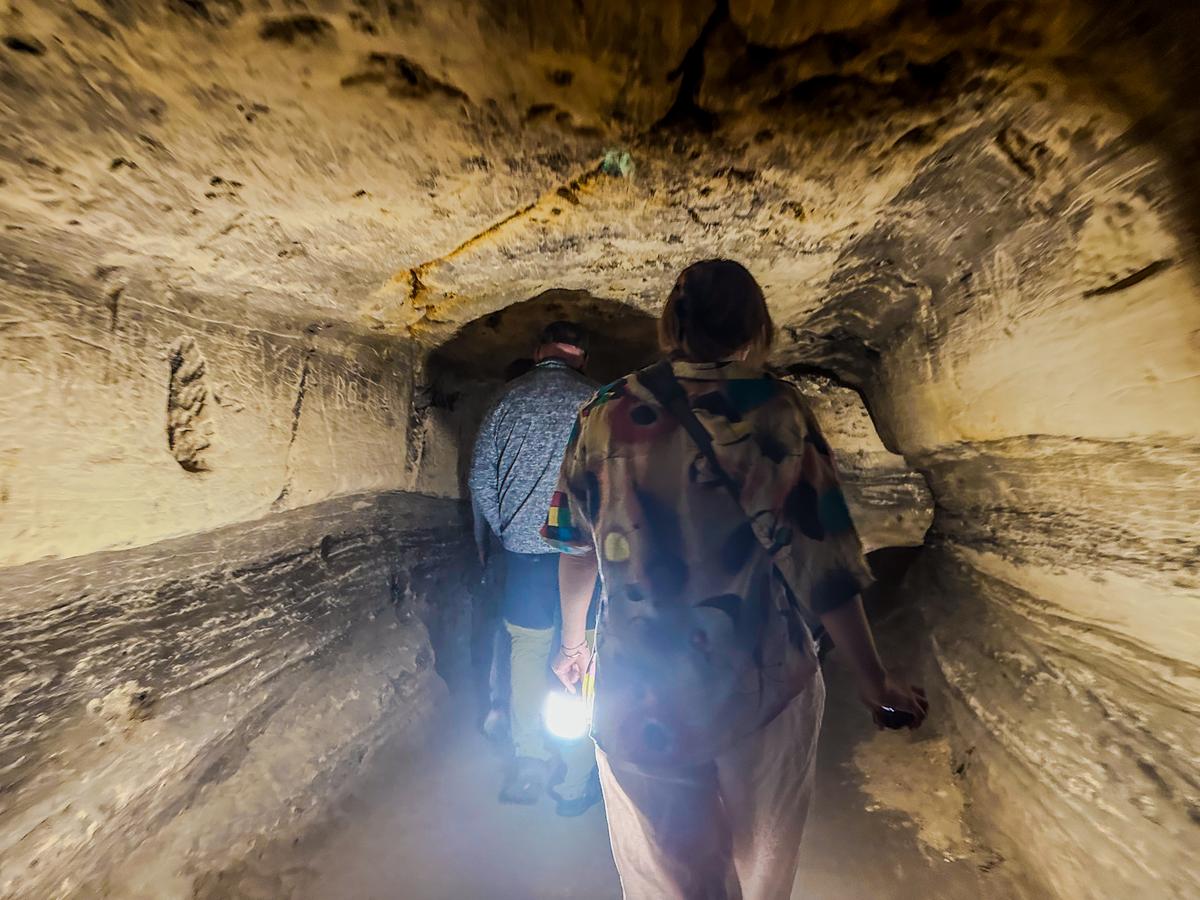
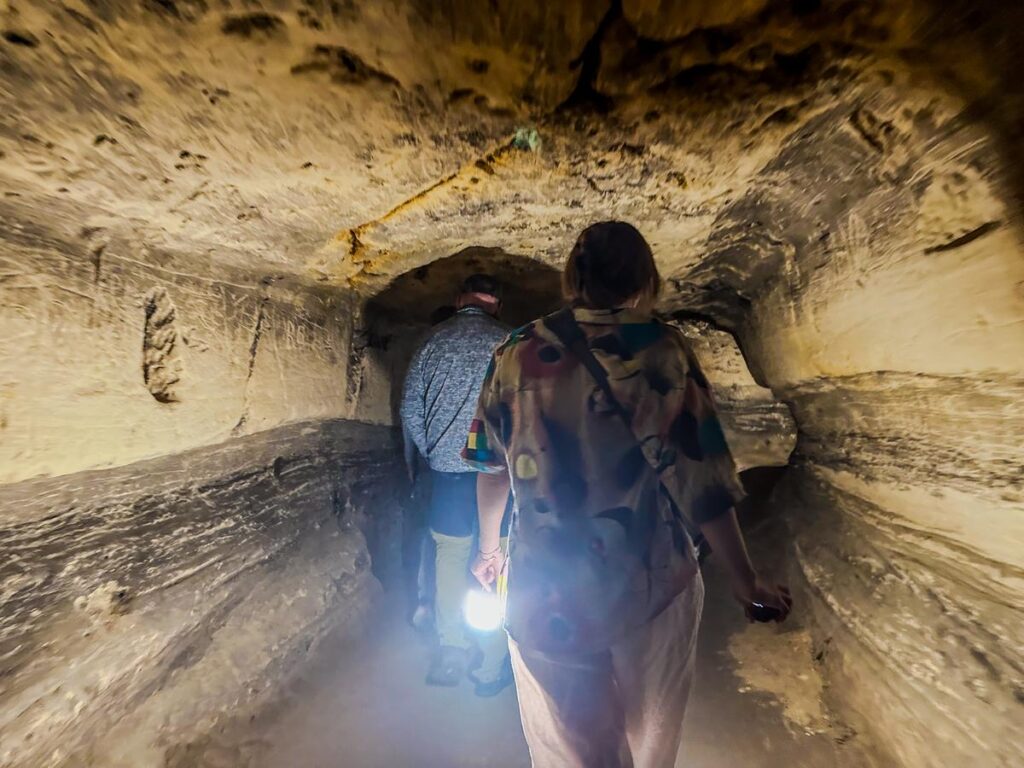
Beneath the historic streets of Maastricht lies a hidden labyrinth of man-made caves and tunnels carved from soft marlstone, creating one of Europe’s most fascinating subterranean complexes. The Maastricht Underground, also known as the North and South Caves (Noordelijk and Zuidelijk Gangenstelsel), comprises over 80 kilometers of tunnels originally created through centuries of limestone mining for building materials that constructed the city above. During guided tours by lantern light, visitors navigate a maze of narrow passages adorned with ancient charcoal drawings, inscriptions dating back to the 16th century, and remarkable sculptures carved directly into the soft stone walls. Throughout history, these caves served multiple purposes—from sheltering residents during wartime sieges to protecting priceless artwork (including Rembrandt’s “Night Watch”) from Nazi confiscation during World War II. The consistent 12°C temperature and atmospheric dimness create an otherworldly experience as guides reveal hidden chapels, forgotten wells, and stories of French Revolutionary troops, local resistance fighters, and even mushroom cultivation operations that found sanctuary in this underground realm. Beyond their historical significance, the caves represent an extraordinary geological and cultural treasure that continues to reveal new secrets about Maastricht’s rich and layered past beneath the visible city.
Cultural Context
The Maastricht Underground holds a deep cultural significance for the city and its inhabitants, serving as a testament to the ingenuity and resilience of the local population over centuries. These subterranean passages, carved from the soft marlstone beneath Maastricht, have been integral to the city’s identity, reflecting the long-standing relationship between the people and their environment. Traditionally, the caves were used for various purposes including shelter, storage, and even as secret meeting places during times of conflict. The underground network also plays a role in local folklore and communal memory, with stories passed down about its use during World War II when residents sought refuge from bombings. Today, the caves are celebrated during special cultural events and guided tours that highlight their historical and social importance, fostering a connection between modern Maastricht residents and their heritage. The underground is not only a physical space but a cultural symbol of Maastricht’s adaptability and historical continuity, bridging past and present through ongoing preservation and public engagement. This cultural resonance ensures that the Maastricht Underground remains a cherished site within the local community and an emblem of regional identity.
Historical Context
The Maastricht Underground has a rich historical background that spans several centuries, with its origins dating back to Roman times when the soft marlstone was first quarried for building materials. Over the Middle Ages and into the early modern period, the caves expanded significantly as marl was extracted to construct many of Maastricht’s iconic buildings. The underground labyrinth played a crucial role during the Eighty Years’ War (1568–1648) and later conflicts, serving as a refuge and strategic hideout. During World War II, the caves were used extensively by civilians to protect themselves from aerial bombings, highlighting their importance as a life-saving shelter. The tunnels also functioned as storage spaces for food and goods, contributing to the city’s economic resilience. In the 20th century, as quarrying ceased, the underground evolved into a historical monument, with preservation efforts beginning in the 1970s to protect this unique cultural heritage. Today, the Maastricht Underground stands as a living archive of the city’s layered history, encapsulating centuries of human activity, conflict, and survival beneath the bustling streets above.