Plan your visit with our complete Amsterdam travel guide featuring top sights, itineraries, and local travel tips.
A place worth knowing
Ripley’s Believe It or Not! Amsterdam
Five floors of bizarre artifacts, optical illusions, and interactive exhibits on Dam Square — oddball fun for all ages
Attractions · Museum in AmsterdamUpdated
- Google rating3.9/5
- Typical visit2-3 hours
- EntranceAdmission required — check https://www.ripleysamsterdam.nl/ for tickets

Why it matters
Five floors of bizarre artifacts, optical illusions, and interactive exhibits on Dam Square — oddball fun for all ages
A museum of the weird and wonderful located on Dam Square. It features five floors of oddities, interactive exhibits, and illusions, showcasing a collection of over 500 bizarre artifacts from around the world.
Story and significance
About
A museum of the weird and wonderful located on Dam Square. It features five floors of oddities, interactive exhibits, and illusions, showcasing a collection of over 500 bizarre artifacts from around the world.
Historical significance
Ripley’s Believe It or Not! Amsterdam represents a continuation of a global historical phenomenon that began with Robert Ripley’s early 20th-century efforts to document and display the world’s most unusual and extraordinary phenomena. The museum’s presence in Amsterdam is historically significant because it situates this tradition within a city that has long been a nexus of cultural exchange, exploration, and innovation. Historically, Amsterdam’s role as a major port and trading hub during the Dutch Golden Age fostered a spirit of curiosity and openness to new ideas, making it an appropriate setting for a museum devoted to the unusual and the extraordinary. Ripley’s museums have played an important role in popular culture by challenging conventional notions of normality and expanding public understanding of human diversity, natural wonders, and cultural oddities. The Amsterdam location thus contributes to this legacy by preserving and presenting artifacts that document human history’s more eccentric and lesser-known aspects. The institution also reflects broader trends in museum history, shifting from static displays to interactive and multimedia experiences that engage contemporary audiences. This evolution underscores the museum’s role in the history of public education and entertainment. By maintaining and expanding this tradition in Amsterdam, Ripley’s Believe It or Not! helps preserve an important cultural and historical dialogue about the limits of human knowledge and the fascination with the extraordinary.
Historical context
Ripley’s Believe It or Not! museums originated from the work of Robert Ripley, an American cartoonist and entrepreneur who began collecting oddities in the early 20th century. The first Ripley’s Odditorium opened in 1933, showcasing bizarre artifacts and stories from around the world. The Amsterdam location is part of a global network of museums that continue Ripley’s legacy of highlighting extraordinary human achievements and curiosities. Historically, Amsterdam has been a center for trade and cultural exchange since the Dutch Golden Age in the 17th century, making it a fitting location for a museum dedicated to global oddities. The city’s history as an international port and cultural melting pot complements Ripley’s mission to collect and display artifacts from diverse cultures and time periods. Over time, Ripley’s museums have evolved from simple curiosity cabinets to interactive and immersive experiences that incorporate modern technology alongside traditional exhibits. The Amsterdam museum continues this evolution by integrating multimedia displays and interactive elements that engage visitors in the stories behind each exhibit. This historical progression reflects broader trends in museum curation and public engagement, emphasizing education, entertainment, and cultural exchange. The museum’s establishment in Amsterdam underscores the city’s ongoing role as a crossroads of history, culture, and innovation.
Cultural context
Ripley’s Believe It or Not! Amsterdam presents a fascinating intersection of global curiosities and local Dutch culture, reflecting a broader human fascination with the unusual and extraordinary. The museum taps into a long-standing tradition of curiosity cabinets and oddity collections that date back to the Renaissance period, when collectors sought to display rare and exotic artifacts from around the world. In Amsterdam, a city historically known for its openness to diverse cultures and ideas, Ripley’s fits into the contemporary cultural landscape by celebrating the bizarre and the extraordinary, which resonates with the city’s reputation for creativity and tolerance. The museum also subtly engages with Dutch cultural practices surrounding storytelling, folklore, and the appreciation of the unusual, providing an entertaining yet educational experience that aligns with the Dutch penchant for wit and wonder. Visitors can experience a blend of global oddities while remaining rooted in Amsterdam’s vibrant cultural scene, making it a unique cultural venue that bridges local curiosity with international eccentricity. The museum’s exhibits often spark conversations about human diversity, creativity, and the limits of belief, reflecting broader cultural themes that are important in both Dutch society and the global community. This makes Ripley’s Believe It or Not! Amsterdam not only a place of amusement but also a cultural hub that invites reflection on the nature of curiosity and the human experience in a culturally sensitive manner.
Architecture
The architectural significance of Ripley’s Believe It or Not! Amsterdam lies primarily in its adaptive reuse of a historic building situated in the heart of the city. Housed within a classic Amsterdam canal house, the museum preserves the characteristic Dutch architectural elements such as tall, narrow facades, large windows, and ornate gables that date back to the 17th and 18th centuries. These buildings are emblematic of Amsterdam’s Golden Age architecture, reflecting the city’s mercantile wealth and urban development during that period. The museum’s interior has been thoughtfully renovated to accommodate modern exhibition requirements while respecting the building’s historic fabric. This includes the integration of contemporary lighting, climate control, and multimedia installations that enhance the visitor experience without compromising the structural integrity or aesthetic of the original design. The contrast between the historic exterior and the eclectic, modern interior exhibits creates a dynamic spatial dialogue that mirrors the museum’s thematic focus on blending the old with the unusual. The use of traditional brickwork, wooden beams, and period details combined with cutting-edge exhibit design exemplifies Amsterdam’s approach to heritage preservation—balancing conservation with innovation. Thus, Ripley’s museum stands as a testament to the city’s architectural heritage and its capacity to adapt historic spaces for contemporary cultural uses.
Local significance
Ripley’s Believe It or Not! Amsterdam holds a unique place within the local community as both a tourist attraction and a cultural curiosity that complements the city’s diverse entertainment landscape. While it primarily appeals to visitors seeking unconventional experiences, it also contributes to the local economy by attracting families, school groups, and curious residents interested in exploring the unusual aspects of human culture and natural phenomena. The museum has become a part of Amsterdam’s identity as a city that embraces the eclectic and the extraordinary, reflecting the local spirit of openness and creativity. For locals, Ripley’s offers an accessible venue for learning and amusement that differs from traditional museums, providing a playful yet informative environment that encourages curiosity and critical thinking. The presence of Ripley’s also supports local businesses in the surrounding area, including cafes, shops, and other cultural institutions, fostering a vibrant neighborhood atmosphere. Moreover, the museum occasionally participates in community events and educational programs, reinforcing its role as a cultural partner within Amsterdam. While not rooted in local folklore or traditions, Ripley’s contributes to the city’s narrative as a place where global stories and oddities converge, enriching the cultural fabric and inspiring both locals and visitors to appreciate the diversity and strangeness of the world around them.
Make the most of it
Local tips
- Check for combo tickets with nearby attractions
- Special exhibitions require separate tickets
- Gift shops have unique souvenirs
- Late night openings often have unique events
- Members get free entry and skip lines
- Museum cafes often serve quality local food
- Visit during weekdays for fewer crowds
Hidden gems nearby
- Staff recommendations for must-see pieces
- Lesser-known wings have remarkable collections
- Archive rooms sometimes open for special tours
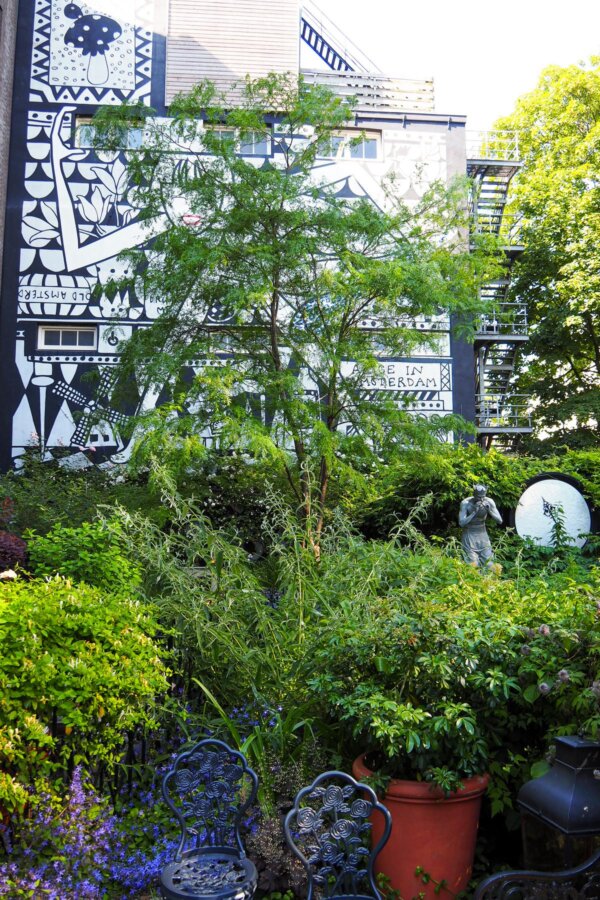
- Hidden courtyards perfect for photos
- Free guided tours at specific times
- Secret passages between galleries
- Rooftop terraces often have great city views
Special features
- Ripley's Believe It or Not! Amsterdam is distinguished by its extensive and eclectic collection of over 500 exhibits that range from the bizarre and supernatural to the scientifically intriguing. Among its most notable features are the interactive elements that allow visitors to engage directly with the exhibits, such as optical illusions, shrunken heads, and artifacts from unusual cultures around the world. The museum showcases rare items like a two-headed calf, a replica of the world’s smallest car, and an extensive collection of unusual human feats and oddities, which are presented with detailed narratives that explain their origins and significance. Another special feature is the use of immersive technology, including augmented reality and multimedia presentations, which bring the stories behind the objects to life in a compelling way. The museum’s layout encourages exploration and discovery, with themed rooms dedicated to different categories of oddities such as natural wonders, human curiosities, and cultural artifacts. This thematic organization helps visitors contextualize the exhibits within broader human experiences and scientific phenomena. Additionally, the museum frequently updates its collection with new acquisitions and temporary exhibits, ensuring that repeat visitors always encounter something fresh and surprising. These unique characteristics make Ripley’s Believe It or Not! Amsterdam a standout attraction that combines education, entertainment, and wonder in a singular experience.
How we rate it
Authenticity5/10
Accessibility score8/10
Family-friendly score9/10
Off-the-beaten-path3/10
Editorial scores on a 10-point scale, judged against places of the same kind.
Worth booking ahead in Amsterdam
Hand-picked from the operators our guides already send readers to. Prices and availability are live on the partner site.
Timed ticketGetYourGuide
Van Gogh Museum timed-entry ticket (opens GetYourGuide in a new tab)
The museum sells timed slots online only, so book the hour first and plan the rest of the day around it.
Guided tourGetYourGuide
Life of Anne Frank and Jewish Quarter walking tour (opens GetYourGuide in a new tab)
The house itself sells tickets only through its own site; this walk covers the Jewish Quarter and the story around it.
CruiseGetYourGuide
Pancake Boat: 75-minute IJ river cruise (opens GetYourGuide in a new tab)
A 75-minute cruise on the IJ with unlimited Dutch pancakes on board; the easiest boat trip to sell to children.
Where to stayBooking.com
Stays in Amsterdam (opens Booking.com in a new tab)
Live rates and availability for Amsterdam on Booking.com; filter by neighbourhood once you know where your days start.
We earn a commission if you book through these links, at no extra cost to you. It is how we keep the guides free and independent.








Where to find it
- Address
- Dam 21, 1012 JS Amsterdam, Netherlands
- Map
- Open map ↗ Directions ↗ Verified location
- Coordinates
- 52.3734, 4.8927
- Phone
- +31 20 638 0090
- Destination
- Amsterdam