Cultural Context
St. Stephen’s Cathedral in Passau holds profound cultural significance as a central place of worship and community gathering in the Bavarian region. It serves as the seat of the Catholic Bishop of Passau and plays a vital role in local religious traditions, including the celebration of major liturgical events such as Easter, Christmas, and the Feast of St. Stephen, the cathedral’s patron saint. The cathedral is also a focal point for the annual Passau Cathedral Festival, which features sacred music performances that honor the region’s rich ecclesiastical heritage. Its role extends beyond religious functions, acting as a venue for concerts, particularly organ recitals, that attract both locals and visitors. These musical traditions are deeply embedded in the cultural identity of Passau, reflecting the city’s historical position as a crossroads of German, Austrian, and Czech influences. The cathedral’s presence reinforces a shared sense of history and spirituality, fostering community cohesion through centuries-old customs and contemporary cultural expressions. Its ongoing use for religious ceremonies and cultural events underscores its living heritage within the local population. The cathedral’s influence on local customs and celebrations continues to be a cornerstone of Passau’s cultural landscape, making it an indispensable part of the city’s identity and communal life.Historical Context
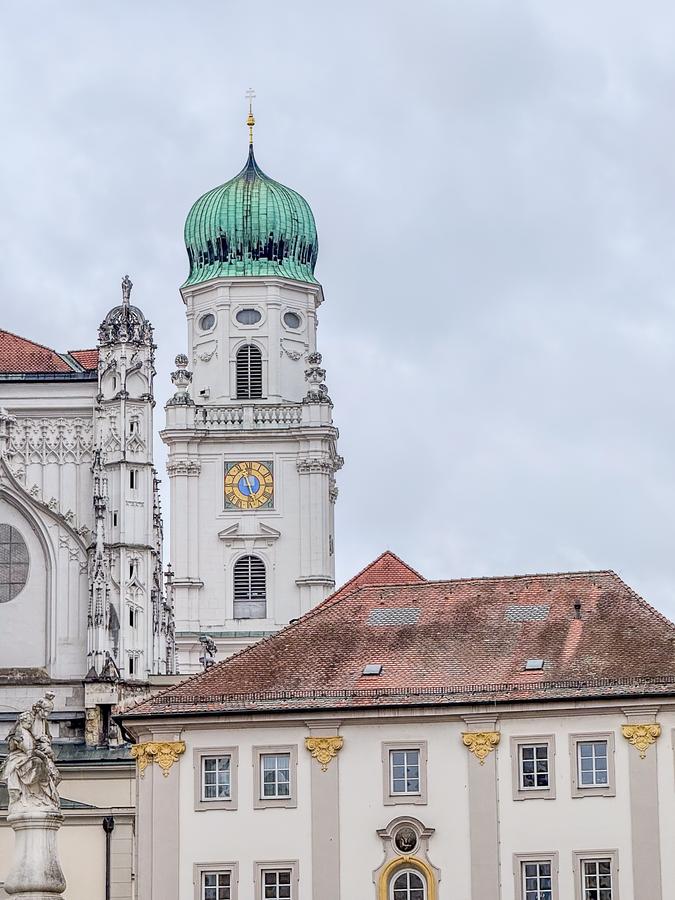
St. Stephen’s Cathedral in Passau has a rich historical narrative that spans over a millennium, marking it as a significant religious and architectural landmark in Bavaria. The original church on this site was established in the 8th century, reflecting the early Christianization of the region. The current Baroque structure was constructed after a devastating fire in 1662 destroyed much of the previous Gothic cathedral. The rebuilding was commissioned by Prince-Bishop Leopold I and carried out between 1668 and 1693 under the direction of Italian architects Giovanni Battista Carlone and Carlo Lurago. This reconstruction symbolized the Catholic Counter-Reformation’s influence, emphasizing grandeur and artistic expression to inspire the faithful. Throughout its history, the cathedral has witnessed numerous significant events, including the shifting political landscapes of the Holy Roman Empire and the region’s integration into modern Germany. Prominent historical figures associated with the cathedral include Prince-Bishop Johann Philipp von Lamberg, who oversaw later renovations, and the renowned organ builder Joseph Gabler, whose masterpiece organ was installed in the 18th century. The cathedral’s evolution reflects broader historical currents, from medieval ecclesiastical power to Baroque artistic flourishing, making it a living testament to the religious and political history of Passau and southern Germany.Plan your visit with our complete Austria travel guide featuring top sights, itineraries, and local travel tips.