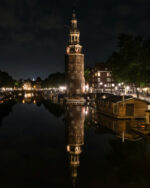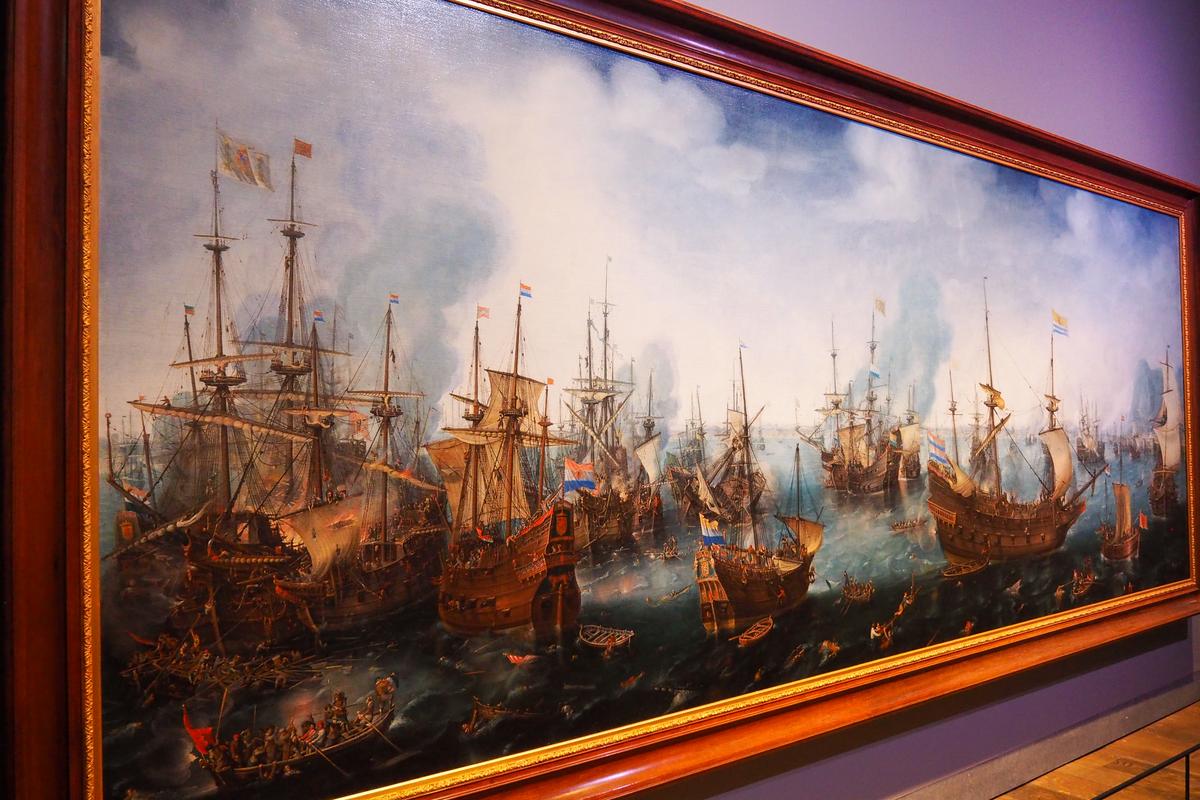
The National Maritime Museum in Amsterdam (Het Scheepvaartmuseum) invites visitors to voyage through 500 years of Dutch maritime history within the magnificent 17th-century Arsenal. Housed in a meticulously restored former naval storehouse from 1656, this cultural treasure trove showcases over 400,000 artifacts that reveal the profound connection between the Netherlands and the sea. From intricate ship models and ancient navigation instruments to stunning maritime paintings and rare maps, the collection illuminates how maritime prowess shaped Dutch identity and global influence. The museum’s crown jewel is the full-sized replica of an 18th-century Dutch East India Company ship anchored alongside the building. With its blend of historical reverence and interactive modern displays, including virtual reality experiences and hands-on exhibits for children, the museum bridges past and present, demonstrating how the Netherlands’ maritime legacy continues to navigate contemporary waters.
Cultural Context
The National Maritime Museum in London plays a vital role in preserving and presenting the rich maritime heritage that has shaped British cultural identity for centuries. Maritime traditions have been integral to the United Kingdom’s development, influencing its language, folklore, and social customs. The museum celebrates the seafaring life, naval exploration, and the global connections forged through British naval power and trade. Exhibits often highlight the lives of sailors, shipbuilders, and explorers, offering insights into the cultural practices aboard ships, such as navigation techniques, maritime superstitions, and the importance of naval ceremonies. The museum also engages with contemporary cultural expressions related to the sea, including art, literature, and music inspired by maritime themes. Annual events and educational programs often coincide with traditional maritime celebrations such as Trafalgar Day and Remembrance Sunday, reinforcing the ongoing cultural significance of the sea in British life. By exploring the museum, visitors gain a deeper understanding of how maritime history continues to influence British cultural identity and community traditions today.
Historical Context
Established in 1934, the National Maritime Museum in London is part of the Royal Museums Greenwich and serves as a repository for over 2 million objects related to Britain’s naval and maritime history. The museum’s collections span from the Tudor period to the present day, highlighting key historical events such as the Age of Discovery, the Napoleonic Wars, and the British Empire’s expansion through naval dominance. Important historical figures featured include Admiral Horatio Nelson, whose victory at the Battle of Trafalgar in 1805 is a cornerstone of British naval history. The museum’s archives also document the evolution of shipbuilding, navigation technology, and maritime trade routes. Throughout its history, the museum has expanded its focus to include not only military and imperial maritime history but also social and economic aspects, such as the lives of ordinary sailors and the impact of maritime commerce on global history. The museum’s ongoing research and exhibitions continue to shed light on Britain’s complex relationship with the sea and its role in shaping modern global history.