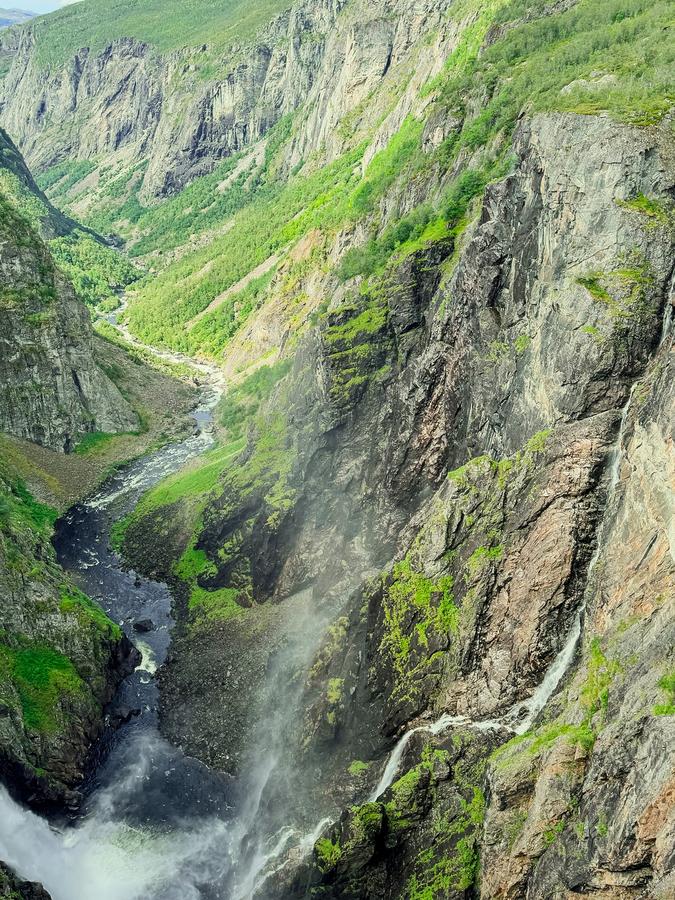
A 182-meter cascade plunging into the Mabodalen valley, Norway's most visited waterfall with a dramatic new stepped viewing platform
- Universal Appeal and Cultural Authenticity
- The breathtaking natural beauty has universal appeal, making it a favorite for locals and tourists.
- While not deeply rooted in cultural practices, the waterfall complements the cultural landscape of Norway’s natural heritage.
- Scenic views and the occasional rainbow add to the enchanting experience.
- Cultural Richness and Educational Value
- The location is rich in natural history but offers limited educational content related to cultural or historical narratives.
- A historical shop from the past would have added to the cultural richness but is no longer available.
- Great spot for nature enthusiasts to learn about geological formations and ecosystems.
- Preservation and Integrity
- Well-maintained pathways and safety features ensure the waterfall remains accessible while preserving its natural state.
- Environmental preservation efforts are evident, minimizing human impact.
- Concerns about litter highlight the need for ongoing attention to visitor behavior and environmental responsibility.
- Accessibility and Visitor Engagement
- Multiple parking areas and well-constructed steps make the site easily accessible for all age groups.
- The presence of viewpoints and a bridge enhances visitor engagement with the landscape.
- Opportunities for hiking and photography add interactive elements to the visit.
- Minor inconveniences like tunnel repairs highlight occasional accessibility issues for travelers.
Vøringsfossen Review: A Breathtaking Norwegian Waterfall Adventure
History and Significance
You might be surprised to learn that
Vøringsfossen wasn’t always the famous tourist spot it is today. In the 1800s, this thundering waterfall was unknown to anyone outside the local area. It wasn’t until the 1820s that it started to get some attention.
A big moment came in 1821 when Thomas Fearnley painted the falls. His artwork helped put Vøringsfossen on the map. After that, more and more people started coming to see it.
By the late 1800s, Vøringsfossen had become a must-see for Norway tourists. It was even featured in travel guides, a big deal back then.
What makes Vøringsfossen so special? Well, it’s not just about the water. The falls are tied to Norwegian folklore and have inspired artists for generations. When you visit, you’re not just seeing a waterfall – you’re experiencing a piece of Norway’s cultural heritage.
Main Attractions and Activities
You’ll find plenty to see and do at Vøringsfossen. The star of the show is the waterfall itself, plunging dramatically 182 meters into the Måbødalen Valley. It’s a sight that’ll take your breath away!
Head to the new bridge, which opened in 2020, for the best views. With 99 metal steps spanning the gorge, it offers an up-close and thrilling perspective of the falls. Don’t forget your camera—the photo ops are incredible.
If you’re up for a hike, trails lead down to the base of the falls. It’s a steep climb back up, but totally worth it to feel the mist on your face.
For a more relaxed experience, stop by the visitor center. There, you can learn about the area’s history and geology while enjoying panoramic views from the comfort of your own home.
In summer, you might catch sight of kayakers braving the rapids below the falls. It’s not for the faint-hearted, but it’s exciting to watch!
Visitor Experience
You’re in for a treat at Vøringsfossen! As you approach, the thundering roar of water fills the air. The new bridge gives you an up-close view that’ll make your heart race. Stand there and feel the mist on your face – it’s exhilarating!
Crowds can get busy in summer, so try visiting early or late in the day. You’ll have more space to soak in the breathtaking scenery. The staff are friendly and happy to answer questions. They might even share some local legends about the falls.
Don’t forget to look around. The surrounding landscape is just as stunning as the waterfall itself. You can take a short hike to different viewpoints. Each one offers a new perspective on this natural wonder.
Bring a camera, but take time to simply stand in awe. The sheer power of Vøringsfossen is something you need to experience firsthand. It’s a moment you’ll remember long after you’ve gone home.
Tips for Visitors
Trust me, you’ll want to beat the crowds at Vøringsfossen. I’ve learned the hard way that early mornings or evenings are best, especially in July and August. Aim for May-June or September-October for fewer people and still impressive water flow.
Don’t forget sturdy shoes – the paths can get slippery! A raincoat’s a good idea, too, as you might catch some spray.
Tickets are around 41 dollars if you buy them outside the info building. You can save a few bucks by skipping the guided tour and exploring on your own. It takes about 30 minutes to reach the falls.
If you’re visiting during peak season, book in advance online. Some hotels offer package deals that include tickets, so look for those.
Oh, and bring your camera! The views are stunning, especially from the viewpoints near the bridge. Just don’t cross it – the best shots are from this side.
Accessibility and Facilities
Vøringsfossen is pretty easy to access, even if you have mobility issues. A paved path leads to the main viewing platform, and it’s wheelchair-friendly. Just keep in mind that some of the other trails can be a bit steep and uneven.
As for facilities, you’re in luck! There’s a decent-sized parking lot right near the entrance. It can get crowded on busy days, so try to arrive early.
Need a bathroom break? No worries! Clean, well-maintained, and accessible restrooms are available near the visitor center.
Feeling peckish? You’ll find a small café serving up snacks and drinks. It’s nothing fancy, but it’ll hit the spot after your waterfall adventure.
One personal tip: bring a jacket, even on warm days. The spray from the falls can make it chilly up close. And don’t forget your camera – the views are stunning!
Unique Features
You’ll be blown away by Vøringsfossen’s jaw-dropping 182-meter plunge into the Måbødalen Valley. It’s not just the height that’ll amaze you – it’s the sheer power of 12,000 liters of water crashing down every second. The roar is deafening!
But here’s the real showstopper: the new footbridge that opened in 2020. Picture this: you’re standing on a metal bridge with 99 steps, spanning the chasm right above the falls. The views are mind-blowing, and you’ll feel floating above the cascade.
I’ll never forget my first time crossing that bridge. My legs were shaky, but the thrill was incredible. You can see the mist rising and feel the spray on your face. It’s an experience you won’t find at many other waterfalls.
Don’t miss the chance to view Vøringsfossen from different angles. There are several viewpoints around the area, each offering a unique perspective on this natural wonder.
Best Time to Visit
- Summer Months (June to August): Ideal for experiencing the waterfall in full flow, with lush surroundings and the possibility of rainbows in the mist.
- Early Mornings or Late Afternoons: Fewer crowds, allowing for a more serene experience and better opportunities for photography.
- After Rainfall: Visiting after a rain shower enhances the waterfall’s volume and often creates stunning rainbows, adding to the visual appeal.
Overall Impressions
Vøringsfossen will take your breath away. As you approach, the thunderous roar of water grows louder. Then, you see a majestic 182-meter waterfall plunging into the valley below. It’s an awe-inspiring sight you won’t soon forget.
The new footbridge gives you a thrilling vantage point. Walking across, you’ll feel the mist on your face and the power of nature beneath your feet. Just don’t look down if you’re afraid of heights!
The surrounding scenery is equally stunning. Rugged mountain peaks and lush greenery frame the falls perfectly. You could spend hours just looking at the views.
Be sure to visit both the upper and lower viewing areas. Each offers a unique perspective on the falls’ grandeur.
While it can get crowded in peak season, Vøringsfossen is worth a visit. The raw beauty and sheer scale will leave you feeling humbled and inspired. You’ll walk away with amazing photos and memories to last a lifetime.
Pros and Cons
Let’s dive into the ups and downs of visiting Vøringsfossen, one of
Norway’s most famous waterfalls. You’ll want to weigh these before planning your trip:
Pros:
• Breathtaking views of the 182-meter waterfall
• New footbridge for a thrilling perspective
• Easy access from the scenic Route 7
• Close to Eidfjord for convenient lodging
• Impressive roar of 12,000 liters per second
Cons:
• Can get crowded during peak tourist season
• Weather-dependent experience
• Limited facilities at the site
• Parking can be challenging on busy days
• Some may find the footbridge scary
You’ll love the sheer power of Vøringsfossen as it crashes into the valley below. The sound alone is worth the trip! And that new footbridge? It’s a game-changer for getting up close and personal with the falls.
But keep in mind, Mother Nature calls the shots here. If you visit on a rainy day, you might not get those picture-perfect views you’re hoping for. And if crowds aren’t your thing, try to avoid the busiest summer months.
Remember to wear good shoes and bring a camera. You’ll want to capture every angle of this natural wonder. Just be prepared for a walk from the parking area – it’s all part of the adventure!