MenuClose

A place worth knowing

Washington Park

Parks · Park in DenverUpdated

  • Google rating4.5/5 (10,000 reviews)
  • Typical visit2-4 hours, longer for active recreation or multiple activities.
  • EntranceFree
Portland Washington Park Scenery
  • Today (Monday)5:00 AM – 11:00 PM
  • Typical visit2-4 hours, longer for active recreation or multiple activities.
  • EntranceFree
  • Google rating4.5/5 10,000 reviews
  • WebsiteOfficial site ↗
  • TicketsCheck availability ↗
Opening hours all week
Monday
5:00 AM – 11:00 PM
Tuesday
5:00 AM – 11:00 PM
Wednesday
5:00 AM – 11:00 PM
Thursday
5:00 AM – 11:00 PM
Friday
5:00 AM – 11:00 PM
Saturday
5:00 AM – 11:00 PM
Sunday
5:00 AM – 11:00 PM
The short answer

Why it matters

A beloved 165-acre Denver park with two lakes, flower gardens, a recreation centre, and a 2.6-mile loop trail popular for running, cycling, and volleyball in one of the city's most sought-after neighbourhoods.

Washington Park in Broward County, Florida, offers a peaceful suburban park experience with green spaces perfect for family recreation. This community park features open lawns, walking paths, and recreational facilities that serve the local Fort Lauderdale area residents and visitors seeking outdoor relaxation in South Florida.

Cultural Context

Washington Park in Tokyo is a cherished urban green space that reflects the Japanese cultural reverence for nature and seasonal change. The park is a popular site for hanami, the traditional custom of enjoying cherry blossoms in spring, where locals gather to celebrate the fleeting beauty of sakura with picnics and communal festivities. Beyond hanami, the park serves as a venue for seasonal festivals, including autumn foliage viewing and traditional tea ceremonies held in its quiet garden areas. The park’s design incorporates elements of Japanese garden aesthetics, emphasizing harmony between natural and human-made features, which resonates with local cultural practices valuing balance and tranquility. It is also a place where families engage in customary weekend activities such as kite flying and practicing martial arts, reflecting the integration of cultural traditions into everyday life. Washington Park thus acts as a living cultural landscape, fostering community bonds and preserving customs that are central to Tokyo’s urban identity. Visitors can observe and sometimes participate in these cultural expressions, gaining insight into the local way of life and its deep connection to nature’s cycles. The park’s role in sustaining and showcasing Tokyo’s cultural heritage remains vital to both residents and travelers alike.

Historical Context

Washington Park in Tokyo has a rich historical background that dates back to the early 20th century when urban planners sought to create green spaces to improve the quality of life amid rapid industrialization. Originally part of a larger estate, the land was transformed into a public park in the 1920s during the Taisho period, a time marked by modernization and a growing appreciation for Western-style public amenities. The park’s development was influenced by both Japanese garden traditions and Western landscape architecture, reflecting Japan’s complex cultural exchanges during this era. During World War II, the park suffered damage but was restored in the postwar period as part of Tokyo’s broader efforts to rebuild and promote public welfare. Over the decades, Washington Park has witnessed numerous historical events, including community gatherings during times of social change and recovery. It has also been a site for cultural preservation amid Tokyo’s urban expansion, symbolizing the city’s resilience and commitment to green urban spaces. The park’s history is intertwined with Tokyo’s transformation from a traditional city to a global metropolis, making it a significant landmark in understanding the city’s evolution throughout the 20th century and beyond.

Plan your visit with our complete Denver travel guide featuring top sights, itineraries, and local travel tips.

Context

Story and significance

About

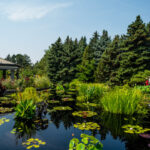
Washington Park, nestled in the heart of Denver, CO, embodies the perfect marriage of urban serenity and recreational bliss. This largely residential area is anchored by its lush namesake park, a sprawling green haven where formal flower gardens bloom in harmony with nature’s palette. With sport facilities, and trails designed for both cycling and jogging, it’s a sanctuary for those seeking active relaxation.

The scenic elegance of the boathouse overlooking Smith Lake invites kayakers and anglers alike, offering a picturesque backdrop for waterside adventures. Venturing east, Old South Gaylord Street comes alive with chic boutiques, galleries, and a vibrant dining scene, making Washington Park a distinguished destination where the essence of Denver’s dynamic culture and tranquil beauty converge.

Historical significance

Washington Park is historically important as an example of Denver’s civic planning and the City Beautiful-influenced park movement that sought to improve urban life through green space. It has been the setting for community gatherings and everyday recreation for generations, contributing to neighborhood character and public health. The park is valued by preservationists and residents as a longstanding civic amenity.

Historical context

Washington Park was developed in the late 19th and early 20th centuries as part of Denver’s park movement, transforming former lowland and water features into a planned urban green space. Over time the park’s layout and plantings were refined to create formal gardens, lagoons and recreational facilities. Its evolution mirrors broader municipal efforts to provide parkland during a period of urban expansion.

Cultural context

Washington Park (often called Wash Park) is one of Denver’s most beloved urban parks and a focal point for recreation, socializing and neighborhood life. Locals use its lakes, paths and open lawns for jogging, cycling, picnics and seasonal activities like community runs and festivals. The park anchors a historic residential neighborhood and is integral to Denver’s outdoor culture.

Architecture

The park’s significance lies in landscape architecture rather than monumental buildings: designed promenades, formal flowerbeds, lagoons, and tree-lined avenues create picturesque vistas typical of early-20th-century urban park design. Park structures such as boathouse-like buildings, shelters and historic entrances support recreational use without dominating the landscape. Mature plantings and planned sightlines shape the visitor experience.

Local significance

Washington Park (Wash Park) is one of Denver’s most important neighborhood parks, central to daily life for nearby residents who use its lakes, paths and athletic fields for walking, running, biking and socializing. The park anchors community identity for the surrounding neighborhoods, hosting informal gatherings, picnics and seasonal events that bring diverse residents together. Its green space and historic layout contribute to local quality of life, serving as a key place for recreation, dog-walking and family outings in the city.

Updated Data: Editorial research · Google Places ratings · Verified coordinates