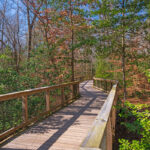
Charleston is easiest to plan when you combine its walkable historic peninsula with one major history site and one coastal, garden, or Mount Pleasant excursion. First-time visitors should prioritize Rainbow Row and The Battery, Fort Sumter, the International African American Museum, Waterfront Park, Charleston City Market, and either Sullivan’s Island, Patriots Point, or one of the Ashley River Road gardens.
Two full days cover the core attractions without turning the trip into a checklist. With three days, you can add a beach, a garden, or the Johns and Wadmalaw Island route. Downtown is compact and served by the free DASH shuttle; a car is most useful for beaches, gardens, and island attractions.
Last verified: August 3, 2026. Hours, prices, ferry schedules, beach rules, and tour availability can change. Check the linked official site before leaving.
Disclosure: ViaTravelers may earn a commission from qualifying bookings at no extra cost to you. Recommendations are based on visitor fit, logistics, and current official information.

Charleston quick picks
| Trip goal | Best choice | Time to allow | Cost |
|---|---|---|---|
| First Charleston visit | Historic District walk and Fort Sumter | One day | Mixed |
| African American and Gullah Geechee history | International African American Museum and McLeod Plantation | One day | Ticketed |
| Free sightseeing | Waterfront Park, Rainbow Row, The Battery, and White Point Garden | Two to four hours | Free |
| Charleston with kids | South Carolina Aquarium and Children’s Museum of the Lowcountry | Four to six hours | Ticketed |
| Beach day | Sullivan’s Island for a quieter beach, Folly Beach for surfing and a livelier center | Half or full day | Free access; parking varies |
| Rainy or very hot day | Gibbes Museum, Charleston Museum, or South Carolina Aquarium | Half day | Ticketed |
| Evening activity | Food tour, Black Fedora, Dock Street Theatre, or Charleston Music Hall | Two to three hours | Ticketed |
For lodging, compare neighborhoods in our guide to where to stay in Charleston. The French Quarter and lower peninsula are best for walking; Mount Pleasant makes Sullivan’s Island and Patriots Point easier.
Plan Charleston by area
- Historic peninsula: Rainbow Row, The Battery, White Point Garden, Waterfront Park, Charleston City Market, Old Slave Mart Museum, Old Exchange, Gibbes Museum, and the historic houses.
- Liberty Square: Fort Sumter ferry departures, the International African American Museum, and South Carolina Aquarium are close enough to combine.
- Mount Pleasant: Patriots Point, Shem Creek, the Ravenel Bridge path, and Sullivan’s Island work well together.
- Ashley River Road: Middleton Place and Magnolia Plantation and Gardens are both substantial visits. Choose one if you have only two days.
- Johns and Wadmalaw Islands: Pair Angel Oak with Charleston Tea Garden when you have a car and at least half a day.
- Beach day: Pick Sullivan’s Island, Folly Beach, or Kiawah rather than trying to visit all three in one day.
Charleston experiences worth booking ahead
Fort Sumter ferries, popular history tours, carriage rides, food tours, and limited-capacity garden transportation can sell out. Reserve the activity that anchors your day, then keep nearby parks and streets flexible.
Historic District and Charleston Harbor
1. Walk Rainbow Row, The Battery, and White Point Garden
Best for: First-time visitors, photography, architecture, and free sightseeing
Allow: Two to three hours
Cost: Free
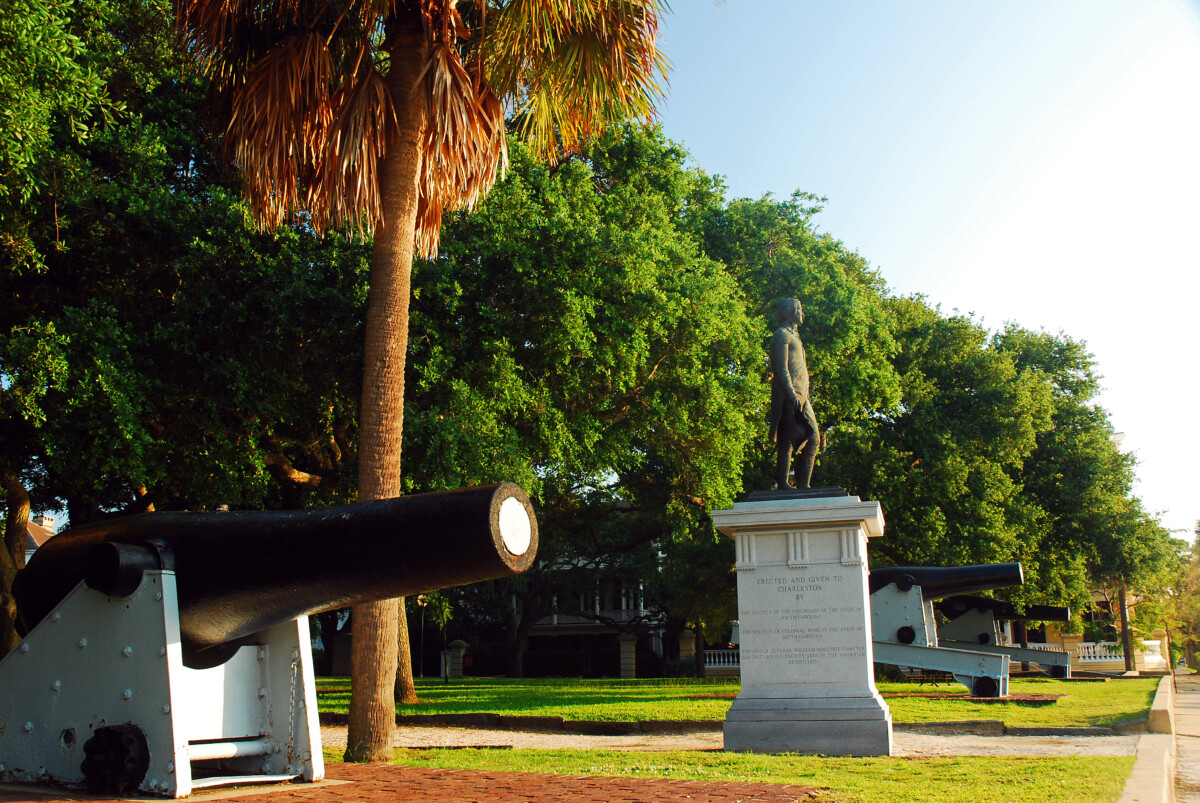
Start at Waterfront Park, follow East Bay Street past the 13 pastel houses of Rainbow Row, and continue south toward The Battery and White Point Garden. The route brings together Charleston’s harbor views, Georgian and Federal-era architecture, live oaks, historic monuments, and some of the city’s most recognizable streets.
Rainbow Row consists of private residences, so stay on the public sidewalk and avoid blocking entrances. White Point Garden has shade and benches, making it a useful rest stop before walking back through South of Broad. Early morning gives you cooler temperatures and fewer tour groups.


2. Take a Charleston history walking or carriage tour
Best for: Understanding the streets and buildings you will see later
Allow: About two hours
Cost: Ticketed
A guided tour is most useful on your first morning. Walking tours can enter narrow lanes, stop for detailed explanations, and focus on subjects such as architecture, African American history, food, churches, or the Civil War. Carriage tours reduce the amount of walking and can be more comfortable for travelers with limited mobility, though exact routes can vary.
Compare our guides to Charleston walking tours and Charleston carriage tour options before choosing an operator.


3. Visit Fort Sumter National Historical Park
Best for: Civil War history and harbor views
Allow: About two and a half hours, including the ferry
Cost: The federal site is free; the authorized ferry is ticketed
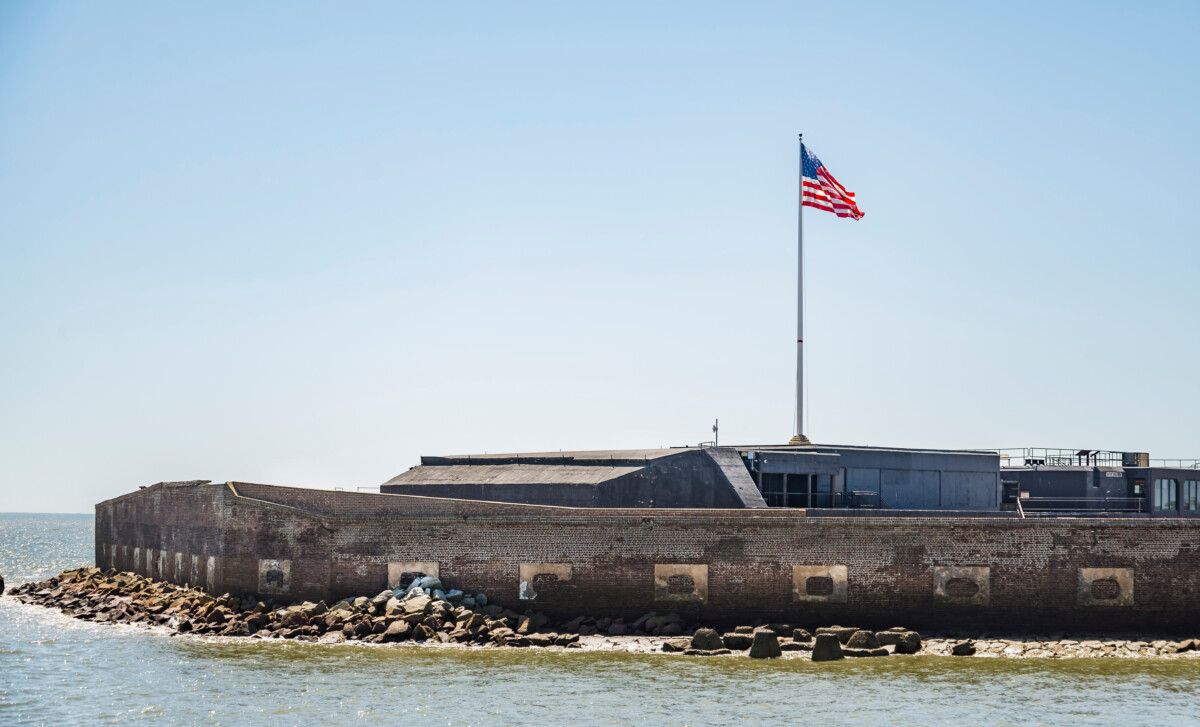
Fort Sumter stands on an island at the entrance to Charleston Harbor, where Confederate artillery opened fire on the federal garrison on April 12, 1861. Exhibits and ranger interpretation explain the events leading to the Civil War, the battles for Charleston Harbor, and the fort’s changing military role.
Private boats cannot land at the fort. National Park Service-authorized ferry service departs from Liberty Square and Patriots Point. Reserve ahead, arrive before boarding time, and bring water in warm weather. The Liberty Square visitor center is free to enter even if you do not take the ferry.
4. Visit the International African American Museum
Best for: African American history, genealogy, and understanding Charleston in national context
Allow: Two to three hours
Cost: Ticketed; timed entry recommended
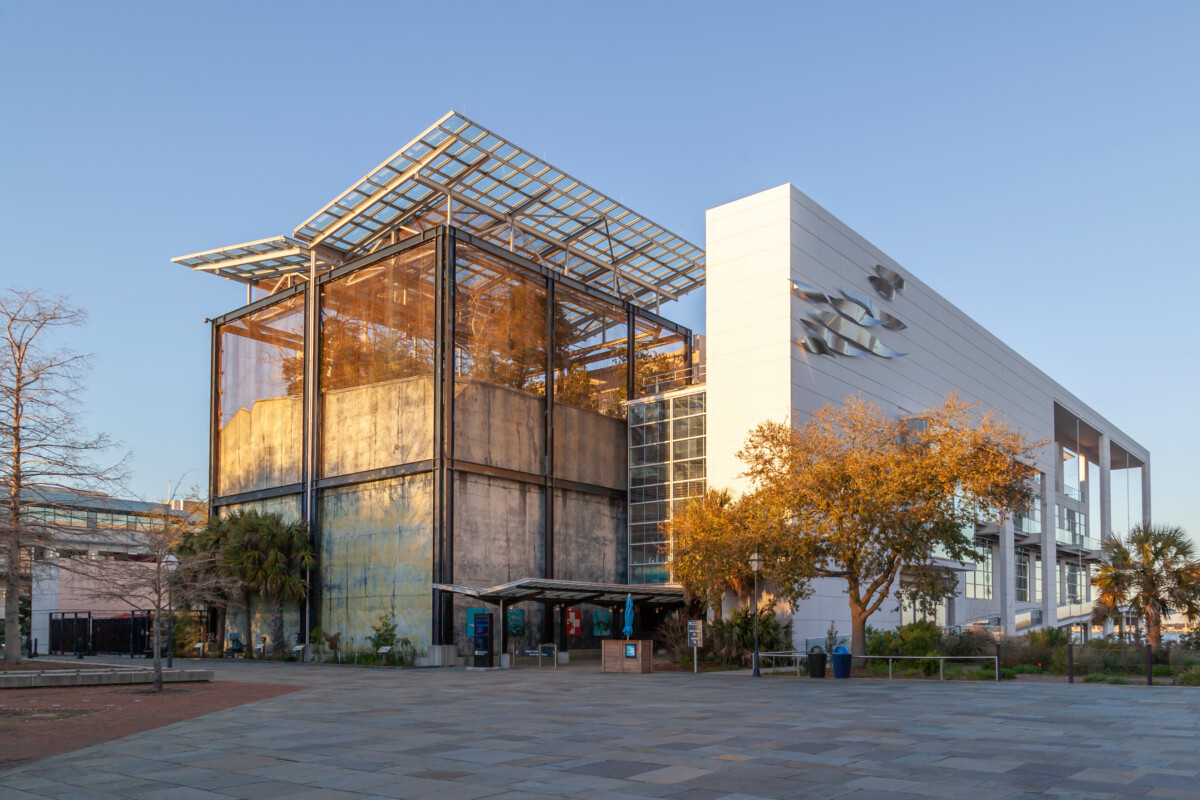
The International African American Museum stands at Gadsden’s Wharf, a major point of arrival for enslaved Africans brought to North America. Its galleries cover African origins, the Atlantic slave trade, South Carolina, Gullah Geechee culture, resistance, emancipation, civil rights, and contemporary life.
Leave time for the African Ancestors Memorial Garden beneath and around the museum. The garden can be meaningful even for travelers who cannot complete every gallery. The museum is closed on Mondays, and Sunday hours start later than the rest of the week. Check current IAAM hours and timed tickets before building your Liberty Square itinerary.
5. Relax at Joe Riley Waterfront Park
Best for: A free break, harbor views, and families
Allow: Thirty to sixty minutes
Cost: Free
Waterfront Park runs along the Cooper River and includes shaded paths, lawns, a pier with swinging benches, and the Pineapple Fountain. It is an easy starting point for a walk toward Rainbow Row or a convenient break after City Market.
Children often play in permitted fountain areas during warm weather, so bring a change of clothes if that is part of the plan. Sunrise and early evening provide softer light and cooler conditions than the middle of a summer day.

6. Browse Charleston City Market
Best for: Local crafts, sweetgrass baskets, and a shaded downtown stop
Allow: Forty-five to ninety minutes
Cost: Free to enter
Charleston City Market occupies a series of sheds extending from Meeting Street toward East Bay Street. The land was set aside for a public market in 1788, the sheds were built during the early 1800s, and Market Hall was completed in 1841. It is separate from the Old Slave Mart Museum on Chalmers Street.
Look for certified local crafts and sweetgrass baskets made by Gullah artisans. Buying directly from a maker gives you a chance to understand the material, labor, and design behind the piece. The Day Market currently operates daily, while the seasonal Night Market runs on Friday and Saturday evenings from March through December.

7. See native wildlife at the South Carolina Aquarium
Best for: Families, rainy days, and marine-life education
Allow: Two to three hours
Cost: Ticketed
The South Carolina Aquarium focuses on habitats and wildlife found across the state, moving from mountain streams to coastal marshes and the Atlantic Ocean. Sharks, sea turtles, river otters, alligators, birds, and invertebrates appear across its galleries and touch experiences.
The Sea Turtle Care Center explains how injured and ill turtles are rescued, treated, and prepared for release. The aquarium is at Liberty Square, close to IAAM and the downtown Fort Sumter departure point. It currently opens daily from 9 a.m. to 5 p.m., with an earlier last-entry cutoff; verify aquarium hours and timed admission.
8. Explore Patriots Point Naval and Maritime Museum
Best for: Naval history, aircraft, and older children
Allow: Three to four hours
Cost: Ticketed; parking costs extra
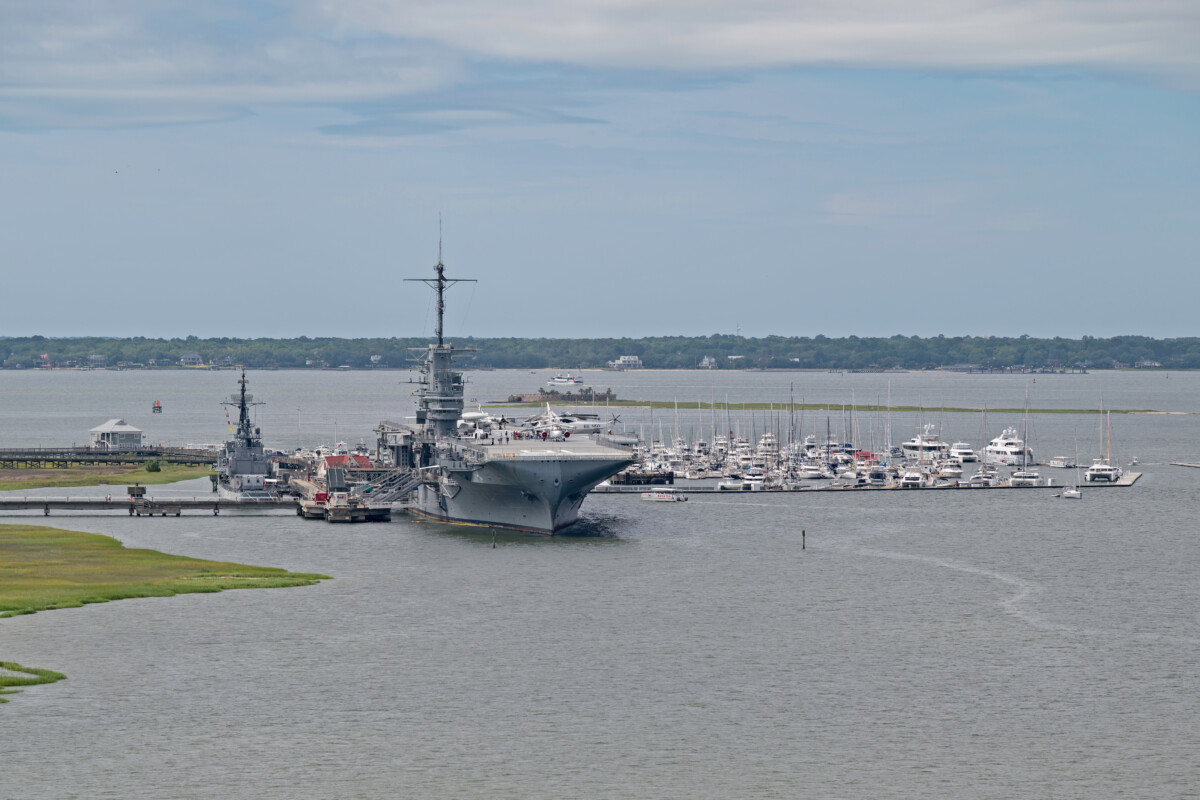
Patriots Point centers on the USS Yorktown aircraft carrier and USS Laffey destroyer. General admission also includes the Vietnam Experience and Medal of Honor Museum. The USS Clamagore submarine, mentioned in older Charleston guides, is no longer part of the visitor experience.
Ship interiors include ladders, narrow passages, and extended walking, so review accessibility information before purchasing. Additional behind-the-scenes and evening tours cost extra. Confirm the current exhibits and parking details on the Patriots Point visitor page.
Travelers interested in an after-hours experience can also check availability for a USS Yorktown evening tour.
9. Take a Charleston Harbor cruise
Best for: Harbor orientation, skyline views, and a lower-walking activity
Allow: About ninety minutes
Cost: Ticketed
A narrated harbor cruise gives you water-level views of Fort Sumter, the Ravenel Bridge, Patriots Point, church steeples, waterfront homes, and the working harbor. It also helps explain why Charleston’s geography shaped its military and commercial history.
Choose a daytime cruise for clearer landmark views or a sunset departure for softer light. Open decks can be windy even in warm weather, and wildlife sightings are possible rather than guaranteed. Compare this with other Charleston tours before reserving.

10. Learn about Lowcountry food on a tasting tour
Best for: First-time diners and travelers who want historical context with tastings
Allow: Two and a half to three hours
Cost: Ticketed
A well-run Charleston food tour should explain the origins and evolution of dishes rather than simply moving between restaurants. Depending on the itinerary, tastings may include she-crab soup, benne wafers, seafood, barbecue, biscuits, or modern interpretations of Lowcountry cooking.
Tell the operator about allergies and dietary restrictions before booking; older buildings and compact dining rooms may also present accessibility constraints. Check current availability for a Charleston food tour with tastings, then use our guide to the best restaurants in Charleston for the rest of the trip.
For a separate meal in an unusual setting, Church and Union occupies a former church near City Market. The dining room retains stained glass and high timbered ceilings. Reserve directly and review the current menu rather than treating it as an attraction that requires a dedicated sightseeing stop.


Charleston history, museums, and gardens
11. Tour Middleton Place
Best for: Formal gardens, material culture, and a broad plantation-era historic site
Allow: Three to four hours
Cost: Ticketed
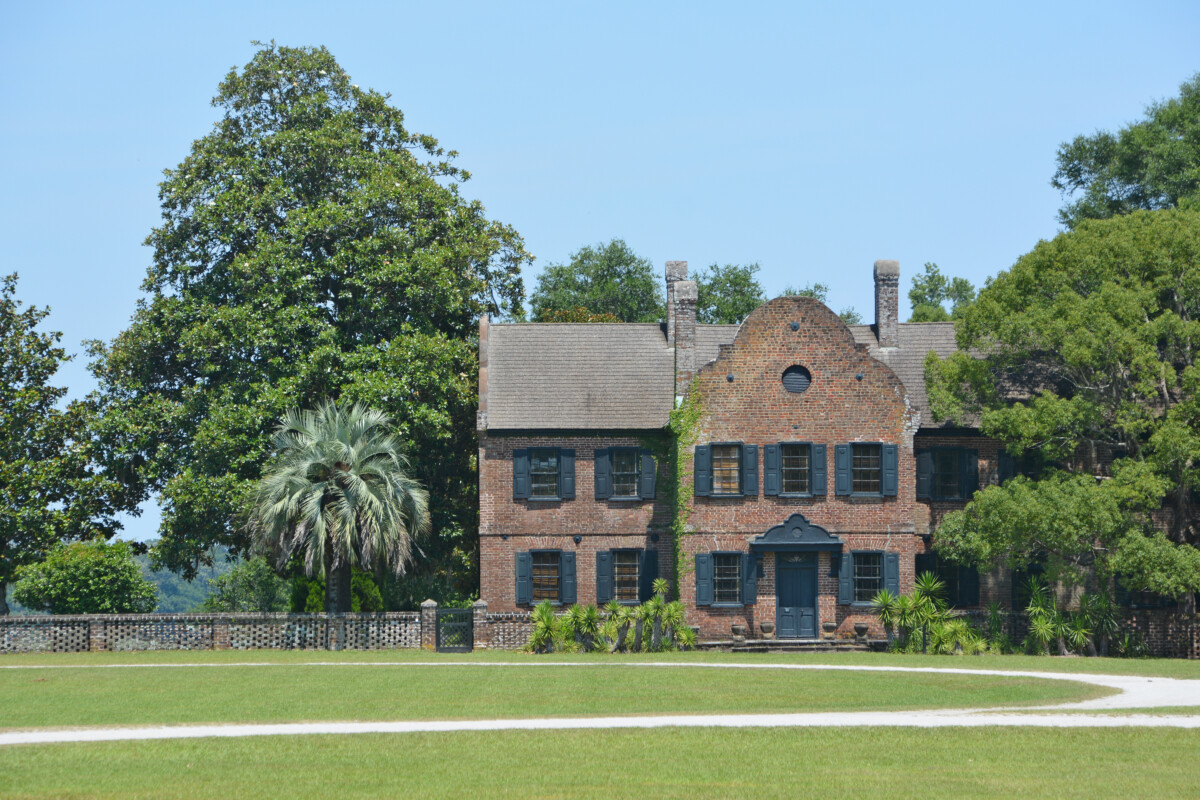
Middleton Place includes 65 acres of landscaped gardens, Stableyards, historic breeds, exhibits, and guided outdoor programs. The surviving South Flanker houses the museum collection; the main residence and north flanker were destroyed during and after the Civil War.
Interpretation addresses both the Middleton family and the enslaved Africans and African Americans whose knowledge and labor shaped the property. This is primarily an outdoor visit with uneven dirt, gravel, and sand paths. Summer programming may move to morning hours during excessive heat, so check the Middleton Place visitor guidance before leaving Charleston.
12. Explore Magnolia Plantation and Gardens
Best for: Naturalistic gardens, wetlands, wildlife, and multiple tour choices
Allow: Three to four hours
Cost: Ticketed; some tours cost extra
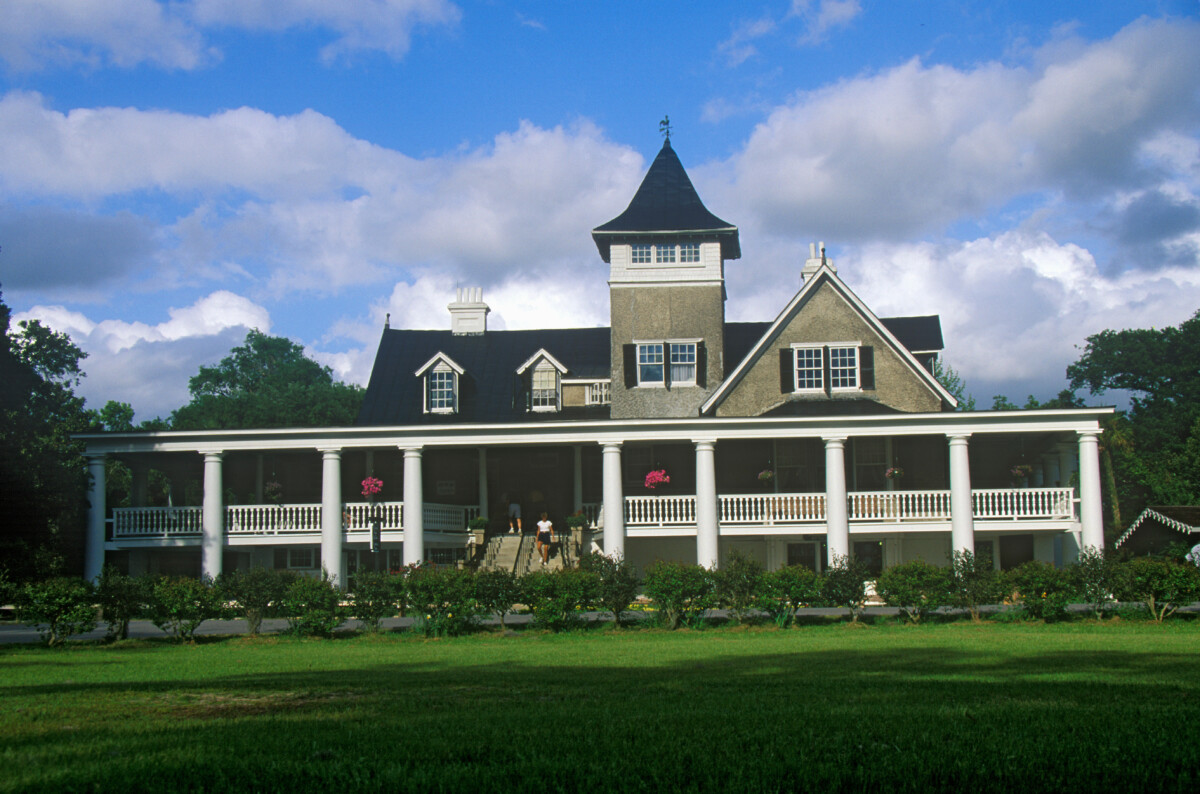
Magnolia combines extensive walking and biking trails with the Audubon Swamp Garden, riverfront landscapes, a wildlife center, a house tour, and historical programs. The From Slavery to Freedom tour places the site within the history of slavery, the domestic slave trade, and Lowcountry rice cultivation.
Some guided experiences are scheduled and ticketed on site according to weather and same-day capacity. Arrive early if a nature train, boat, or specific history tour matters to you. Travelers without a car can compare a Magnolia tour with transportation from Charleston.
13. Visit McLeod Plantation Historic Site
Best for: Gullah Geechee heritage and focused African American history
Allow: About two hours
Cost: Ticketed
McLeod is a 37-acre historic site on James Island that centers the experiences of people who were enslaved there and the generations of African Americans who lived on the property after emancipation. Its buildings and landscape support interpretation of sea-island cotton, resistance, family, freedom, and Gullah Geechee culture.
This is the strongest choice among the major plantation-era sites for travelers seeking a concentrated, guided examination of African American history rather than a garden-first visit. McLeod is generally open Tuesday through Sunday and closed Monday. Confirm programs on the official McLeod visitor page.

14. Visit the Old Slave Mart Museum
Best for: Understanding Charleston’s role in the domestic slave trade
Allow: About one hour
Cost: Ticketed
The Old Slave Mart Museum occupies the surviving portion of Ryan’s Mart, an auction complex that operated during the years before the Civil War. Exhibits explain the domestic slave trade, Charleston’s sale system, resistance, abolition, and the experiences of people who were bought and sold.
The museum is on Chalmers Street and should not be confused with Charleston City Market. Its subject matter is difficult, but the stop provides essential context for nearby historic homes, churches, commercial buildings, and accumulated wealth. Check the city museum page for current hours.

15. Compare preservation at the Aiken-Rhett House
Best for: Preservation, architecture, and an unrestored historic-house experience
Allow: About one hour
Cost: Ticketed
The Aiken-Rhett House is preserved largely as it was found rather than restored to a single polished period. That approach exposes layers of change across the main residence, dependencies, work areas, and spaces occupied by enslaved people.
A self-paced audio experience allows visitors to move through the site independently. Surfaces, stairs, and historic construction limit accessibility in parts of the property, so review the Aiken-Rhett visitor information before purchasing.

16. Tour the Nathaniel Russell House
Best for: Restored interiors, decorative arts, and neoclassical architecture
Allow: About one hour
Cost: Ticketed
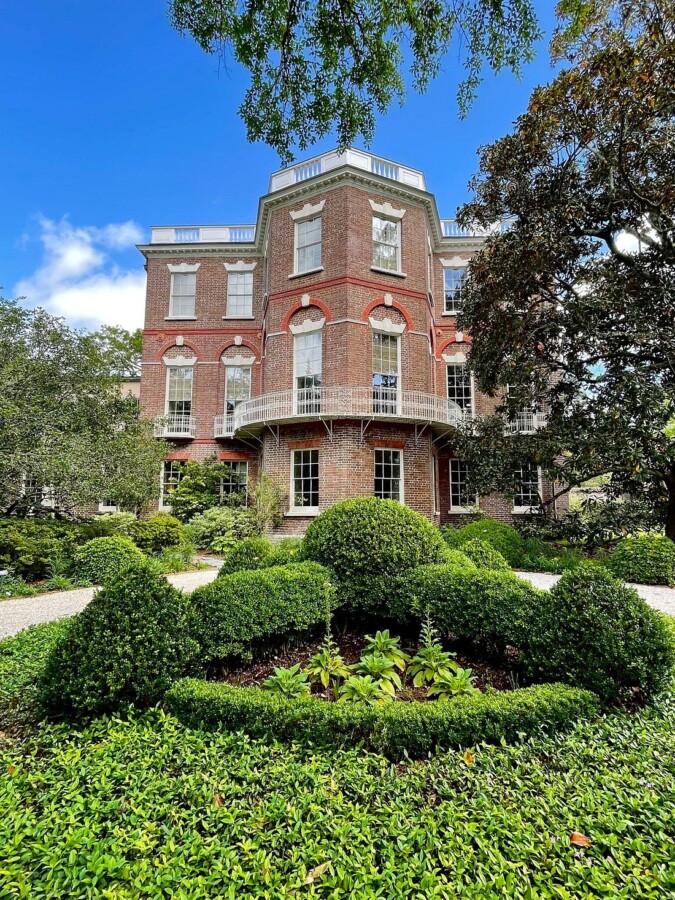
Built in 1808 for merchant and slave trader Nathaniel Russell, this townhouse is known for its free-flying spiral staircase, geometric rooms, plasterwork, and formal garden. Interpretation examines the household’s wealth alongside the lives and labor of enslaved people who maintained it.
Visit this house after Aiken-Rhett if you want to compare two preservation philosophies: detailed restoration at Nathaniel Russell and preserved layers at Aiken-Rhett. Check current tour formats and hours on the Historic Charleston Foundation website.
17. Visit The Charleston Museum
Best for: A broad introduction to Charleston and South Carolina history
Allow: Ninety minutes to two hours
Cost: Ticketed
Founded in 1773 and commonly described as America’s first museum, The Charleston Museum covers regional natural history, Indigenous history, decorative arts, textiles, military history, and the development of the city. Its scope makes it useful when you want context that extends beyond one building or era.
Combination tickets may include the museum’s associated historic houses. Review current exhibits and admission choices on the Charleston Museum website, or compare it with other Charleston museums.

18. See Southern art at the Gibbes Museum
Best for: Art, a compact indoor visit, and rainy afternoons
Allow: One to ninety minutes
Cost: First-floor areas are free; galleries are ticketed
The Gibbes Museum of Art presents American art with a particular focus on Charleston and the South. Its collection helps visitors examine how artists represented wealth, race, labor, landscape, identity, and regional change across several centuries.
The museum is manageable in a short visit and sits near City Hall, Washington Square, and the historic houses. It is currently closed on Tuesdays and stays open later on Wednesdays. Confirm Gibbes Museum hours and gallery admission.
19. Tour the Old Exchange and Provost Dungeon
Best for: Colonial, Revolutionary, and early federal history
Allow: One to ninety minutes
Cost: Ticketed
Completed in 1771, the Old Exchange functioned at different times as a commercial exchange, customs house, public meeting place, and government building. Its lower level is interpreted as the Provost Dungeon, connected to British occupation during the American Revolution.
The building’s history also intersects with Charleston’s trade in enslaved people and imported goods. Its East Bay location makes it easy to combine with Waterfront Park, Rainbow Row, City Market, and the Old Slave Mart Museum. Check the Old Exchange visitor schedule.
Beaches and outdoor things to do near Charleston
20. Pair Sullivan’s Island with Fort Moultrie
Best for: A quieter beach, local restaurants, and military history
Allow: Half or full day
Cost: Beach access is free; Fort Moultrie is ticketed
Sullivan’s Island has a broad beach, a compact restaurant district, and a more residential character than Folly Beach. Fort Moultrie interprets coastal defense from the American Revolution through World War II and is accessible by car, unlike Fort Sumter.
No lifeguards are on duty at Sullivan’s Island. Visitors must follow local rules covering parking, dogs, plastics, alcohol, smoking, dunes, and watercraft. Review the current Sullivan’s Island beach regulations and the National Park Service schedule before leaving.
See our broader guide to South Carolina beaches if you are deciding between Charleston’s coast and another part of the state.

21. Spend a day at Folly Beach
Best for: Surfing, a walkable beach center, and a livelier atmosphere
Allow: Half or full day
Cost: Beach access is free; parking varies
Folly Beach is the better coastal choice for travelers who want surf schools, board rentals, restaurants, bars, and a fishing pier in one compact area. Views toward Morris Island Lighthouse are another draw, though the lighthouse itself stands offshore.
Parking rules are strictly enforced. All four tires must be off the roadway, vehicles must face the direction of traffic, and cars cannot block driveways, beach paths, hydrants, sidewalks, or intersections. Review the current Folly Beach rules before parking.
Travelers who prefer an organized water activity can check availability for a Folly Beach paddleboard tour.

22. Walk the Shem Creek boardwalk
Best for: Marsh views, seafood, kayaking, and a Mount Pleasant sunset
Allow: One to two hours, longer with a meal
Cost: Free to walk
Shem Creek Park has a boardwalk and walking trail overlooking tidal marsh, docks, shrimp boats, and the creek. Depending on the tide and season, you may see dolphins, pelicans, egrets, and other coastal wildlife.
Restaurants and kayak operators line the broader creek area, but public parking can fill quickly. The Charleston Water Taxi does not currently stop at Shem Creek, so plan to drive, use a rideshare, or arrive by another booked boat service. The official Shem Creek Park page lists parking, restrooms, fishing, and accessibility features.

23. Walk or bike the Arthur Ravenel Jr. Bridge
Best for: Exercise, skyline views, and a free outdoor activity
Allow: Ninety minutes to two hours for a round trip
Cost: Free
The cable-stayed Ravenel Bridge connects downtown Charleston with Mount Pleasant. Its shared pedestrian and bicycle path rises above the Cooper River, giving wide views of the harbor, peninsula, Patriots Point, and surrounding waterways.
The full bridge is roughly 2.5 miles each way, so account for the return distance, sun exposure, wind, and elevation. Many visitors begin near Mount Pleasant Memorial Waterfront Park, where parking and riverfront views make the logistics easier.

24. See Angel Oak on Johns Island
Best for: A short nature stop and extraordinary tree structure
Allow: Thirty to forty-five minutes
Cost: Free; donations accepted
Angel Oak is a Southern live oak estimated by the City of Charleston to be 300 to 400 years old. Its broad, low limbs shade roughly 17,000 square feet, creating a canopy that is better appreciated in person than through a quick roadside photo.
Food, drinks, blankets, props, and tripods are restricted around the tree, and professional or special-event photography may require a permit. Review the Angel Oak rules and holiday closures. Combine the stop with Charleston Tea Garden rather than driving to Johns Island for the tree alone.

25. Tour Charleston Tea Garden
Best for: Agriculture, tea production, and a Johns Island driving route
Allow: Ninety minutes to two hours
Cost: Factory tour is free; trolley tour is ticketed
Charleston Tea Garden on Wadmalaw Island identifies itself as North America’s oldest tea garden. Visitors can take a free factory tour to see how harvested leaves become finished tea, then purchase a trolley ticket for a narrated ride through the fields and greenhouse area.
The trolley schedule, harvesting activity, and factory operations vary, so check current Charleston Tea Garden visitor information. Pair the garden with Angel Oak and allow for rural-road travel between stops.
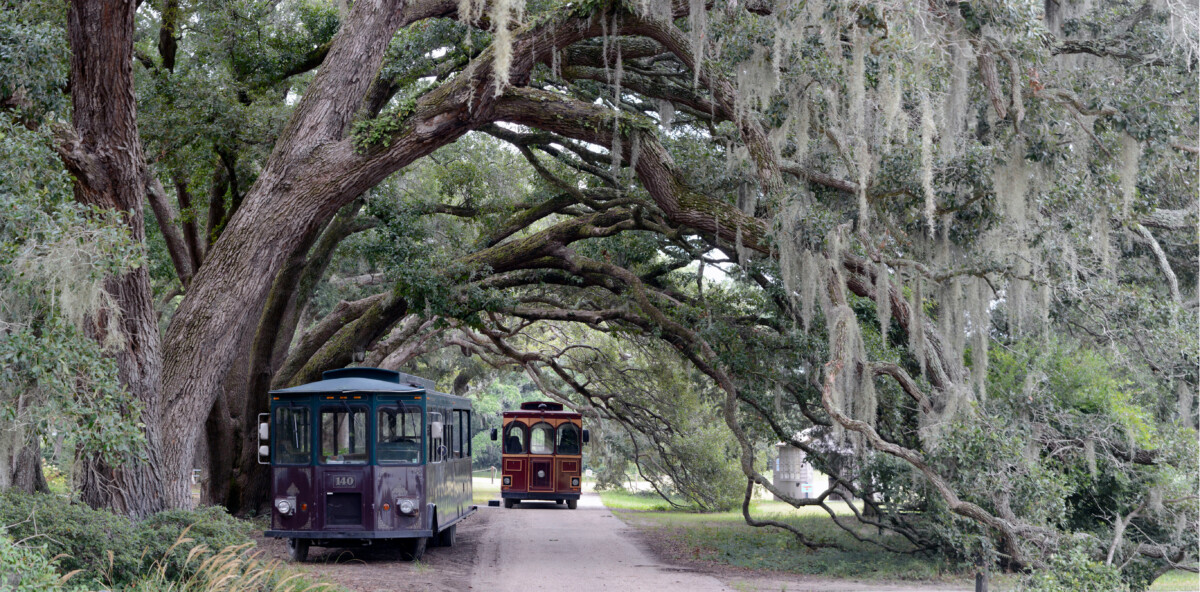
26. Visit Kiawah Island with the right access plan
Best for: A quieter beach, golf, and resort stays
Allow: Half or full day
Cost: Public-park parking or resort charges apply
Kiawah Island has ten miles of beach, but most access points behind the gate are reserved for property owners, guests, and renters. Beachwalker County Park on the west end is the island’s only public beach access. It has restrooms, a boardwalk, picnic facilities, and seasonal services.
Kiawah Island Golf Resort offers golf, dining, accommodations, and other amenities, but day visitors should not assume that every facility or beach access is open without a reservation. Confirm access before driving out. Golf-focused travelers can also compare other golf resorts in the United States.

For more outdoor ideas across the state, see our guide to South Carolina parks.
Family-friendly and hands-on Charleston attractions
27. Play at Children’s Museum of the Lowcountry
Best for: Toddlers, elementary-age children, and hot or rainy weather
Allow: Ninety minutes to two hours
Cost: Ticketed
Children’s Museum of the Lowcountry uses hands-on exhibits, art, building, imaginative play, and age-specific spaces to keep younger children active. It is close to The Charleston Museum and the visitor center, making it easy to split the family if older children or adults prefer a history museum.
Advance admission is usually less expensive than paying at the door, and special sessions or events can alter normal access. Check the museum calendar and current tickets.

28. Make candles at Candlefish
Best for: Couples, groups, creative workshops, and a break from sightseeing
Allow: About ninety minutes, plus later pickup
Cost: Ticketed
Candlefish offers guided candle-making workshops at its King Street store. Participants select fragrances, learn the pouring process, and make two candles. Because the wax needs time to set, finished candles are generally collected the following day rather than taken immediately after class.
Review age requirements, cancellation terms, and pickup timing before booking, especially if you are leaving Charleston the next morning. See the current Candlefish workshop calendar.

29. See the H.L. Hunley submarine
Best for: Maritime history, archaeology, conservation science, and older children
Allow: One to two hours
Cost: Ticketed
The Confederate submarine H.L. Hunley became the first combat submarine to sink an enemy warship when it attacked USS Housatonic in 1864. The Hunley and its crew disappeared after the attack. The wreck was located in 1995 and raised from the ocean floor in 2000.
Visitors see the real vessel in its conservation tank, artifacts recovered during excavation, crew reconstructions, and exhibits on preservation research. Public tours currently operate only on Saturdays and Sundays, so this stop requires more planning than most Charleston museums. Verify the weekend Hunley schedule.

Charleston drinks and evening entertainment
30. Choose between Striped Pig Distillery and Revelry Brewing
Best for: Adults interested in local spirits or craft beer
Allow: Ninety minutes to three hours
Cost: Purchases and tours vary
Striped Pig Distillery in North Charleston produces rum, vodka, gin, and whiskey and offers scheduled tours and tastings. Revelry Brewing is closer to downtown and works better for travelers who want a casual taproom rather than a production-focused distillery visit.
The two businesses are not close enough to treat as one walkable brewery district. Choose according to your route, confirm tour times, and arrange a designated driver or rideshare if tasting alcohol. Check the current schedules for Striped Pig Distillery and Revelry Brewing.


31. Join an interactive show at The Black Fedora
Best for: Couples, groups, and an alternative to bars
Allow: About two hours
Cost: Ticketed
The Black Fedora Comedy Mystery Theatre stages interactive mysteries in which audience members can participate or watch from their seats. Productions emphasize comedy and audience involvement rather than a serious theatrical mystery.
Light food, desserts, and drinks may be available, but do not assume the ticket includes a full dinner. Review the current production, age guidance, seating, and menu on The Black Fedora’s official site.

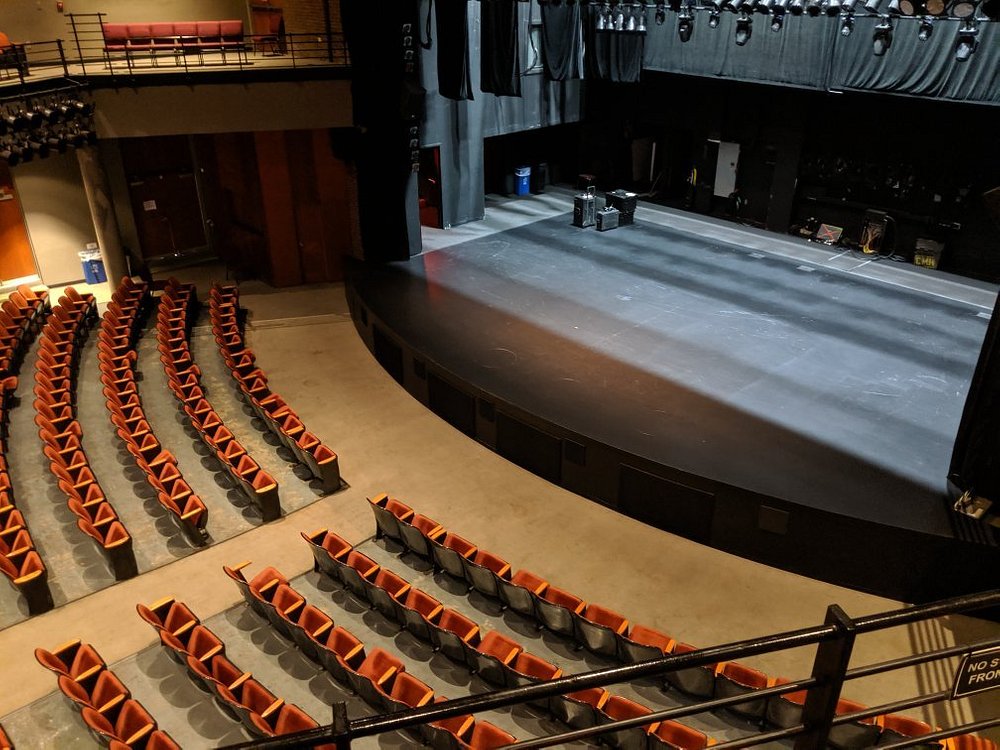
32. See a performance at Dock Street Theatre
Best for: Theater, architecture, and an evening in the French Quarter
Allow: Performance length varies
Cost: Ticketed for shows
The original Dock Street Theatre opened on this site in 1736 but was destroyed by fire a few years later. The present building incorporates the former Planters Hotel, constructed in 1809 and later converted into a theater. This distinction is often blurred in abbreviated Charleston histories.
Today the venue hosts plays, musicals, festivals, and special events. Tourist access outside performances can vary around rehearsals and private use, so check the Dock Street Theatre schedule.

33. Check the Charleston Music Hall calendar
Best for: Concerts, comedy, film, and touring performances
Allow: One evening
Cost: Ticketed
Charleston Music Hall occupies an 1849 building originally constructed as a passenger station for the South Carolina Railroad. The restored venue now hosts musicians, comedians, film screenings, speakers, and community events.
Programming changes constantly, so this is worth including only when the calendar matches your dates. Review the Charleston Music Hall event schedule before finalizing evening plans.
Architecture and local institutions
34. Visit St. Michael’s Church
Best for: Church architecture and the Four Corners of Law
Allow: Twenty to forty minutes
Cost: Free; donations may be accepted
St. Michael’s Church was built between 1752 and 1761 at Broad and Meeting streets. Its white steeple remains one of Charleston’s defining skyline features, while the interior contains historic woodwork, stained glass, and memorials.
This is an active congregation rather than a museum. Visitor access works around worship, weddings, funerals, and other church activities. Dress respectfully, keep voices low, and check current visitor information.

35. Watch a Friday parade at The Citadel
Best for: Military-college traditions and campus architecture
Allow: One to two hours
Cost: Parades are generally free
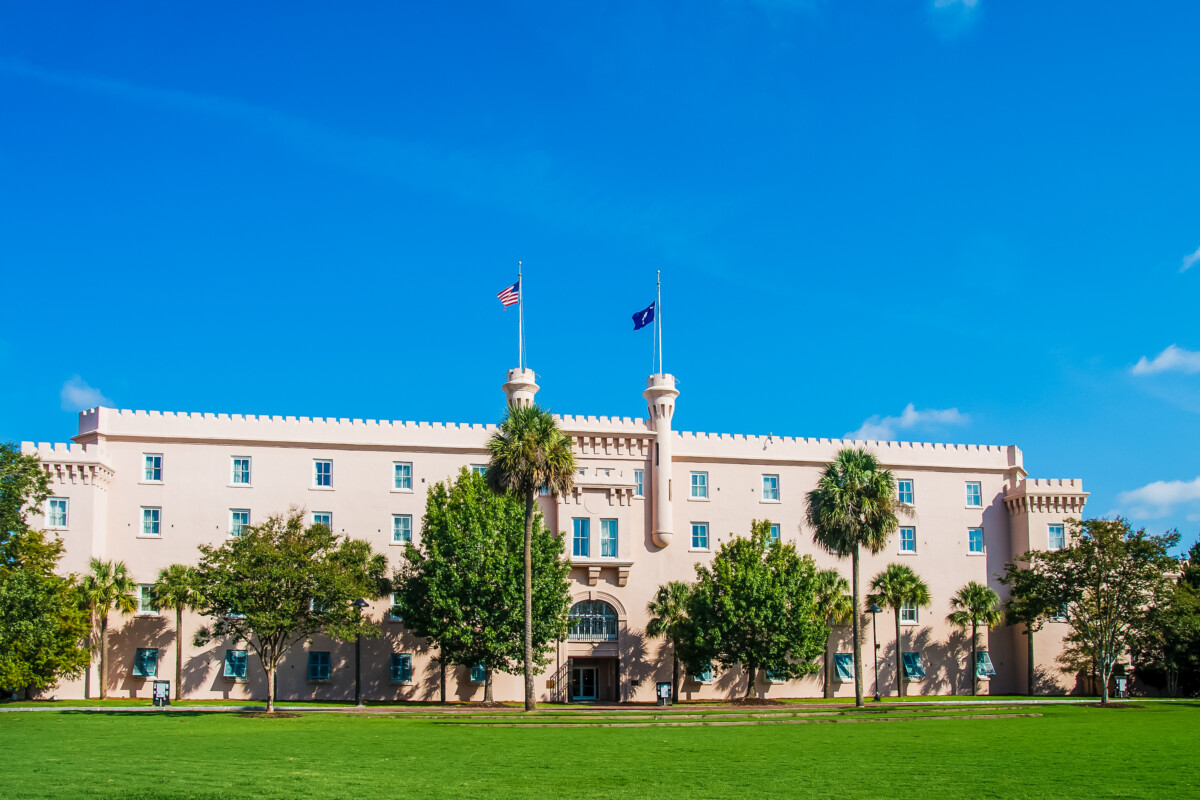
The Citadel is a public military college founded in 1842. Visitors can walk designated campus areas and, during much of the academic year, watch the South Carolina Corps of Cadets conduct a Friday military parade.
Parades do not occur every Friday and can be affected by academic breaks, ceremonies, and weather. Check the official Citadel parade schedule rather than arriving without confirmation.
36. Tour the Old City Jail
Best for: Dark history and guided evening tours
Allow: About forty-five minutes
Cost: Ticketed
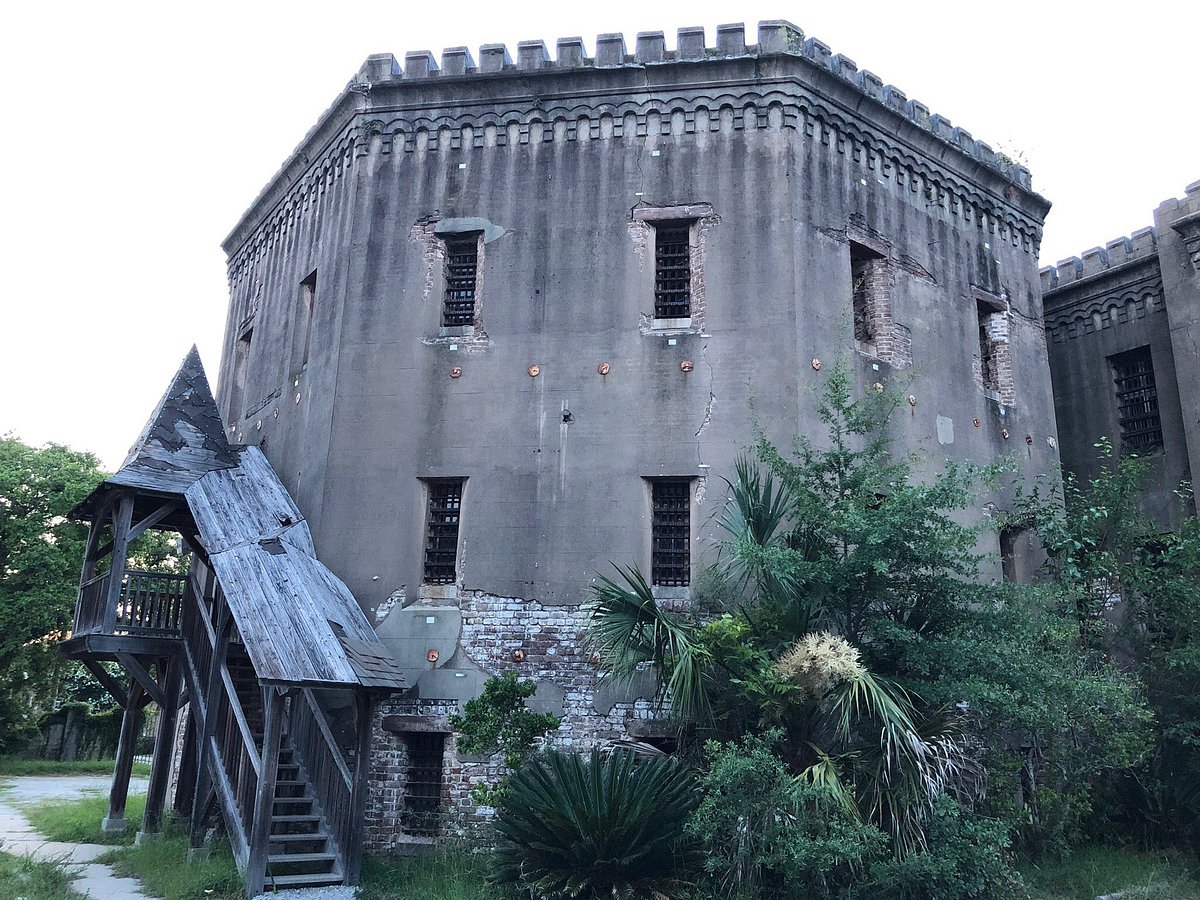
The Old City Jail operated from 1802 to 1939 and held accused criminals, prisoners of war, and other incarcerated people under harsh conditions. Access is generally through a scheduled guided tour rather than an independent museum visit.
Stories about former inmate Lavinia Fisher often mix documented history with later legend, including the disputed label of America’s first female serial killer. Treat paranormal claims as folklore rather than established fact. Current tours are not recommended for children under 10 and are not wheelchair accessible. Review the Old City Jail tour details.
37. See City Hall and Washington Square
Best for: Civic architecture and a short shaded break
Allow: Thirty to forty-five minutes
Cost: Free for the exterior and park
Charleston City Hall stands at 80 Broad Street at the Four Corners of Law, where municipal, county, federal, and religious institutions occupy the intersection. The building began as a bank and became City Hall in the early 1800s.
Washington Square sits directly behind City Hall and contains shaded paths, monuments, and benches. Public access to City Hall’s Council Chamber depends on meetings and building operations, so do not assume an interior tour is available. Combine this stop with St. Michael’s Church, Gibbes Museum, or the historic houses.


Suggested one-, two-, and three-day Charleston itineraries
| Trip length | Suggested plan |
|---|---|
| One day | Walk Waterfront Park, Rainbow Row, The Battery, and White Point Garden. Add either Fort Sumter or IAAM, browse City Market, and finish with a food tour or dinner. |
| Two days | Follow the one-day plan, then spend day two at Patriots Point and Shem Creek, Sullivan’s Island and Fort Moultrie, or one Ashley River Road garden. |
| Three days | Add McLeod, a beach day, or the Angel Oak and Charleston Tea Garden route. Use the third day for the excursion that requires the most driving. |
Travelers staying longer can use our guide to day trips from Charleston for additional Lowcountry routes.
How to get around Charleston

Walking: The historic peninsula is compact, but brick sidewalks, uneven paving, heat, and long north-south distances can make a full day more demanding than it appears on a map. Group stops by area rather than crossing downtown repeatedly.
DASH shuttle: CARTA’s free Downtown Area Shuttle currently operates routes 210, 211, and 213. Together they serve the visitor center, aquarium, King Street, City Market, Waterfront Park, Charleston Museum, The Citadel, and other downtown areas. Check the current DASH map and live tracking.
Driving and parking: A car is most useful for Ashley River Road, James Island, Johns Island, Wadmalaw Island, Kiawah, Folly Beach, and Sullivan’s Island. Downtown garages are generally easier than circling residential streets. Review the City of Charleston parking locations.
Water taxi: The Charleston Water Taxi currently links Waterfront Park, the Maritime Center, Patriots Point, and Charleston Harbor Resort. It does not serve Shem Creek. Confirm the seasonal schedule before using it as transportation.
Airport: Charleston International Airport is roughly 12 miles northwest of downtown. Rental cars, taxis, rideshares, shuttles, and public transportation are available. A rental car is unnecessary for a downtown-only stay but valuable for a multi-day Lowcountry itinerary.
Travelers who need a vehicle can compare rental cars at Charleston International Airport.
Where to stay for a Charleston sightseeing trip
- French Quarter and Market area: Best for first-time visitors who want to walk to City Market, Waterfront Park, Rainbow Row, historic houses, and restaurants.
- Cannonborough and Elliottborough: Better for Upper King Street dining and nightlife while remaining close to the historic core.
- Mount Pleasant: Convenient for Patriots Point, Shem Creek, Sullivan’s Island, and travelers who prefer easier driving and parking.
- Folly Beach, Sullivan’s Island, or Kiawah: Best when the beach is the primary purpose of the trip rather than a single half-day excursion.
For a walkable central option, check current rates at the Market Pavilion Hotel. For a Mount Pleasant waterfront base, compare the Beach Club at Charleston Harbor Resort and Marina. Our Charleston hotel guide has additional options by neighborhood and budget.
Frequently asked questions about visiting Charleston
What are the best things to do in Charleston for first-time visitors?
For a first visit, combine a Historic District walk with Fort Sumter or the International African American Museum, then add Waterfront Park and City Market. If you have a second day, choose one excursion: an Ashley River garden, Mount Pleasant and Sullivan’s Island, or Folly Beach.
How many days do you need in Charleston?
Two full days cover the historic core and one major excursion. Three days lets you add a beach, Mount Pleasant, or the Ashley River Road gardens without compressing every stop into a single day.
What are the best free things to do in Charleston?
Waterfront Park, Rainbow Row, The Battery, White Point Garden, Washington Square, the Arthur Ravenel Jr. Bridge path, Angel Oak, and the Charleston Tea Garden factory tour are free. Parking, ferry rides, museum admission, trolley tours, and guided tours may cost extra.
What are the best things to do in Charleston with kids?
The South Carolina Aquarium and Children’s Museum of the Lowcountry are the strongest indoor choices for younger children. Waterfront Park, a harbor cruise, Patriots Point, and a beach day also work well, depending on age, heat, and attention span.
Do you need a car in Charleston?
You do not need a car for the historic peninsula because it is walkable and served by the free DASH shuttle. A car is useful for Middleton Place, Magnolia, McLeod, Angel Oak, Charleston Tea Garden, Kiawah Island, Folly Beach, and Sullivan’s Island.
What is the best time of year to visit Charleston?
Spring and fall usually provide the best balance of comfortable walking weather and outdoor activities. Summer is hot, humid, and storm-prone, while winter is quieter but can bring cool, changeable weather. Hurricane season runs from June through November, so check forecasts and cancellation terms.
Which Charleston plantation or historic site should you visit?
Choose McLeod for focused Gullah Geechee and African American history, Middleton Place for formal gardens plus broad site interpretation, or Magnolia for naturalistic gardens, wildlife habitat, and a menu of add-on tours. On a short trip, visit one rather than rushing through all three.
Plan your Charleston trip
Reserve Fort Sumter, IAAM, or your primary guided tour first. Build the rest of that day from attractions in the same area, then use a second or third day for the beach, Mount Pleasant, or an Ashley River Road historic site. This approach reduces driving and leaves enough time to engage with Charleston’s history rather than moving past it.
Continue planning with our South Carolina travel guide, Charleston hotel recommendations, museum guide, and coastal itineraries.