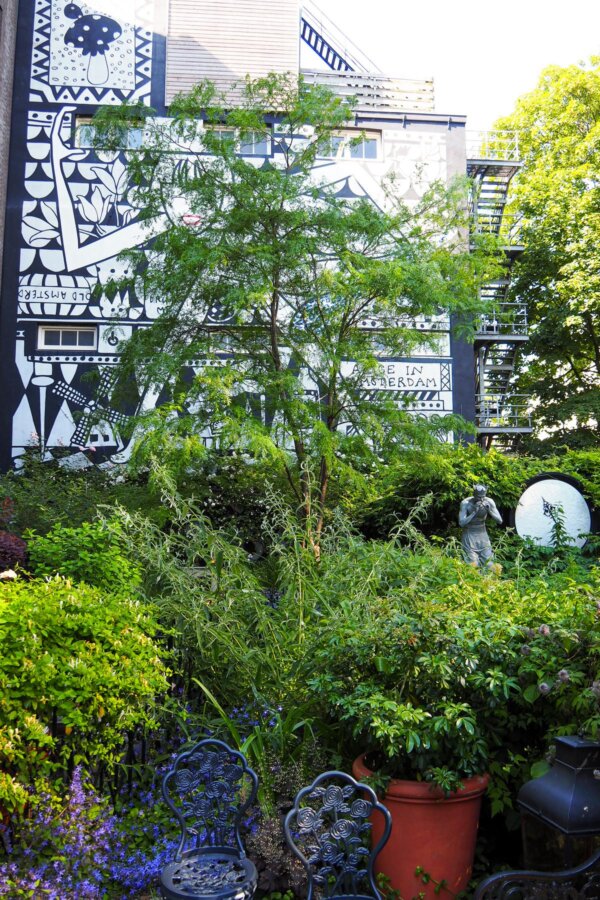
Westerpark represents Amsterdam‘s remarkable transformation of industrial heritage into vibrant cultural space, where the historic Westergasfabriek complex meets lush landscaped gardens. Once the city’s western gasworks, this 19th-century industrial site has evolved into a multifaceted urban park that perfectly balances natural beauty with cultural innovation. The park’s thoughtful design showcases peaceful walking paths winding through native plantings and serene ponds, while the brick industrial buildings now house cutting-edge galleries, performance venues, craft breweries, and hip restaurants. This authentic Amsterdam treasure hosts regular cultural festivals, outdoor markets, and art installations, offering visitors a genuine local experience away from the tourist crowds, where they can witness the Dutch genius for adaptive reuse while enjoying one of the city’s most beloved green spaces.
Cultural Context
Westerpark serves as a vibrant cultural hub that embodies Amsterdam’s contemporary embrace of creativity and community engagement. The area, centered around the former Westergasfabriek industrial complex, has been transformed into a dynamic space where arts, music, theater, and culinary experiences converge. It hosts a variety of cultural festivals and events throughout the year, such as the International Film Festival and the Food Film Festival, which celebrate both local and international artistic expressions. The park also supports grassroots initiatives, including artist studios, co-working spaces, and venues for experimental performances, reflecting Amsterdam’s long-standing tradition of fostering innovation and inclusivity. The cultural practices here emphasize sustainability and social cohesion, with many activities designed to engage diverse demographics, from families to young creatives. Westerpark’s cultural landscape is a testament to Amsterdam’s progressive values, blending historical preservation with modern artistic vitality in a way that resonates deeply with both residents and visitors. It remains a living example of how cultural heritage can be revitalized to serve contemporary societal needs, making it an essential destination for those interested in the evolving cultural fabric of the city.
Historical Context
Westerpark’s history is deeply rooted in Amsterdam’s industrial past, beginning with the establishment of the Westergasfabriek gasworks in 1885. This facility was a key part of the city’s infrastructure, producing gas for street lighting and domestic use until its closure in 1994. The industrial complex was designed during the late 19th century, a period marked by rapid urban expansion and technological advancement in Amsterdam. After the gasworks ceased operations, the site faced potential demolition, but a concerted effort by local authorities and preservationists led to its adaptive reuse. The redevelopment process, initiated in the early 2000s, transformed the derelict industrial buildings into a multifunctional cultural park, officially opening to the public in 2003. Key historical figures involved in this transformation include architects and urban planners dedicated to balancing heritage conservation with modern urban needs. Westerpark’s evolution from an industrial powerhouse to a cultural landmark illustrates broader trends in post-industrial urban regeneration seen across Europe. Its layered history offers visitors insight into Amsterdam’s industrial legacy and the city’s commitment to sustainable urban development.