Covent Garden

Shopping · Market in LondonUpdated

  • Google rating4.5/5 (60,000 reviews)
  • Typical visit2-4 hours, or longer if attending a show or extensively exploring shops and restaurants.
  • EntranceFree
The Nags Head, a traditional English pub in Covent Garden, London, captures the essence of city nightlife with its historic charm and vibrant atmosphere.
  • Today (Friday)10:00 AM – 8:00 PM
  • Typical visit2-4 hours, or longer if attending a show or extensively exploring shops and restaurants.
  • EntranceFree
  • Google rating4.5/5 60,000 reviews
  • WebsiteOfficial site ↗
  • TicketsCheck availability ↗
Opening hours all week
Monday
10:00 AM – 8:00 PM
Tuesday
10:00 AM – 8:00 PM
Wednesday
10:00 AM – 8:00 PM
Thursday
10:00 AM – 8:00 PM
Friday
10:00 AM – 8:00 PM
Saturday
10:00 AM – 8:00 PM
Sunday
11:00 AM – 6:00 PM
The Nags Head, a traditional English pub in Covent Garden, London, captures the essence of city nightlife with its historic charm and vibrant atmosphere.
The short answer

Why it matters

A historic piazza in London's West End centred on a covered market hall (built 1830), hosting street performers, artisan stalls, the Royal Opera House, and over 60 shops and restaurants in the former Flower Market.

  • Cultural Authenticity is rated at 75 because while Covent Garden maintains its historical roots as a market and cultural precinct, its modern incarnation leans heavily towards commercial and tourist-centric activities, which might dilute the authenticity of purely local traditions.
  • Cultural Richness and Educational Value received an 80, acknowledging Covent Garden’s substantial offerings in arts and performances, notably at the Royal Opera House, and its array of historical sites and museums that facilitate educational engagement.
  • Preservation and Integrity are rated at 85, reflecting the well-maintained state of historical buildings and the local efforts to preserve its distinctive architectural heritage and cultural identity despite commercial pressures.
  • Accessibility and Visitor Engagement scores a 90, due to the area’s excellent accessibility via public transport and its diverse range of interactive cultural, shopping, and dining experiences that appeal to both locals and tourists alike.

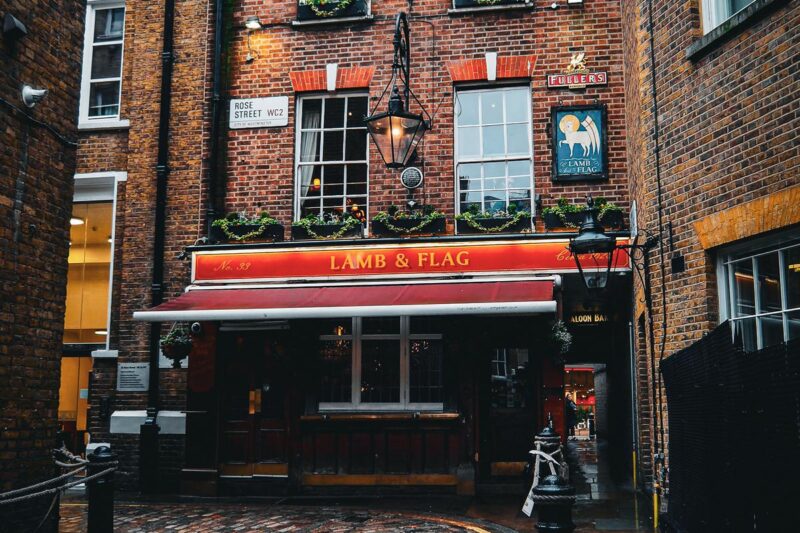
Evolving from London‘s original fruit and vegetable market established by Benedictine monks in the 1200s, Covent Garden melds architectural grandeur with theatrical heritage and contemporary urban vitality to create one of the city’s most multifaceted cultural districts. The district’s centerpiece remains the neoclassical Market Building designed by Charles Fowler in 1830, whose elegant ironwork and glass structure—saved from demolition by public outcry in the 1970s—now houses boutique retailers and cafés instead of produce wholesalers. The surrounding pedestrianized piazza, London’s first formally planned public square designed by Inigo Jones in the 1630s, creates an theatrical urban stage where street performers from classical musicians to mime artists entertain crowds beneath the colonnaded St. Paul’s Church facade (known as the “Actor’s Church”). Covent Garden’s theatrical associations extend beyond impromptu performances—the Royal Opera House anchors the district’s northwestern corner, while the Theatre Royal Drury Lane (London’s oldest continuously operating theater) and over a dozen other venues cement the area’s status as the heart of London’s West End theater district. Hidden passages reveal specialized retail enclaves like Neal’s Yard with its distinctive colorful facades and wellness-focused businesses, while the converted Jubilee Market Hall showcases rotating themes from antiques to handcrafted goods. Despite its undeniable tourist appeal, Covent Garden maintains elements of authentic London life, particularly in early mornings when locals navigate the cobblestones and in the surrounding streets where traditional pubs like The Lamb and Flag (patronized by Charles Dickens) continue centuries-old traditions, offering visitors a rare combination of historical immersion and contemporary London energy.

Cultural Context

Historic London cultural quarter embodying 800 years evolution from convent garden to market to arts district, home to Royal Opera House and street performers, symbol of London’s theatrical and market heritage

Historical Context

Medieval Abbey garden became fruit market 1670 under Bedford Estate lasting 300 years, Charles Fowler’s 1828 neo-classical Market Building, market relocated 1974 transformed into shopping and arts destination preserving architecture
Context

Story and significance

About

Covent Garden, the heart of London’s West End, epitomizes the essence of urban charm and cultural sophistication. This shopping and entertainment nucleus is celebrated for its elegant, car-free Piazza, fashion boutiques, artisanal craft stalls at the Apple Market, and the illustrious Royal Opera House, promising an eclectic mix of artistic indulgence.

Street entertainers animate the space near the historic St. Paul’s Church, offering spontaneous performances that encapsulate the area’s spirited ambiance. Explore the London Transport Museum’s vintage treasury, dine in upscale restaurants offering diverse European cuisines, or revel in the compelling narratives of nearby theatre productions, making Covent Garden an indispensable jewel in London’s crown.

Historical significance

Covent Garden is significant as a long-standing centre for commerce, public entertainment and performing arts in London, contributing to the development of the West End theatre district. Its market and piazza have been central to civic life and urban regeneration debates about preservation versus commercial redevelopment.

Historical context

Originally a 17th-century square and market developed on former convent gardens, Covent Garden evolved into a focal point for London’s commercial fruit and flower trade and later for theatres and nightlife. Over time the area shifted from wholesale market activities to a restored, tourist-oriented marketplace and cultural quarter.

Cultural context

Covent Garden is a lively West End district known for street performers, theatres, market stalls and a mix of boutique shops and restaurants. For Londoners and visitors it is a social hub for entertainment, informal performance and leisure, anchored by the Royal Opera House and a long tradition of public theatre and market culture.

Architecture

The district showcases Georgian and Victorian urban architecture, with the famous covered market building designed by a 19th-century architect and surrounding terraces and piazzas. The mix includes restored market halls, adaptive reuse of warehouses and theatre façades that preserve the historical street layout and urban grain.

Local significance

Covent Garden functions as a lively social and commercial heart of London’s West End, blending a historic market atmosphere with street performance, shops, bars and eateries that cater to both locals and theatre audiences. For many Londoners it’s a convenient meeting place and part of the everyday entertainment circuit—residents and workers visit for quick meals, cultural events at nearby theatres, and the independent stores and artisan stalls that persist alongside chains. The area’s identity is tied to performing arts history and to a sense of lively urban conviviality rather than a purely tourist precinct.

Editorial scores

How we rate it

Universal appeal & authenticity10/10
Cultural richness & educational value10/10
Preservation & integrity10/10
Accessibility & visitor engagement10/10

Editorial scores on a 10-point scale, judged against places of the same kind.

Last reviewed Data: Editorial research · Google Places ratings · Verified coordinates