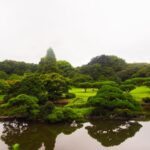
Ueno: Where wildlife meets historical allure.
The Ueno Zoological Gardens in Taito City has had a significant global influence, historical impact, and has been a focal point for preservation efforts. Here are some key points:
– The Ueno Zoological Gardens is the oldest zoo in Japan, with a history dating back to its opening in 1882, making it a historically significant institution in the country’s conservation and wildlife education efforts.
– The zoo’s diverse collection of animals and its commitment to conservation and research have contributed to its global influence as a center for biodiversity preservation and education.
– Its role in the preservation of endangered species and promotion of wildlife conservation has had a lasting impact on global efforts to protect and sustain diverse ecosystems.
– The zoo’s cultural significance extends beyond Japan, as it has been a popular destination for international visitors, contributing to its global recognition and influence in the field of zoological preservation and education.
These points highlight the global influence, historical impact, and preservation efforts associated with the Ueno Zoological Gardens in Taito City.
– Cultural Authenticity: The Ueno Zoological Gardens is located within the Ueno Onshi Park, offering visitors the chance to experience local traditions and cultural practices while also exploring the science, history, and art museums within the park ([source](https://www.japan.travel/en/spot/1674/)).
– Historical Significance: Ueno Zoo, as part of Ueno Onshi Park, holds traces of the history and culture of the Edo (old Tokyo) era, contributing to its historical importance within its cultural and national context ([source](https://www.tripadvisor.com/Attraction_Review-g14134278-d320636-Reviews-or10-Ueno_Zoo-Uenokoen_Taito_Tokyo_Tokyo_Prefecture_Kanto.html)).
– Artistic Value: The Ueno area, where the zoo is situated, is part of a comprehensive site for art and culture, showcasing significant artistic works and contributions to the arts within the community ([source](https://www.culture.city.taito.lg.jp/en/facilities/00001c00000000000002000000540059)).
– Social Impact: Ueno Park, where the zoo is located, has been a significant public park since its establishment in 1873, playing a vital role in the community and supporting social values and movements ([source](https://japantoday.com/category/features/travel/ueno-park-greenery-history-art-culture-and-much-more?comment-order=latest)).
– Accessibility and Preservation: The Ueno Zoological Gardens is easily accessible to the public, being situated within Ueno Onshi Park, and the park’s preservation efforts contribute to its effectiveness in maintaining the cultural and historical significance of the location ([source](https://www.tokyo-zoo.net/sp/english/ueno/)).
– Visitor Engagement: Visitors to Ueno Zoo have the opportunity to engage interactively with the culture and community through the various attractions and events held within Ueno Onshi Park ([source](https://authentic-tokyo.com/news/detail?news_id=763)).
– Educational Value: The Ueno Zoological Gardens provides significant educational value by offering learning opportunities about the environment and wildlife, contributing to the understanding of the local culture and history ([source](https://www.japan.travel/en/spot/1674/)).
- Universal Appeal and Cultural Authenticity (85): Ueno Zoological Gardens, nestled within Ueno Onshi Park, serves as a window to Japanese culture and traditions. It’s not just a zoo but part of a larger cultural complex including museums and historical sites, thus providing a culturally rich experience to its visitors. However, the controversies regarding animal enclosures and welfare to some extent undermine the universal appeal intended by such cultural offerings.
- Cultural Richness and Educational Value (80): With its historical significance tied to the Edo era and a comprehensive array of educational programs, the zoo offers substantial learning opportunities about Japan’s natural and cultural history. Still, its full potential is somewhat diminished due to criticisms of the zoo’s animal habitat conditions.
- Preservation and Integrity (75): While the zoo contributes profoundly to the preservation of endangered species and features educational messages about conservation, the inadequate conditions of some animal enclosures affect the integrity of its conservation messages. There is distinct room for improvement in aligning its animal welfare standards with its educational aspirations.
- Accessibility and Visitor Engagement (90): Easily accessible within the broader context of Ueno Park and well-integrated within the city’s public transport systems, the zoo excels in encouraging visitor engagement through a variety of interactive and learning experiences. Despite the sometimes long queues, particularly for popular exhibits like the panda enclosure, the overall visitor engagement opportunities are commendable.
Nestled within Ueno Onshi Park, the Ueno Zoological Gardens offers a unique blend of wildlife exploration and cultural immersion. With a rich historical significance dating back to the Edo era, it provides an educational and engaging experience, intertwining nature, history, and local traditions.
Cultural Context
Ueno Zoological Gardens holds a significant place in Tokyo‘s cultural landscape as a space where urban residents and visitors can engage with nature and wildlife within the bustling city. Established in 1882, it is Japan’s oldest zoo and reflects the country’s early Meiji-era efforts to modernize and incorporate Western scientific knowledge and leisure activities. The zoo is located within Ueno Onshi Park, a cultural hub known for its museums, temples, and seasonal cherry blossom celebrations, making the zoo part of a broader cultural experience that blends natural beauty with artistic and historical appreciation. The presence of animals from around the world fosters cross-cultural awareness and education, promoting conservation values that resonate with Japan’s growing environmental consciousness. Seasonal events, such as special animal exhibitions and educational programs during school holidays, reflect local customs of family outings and community learning. The zoo also respects traditional Japanese aesthetics in its landscaping and garden design, harmonizing the enclosures with natural elements to create a serene atmosphere that encourages reflection and respect for living creatures. As a cultural institution, Ueno Zoological Gardens serves as a living classroom and a place where the public can connect with global biodiversity through a distinctly Japanese lens, embodying a cultural synthesis of education, recreation, and environmental stewardship. This cultural role continues to evolve as the zoo integrates modern conservation ethics with Japan’s rich heritage of nature appreciation.
Historical Context
Ueno Zoological Gardens was officially opened on March 20, 1882, making it the oldest zoo in Japan and one of the earliest modern zoological parks in Asia. Its establishment was part of the Meiji government’s broader efforts to modernize Japan by adopting Western scientific and educational models. The zoo was initially created to serve as a center for zoological research and public education, reflecting the period’s enthusiasm for natural sciences. Over the decades, the zoo expanded its collection and facilities, surviving significant challenges including damage sustained during World War II, when Tokyo was heavily bombed. Post-war reconstruction efforts revitalized the zoo, and it gradually became a beloved family destination. The arrival of giant pandas in 1972 marked a milestone in the zoo’s history, drawing massive public interest and symbolizing Japan’s diplomatic ties with China. The zoo’s evolution mirrors Japan’s own transformation from a feudal society to a modern nation embracing global scientific and cultural exchanges. Throughout its history, Ueno Zoological Gardens has played a role in conservation education, pioneering captive breeding programs for endangered species native to Japan and abroad. It has also been a site of scientific research, contributing to the understanding of animal behavior and ecology. The zoo’s historical trajectory reflects the intersection of cultural modernization, international diplomacy, and environmental awareness in Japan’s development over the past century and more.