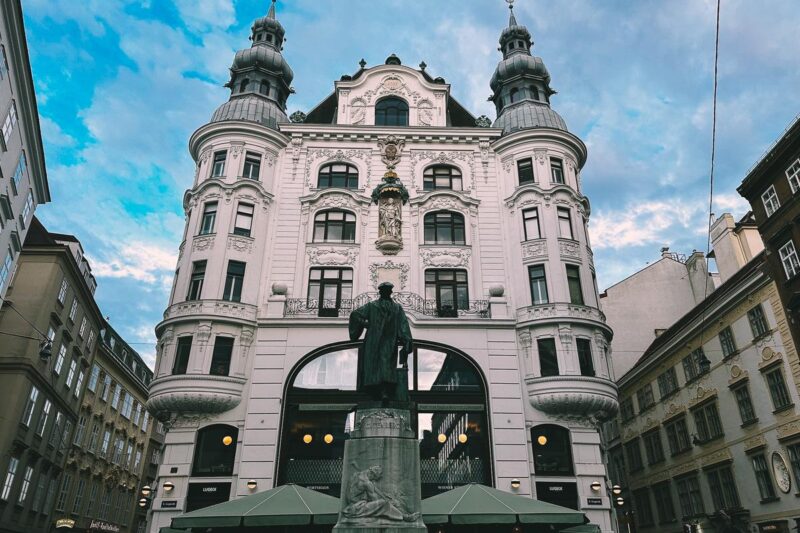
Austria enchants visitors with its stunning Alpine scenery, imperial architecture, and rich musical heritage. From Vienna’s grand palaces and coffee houses to Salzburg’s baroque old town and the breathtaking Hallstatt region, this central European nation offers cultural treasures at every turn. World-class museums, classical concerts, and traditional Austrian cuisine create unforgettable experiences amid some of Europe’s most spectacular mountain landscapes.
Austria
Hallstatt is worth rearranging your entire Austria itinerary. Vienna’s coffee houses, though, are where you actually understand this country.
At a glance
Currency€ EURCode: EUR
Time zoneVienna UTC+01:00Europe/Vienna UTC+01:00
Languages
- German
Setting
- Alpine mountains
- Scenic lakes
- Lush forests
- Picturesque valleys
- Glaciers
Population9M9,000,000 residents
VisaDuration: Up to 90 days within any 180-day period in the Schengen Area · Documents: Valid passport issued within the last 10 years and valid for at least 3 months after planned departure, plus proof of accommodation, onward or return travel, and sufficient funds if requested
How Austria scores
9/10OverallExcellent
Weather7/10
Value for money8/10
Safety9/10
Food & cuisine3/10
Culture & arts8/10
Cultural experience7/10
History9/10
Nature & outdoors4/10
Adventure4/10
Nightlife7/10
Shopping7/10
Family friendly4/10
Romance3/10
Editorial scores on a 10-point scale, weighed against destinations of the same kind.
Travel safety snapshot
Overall88/100High rating
Women travellers88/100
LGBTQ+ travellers82/100
Theft86/100
Medical care89/100
Physical harm88/100
Political freedom85/100
SafePlace indicators use their source 100-point scale; higher is more favourable. Planning context, not a live travel advisory — check official government guidance before you go.
When to go
Best months to visit: January, February, March, June, July, August, September and December.
- January: -7 to 1.5 degrees Celsius, 100.5 millimetres of rain, best-time score 5 out of 5.
- February: -5.4 to 3.9 degrees Celsius, 90 millimetres of rain, best-time score 5 out of 5.
- March: -3.5 to 6.7 degrees Celsius, 85.4 millimetres of rain, best-time score 4 out of 5.
- April: -0.1 to 10.7 degrees Celsius, 100.1 millimetres of rain, best-time score 2 out of 5.
- May: 4.3 to 14.3 degrees Celsius, 168.4 millimetres of rain, best-time score 2 out of 5.
- June: 9.5 to 20.3 degrees Celsius, 138.7 millimetres of rain, best-time score 4 out of 5.
- July: 10.8 to 21 degrees Celsius, 170.1 millimetres of rain, best-time score 5 out of 5.
- August: 10.8 to 21.1 degrees Celsius, 158 millimetres of rain, best-time score 5 out of 5.
- September: 6.9 to 17 degrees Celsius, 142 millimetres of rain, best-time score 4 out of 5.
- October: 3.6 to 13 degrees Celsius, 102.9 millimetres of rain, best-time score 2 out of 5.
- November: -2 to 6.6 degrees Celsius, 88.5 millimetres of rain, best-time score 2 out of 5.
- December: -5.4 to 2.8 degrees Celsius, 100.5 millimetres of rain, best-time score 4 out of 5.
Month-by-month conditions and packing advice
- January
- Very cold, some rain Peak winter, excellent powder snow for skiing. Crowds: January in Austria is best for winter-ready travelers; outdoor plans need warm gear, shorter daylight expectations, and weather-aware transport planning. Pack: Pack insulated layers, warm footwear, gloves, and a serious winter coat. Add a rain jacket or compact umbrella.
- February
- Cold, some rain Great snow base, lively winter resort atmosphere. Crowds: February in Austria is best for winter-ready travelers; outdoor plans need warm gear, shorter daylight expectations, and weather-aware transport planning. Pack: Pack insulated layers, warm footwear, gloves, and a serious winter coat. Add a rain jacket or compact umbrella.
- March
- Cold, some rain Spring skiing, warmer days but still good snow. Crowds: March in Austria is workable with normal seasonal planning; build in layers, weather checks, and a mix of indoor and outdoor activities. Pack: Pack warm layers, a coat, and comfortable shoes for cold mornings and evenings. Add a rain jacket or compact umbrella.
- April
- Cool to mild, some rain Slushy snow, ski season ending, mud season begins. Crowds: April in Austria is workable with normal seasonal planning; build in layers, weather checks, and a mix of indoor and outdoor activities. Pack: Pack warm layers, a coat, and comfortable shoes for cold mornings and evenings. Add a rain jacket or compact umbrella.
- May
- Cool to mild, rainy Mud season, many places closed for transition. Crowds: May in Austria is one of the wetter periods, so museums, food stops, flexible reservations, and backup indoor plans make the trip easier. Pack: Pack layered clothing and comfortable walking shoes. Add a rain jacket or compact umbrella.
- June
- Mild to warm, rainy Summer begins, hiking trails opening up. Crowds: June in Austria is one of the wetter periods, so museums, food stops, flexible reservations, and backup indoor plans make the trip easier. Pack: Pack layered clothing and comfortable walking shoes. Add a rain jacket or compact umbrella.
- July
- Mild to warm, rainy Perfect summer weather for hiking and mountain biking. Crowds: July in Austria is one of the wetter periods, so museums, food stops, flexible reservations, and backup indoor plans make the trip easier. Pack: Pack layered clothing and comfortable walking shoes. Add a rain jacket or compact umbrella.
- August
- Mild to warm, rainy Excellent warm mountain weather. Crowds: August in Austria is one of the wetter periods, so museums, food stops, flexible reservations, and backup indoor plans make the trip easier. Pack: Pack layered clothing and comfortable walking shoes. Add a rain jacket or compact umbrella.
- September
- Cool to mild, rainy Beautiful fall colors, cooler nights. Crowds: September in Austria is one of the wetter periods, so museums, food stops, flexible reservations, and backup indoor plans make the trip easier. Pack: Pack layered clothing and comfortable walking shoes. Add a rain jacket or compact umbrella.
- October
- Cool to mild, some rain Transition season, getting cold, trails may close. Crowds: October in Austria is workable with normal seasonal planning; build in layers, weather checks, and a mix of indoor and outdoor activities. Pack: Pack layered clothing and comfortable walking shoes. Add a rain jacket or compact umbrella.
- November
- Cold, some rain Waiting for snow, quietest time of year. Crowds: November in Austria is workable with normal seasonal planning; build in layers, weather checks, and a mix of indoor and outdoor activities. Pack: Pack warm layers, a coat, and comfortable shoes for cold mornings and evenings. Add a rain jacket or compact umbrella.
- December
- Cold, some rain Ski season begins, festive holiday vibe. Crowds: December in Austria is best for winter-ready travelers; outdoor plans need warm gear, shorter daylight expectations, and weather-aware transport planning. Pack: Pack insulated layers, warm footwear, gloves, and a serious winter coat. Add a rain jacket or compact umbrella.
Peak season
- July
- August
Off-peak
- November
- January
- February
- March
Know before you go
About
Austria enchants visitors with its stunning Alpine scenery, imperial architecture, and rich musical heritage. From Vienna’s grand palaces and coffee houses to Salzburg’s baroque old town and the breathtaking Hallstatt region, this central European nation offers cultural treasures at every turn. World-class museums, classical concerts, and traditional Austrian cuisine create unforgettable experiences amid some of Europe’s most spectacular mountain landscapes.
Neighbourhoods
Vienna, Salzburg, Innsbruck, Graz
Best time to visit
Shoulder Season (April-May, Sept-Oct) is best for sightseeing, with mild weather and fewer crowds in Vienna and Salzburg. September offers stable hiking weather.
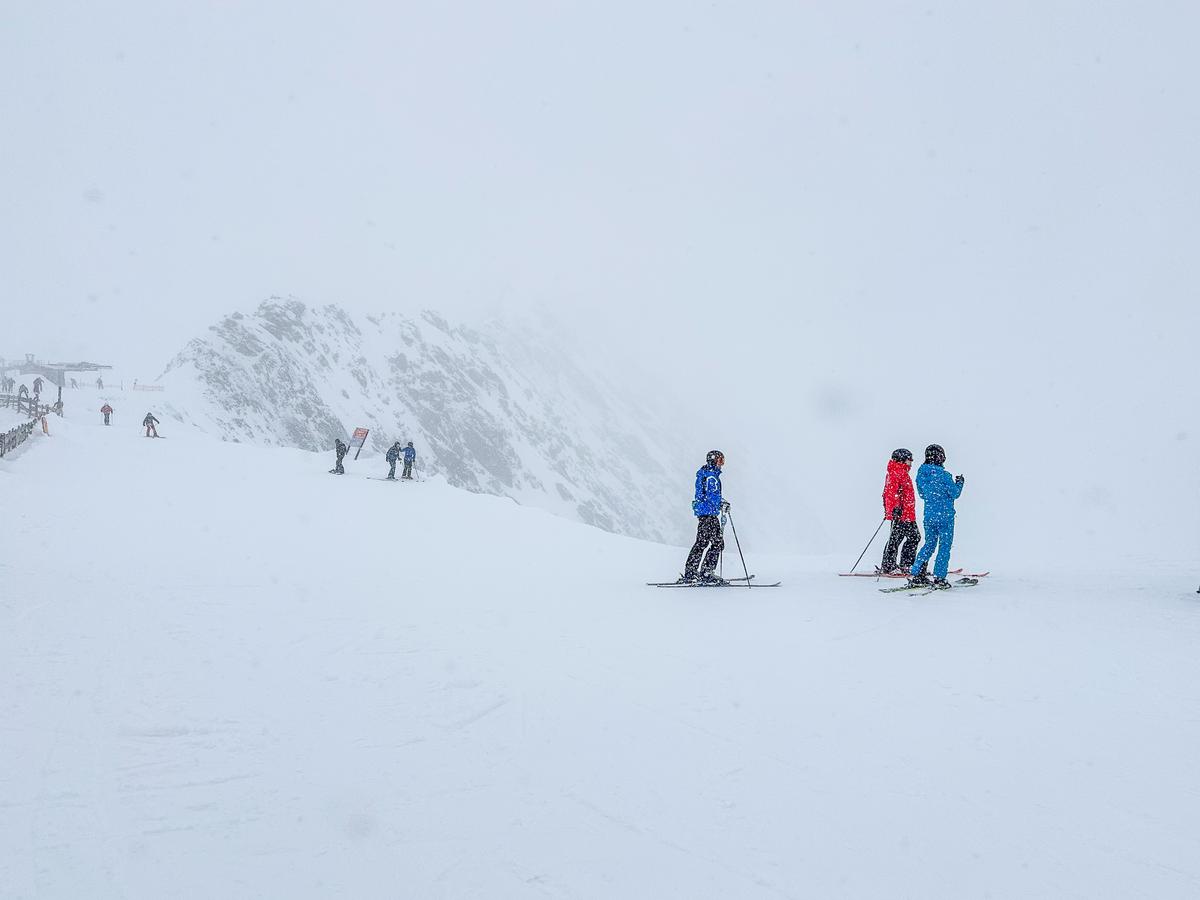
Winter (Dec-March) is prime for skiing and Christmas markets (mid-Nov to Dec 24), which transform cities into magical villages. Summer (June-Aug) is warm and perfect for lakes and hiking, though major cities can be crowded and opera houses often close for break.
Season by season
Spring: Blooming gardens (Mirabell), Easter markets, mild temps.
Summer: Swimming in turquoise alpine lakes, festivals (Salzburg, Bregenz), hiking.
Fall: Wine harvest in Wachau Valley, stable mountain weather, Almabtrieb cattle festivals.
Winter: World-class skiing, balls in Vienna, magical Christmas markets.
Crowds
Austria (Vienna, Salzburg, Innsbruck) is busiest June-August and during Christmas/New Year in Salzburg and Vienna—popular sites and alpine resorts can be very crowded; quietest November-February for non-winter-alpine areas (though ski resorts peak in winter).
Getting there and around
Getting there
Austria connects to the world through Vienna International Airport, the primary gateway, plus regional airports in Salzburg, Innsbruck, and Graz. Direct flights operate from major European cities and some intercontinental destinations. High-speed rail connections link Austria to neighboring countries via the extensive European network. The country sits at the crossroads of Europe, accessible by car or bus from Germany, Switzerland, Italy, and Eastern European nations.
Getting around
Austria operates an efficient public transportation system with ÖBB (Austrian Federal Railways) connecting major cities and regions. The Vorteilscard offers discounts on train travel. Regional buses serve smaller towns and mountain areas. Vienna, Salzburg, and other cities have local transport networks including trams and buses. Car rental provides flexibility for exploring the Alps and rural areas, with excellent highways connecting major destinations.
Top experiences in Austria
Schönbrunn Palace
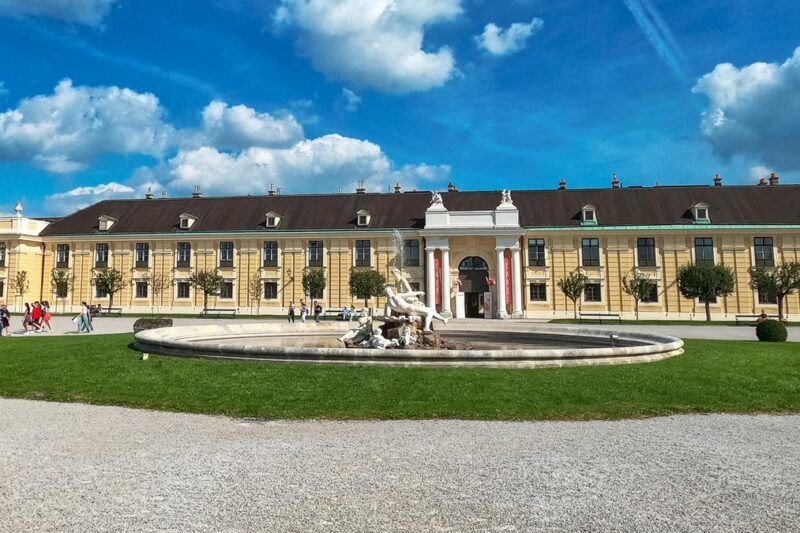
Read the place guide →Schönbrunn Palace is the magnificent former summer residence of the Habsburg monarchs in Vienna. This Baroque masterpiece features 1,441 rooms, including the Hall of Mirrors where a six-year-old Mozart performed. The vast gardens include the Gloriette, the Palm House, and the world’s oldest zoo, making it a full-day cultural immersion.
Hohensalzburg Fortress
Hohensalzburg Fortress sits atop the Festungsberg hill, dominating the Salzburg skyline. Built in 1077, it is one of the largest fully preserved medieval castles in Europe. A funicular whisks visitors up to explore the princely chambers, torture museum, and panoramic terraces offering views over the baroque towers of Salzburg and the Alps.
Hallstatt
Hallstatt is a fairytale alpine village perched between a glassy lake and towering Dachstein mountains. Known for its 16th-century Alpine houses and alleyways, it is also home to the world’s oldest salt mine. The Skywalk ‘World Heritage View’ offers a dramatic platform floating 360 meters above the roofs and lake.
St. Stephen's Cathedral
St. Stephen’s Cathedral (Stephansdom) is the symbol of Vienna and the geographic center of the city. Its multi-colored tile roof and soaring Gothic south tower (the ‘Steffl’) are iconic. Visitors can climb the 343 steps for a view, explore the catacombs filled with the bones of plague victims, and see the Pummerin bell.
Grossglockner High Alpine Road
The Grossglockner High Alpine Road is Austria’s highest paved mountain pass and one of the most spectacular drives in Europe. It winds through the Hohe Tauern National Park, leading to the foot of the Grossglockner (Austria’s highest mountain) and the Pasterze Glacier, offering unrivaled access to high-alpine nature without hiking.
Editor-curated picks carried over from our original guide. Where a full place guide exists, the card links to it.
Places worth your time
Where to stay
Hotel Sacher Wien
Philharmoniker Str. 4, 1010 Wien, Austria
Hotel Sacher Wien is a Viennese institution, located directly opposite the State Opera House. Famous for the original Sacher-Torte, this luxury hotel combines 19th-century grandeur with modern comfort. The rooms are individually designed with precious antiques, original paintings, and silk carpets, offering a taste of imperial Vienna. It has hosted royalty, artists, and politicians for over a century.
Hotel Goldgasse
Goldgasse 10, 5020 Salzburg, Austria
Hotel Goldgasse is a charming boutique hotel located in a 700-year-old building in the heart of Salzburg’s Old Town. It features unique rooms that pay homepage to the Salzburg Festival with theatrical frescoes and giant prints. The atmosphere is intimate and authentic, with arguably the best breakfast in town served in its rustic Gasthof. It is a perfect base for exploring Mozart’s city on foot.
Bio-Hotel Stanglwirt
Kaiserweg 1, 6353 Going am Wilden Kaiser, Austria
Bio-Hotel Stanglwirt is an iconic eco-resort at the foot of the Wilder Kaiser mountains in Tyrol. It is a functioning organic farm that has evolved into a five-star luxury retreat. Guests can swim in natural rock pools, dine on farm-to-table cuisine (including cheese from their own Alpine dairy), and watch Lipizzaner horses train in the indoor riding school. It represents the pinnacle of Alpine wellness and rustic luxury.
Editor-curated stays carried over from our original guide. Where we have reviewed the hotel, the card links to the review.
Tips from the field
Highlights
- Schönbrunn Palace – Imperial Habsburg summer residence
- Hohensalzburg Fortress – Medieval castle overlooking Salzburg
- Hallstatt – Fairytale lakeside village and salt mine
- Vienna State Opera – World-class musical performances
- Grossglockner High Alpine Road – Scenic mountain drive
- St. Stephen's Cathedral – Gothic masterpiece in Vienna
- Belvedere Palace – Baroque art museum home to 'The Kiss
- Innsbruck – Alpine city where mountains meet architecture
Best activities
- Austria offers a blend of high culture and high altitude. Skiing and Snowboarding in the Arlberg or Tyrol regions is world-class. In summer, Hiking the Eagle Walk offers long-distance alpine challenges.
- Musically, viewing an Opera at the Vienna State Opera or attending the Salzburg Festival is a bucket-list experience. For a slower pace, Cycling along the Danube River from Passau to Vienna creates a scenic, flat journey through vineyards and abbeys.
Practical tips
- Transport: The ÖBB trains are punctual and scenic; book 'Sparschiene' tickets in advance for discounts.
- Sundays: Almost all shops and supermarkets are closed on Sundays. Plan accordingly.
- Water: Tap water is pure alpine spring water and safe to drink everywhere.
- Greeting: A firm handshake and eye contact are expected. 'Grüß Gott' is the standard polite greeting.
- Vignette: If driving, buy a toll sticker (vignette) immediately upon entering the country to avoid heavy fines.
Photography tips
- Vienna Coffee Houses: Shoot with natural light near windows to capture the mood without flash.
- Hallstatt: The classic viewpoint is from the north end of town, best at sunrise before the tour buses arrive.
- Libraries: The Admont Abbey Library is a stunning Baroque masterpiece (wide angle essential).
- Mountains: Use a polarizer to pop the contrast between blue skies, white snow, and green pastures.
- Christmas Markets: Use a fast prime lens (f/1.8) to capture the bokeh of lights and steam from punch mugs at night.
Keeping it authentic
- Austria's authenticity is found in its 'Gemütlichkeit'—a specific quality of coziness and friendliness found in coffee houses and wine taverns (Heurige). Beyond the polished tourist centers, the rural traditions of the Almabtrieb (cattle drive), Krampus runs, and local Tracht (traditional dress) are very much alive. The coffee house culture in Vienna is not a relic but a daily living room for locals.
Culture, customs and safety
Cultural heritage
Austria’s imperial legacy lives through Habsburg palaces, Baroque churches, and the musical traditions of Mozart, Beethoven, and Strauss. Vienna’s coffeehouses, recognized by UNESCO, foster intellectual discourse traditions dating to the 17th century. Alpine customs include yodeling, Schuhplattler dancing, and dirndl clothing, while each region maintains distinct dialects and culinary traditions. The nation’s cultural calendar features world-class opera, Christmas markets, and traditional festivals celebrating seasonal cycles.
Local customs & etiquette
Austrian culture emphasizes politeness, punctuality, and respect for personal space. Shake hands firmly when greeting and use formal titles until invited to use first names. Dress conservatively for cultural sites and upscale restaurants. Dining etiquette includes keeping hands visible on the table and saying “Guten Appetit” before eating. Tipping 10% is standard. Austrians value privacy and quiet behavior in public spaces.
Safety notes
Austria is very safe.
Crime: Pickpocketing can occur in major tourist hubs (St. Stephen’s, Christmas markets).
Alpine Safety: Weather changes rapidly in the mountains. Never hike without checking forecasts and telling someone your route.
Avalanches: Off-piste skiers must carry transceivers and check daily avalanche reports.
Ticks: Hiking in tall grass? Check for ticks as TBE (tick-borne encephalitis) exists in Central Europe.