


Chefchaouen
Chefchaouen moves slower than the rest of Morocco — the blue walls, the mountain air, the goat cheese. That pace is the whole point.
Africa travel guides covering safari destinations across Kenya, Tanzania, South Africa, and Botswana; cultural deep dives into Morocco and Egypt; and emerging routes through Mozambique and Madagascar. Includes operator vetting, yellow-fever and visa requirements, dry-season game-viewing windows, and honest takes on lodge-vs-camp tradeoffs.
Chefchaouen moves slower than the rest of Morocco — the blue walls, the mountain air, the goat cheese. That pace is the whole point.

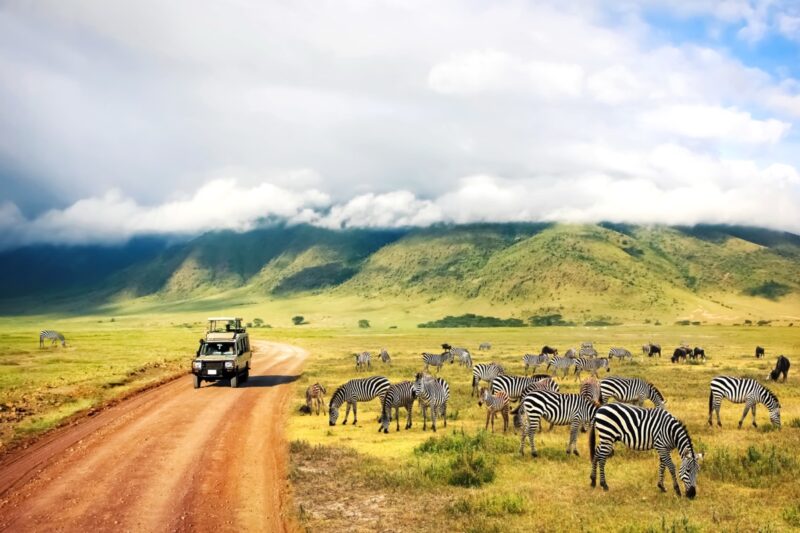

Local islands cost a fraction of resort prices and still put you 10 feet from the same reef. The overwater villa can wait.

Kruger is 7,500 square miles of bush where lions cross the road and no one honks. Self-drive safaris here cost a fraction of guided tours.
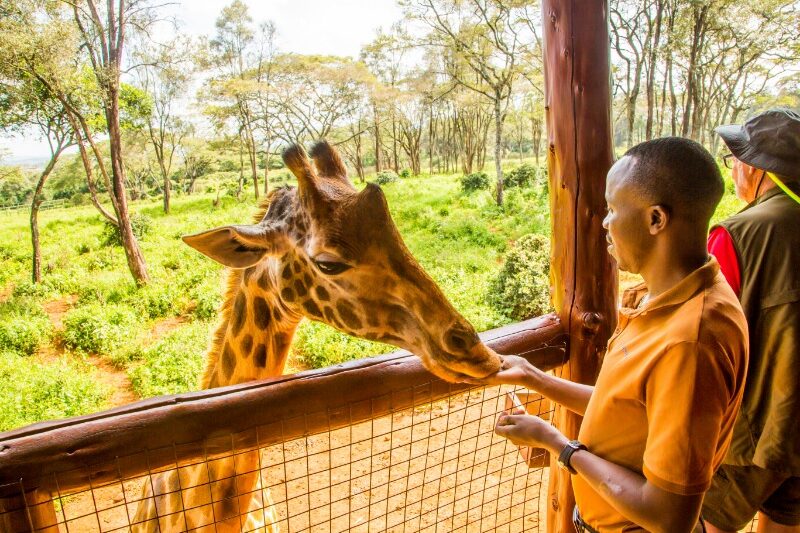
You feed a Rothschild’s giraffe by hand here — one of the rarest on earth. Nairobi has a lot of wildlife options, but this one is hard to justify skipping.

The Great Migration crosses the Mara River July–October. Two million animals, real predators, no fences — plan around this or regret it.

Built in 1666, the Castle of Good Hope predates Cape Town itself — and its walls hold 350 years of colonial history you can actually walk through.

The crater floor holds more lions per square mile than almost anywhere on earth. Maasai still graze cattle here — that tension is the whole point.

Bazaruto is one of the last places in the Indian Ocean where you can still spot dugongs in the wild. That alone sets it apart.

Kilimanjaro is not a technical climb, but altitude takes people down fast. The Lemosho route buys you the acclimatization days that matter.

The Okavango floods in winter, not summer — that timing quirk is what makes it Africa’s best dry-season safari destination.
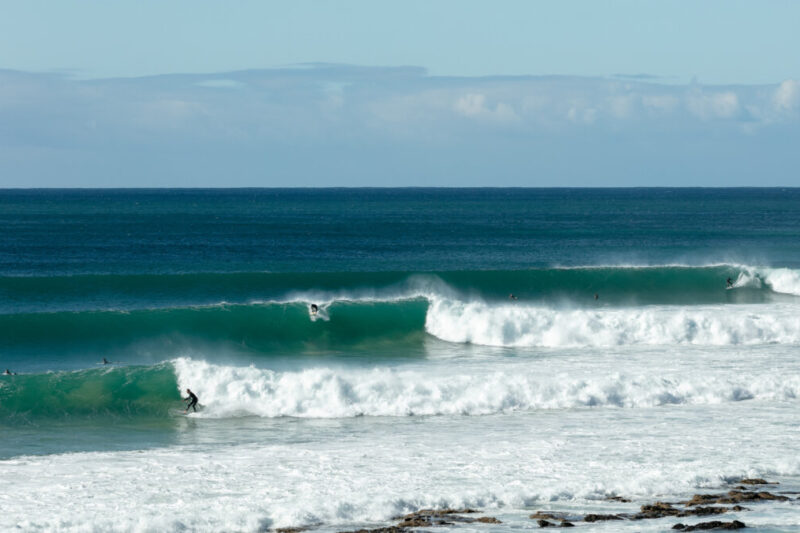
Kruger has 147 mammal species. Table Mountain has a cable car. The Stellenbosch Wine Tram costs less than one restaurant meal.
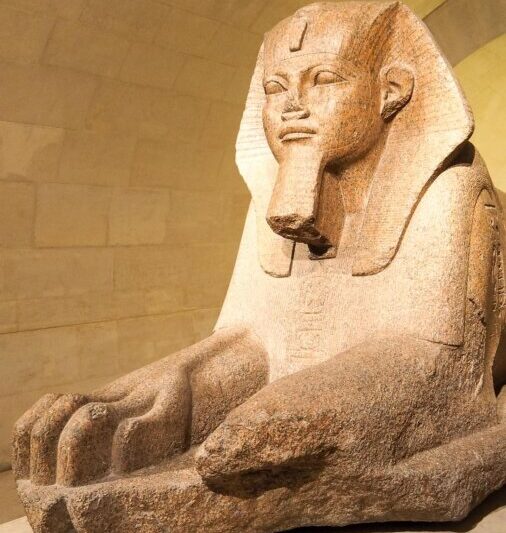
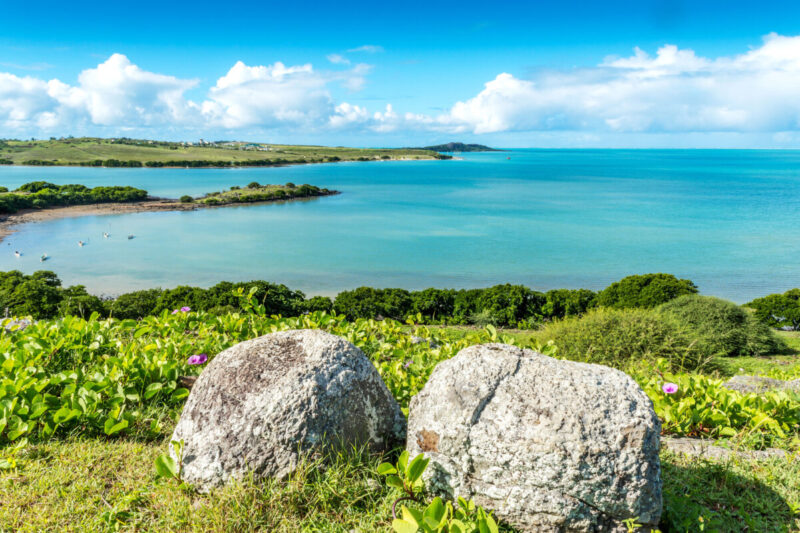
Mauritius has an underwater waterfall illusion, seven-colored earth at Chamarel, and a Creole-Indian-French culture that shows up best on every dinner plate.
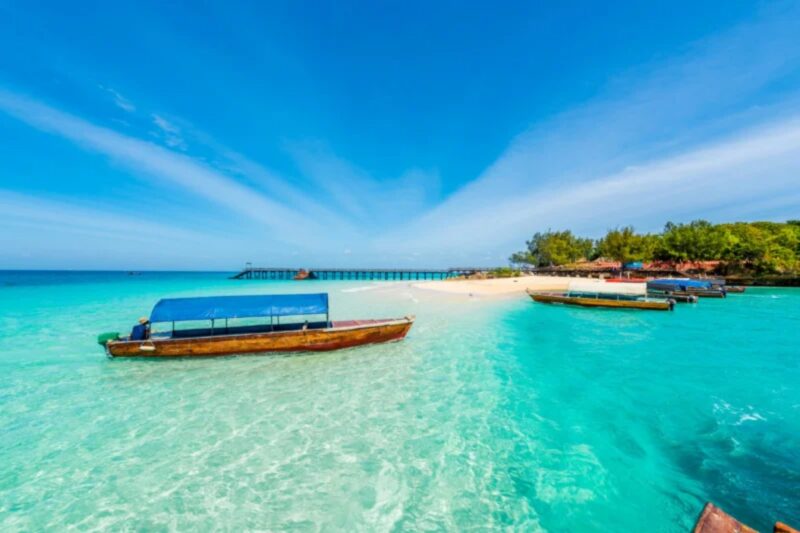

The Seychelles scatter 115 granite islands across the Indian Ocean with Anse Source d’Argent’s boulders, giant tortoises, and water that ranges from turquoise to transparent.

Marrakech’s Jemaa el-Fnaa square transforms from market to circus to restaurant every evening — the medina, riads, and Atlas Mountains day trips are the daytime act.
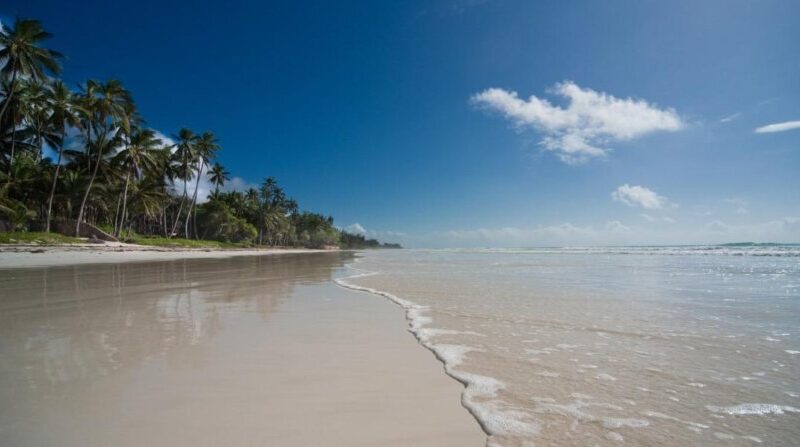

Johannesburg is South Africa’s economic engine with Apartheid Museum, Constitution Hill, and a Maboneng arts district that channels the city’s reinvention energy.

